There is no single best time for this coast, only a best time for what you want to do. The bay has a Mediterranean climate, with hot, dry summers and mild, wetter winters, but the tourist calendar matters as much as the weather. Capri and the Amalfi villages run on a seasonal rhythm, and the difference between a May week and a January week is dramatic. Use this guide to match the season to your plans.
Spring: April to June
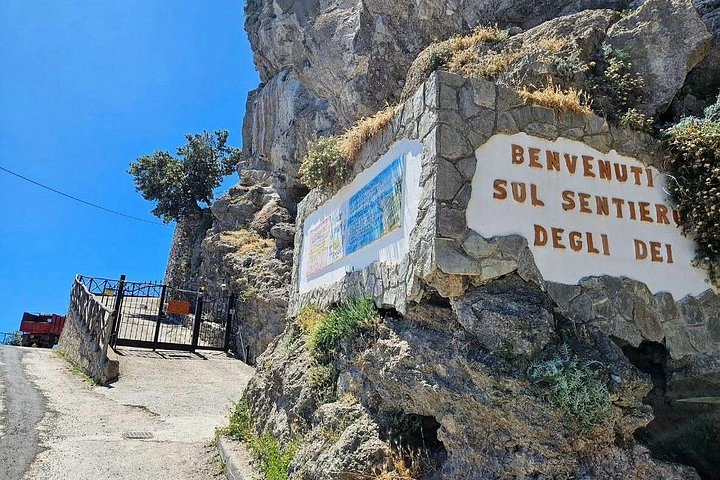
For many travellers this is the sweet spot. The air is warm but not hot, the hills are green and the lemon blossom scents the lanes. Boats, hotels and beach clubs reopen from around Easter, and by May almost everything is running. Walking is at its best, so the Path of the Gods and the Ieranto Bay trail are at their most enjoyable. Crowds build through the period, with Easter and early June the busiest weeks. Sea temperatures are still cool, so swimming is for the brave until June.
Summer: July and August
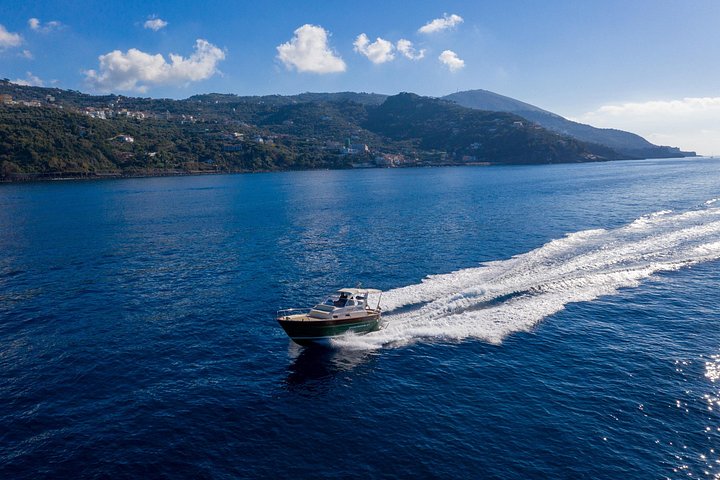
This is peak season, with long, hot days, the warmest sea and every service operating. It is the time for boat trips, swimming stops, beach clubs and late evenings on terraces. It is also the most crowded and most expensive time, the Amalfi road can be slow, and Pompeii and Capri can be hot and busy. If you come in summer, start early, book ahead for popular tours and hotels, and plan a quiet afternoon indoors or by a pool.
Autumn: September and October
Many locals consider this the finest time. The sea is still warm from the summer, the crowds thin after the first week of September, and the light is soft and golden. Boats and most hotels are open, and walking is comfortable again. By late October some Capri businesses begin to close, and weather becomes less predictable, with the first heavy rain of the season often arriving.
Late autumn and winter: November to March
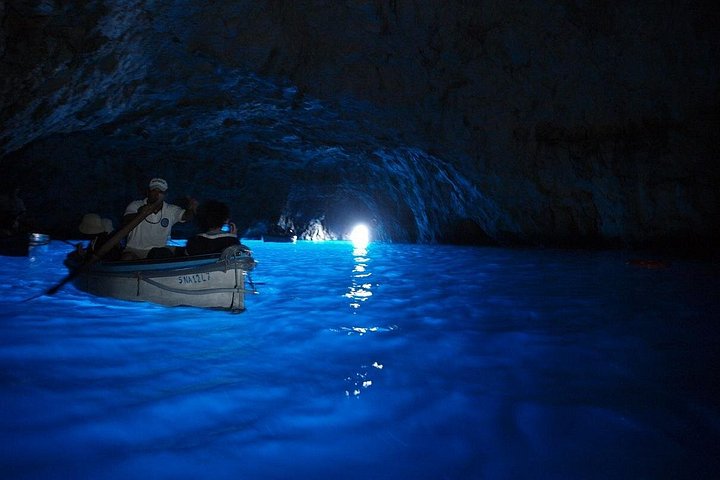
This is low season. Many Capri hotels, shared boat circuits and beach clubs close, the Blue Grotto is shut more often than open, and some hotels in Sorrento close for part of the winter. Days are short and can be wet and windy. In exchange you get quiet streets, lower prices and clear days of surprising beauty, with snow sometimes dusting the high hills. It is a good time for Pompeii, Herculaneum, cooking classes, lemon grove visits, and food-focused trips, which do not depend on the sea. Check opening hours on the day, keep every sea plan flexible and have an indoor alternative.
Weather and the sea
Wind and swell matter more than rain. In any season, rough water can cancel hydrofoils and ferries to Capri, so leave a spare day at the end of your trip if you have a flight to catch. Winter storms can last a few days, whereas summer seas are mostly calm.
Crowds and prices
Hotel rates peak in July and August and fall sharply from November. Shoulder months offer the best balance of price, weather and availability, so if you have flexibility, aim for May, June or September. Weekends are busier than weekdays at every time of year, and day-trip sites are quietest at opening time.
What to pack
In summer, bring light clothes, a hat, sunscreen, a swimsuit and sandals with grip. In spring and autumn, add a light jacket and a waterproof layer. In winter, bring a warm coat, shoes with good soles and an umbrella. Whatever the season, comfortable walking shoes matter more than anything else, because lanes, steps and ruins are all uneven.
Our short answer
Choose May, June or September for the best all-round trip, July and August for beaches and boats, and the winter months for quiet, low prices and a food-and-history itinerary. Wherever you land, book the sea-dependent plans last, the indoor ones first, and keep a little slack in the schedule. If dates are fixed by school holidays or work, do not worry: every season has something to recommend it, and with a little flexibility the bay rewards a visit at any time. Check the opening hours for the sights you care about most, and let those dictate the order of your days. A last practical point is to book hotels early for May, June and September, because the best small properties fill first, while winter rooms can usually be found a few weeks out at much lower rates.