Sorrento is one of the best-placed bases in Italy. Within a day's reach are two buried Roman towns, a volcano, Greek temples, an island, a famous coast road and several walking trails. The question is not what to see but how to choose, and the answer depends on your energy, the weather and how much you want to spend on the road. This guide groups the options by the kind of day they give you.
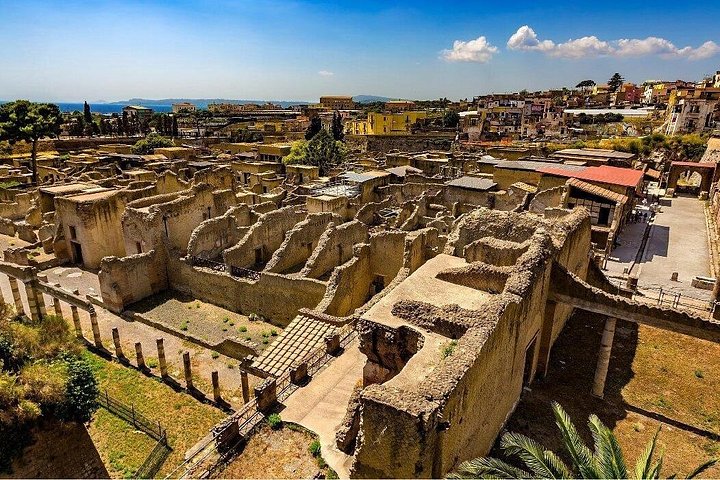
The easy ruins: Pompeii and Herculaneum
Both are reached by the Circumvesuviana train from Sorrento station, a cheap and frequent line, in roughly half an hour for Pompeii and about an hour for Herculaneum. Pompeii is large and varied, with streets, shops, villas and an amphitheatre, and deserves three to four hours. Herculaneum is smaller and better preserved, with upper floors and wooden beams still in place, and fits into a morning. A guide helps at both, because signs are limited. If you only have time for one, take Pompeii for scale and Herculaneum for detail.
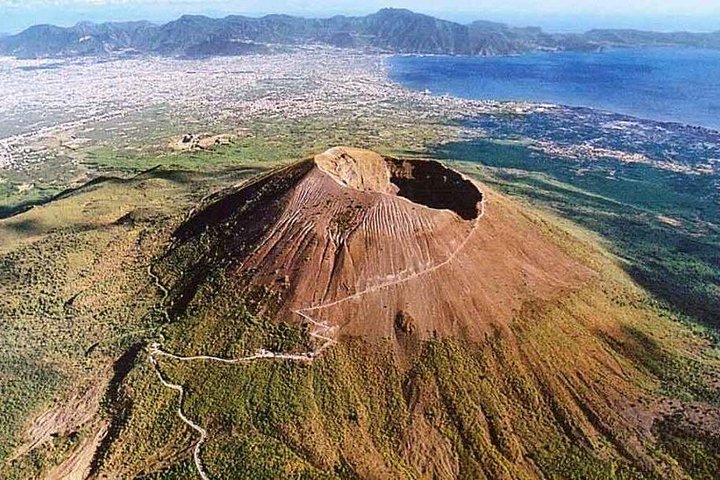
The volcano: Vesuvius
The crater walk takes about an hour and a half in total, with a short uphill path from the upper car park to the rim. On a clear day the view over Naples, Capri and the peninsula is magnificent, but cloud and wind can spoil it. Many tours pair Vesuvius with Pompeii or a winery lunch. It is best treated as a flexible half day, booked when the forecast is clear.
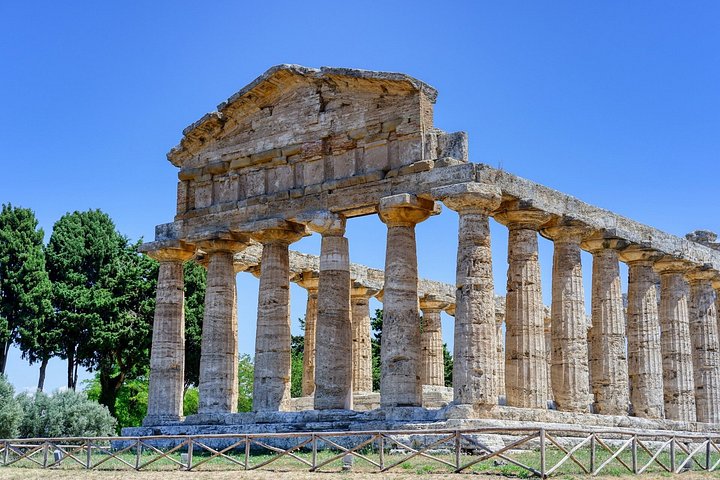
The long day: Paestum
Paestum is about one and a half to two hours away by road, so it is a full-day commitment. In exchange you see three of the best-preserved Greek temples in the world, a fine museum and usually a mozzarella farm. It suits history and food lovers, particularly those who have done Pompeii and want something older and calmer.
The famous road: the Amalfi Coast
A guided day trip through Positano, Amalfi and Ravello is the classic outing, with sea views, cliff villages and time for lunch and shopping. It takes a whole day, and in summer the road is slow and crowded, so an early start helps. Seen by boat, the coast looks different again, and boat trips to the Li Galli islands and Positano run mainly in warm months. Outside summer, the coach is the dependable choice.
The island: Capri
Capri deserves a full day. Take the morning boat, circle the island by sea if the weather allows, ride the chairlift at Anacapri, visit Villa San Michele and the Gardens of Augustus, and walk to Villa Jovis if you have energy. Sea conditions decide everything, so check the departure the night before and keep a plan B. In winter, services are reduced and some sights close early.
The walkers' choices: Path of the Gods and Ieranto Bay
The Path of the Gods is a high trail with sweeping views of Positano and the sea, taking three to four hours, and is best on a clear, dry day with good shoes. Ieranto Bay is a shorter walk down to a wild, sheltered cove at the end of the peninsula, with swimming in summer. Both suit active travellers and both are better with a guide for transport.
How to choose
If you have two days, combine one ruin, either Pompeii or Herculaneum, with Capri or the Amalfi Coast. If you have four or five, add Vesuvius, Paestum or a walk. If the sea is rough, choose a land trip. If the sky is poor, choose a covered site or a food experience. Do not stack two big outings back to back, because the days are long and the roads can be slow.
Practical notes
Trains are cheap but crowded at peak times, so travel early and watch your belongings. Guided tours remove the logistics and are worth the cost for the Amalfi Coast, Paestum and the walks. Book refundable options, carry water and layers, and return to Sorrento in time for a proper dinner, because the evening is half the pleasure of a base like this. If you prefer a slower pace, do not feel obliged to fill every day: a free day in Sorrento, with a long lunch, a swim or a walk around the old town, is often the one travellers remember. Keep one day unplanned for weather, and let the rest of the plan bend around it. Whichever outings you choose, travel with a small day bag, a refillable water bottle and a printed or saved copy of your tickets, because mobile signal on the coast road and in the ruins can be patchy.