Food is the reason many people choose this coast, and it deserves its own plan. The cooking of Sorrento is built on a few superb ingredients: lemons the size of fists, ripe tomatoes, buffalo and cow's milk cheeses, olive oil, anchovies and fish from the bay. Learn the handful of dishes below and you will eat well almost anywhere, from a trattoria in a lane to a terrace over the sea.
Lemons and limoncello
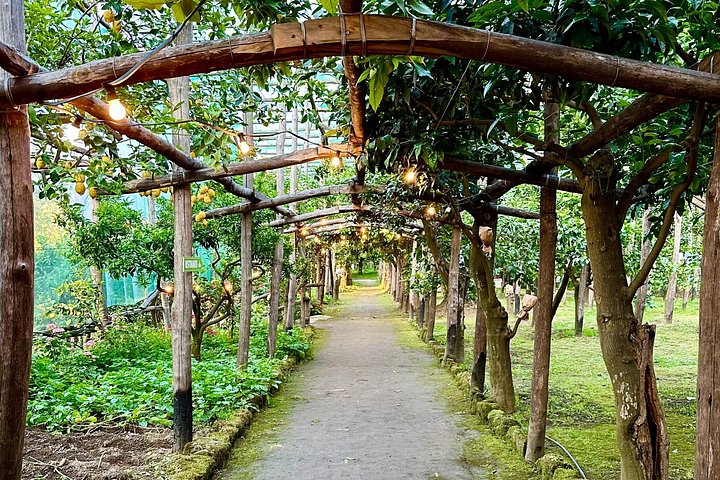
The Sorrento lemon is large, fragrant and thick-skinned, grown on terraces shaded by nets and poles. The peel is used for limoncello, a sweet, strong liqueur served very cold after a meal, and the juice and zest appear in desserts, salads and sauces. A visit to a lemon grove explains how the trees are cultivated and why the peel is so aromatic, and it usually ends with a tasting of limoncello, marmalade and sweets. It is one of the easiest and most enjoyable experiences on the peninsula and fits in under an hour. Buy a small bottle at the grove or in a shop and check the label, since quality varies widely and the best versions are made from local peel.
Gnocchi alla sorrentina
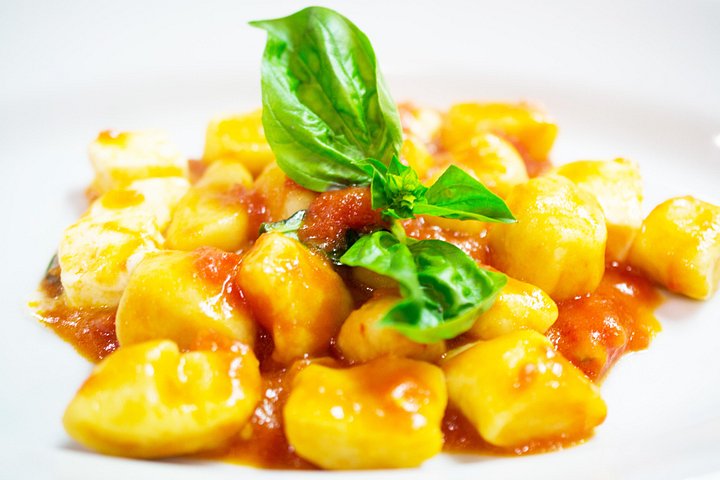
The signature dish is baked gnocchi in tomato sauce with mozzarella and basil, served bubbling in a terracotta dish. It is rich, simple and exactly right after a day of walking. Ask for it in a family-run place and you will usually find it freshly made. Close relatives include scialatielli, a short, thick pasta often served with seafood, and ravioli filled with ricotta and lemon, a combination that tastes of the region.
Mozzarella and dairy
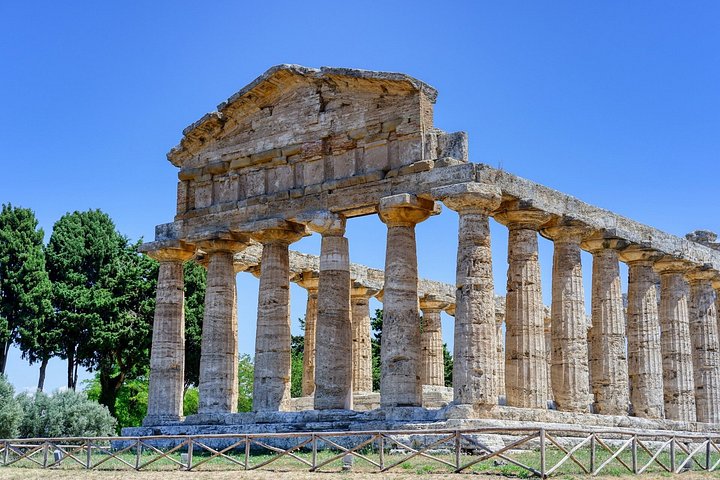
The plain south of the bay is the home of buffalo mozzarella, which is eaten fresh, still faintly warm and milky, often with tomatoes and basil. Smoked versions, provola and ricotta are also common. A tasting of mozzarella and local wine is a good lunch, and a day trip to the Greek temples of Paestum often includes a farm visit where you can watch the curd being stretched and shaped by hand.
Seafood and fish
Marina Grande in Sorrento and the fishing villages along the peninsula are the places for fresh fish, from grilled sea bream and sea bass to fried anchovies, calamari and spaghetti with clams. Menus often sell fish by weight, so ask the price before ordering, and choose places where the day's catch is displayed. Marina del Cantone and Nerano, at the tip of the peninsula, are known for seafood and for spaghetti with courgettes, a local specialty.
Pizza, bread and sweets
Pizza in this region follows the Neapolitan style, with a soft, blistered crust, and a simple margherita is a fair test of any pizzeria. Look also for fried pizza, for pastries filled with ricotta and for the delizia al limone, a sponge dome filled with lemon cream that is a regional favourite. Pair it with a small, strong coffee.
Wine
The hills of Campania produce good white wines, such as Falanghina, Fiano and Greco di Tufo, which suit seafood and lemon-led dishes. Red wines from the slopes of Vesuvius, including Lacryma Christi, are worth a taste. A short wine tasting is a good use of an afternoon.
Learning to cook it
A cooking class is the best way to bring the flavours home. Most classes run for around three hours, take place in a home, farm or cookery school, and teach pasta, sauces and a dessert, finishing with a shared meal and wine. Book a class for the evening or for an afternoon when the weather is poor, and mention dietary needs in advance.
Tips for eating well
Eat lunch between one and three and dinner after eight, as the local rhythm is late. Avoid restaurants with touts on the pavement or menus in six languages, and walk a street or two away from the main square. Ask what is fresh, share dishes, and leave room for dessert. Tipping is modest, and a service charge is sometimes added, so check the bill. Whatever you choose, take your time, because the table is where this coast is at its best. Finally, keep an eye on the seasons: courgettes, tomatoes and basil peak in summer, while citrus is at its best in winter and early spring, so the same dish can taste different in different months. Ask what is in season, and you will rarely be disappointed.