Three days is enough to taste the whole bay without rushing, provided you accept that the sea and the weather will shuffle the plan. The shape that works best is simple: one day on Sorrento itself, one day on Capri and one day on the mainland, either among the ruins or along the Amalfi Coast. Sorrento is the base, because it has the boats, the trains and the buses, and because you only unpack once.
Before you go
Decide your hotel first, since it anchors everything else. A base near the station or Piazza Tasso keeps every journey short. Book the day trip and any guided tour a few days ahead once the forecast is visible, and keep them refundable. Pack layers, a waterproof jacket and shoes with grip, because stone lanes and boat decks are slippery. Carry some cash for small purchases on Capri and for entrance fees.
Day one: Sorrento at a slow pace
Arrive, drop your bags and spend the day in town. Start with the old town and Marina Grande, a fishing harbour where the lanes are lined with small restaurants. Walk the Villa Comunale terrace for the view over the bay, then wander the lanes for inlaid wood, lemon products and a coffee in Piazza Tasso. In the afternoon, visit a lemon grove for a tasting and a talk about how limoncello is made, which takes under an hour and fits easily into a gap. In the evening, take a cooking class or a long dinner, ideally with gnocchi alla sorrentina and a glass of local white wine. This day is deliberately light, so it also works as a recovery day after travel.
Day two: Capri
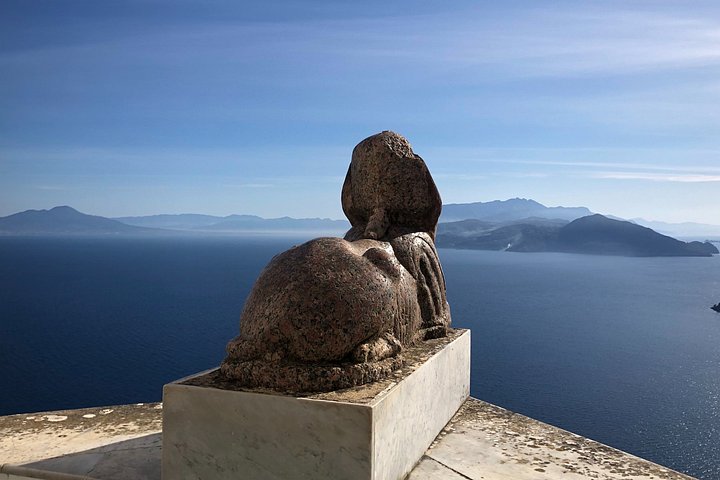
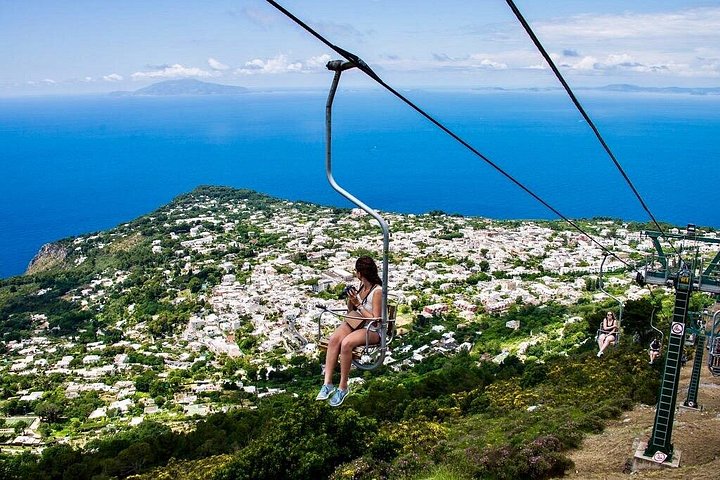
Take an early boat or hydrofoil from the Sorrento port, and check the departure the evening before. If the sea is calm and the season allows, a boat circuit of the island around the Faraglioni rocks is a good start, with the Blue Grotto as a bonus if it is open. Then go up to Anacapri. The chairlift to the summit of Monte Solaro gives the best view on the island when it runs, and Villa San Michele has a pergola walk and a terrace over the sea. Return by bus to Capri town for the Gardens of Augustus, a short, scenic stop with views to the Faraglioni, and a late lunch. If you have energy and the weather is clear, a walk up to Villa Jovis, the ruined palace of Tiberius, adds an hour or two. Take the last boat with a margin, because the sea can delay sailings.
Day three: the mainland
Choose according to your interests. For ancient history, take the train to Pompeii in the morning, or choose Herculaneum for a smaller, calmer site. Vesuvius makes a good addition on a clear day. For scenery, choose the Amalfi Coast day trip through Positano, Amalfi and Ravello, a full day by coach, or the Path of the Gods for a high coastal walk if you are fit. Whichever you pick, keep the evening free and return to Sorrento for dinner. If you want a lighter day, do a morning at Pompeii and leave the afternoon for a cooking class or a swim at the hotel.
If the weather turns
Each day has a swap. Rough sea on day two means Capri moves to another day, and you can use the gap for the lemon grove, the cooking class or the old town. Rain on day three favours Herculaneum, which is partly covered, or a museum and a long lunch. Strong wind on Vesuvius or the Path of the Gods means moving the outing, not cancelling it. The golden rule of the bay is to book the sea-dependent plans last and the flexible ones first.
Adding a fourth day
If you can stretch the trip, add whichever day trip you skipped, or a slow day for a boat to the Li Galli islands, the Ieranto Bay walk or a quiet beach day in summer. A fourth day also gives you a buffer for weather, which is the most valuable use of the extra time.
Practical tips
Walk where you can, since Sorrento is compact, and use the town lift for the climb from the port. Check opening hours on the day, because winter hours are shorter and many sights close on one weekday. Eat lunch a little later than you expect, as many restaurants close in the afternoon. Keep a small amount of time at each end of every boat journey, and remember that a flexible mind is the best equipment for this coast.