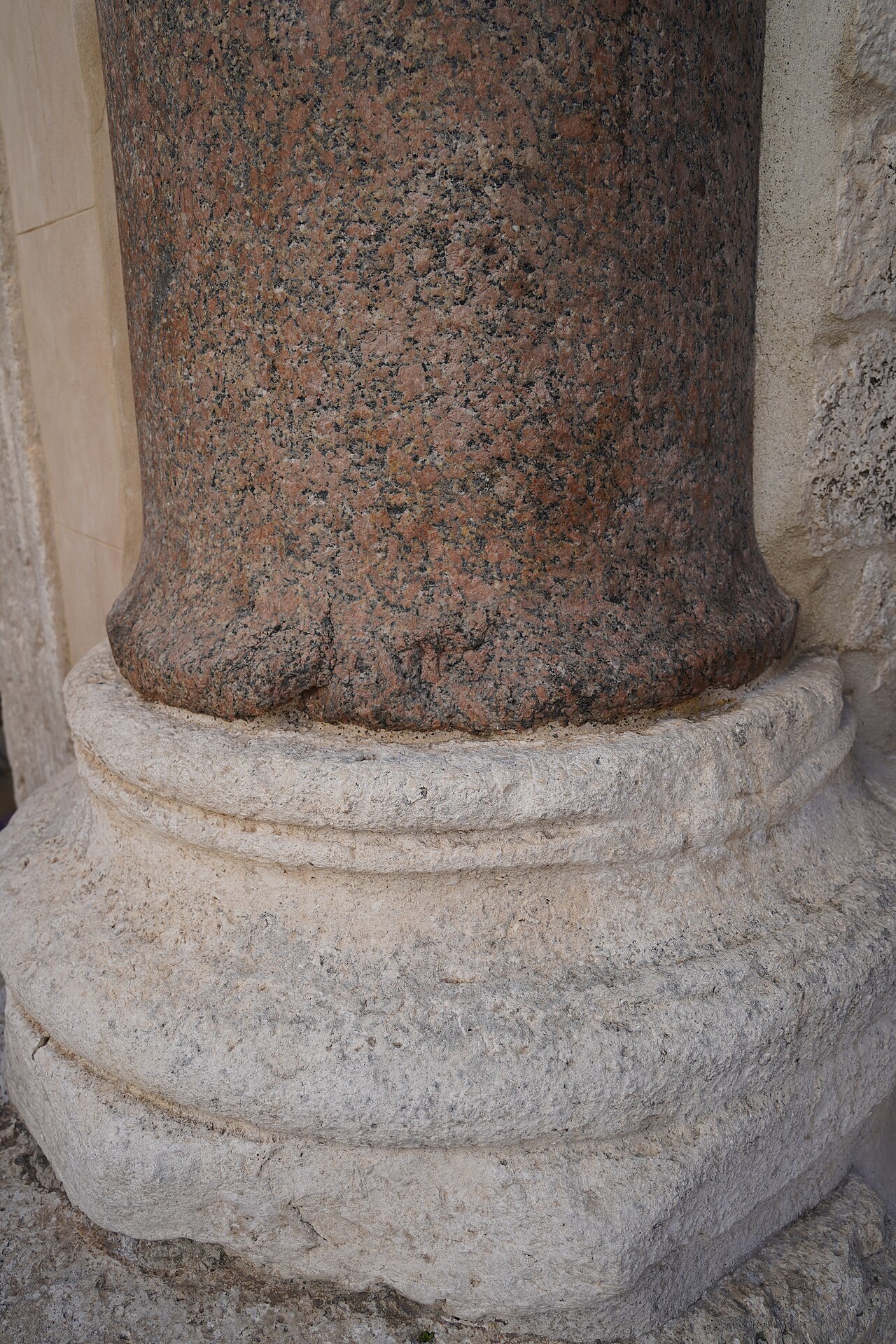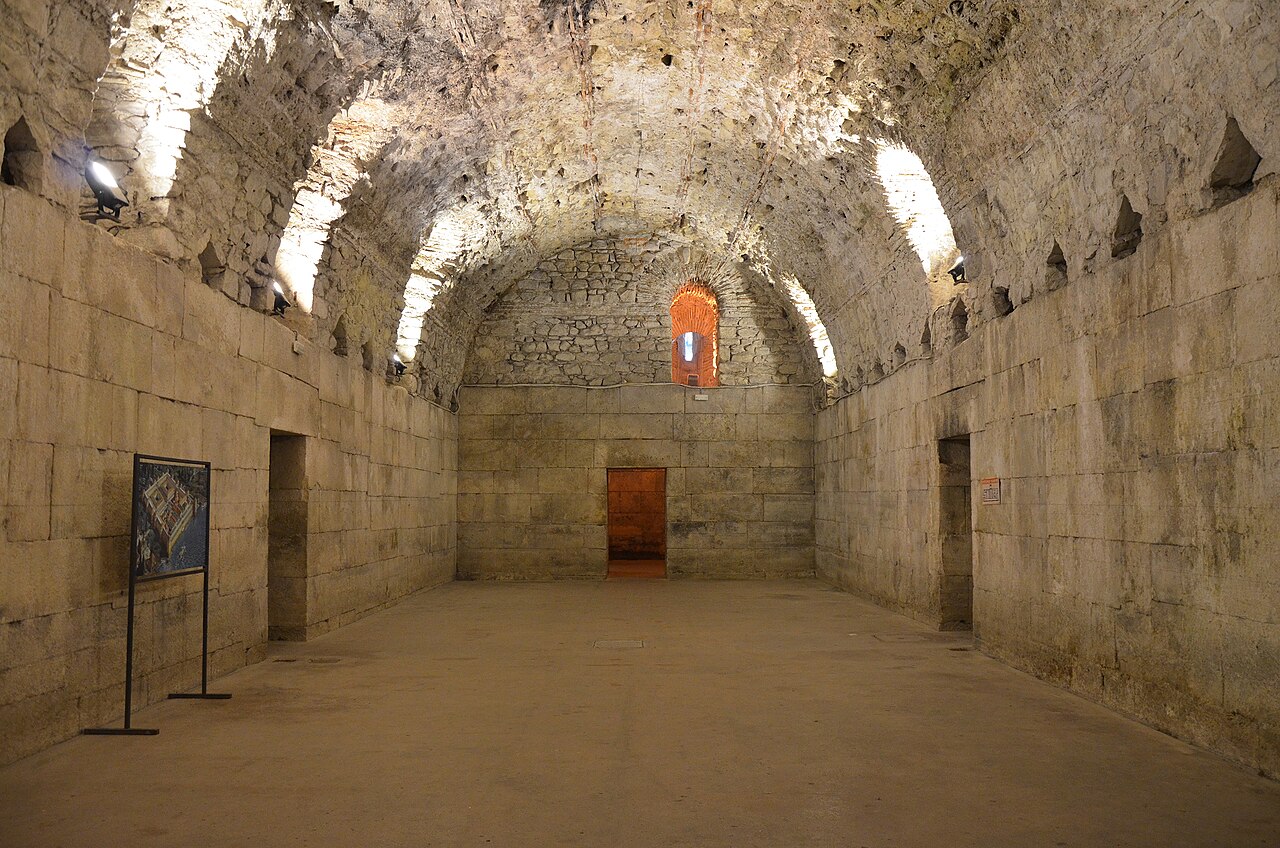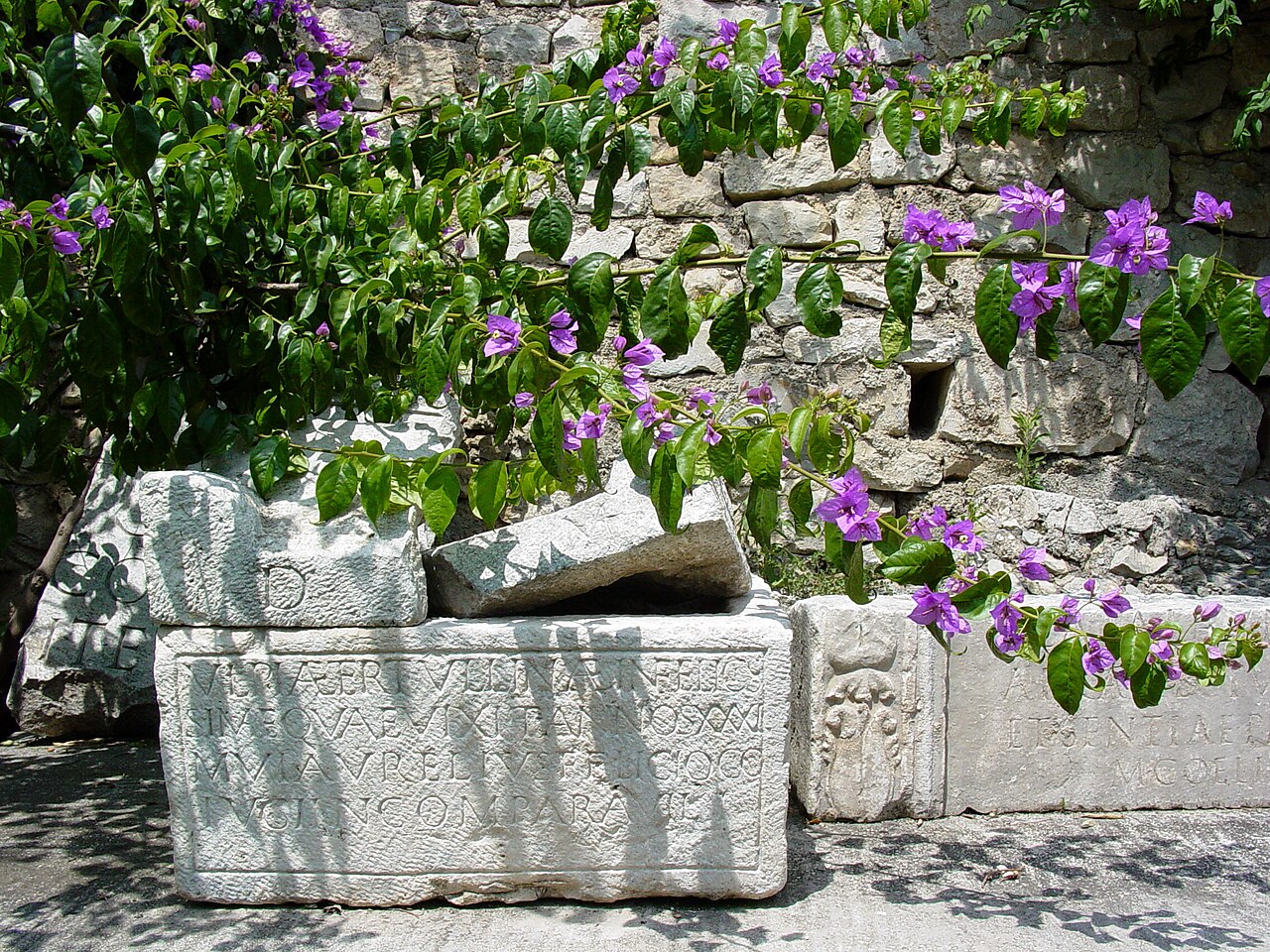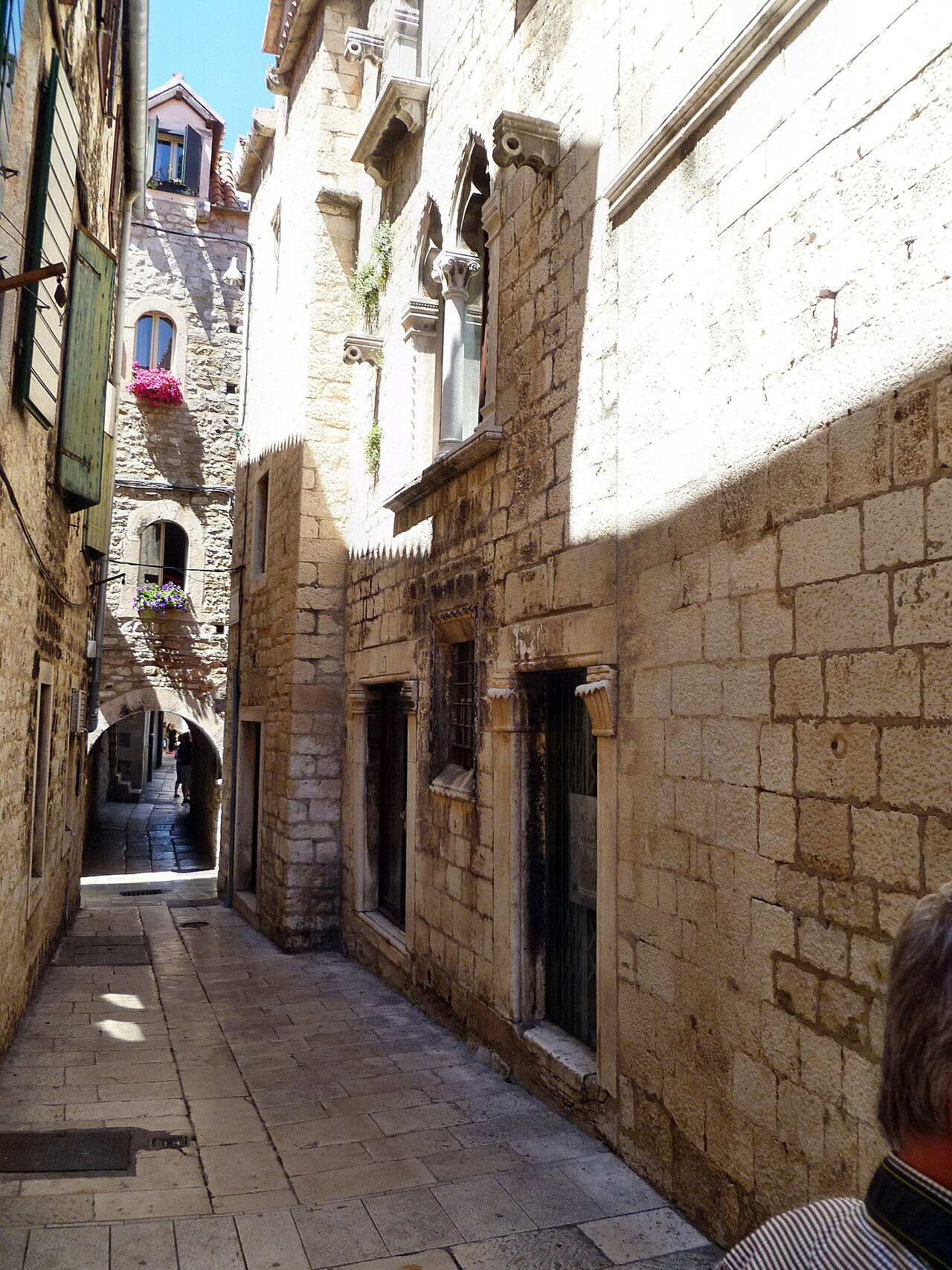
The Museum of the City of Split tells the story of Split itself, and its home in the Papalić Palace is half the appeal. The Split tourist board describes the new permanent exhibition as a museum in situ, meaning that the building is part of what you see. From the ground floor you can see Roman walls and other archaeological finds, and the rooms above show how the palace was adapted in the Middle Ages and how it became a centre of 15th-century humanist learning under its owner, Dmine Papalić. The courtyard once held inscriptions he collected, making it one of the city's earliest lapidariums, a place where Roman stones were gathered and admired long before modern museums. It is the right stop for visitors who want to understand how a Roman palace became a medieval town, and it fills a gap left by the cellars and the cathedral, which are about the stones rather than the people who lived among them. This is a quieter, smaller museum than the headline sights.
Check practical details before you go, because the tourist board page does not list regular opening hours or ticket prices. Museum hours in Split change by season and by building, and the museum also runs other sites, such as the basements of the palace, so confirm which one you are visiting. Some guided visits may need prior registration, so allow a little flexibility in your plans and ask on arrival.
Plan about an hour. The museum is a good choice for a rainy or very hot afternoon, since most of the experience is indoors, and it works well after a morning walk through the palace, when you want a deeper story. Expect to read, rather than to be entertained: this is a museum for people who like labels and architecture, and children may find it slow unless they enjoy archaeology.
Pair it with a coffee in the nearby squares of the old town and a visit to the Peristyle. If you have a particular interest in Roman and medieval Split, ask staff about other sites run by the same museum, as the network covers several buildings. Take your time in the courtyard, where the stone fragments and carved details reward a slow look, and bring a camera for the Gothic windows. Entry rules and exhibitions change, so treat the museum's own information as final.
What to expect
The experience
A self-guided museum visit through a Gothic palace, with Roman walls and finds on the ground floor and medieval and humanist-era rooms above.
Best time
Any time, but especially a rainy or very hot afternoon when you want an indoor stop.
How long
About an hour to an hour and a half.
Tips
Check hours, tickets and any guided-visit registration with the museum before you go.
Quick picks
- Best for
- History lovers who want the human story behind the palace stones.
- Families
- Better for older children who enjoy archaeology; younger ones may find it slow.
- Couples
- A quiet cultural stop after a morning of walking.
- Pair with
- The Peristyle, the cathedral and a coffee in the old town squares.
- Time needed
- About an hour.
Good questions
What is in the Papalić Palace?+
The Museum of the City of Split's permanent exhibition, set in a building where visitors see Roman walls, medieval adaptations and the 15th-century humanist history of the palace.
Who was Papalić?+
Dmine Papalić, the owner who collected inscriptions in the courtyard, which became one of Split's earliest lapidariums.
What are the opening hours?+
The tourist board page does not list regular hours, so check with the museum before you go.
How much does it cost?+
Ticket prices are not stated on the tourist board page, so confirm them with the museum.
Is it a good rainy-day choice?+
Yes. Most of the visit is indoors, which makes it useful when the weather is poor.