Split is known for stone and sea, but the country behind it is made for movement. Within an hour you can reach a river gorge, a limestone cliff, forest tracks and a wild coast, and the city itself has a hill, a peninsula and clear water for paddling. This guide covers the active options and how to choose among them.
The Cetina gorge is the centre
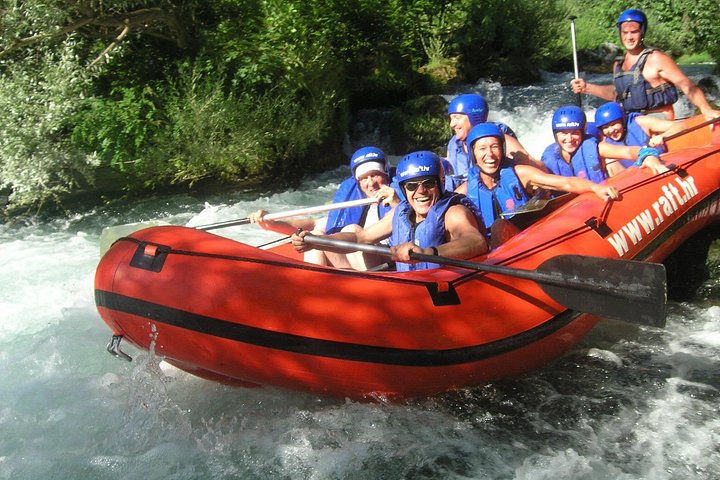
Omiš, about half an hour from Split, sits where the Cetina River leaves a deep canyon, and most adventure activities cluster around it. Rafting is the easiest introduction: you sit in an inflatable boat, paddle through gentle rapids and swim in pools, with guides doing the hard work. Canyoning is the next step, moving down a gorge on foot with abseils, slides, jumps and swims, using a wetsuit, helmet and harness. Zipline takes you across the canyon on a cable. The via ferrata climbs the cliff by the Fortica fortress on fixed cables, giving a taste of climbing without technical skills. A boat tour up the river is the gentlest way to see the same scenery. You can combine two activities in a day, such as a morning via ferrata and an afternoon of rafting, but rest between them.
Choosing by confidence
If you are nervous about heights, pick rafting or the boat tour. If you are comfortable with heights and swimming, canyoning and the via ferrata are the most rewarding. Fitness needs are modest, but good balance and a willingness to get wet help. Operators set minimum age, weight and health requirements, and some activities are not suitable for pregnancy, recent injuries or back and heart problems. Be honest at booking.
On the water at Split
A morning stand-up paddle tour gives a calm start to the day. Beginners are welcome, the boards are stable and guides run the route. The sea is flattest at first light, and a swim stop makes it a gentle workout. Sea kayaking and snorkelling trips are also available, and the beaches east and west of the centre are good places to swim after a day of sightseeing.
Quad and hill country
A quad safari takes you into the hills behind the coast on automatic bikes, with a picnic and a swim stop. It is dusty, bumpy and fun, and it suits friends and families with older children. For walkers, Marjan Hill has forest trails, viewpoints and chapels within a short distance of the old town, and it is the best free outdoor option in the city.
Season and weather
The best months are May, June, September and early October, when the weather is warm but not scorching, rivers are at a safe level and the countryside is green or golden. July and August can be very hot, so choose morning departures and carry water. Winter trips are limited, and heavy rain raises rivers and makes rock slippery, so operators may cancel. Always check conditions on the day.
What to wear and bring
Wear closed shoes with grip, quick-drying clothes, and a swimsuit under your clothes for river activities. Bring a towel, dry clothes, sunscreen, a hat, sunglasses with a strap and a refillable bottle. Leave jewellery and valuables at the hotel, keep your phone in a waterproof pouch, and eat a light meal before you start.
Safety and booking
Reputable operators brief you before each activity, supply helmets, harnesses and wetsuits, and keep groups small. Listen to the briefing, follow the guide's instructions and speak up if something feels wrong. Book the more popular rafting and canyoning departures a few days ahead in summer, and leave a buffer day in your plan for weather, since rivers and sea conditions can change a schedule at short notice.
Putting it together
A three-day active plan might be a morning paddle and an afternoon on Marjan on day one, a river day around Omiš with rafting and a boat tour on day two, and a quad safari or canyoning on day three. Between active days, plan a slow day of old-town sightseeing and a long dinner. Active travellers will leave with a different picture of Dalmatia: not only Roman stone and island beaches, but a rugged land of rivers, cliffs and hills.