Split is a city that changes character with the calendar. Summer is hot, bright and crowded; spring and early autumn are the sweet spot; and winter is quiet, mild and local. None of the seasons is wrong, but each suits a different kind of trip, and some experiences are only available at certain times.
Summer: July and August
This is peak season. Days are hot and dry, the sea is warm enough for easy swimming, and the Riva is packed from morning until late at night. Everything is open, boat tours and island ferries run at full frequency, and cultural events fill the evenings, including a summer festival that uses the palace courtyard as a stage. The trade-offs are heat in the middle of the day, cruise-ship crowds around the Peristyle and the highest prices of the year for rooms. Book hotels and day trips well ahead, start sightseeing early, rest in the afternoon and be out again once the light softens.
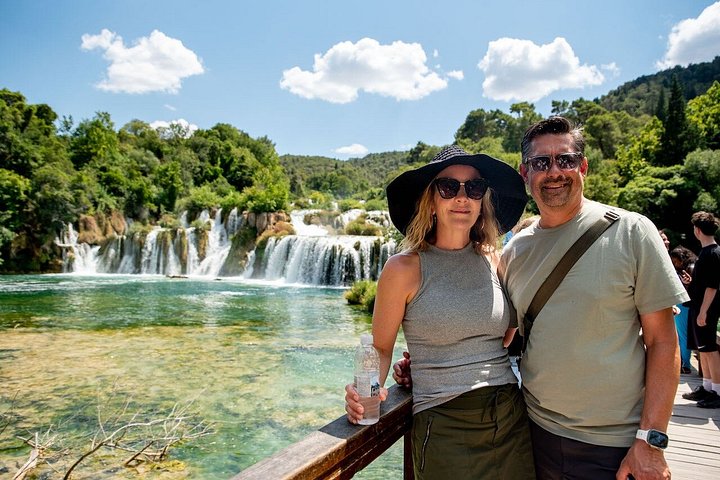
Late spring and early autumn: May, June, September and early October. For most visitors this is the best time. Temperatures are comfortable for walking, the sea is pleasant by early summer and stays warm into September, and the lanes are busy but manageable. The Blue Cave and Hvar boat trips operate, Krka is at its most rewarding, and the hill of Marjan is at its best for walking. In May the city celebrates its patron saint, St Domnius, with processions and events around the cathedral. If you can choose your dates, aim for these months.
Autumn: late October and November
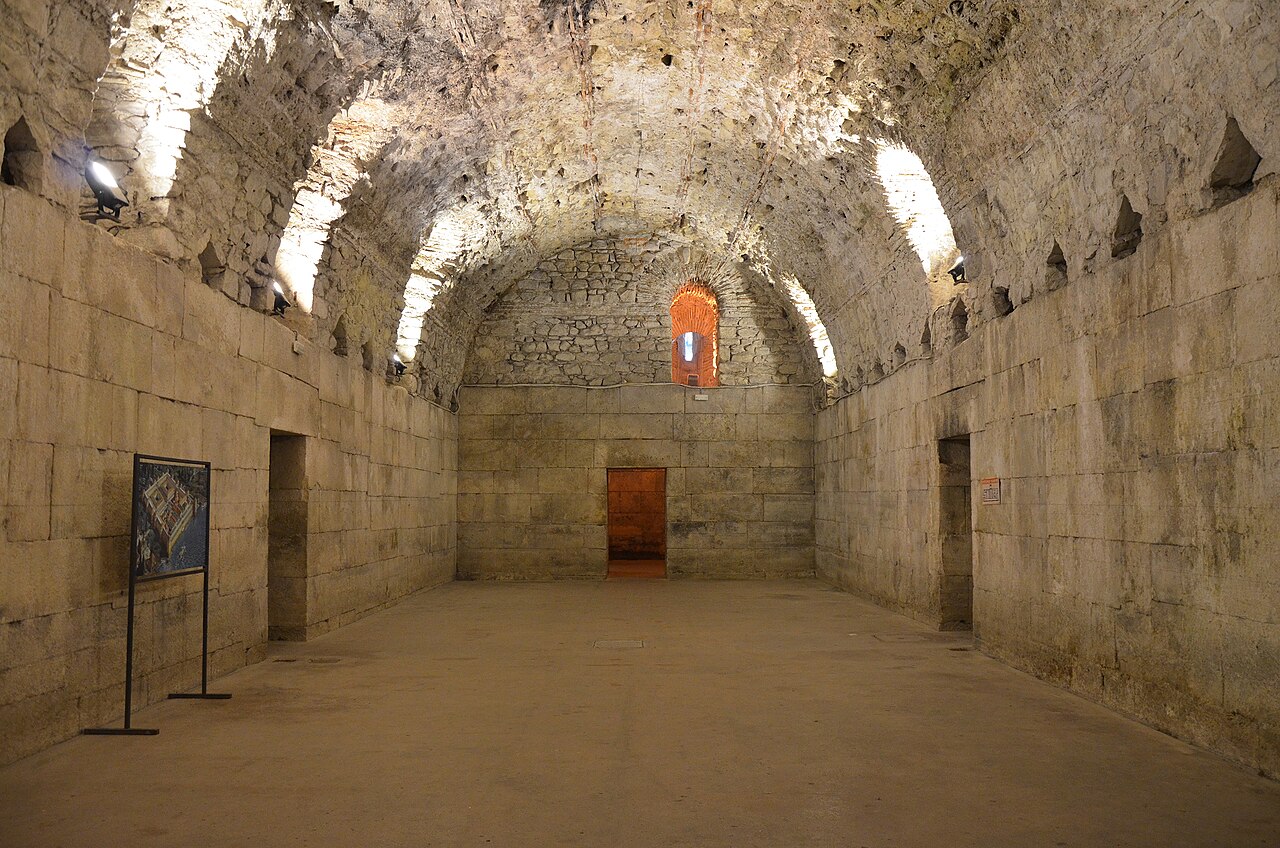
The summer crowds have gone, the light is soft and rates fall. The weather becomes less predictable, with rain more likely and the sea cooling, though warm days are still common. Seasonal boat trips wind down, so check whether your priority excursion is still running, and some island restaurants close for the year. It is a good time for the cellars, the cathedral, Salona, Klis, the gallery and long lunches indoors.
Winter: December to February
Split in winter is mild by European standards but can be wet, grey and windy. A cold wind from the north-east, the bura, can blow hard for a few days at a time and make boat crossings and exposed viewpoints unpleasant, while the southerly jugo brings humid, cloudy weather. The upside is a calm old town, lower hotel rates and a city that belongs to its residents. Many sights keep reduced winter hours, some restaurants close for a few weeks and the Blue Cave boats do not run, so build your days around the cellars, the cathedral, museums and cafes. Swimming is for the brave only.
Early spring: March and April
The city wakes up gradually. Café terraces return, the hills are green and wildflowers appear on Marjan, but the sea is still cold and some tours have not started. It is a good choice for walking and sightseeing with fewer people, as long as you pack a light waterproof layer.
What to pack
In summer bring sun protection, a hat, a refillable water bottle and sandals with grip for the polished stone. In winter bring a warm, wind-resistant jacket, waterproof shoes and an umbrella. In the shoulder seasons, layers cover most conditions.
Choosing by priority
For swimming and island days, go between June and September. For walking, photography and a balance of weather and calm, choose May, June, September or early October. For the cheapest rooms and a local atmosphere, go in winter and accept the trade-offs. For the Blue Cave, plan for the warm months. For Krka with the fullest programme of boats and swimming, summer and early autumn are best.
Events worth planning around
The summer festival season fills the Peristyle with music and theatre, and the feast of St Domnius in May brings the whole city onto the streets around the cathedral. Neither is essential, but both make a visit feel lived in rather than staged. Weekends in July and August are the busiest for ferries and for rooms, so midweek arrivals can ease both the price and the queues. Cruise ships tend to arrive in the morning and leave by late afternoon, so the old town often feels calmer from early evening, and again very early in the day.
One last tip
Wherever and whenever you go, check weekly closing days and winter hours before building a day around a single sight, and keep a flexible plan for weather days.