Three days is the sweet spot for Split. It is long enough to see the palace properly, climb the hill, visit the Roman ruins up the road and still take one big excursion, and short enough that you never feel you are filling time. This plan keeps each day geographically tight and builds in the slow hours that make Dalmatia enjoyable.
Day one: inside the palace
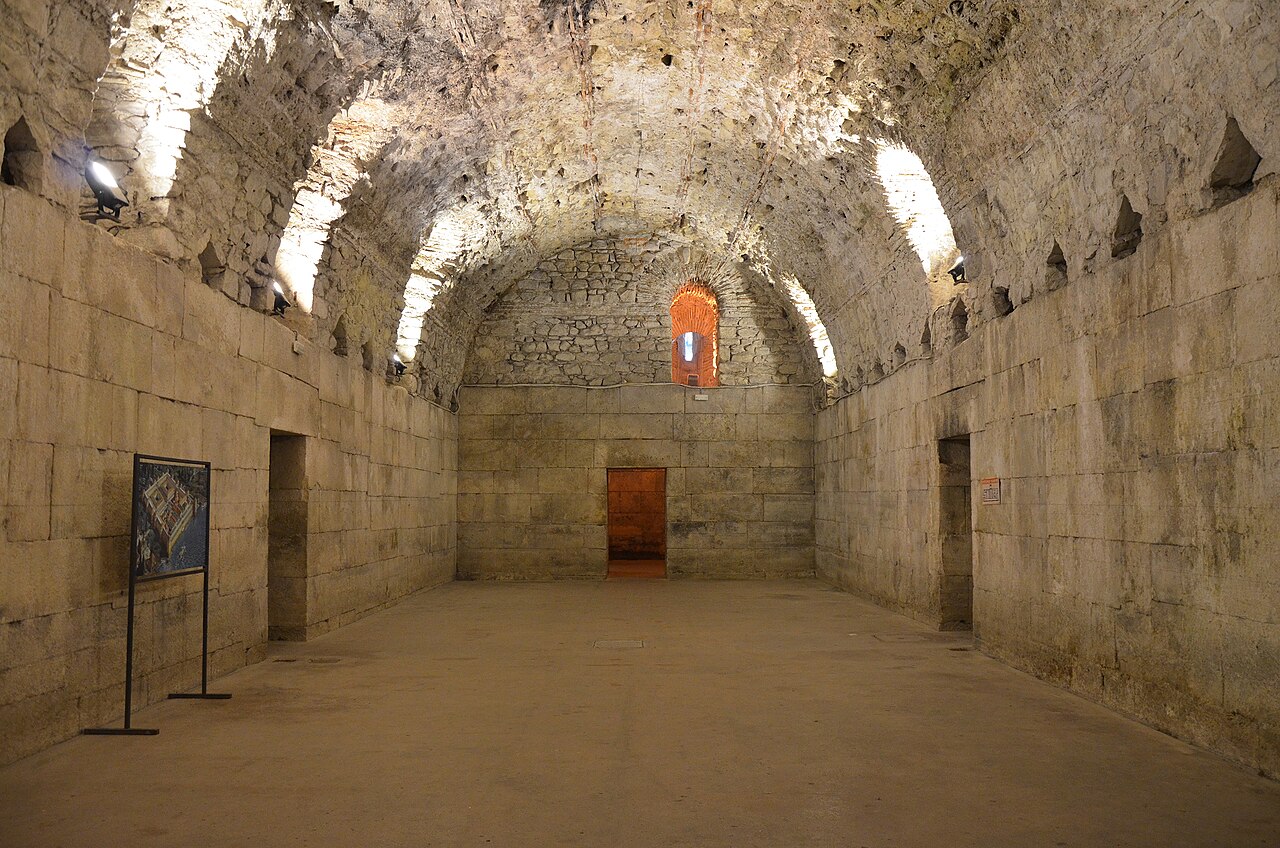
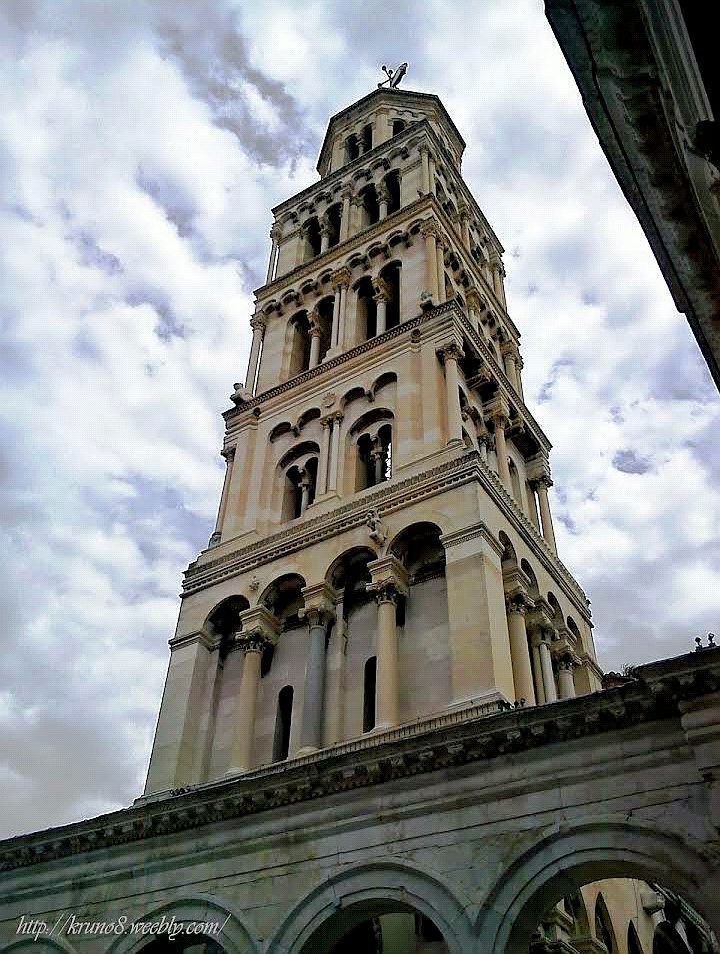
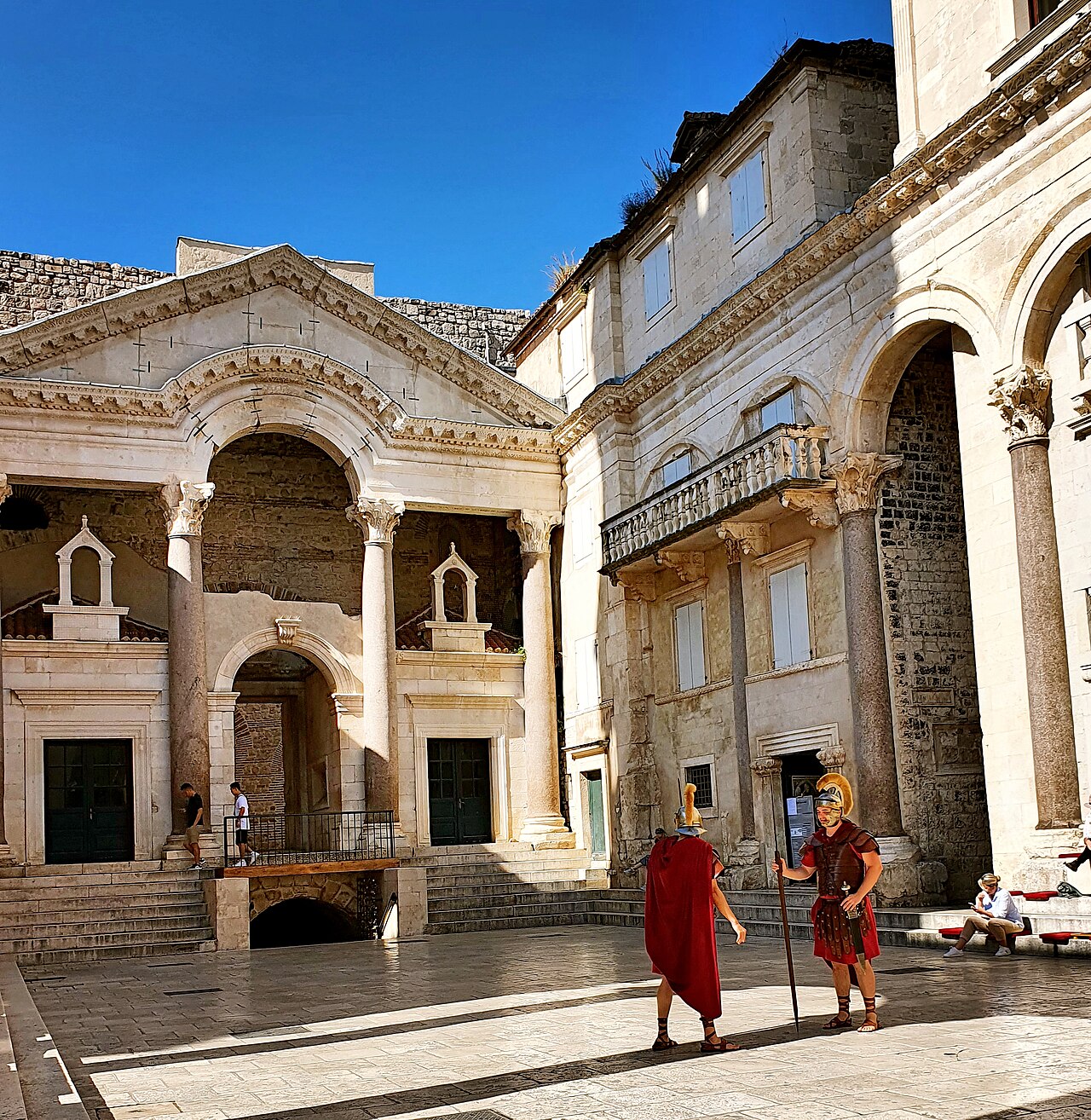
Start early on the Riva, the broad promenade beneath the south wall of Diocletian's Palace, and enter through the Bronze Gate into the vaulted cellars. The cellars are the best way to grasp the emperor's original floor plan, because the halls below mirror the rooms that once stood above. Then climb the steps to the Peristyle, the colonnaded courtyard at the heart of the palace, and look into the vestibule, the round open-roofed hall that leads to the imperial apartments. Join a guided walk if you can; the palace is free to roam, but the layers of Roman, medieval and Venetian building are easier to read with someone pointing them out. Spend the late morning on the cathedral of St Domnius, which began life as Diocletian's mausoleum, and climb the bell tower for a view over the terracotta roofs. Lunch away from the front, then rest in the heat of the afternoon. In the evening walk the Riva for the golden hour and stay out for dinner when the lanes fill.
Day two: Roman Salona, the fortress and the sculptor
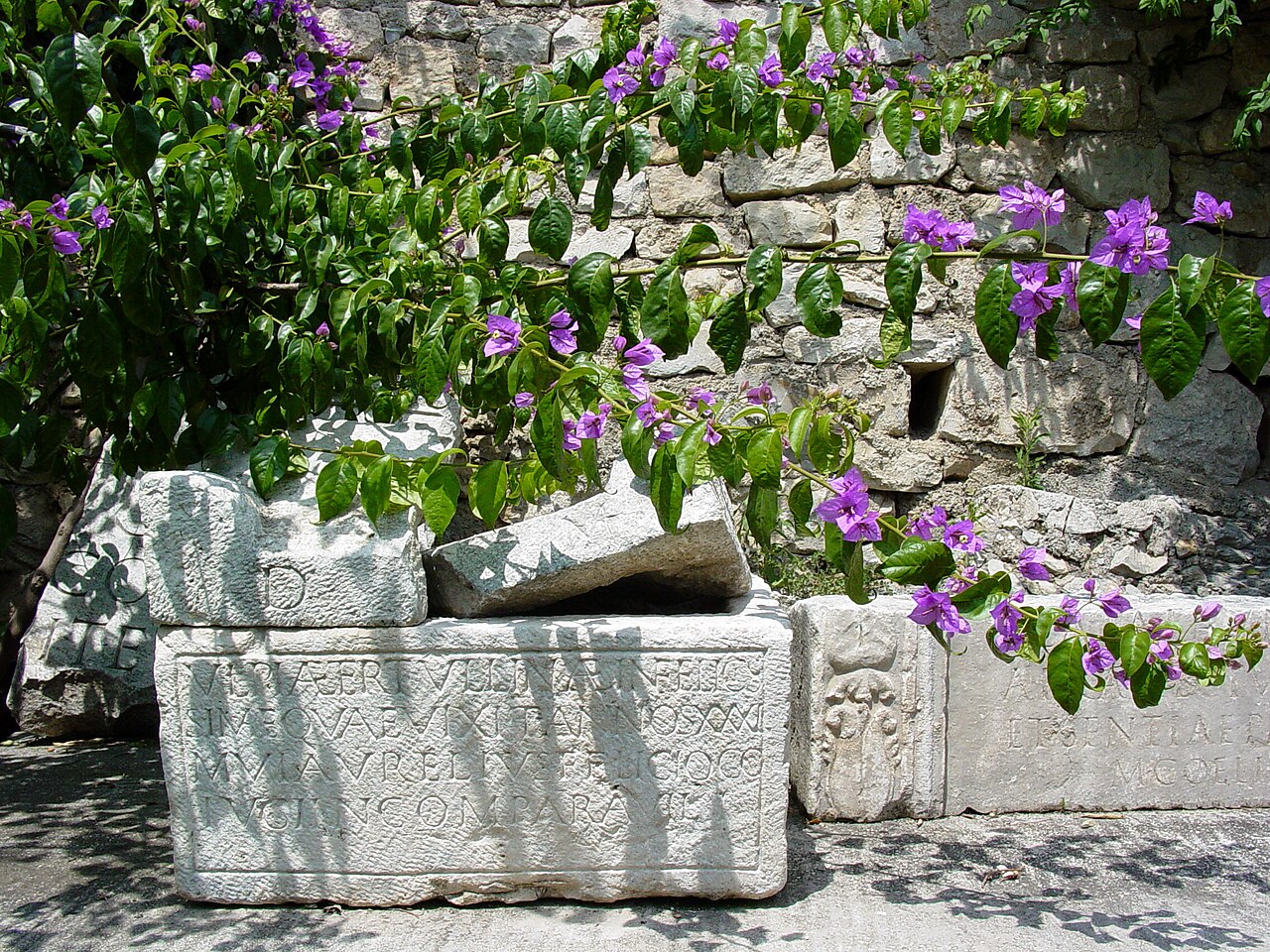
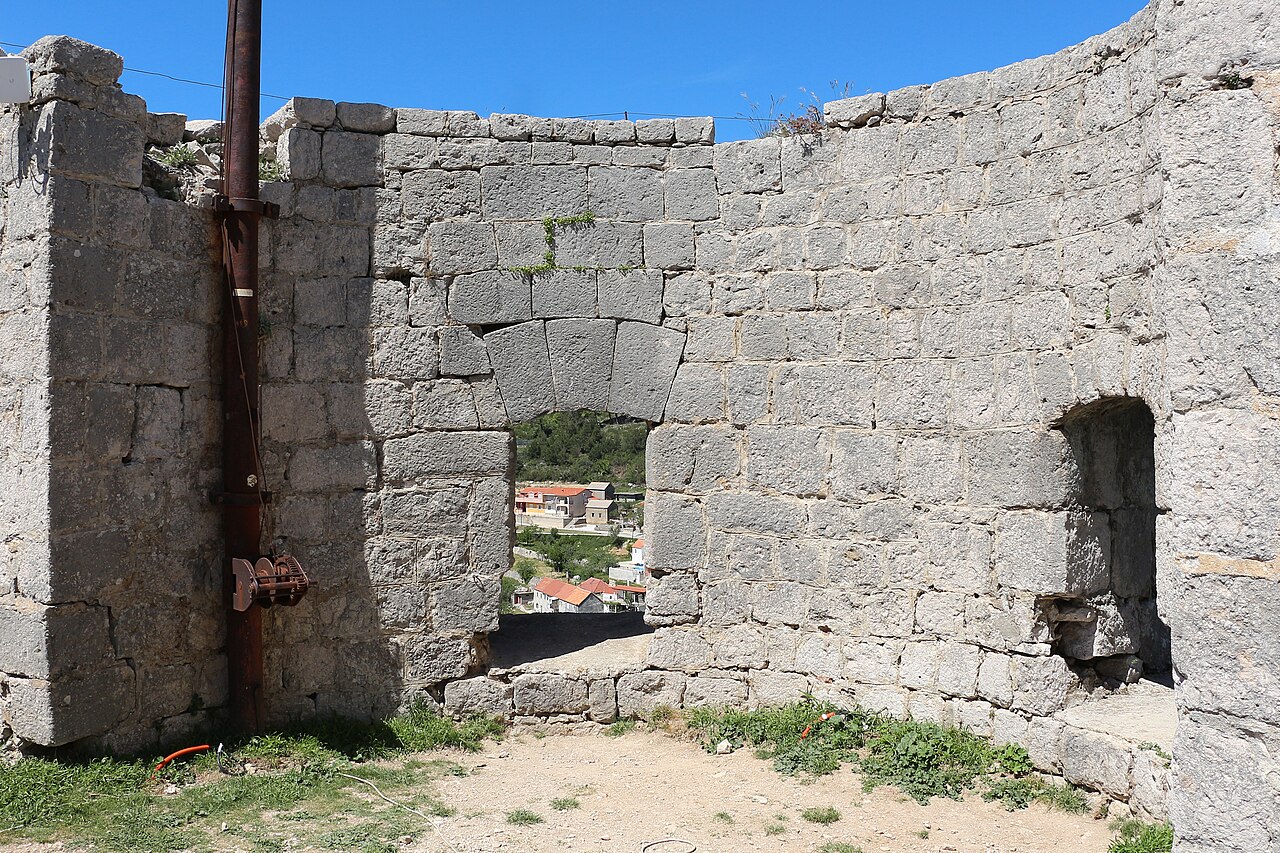
Spend the morning outside the walls. Salona, in the suburb of Solin, was the Roman capital of Dalmatia and is a spread-out site of ruins, an amphitheatre, early Christian basilica foundations and cemeteries. It is reached by local bus and takes roughly two hours at an easy pace. Klis Fortress sits on a rocky pass above the road to the interior, with sweeping views over the coast and a long military history; it is a short bus or taxi ride from Split and fits in the same half-day if you start early. Return for a late lunch and spend the afternoon at the Meštrović Gallery, the sculptor Ivan Meštrović's seaside villa on the Marjan side of town, which is closed on Mondays. If you have energy left, walk on to the foot of Marjan Hill for the first of the viewpoints.
Day three: choose your excursion
This is the day to match the plan to the season. In spring, summer and early autumn, a boat day to the Blue Cave and Hvar is the showpiece, with the sea at its calmest in the warm months. Krka National Park is the best all-round choice and works for much of the year, though swimming and some of the boat links are summer and early autumn features. Trogir is the easy option: a compact, walled island town about half an hour away that suits a relaxed morning and a long lunch. Plitvice Lakes is possible but is a very long day, so only choose it if waterfalls are your priority. Whichever you pick, book it ahead in the busy months and leave the evening free for a last meal on the Riva.
If you only have two days
Do day one as written and merge day two with a half-day trip, choosing either Salona and Klis or Trogir. Drop the gallery and see Marjan on foot at sunset on the way back to the old town.
If you have a fourth day
Spend it on Marjan, which rewards slow walking. The path to the Vidilica viewpoint is short, the forest park offers longer ridge walks, and the little hermit chapels on the slopes make good rest stops. The hill is also the right choice on a hot afternoon, when the pine shade is cooler than the old town.
Pacing tips
Rest through the hottest hours in summer, plan the big sights for early morning, and expect crowds around the Peristyle when cruise groups arrive. Wear shoes with grip, because the polished limestone is slippery in rain. Carry some euros for small entries and market stalls, though cards are widely accepted. Check the closing day of any museum you are building a morning around, and confirm winter hours at the cellars, the bell tower and the parks before you commit.
Where to sleep
For a three-day trip, a hotel inside the palace quarter saves time and lets you see the lanes at dawn and after dark, when the day visitors have gone. See our hotel picks and the where-to-stay guide for how the old town, Bačvice and Žnjan compare.