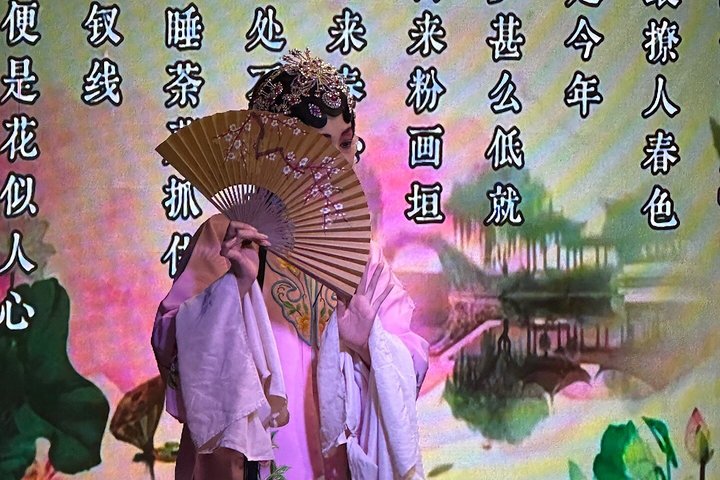
Pingtan is the sound of old Suzhou. It combines two traditions, pinghua, which is spoken storytelling, and tanci, which is sung narrative, and it is performed in the soft Suzhou dialect by one or two performers seated on a small stage with a table and a fan, accompanied by a three-stringed sanxian and a pipa lute. Stories are drawn from history, legend and romance, and a long tale may be told across many sessions, in the manner of a serial, with the performer playing every role by voice and gesture alone. The art form grew up in Suzhou and the surrounding region in the Ming and Qing dynasties, and it flourished in teahouses, where audiences sipped tea and listened for hours. It is recognised as an important piece of China’s intangible cultural heritage and is closely linked with the other Suzhou performing art, Kunqu, which is why the two are often presented together. Even if you do not understand the dialect, the experience is worth having for the rhythm of the voice, the delicate playing and the setting, which is usually an old building in the lanes near the canal. It pairs well with Kunqu for a full evening of regional culture.
Where to find it
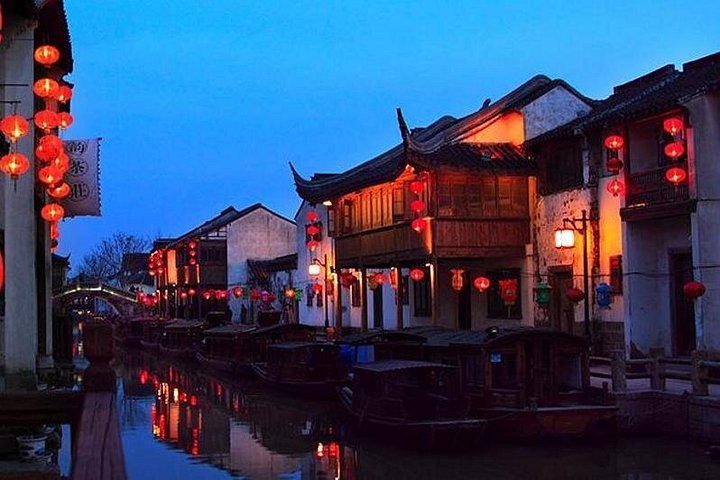
Pingjiang Road and the lanes around it are the heart of the scene. There is a museum on the street dedicated to the art, housed in a traditional building with a small theatre, and nearby teahouses and small venues put on regular performances, usually in the afternoon and evening. Schedules vary, so check the day’s programme at the door or ask your hotel. A teahouse session typically involves a cup of tea, a few snacks and a performance of about an hour, in a room with wooden tables and carved screens.
What to expect
Performances are in the Suzhou dialect, so unless you speak it, you will follow by mood rather than words. Some venues offer subtitles or a printed synopsis of the story, and a few offer short, simplified sessions for visitors that include an explanation of the instruments and the singing styles.
The sanxian and pipa are plucked, bright and quick, and the voice slides and bends in a way that is quite different from the other forms of Chinese singing you may have heard. A singer may switch between narrative and song within a single piece, often with comic asides.
Day tours
A private tour that combines the gardens with Kunqu and Pingtan, plus lunch, is available from local operators, and it can be a convenient way to see both art forms in one day without working out the venues yourself. Ask the operator what the performance involves and how long it lasts, since the details vary.
Making the most of it
Arrive a little early for a good seat near the stage, order tea, and read a short synopsis if one is offered. Keep your phone quiet, because the audience is usually made up of local regulars who take the art seriously. If the performance is not for you, a short visit to the museum on Pingjiang Road gives a good introduction in a few minutes, with costumes, instruments and recordings.
Who it suits
Culture lovers, music fans and anyone who likes to see a living tradition rather than a museum display. It is best for adults and older children, as the long, slow storytelling may test younger ones, and it is a lovely way to spend a rainy afternoon.
What to expect
The experience
Spoken storytelling and ballad singing in the Suzhou dialect, with sanxian and pipa accompaniment, usually in a teahouse.
Best time
Afternoons and evenings, in a teahouse or small theatre near Pingjiang Road.
How long
About an hour for a performance, or a full day on a tour that includes Kunqu and the gardens.
Tips
Ask for a synopsis, arrive early for a seat near the stage, order tea and keep your phone quiet.
Quick picks
- Best for
- Culture and music lovers who want a living tradition rather than a museum display.
- Families
- Better for older children, as the long storytelling is in dialect and moves slowly.
- Couples
- A teahouse afternoon on a rainy day, followed by a canal-side dinner.
- Pair with
- Kunqu opera and Pingjiang Road.
- Time needed
- One to two hours, or a full day with a tour.
Good questions
What is Pingtan?+
It is a Suzhou art form combining spoken storytelling and sung narrative, performed in the local dialect with sanxian and pipa accompaniment.
Do I need to understand Chinese?+
You will follow more with some Chinese, and the performances are in the Suzhou dialect. Even without it, the voice and the music are worth hearing, and some venues offer a synopsis.
Where can I see it?+
Pingjiang Road and the nearby lanes have a museum and several teahouses and small venues with regular sessions.
How long is a performance?+
A typical teahouse session lasts about an hour, though full stories run across many sessions.
Is it related to Kunqu?+
They are separate art forms from the same region, and they are often presented together, which makes them a good pair for an evening of local culture.