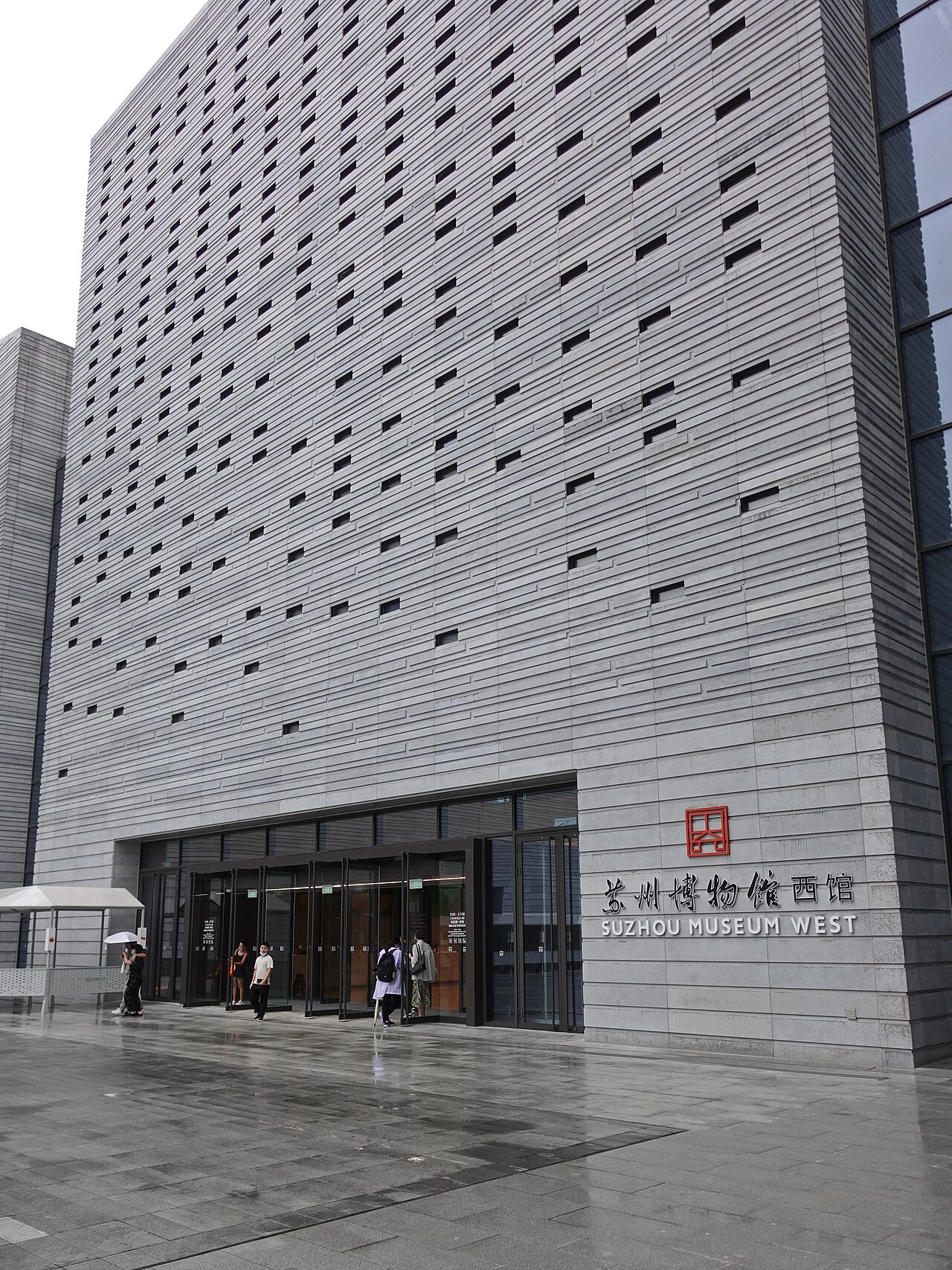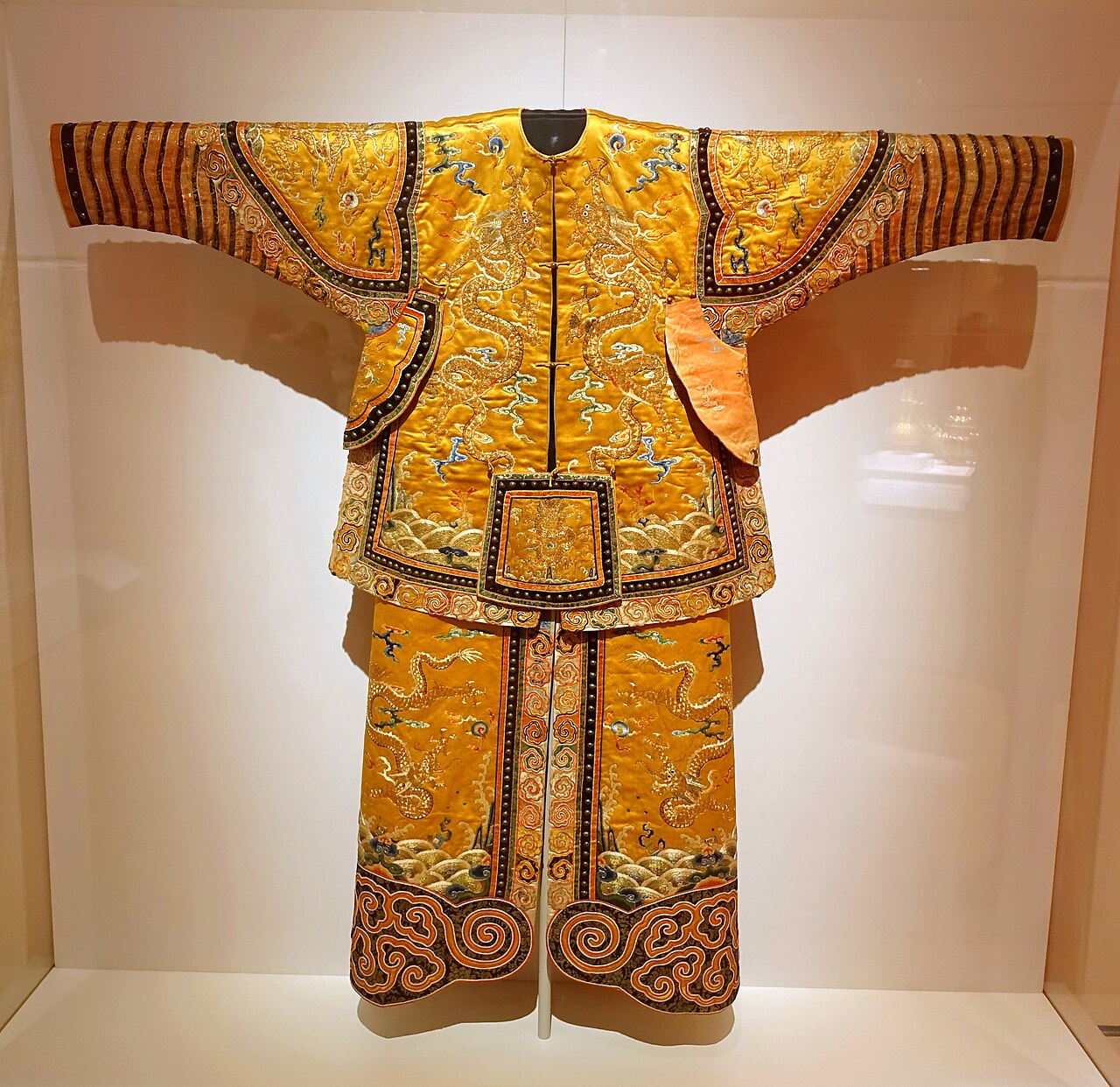
Suzhou has been a silk capital for centuries, and the Suzhou Silk Museum, opened in 1991 as the first Chinese museum specialising in silk, tells that story well. It stands near the Beisi Pagoda at 2001 Renmin Road in the old city and covers about 9,500 square metres in six exhibition areas: the History Hall, Modern Silk, Future Silk, Mulberry Yard, Silk Weaving Machinery and the Silk Cultural Art Gallery. The History Hall follows silk through sericulture, weaving and dyeing, with sections on Qing imperial weaving, Republican-era garments and intangible heritage. In the Mulberry Yard you can see mulberry trees and silkworm rearing, and visitors can watch traditional weaving on old looms, which is the highlight for many people. Admission is free, and the museum is also a research base for weaving crafts recognised as intangible cultural heritage, with a reproduction centre working on historic textiles. It is a calm, informative stop and a good way to understand what you are looking at before you shop for silk in the city.
Hours and getting there
The museum opens at nine and closes at five, with last entry at four, and it is closed on Mondays except national holidays. Metro Line 4 at Beisita is the practical stop, and the Beisi Pagoda next door is worth a look. Admission is free, but check whether a reservation or passport check is required on the day, as rules in China change. Allow about an hour to ninety minutes.
What to see
Start in the History Hall to see how silk moved from the mulberry leaf to the finished robe, then move to the weaving machinery section, where large looms show how patterned silks were made. The Mulberry Yard is pleasant for children, especially in the season when silkworms are being raised. Textile enthusiasts should look for the Qing imperial pieces and the modern and future silk areas, which show new uses for the fibre.
Shopping tips
Silk shops in Suzhou range from honest workshops to tourist traps. After the museum you will know the difference between real silk and polyester, and you can look for a shop that explains its products. Some private day tours include a silk factory stop, and these can involve a sales pitch, so ask in advance if that is not what you want.
The museum itself has no pressure to buy, which is part of its charm, and a visit here makes a good first stop for a day that covers the north of the old city.
What to expect
The experience
A free museum with six exhibition areas, mulberry gardens and demonstrations of traditional weaving.
Best time
Weekday mornings, and any rainy day.
How long
One to one and a half hours.
Tips
Closed on Mondays, check for any passport or booking rule on the day, visit before you shop for silk and ask day-tour guides about shop stops.
Quick picks
- Best for
- Craft and textile fans, and anyone who plans to buy silk in Suzhou.
- Families
- Children like the silkworms in the Mulberry Yard and the large looms, and entry costs nothing.
- Couples
- A relaxed hour before lunch in the old city, then a walk to Pingjiang Road.
- Pair with
- Pingjiang Road, the Beisi Pagoda and the Humble Administrator’s Garden.
- Time needed
- About an hour and a half.
Good questions
Is the Suzhou Silk Museum free?+
Yes, admission is free. Check the day’s entry rules, as passport or booking requirements can change.
When is it closed?+
It is closed on Mondays except national holidays, and last entry is at four in the afternoon.
Can I see silk being woven?+
Yes, the museum shows traditional weaving, and the machinery hall displays large historic looms.
How long does a visit take?+
An hour to ninety minutes is enough for the main halls and the Mulberry Yard.
How do I get there?+
Take Metro Line 4 to Beisita, near the Beisi Pagoda on Renmin Road. A taxi from the main gardens is also easy.