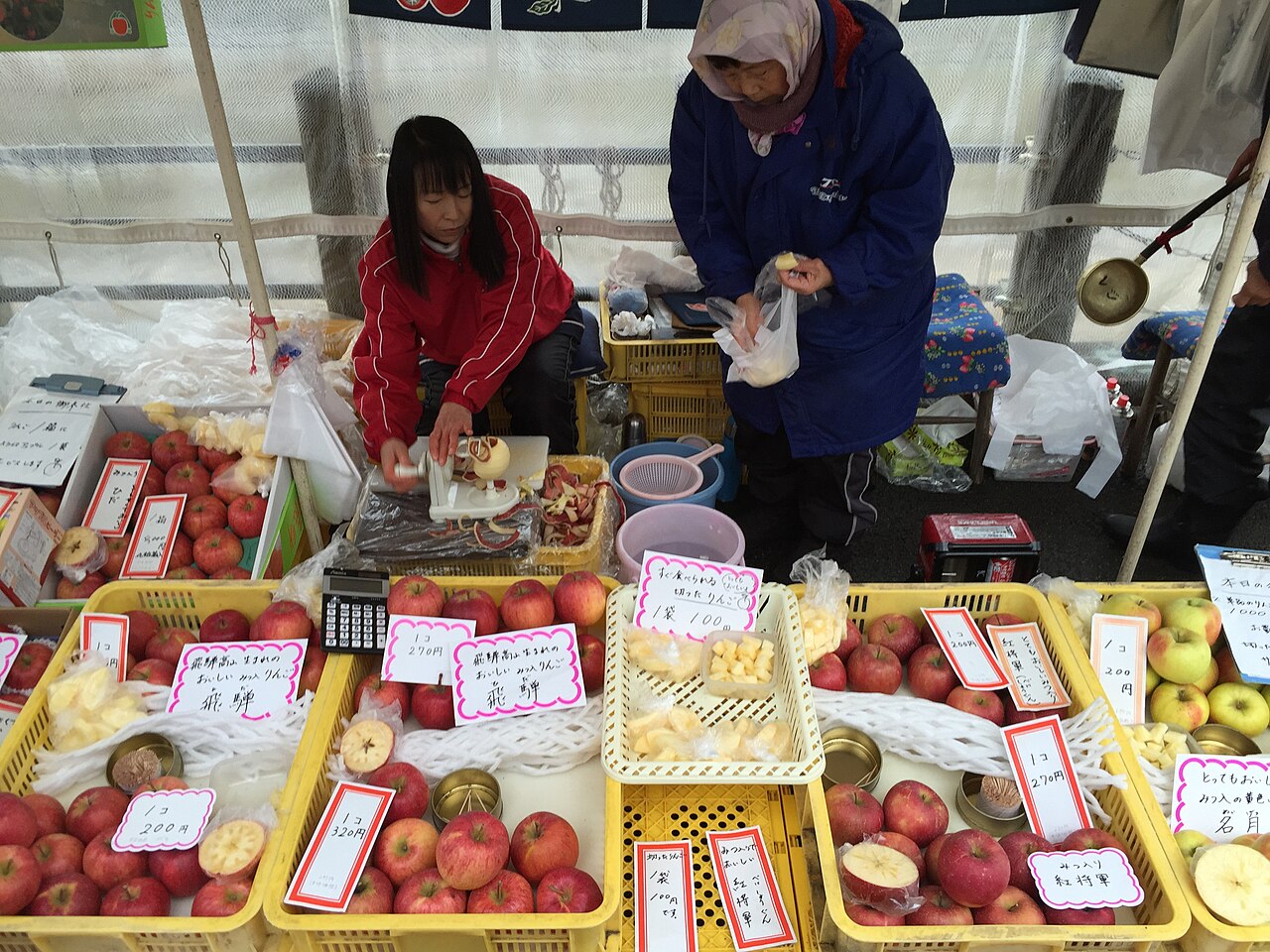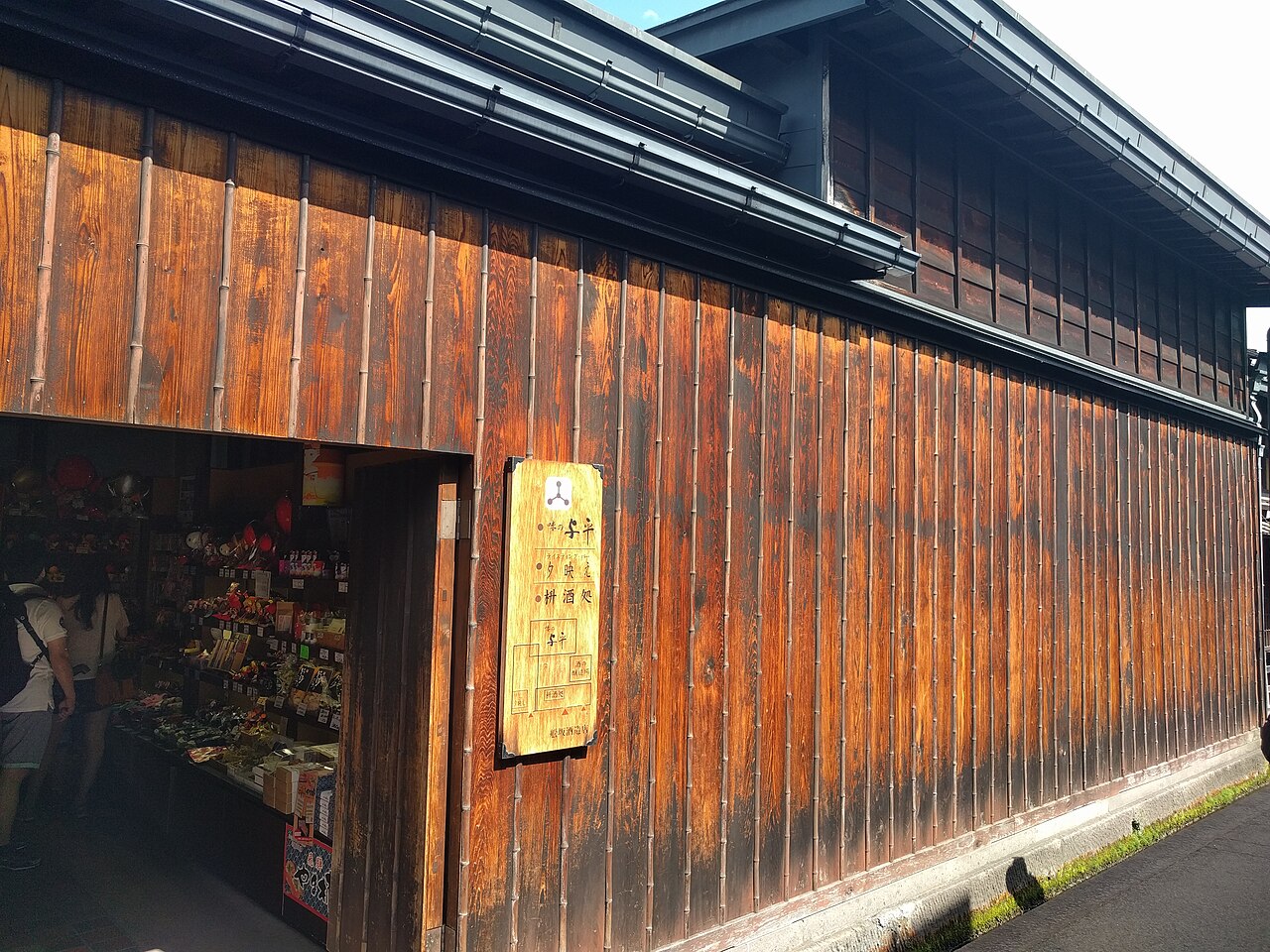
Sanmachi Suji is the old merchant quarter of Takayama, a compact grid of three parallel streets lined with wooden townhouses that have kept their deep eaves, latticed fronts and dark-stained timber since the Edo period. Narrow channels of clear water run beside the lanes, and the mountains close in behind the rooftops, which gives the district the quiet, slightly sooty look of a woodcut. Many houses are still working businesses: sake breweries marked by green cedar balls hung under the eaves, miso and pickle shops, woodcraft studios, tea sellers and small cafes serving Hida beef skewers and rice dumplings. Because Takayama grew rich on timber and skilled carpenters, the buildings themselves are the attraction, and the street needs no ticket. A few merchant houses open their interiors for a small fee, and the lanes connect easily to the morning markets, the Jinya and the temple hillside to the east. It is a place for slow walking rather than a checklist, and an hour will show you the look of it while a half day lets you taste and shop.
The district survived because Takayama sat in the mountains, away from the wars and bombing that flattened many castle towns, and because the local lords kept a tight grip on trade. Merchants here competed through craft rather than size, so the houses are modest in width but beautifully joined, with carpenters from the Hida region famous across Japan for their joinery. That tradition is why the lanes feel so consistent: the same rust-brown lattice, the same low second storey, the same hanging sugidama balls that announce a new batch of sake.
How to spend your time
Start at the southern end near the Miyagawa river and walk north, ducking into one or two shops rather than all of them. Taste a sip of sake where the brewery offers it, buy a small box of local pickles or a hand-carved souvenir, and look for the red faceless sarubobo charm dolls that are a Takayama good-luck symbol.
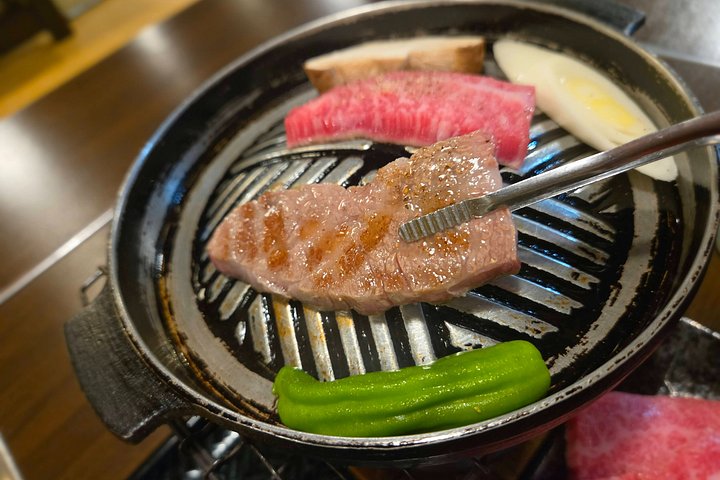
If you want inside a merchant house, pick one and give it half an hour; the beams and the garden courtyards are the point. Cafes and food stalls cluster along the main lane, with Hida beef skewers and mochi-style snacks the common street food.
Timing and winter notes
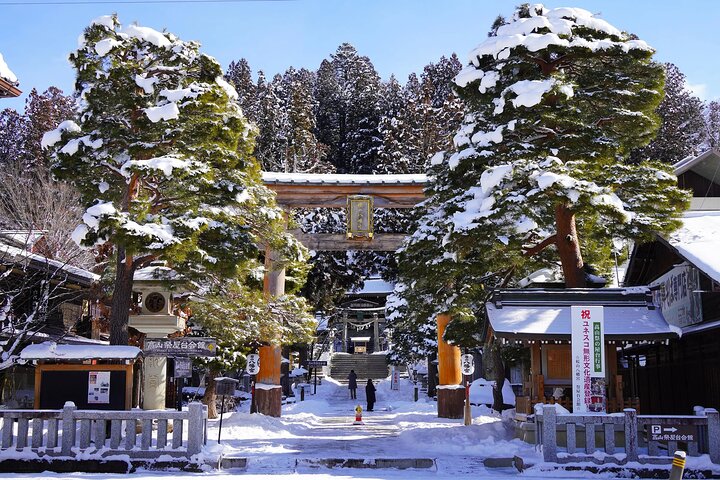
The lanes are at their best in the early morning and around dusk, when tour groups are at their hotels and the lanterns and wooden fronts glow. Many shops close in the late afternoon, so do your buying before about five. In November the air turns crisp and the autumn colour on the hills behind is the backdrop; from December to February a dusting of snow can settle on the roofs, the stone pavements get slippery, and shorter opening hours apply, so wear proper shoes.
The district is flat and compact, about a ten to fifteen minute walk from the station, and works equally well as an unhurried evening stroll after a day trip to the mountains.
What to expect
The experience
A self-guided walk through three parallel lanes of preserved merchant houses, with sake tasting rooms, craft shops and snack stalls to dip into along the way.
Best time
Early morning before the crowds, or the last hour of daylight when the wooden fronts glow and the shops are winding down.
How long
One hour for the main lane, up to half a day if you taste, shop and enter a merchant house.
Tips
Carry small change for snacks and tastings, wear shoes with grip in winter, and buy before the late-afternoon closing time.
Quick picks
- Best for
- Every first-timer, since it is free, central and shows exactly why Takayama is worth the journey.
- Families
- Easy and flat, with plenty of snacks to keep children happy; watch for narrow lanes with bicycles and the occasional delivery van.
- Couples
- Walk it at dusk, share a skewer, then dinner nearby and a late stroll along the quiet river.
- Pair with
- The morning markets by the Miyagawa river, the Jinya and a sake brewery tasting.
- Time needed
- One to two hours, longer with tastings or a merchant house visit.
Good questions
Is Sanmachi Suji free to visit?+
Yes, walking the lanes costs nothing and there are no gates or tickets. A few preserved merchant houses and the breweries ask for a small fee or a tasting purchase if you go inside.
How long does it take to walk Sanmachi Suji?+
The three main streets can be seen in about an hour at a relaxed pace. Allow half a day if you want to taste sake, browse crafts and visit a merchant house.
What are the cedar balls hanging outside shops?+
They are sugidama, balls of cedar leaves hung under the eaves of sake breweries. A fresh green ball means a new brew is ready, and it browns as the season goes on.
Is the old town open in winter?+
Yes, the lanes are open all year, and snow makes them especially photogenic. Some shops shorten their hours or close on certain days in the cold months, so go earlier in the day and check what is open.
How far is it from Takayama Station?+
It is about a ten to fifteen minute walk from the station through the town centre. Most hotels in this guide are within a comfortable stroll of the lanes.