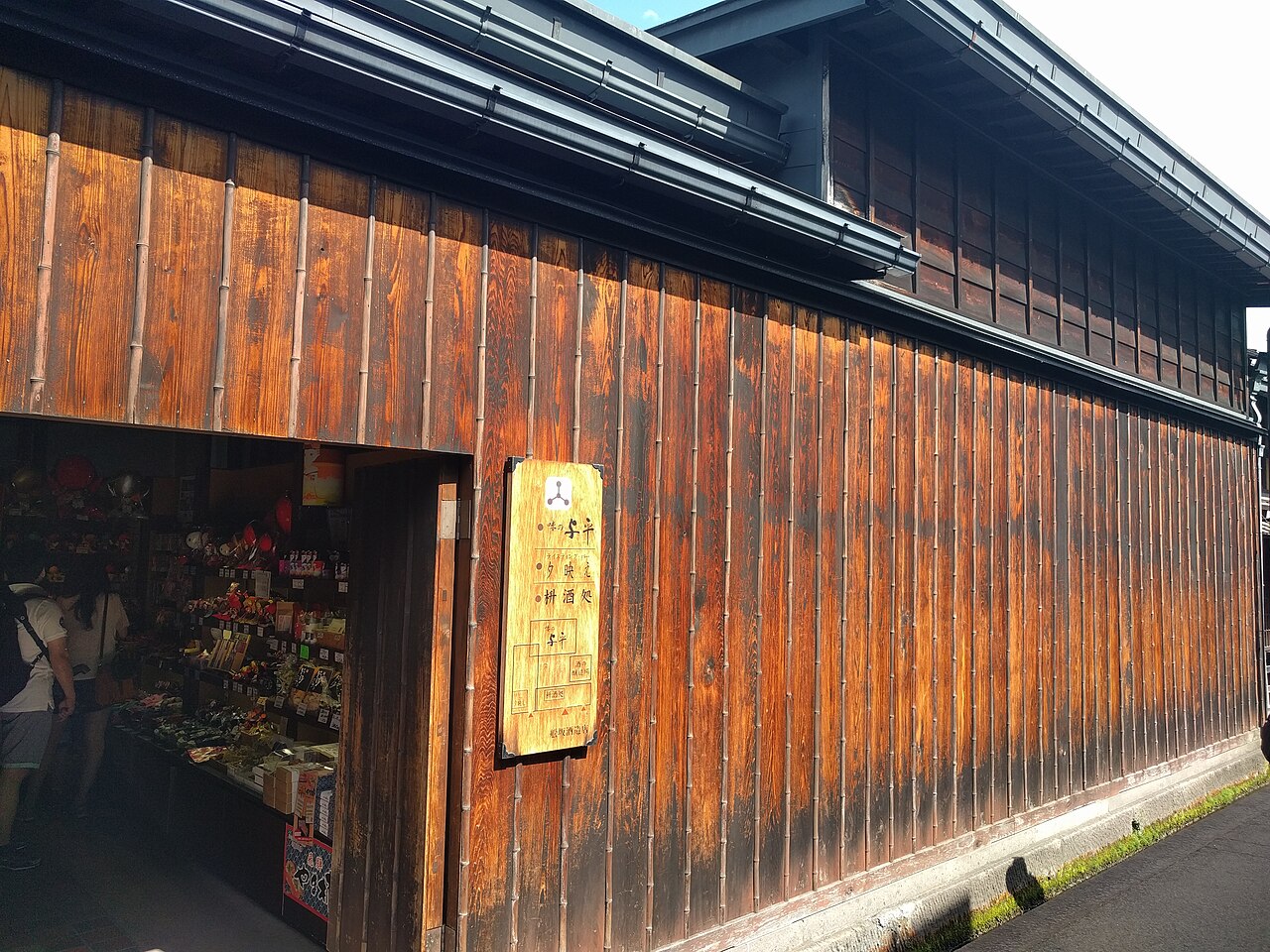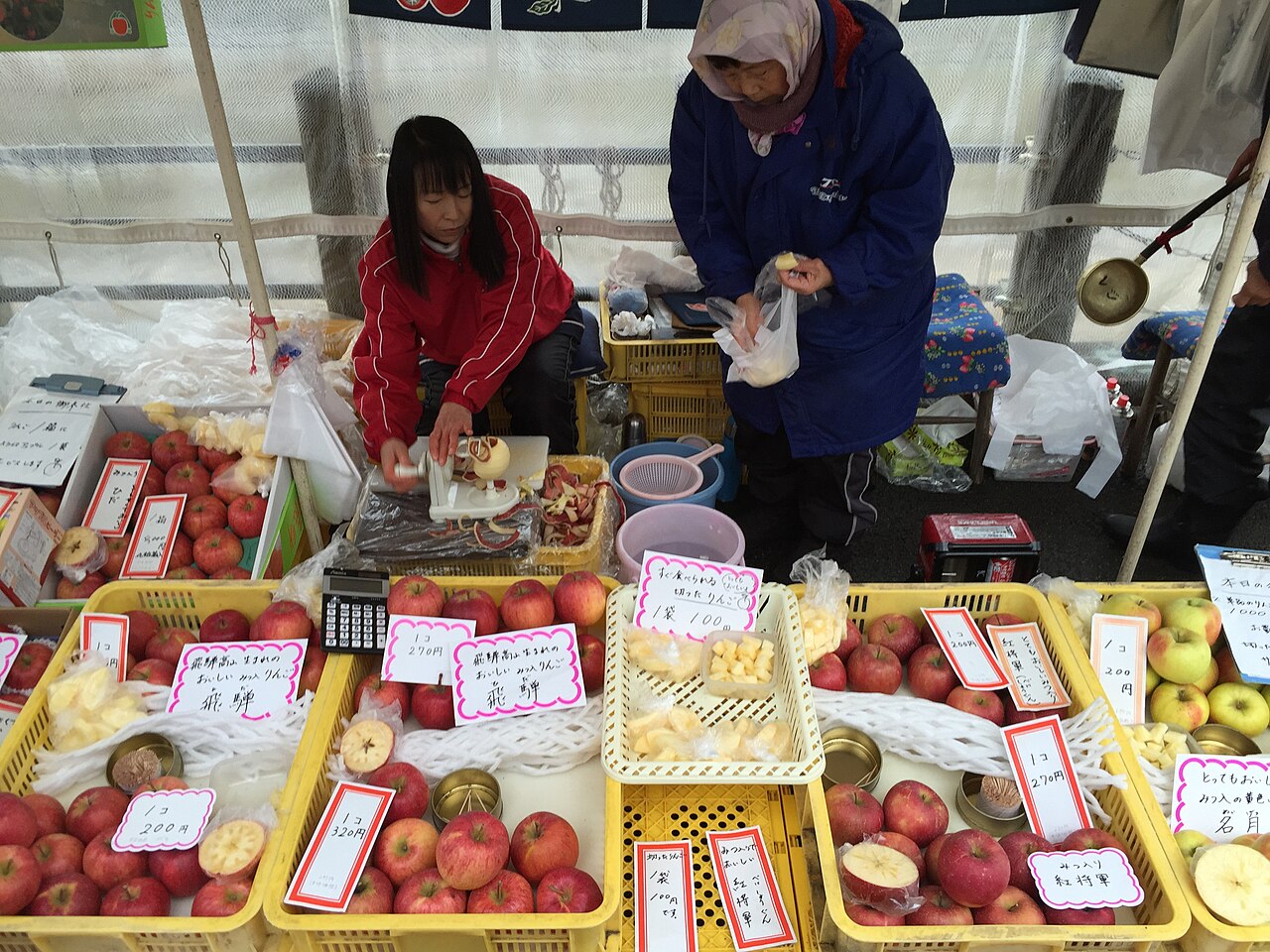
Takayama Jinya is the last remaining gundai, or regional magistrate's office, from the Tokugawa shogunate, and it gives a rare look at how Edo-era Japan was governed. From 1692 the shogunate ruled the Hida region directly because of its valuable timber and mines, and this complex was the administrative seat. Today you walk through long tatami corridors, a formal audience hall, the interrogation room, the kitchen and the garden, all in the original dark wood, with a large storehouse for the rice taxes in the grounds. The buildings are quiet and plain compared with a castle, but that is part of the charm: you see the paperwork side of feudal power, not the swords. Admission is modest, and under-eighteens are free. A private guided walk that includes the Jinya and the old town is available if you want the history explained as you go, and the morning market sets up just outside the gate. Winter hours are shorter, so plan a visit earlier in the day.
Why it matters
After the Tokugawa took the Hida region in the seventeenth century, they installed administrators from Edo to collect taxes in timber and rice and to keep order. The Jinya housed that machinery for almost two hundred years, and after the Meiji Restoration it continued as a local government office well into the twentieth century. That long continuous use is the reason so much survives. The rooms are set up with simple furnishings and models, and English information is available, so you can follow the story without a guide.
What to look for
The audience hall where magistrates met petitioners, the white-sand courtyard where cases were heard, the long storehouse with its thick timbers and the magistrate residence rooms at the back, where the tatami and sliding screens show how a magistrate's family lived. The garden is pleasant in every season, and in autumn the maples around the compound turn red. Allow around an hour for a relaxed visit. Take off your shoes at the entrance and carry them in the bag provided, so thick socks are a good idea from November to March.
Seasonal planning notes
From November to March the Jinya opens at a quarter to nine and closes at four-thirty, with the ticket window shutting half an hour earlier, and it is closed during the year-end and New Year holidays from late December to early January. It may also close briefly for inspections or storms, so check before you go.
Pair it with the morning market in front of the gate and the old town lanes five minutes away, and consider a guided walk if you like context. Most visitors find it quietest soon after opening or in the last hour before closing.
What to expect
The experience
A self-paced walk through preserved tatami halls, courtroom rooms and a rice storehouse, with English information and a pleasant garden.
Best time
Soon after opening, or in the last hour before closing, when it is quiet; in winter it closes earlier, at half past four.
How long
About an hour for a relaxed visit, longer if you read every display.
Tips
Wear socks, since shoes come off; check the year-end closure; and combine it with the market outside and the old town lanes.
Quick picks
- Best for
- History lovers and anyone curious about how feudal Japan was run day to day.
- Families
- Older children who like samurai stories will enjoy it; young ones may tire of the quiet rooms, though the garden helps.
- Couples
- A calm, unhurried hour, ideal after the morning market and before lunch in the old town.
- Pair with
- The morning market out front, Sanmachi Suji and the Festival Floats Exhibition Hall.
- Time needed
- One hour, plus extra if you take a guided walk.
Good questions
What is Takayama Jinya?+
It is the only surviving regional government office of the Edo shogunate in Japan. It served as the administrative seat for the Hida region from the late seventeenth century.
Are there English explanations?+
Yes, there is English information throughout the rooms and written guides, so a guide is optional. A guided walk adds stories and context if you prefer.
When is the Jinya closed?+
It is closed over the year-end and New Year holidays, from late December into early January. It can also close briefly for inspections or severe weather, so confirm before you go.
What are the winter opening hours?+
From November to March it opens in the morning and closes in the late afternoon, about half an hour earlier than in summer. The ticket window closes thirty minutes before the doors.
Is it suitable for children?+
Children under eighteen enter free and many enjoy the courtroom and storehouse. Keep younger ones close, since the corridors are quiet and the floors are tatami.