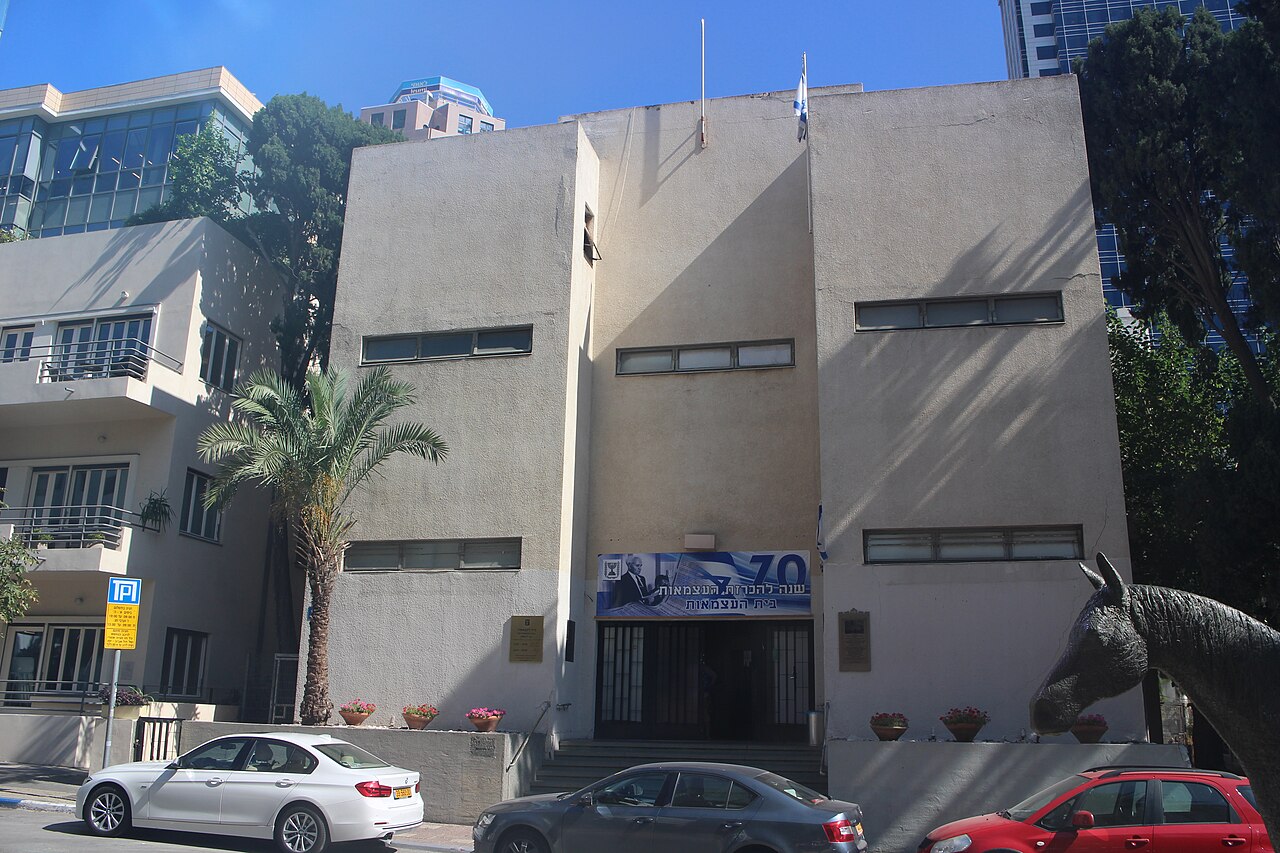
Independence Hall stands at 16 Rothschild Boulevard, in the former home of Meir Dizengoff, who was Tel Aviv’s first mayor. The building is one of the few survivors from Ahuzat Bayit, the neighborhood that grew into the city. On a Friday afternoon in May 1948, the hall was the setting for the declaration of the State of Israel, and the room has been preserved much as it looked that day. The names of the attendees appear on the chairs and walls, a portrait of Theodor Herzl hangs above the stage between two long flags, and a recording of David Ben-Gurion reading the Declaration can be heard. Exhibits mix original items with careful reconstructions, and the scale is intimate, which is part of the appeal. It is not a sprawling museum, so the visit is quick, and it fits easily into a walk along the boulevard. Visitors with a particular interest in modern Israeli history will find that the room tells the story better than a long text panel could.
Why it matters
Few buildings in Tel Aviv carry as much weight in so little space. Standing in the room where the Declaration was read helps explain how a small seaside city became the stage for a national moment, and the early-twentieth-century house gives a sense of how modest the surroundings of the new city really were. Even travelers who do not follow history closely tend to find the room affecting.
How to visit
The hall is a small museum with regular opening hours that run through the week and shorten on Fridays, and admission has been modest, though ticket arrangements and free days can change, so confirm details before you go. A visit usually takes under an hour. Hours around the Sabbath and Jewish holidays are limited, so a weekday morning is the safest bet.
The rooms are compact, so the visit is quiet early in the day and can be busier when tour groups arrive. Wear comfortable shoes, since you will most likely be walking the boulevard before or after.
Pair it with
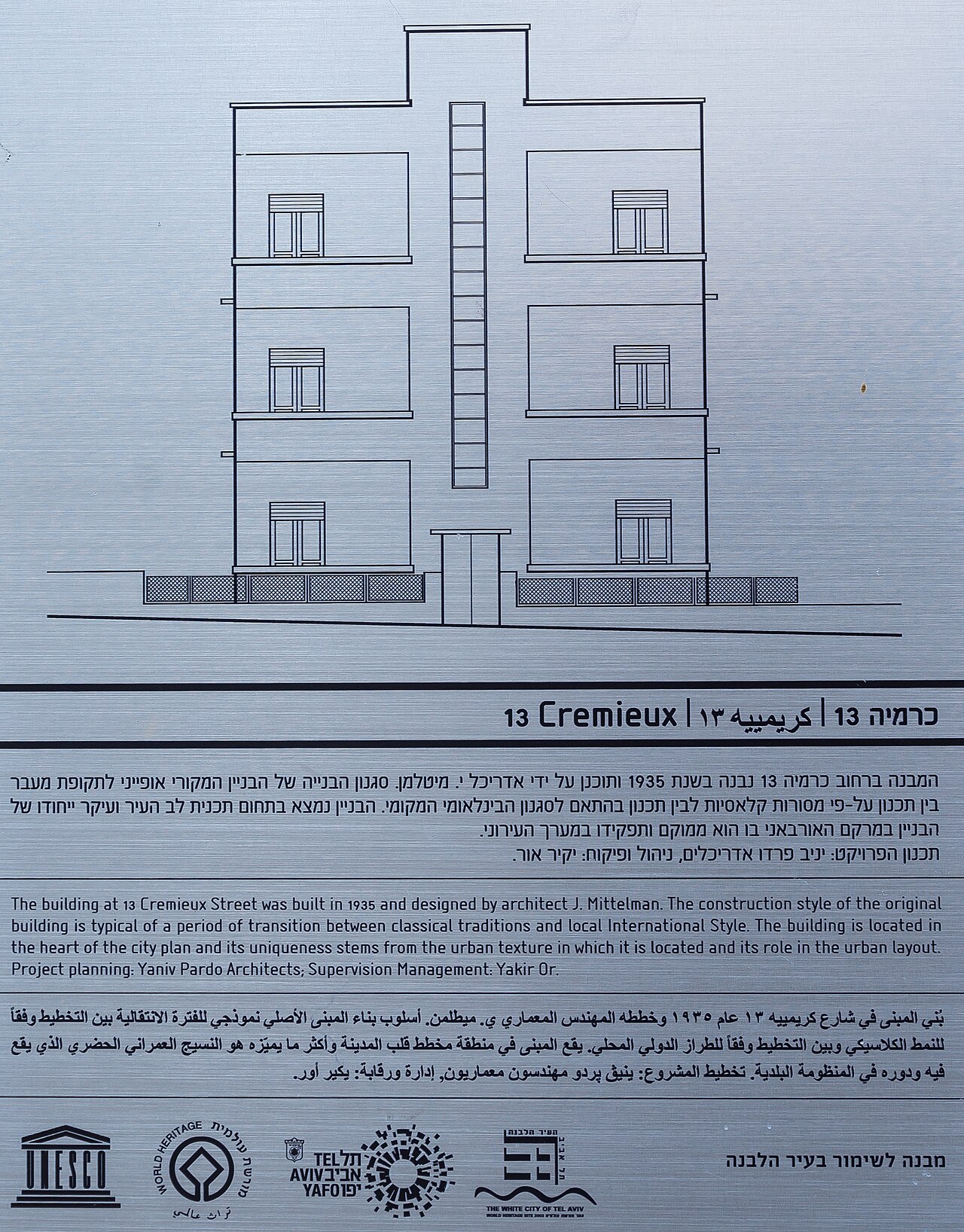
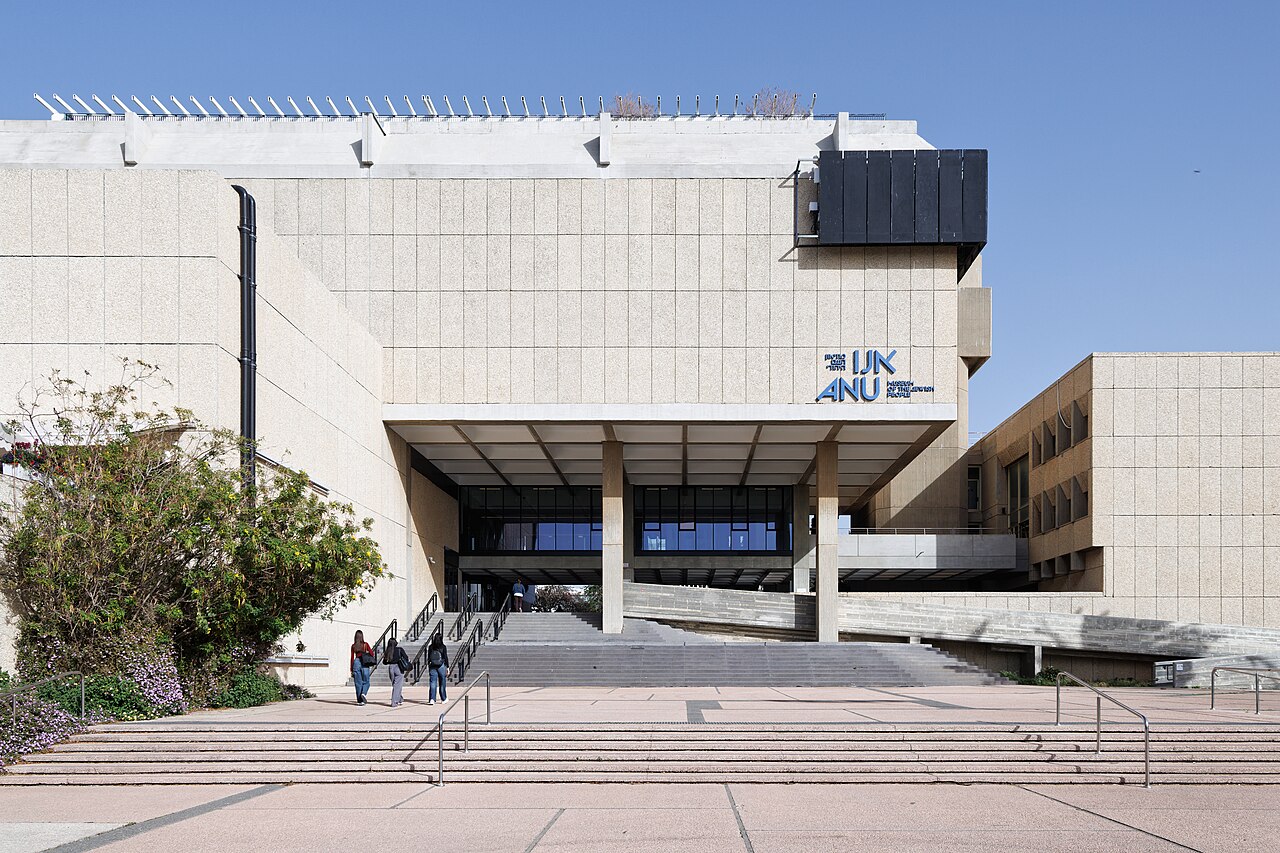
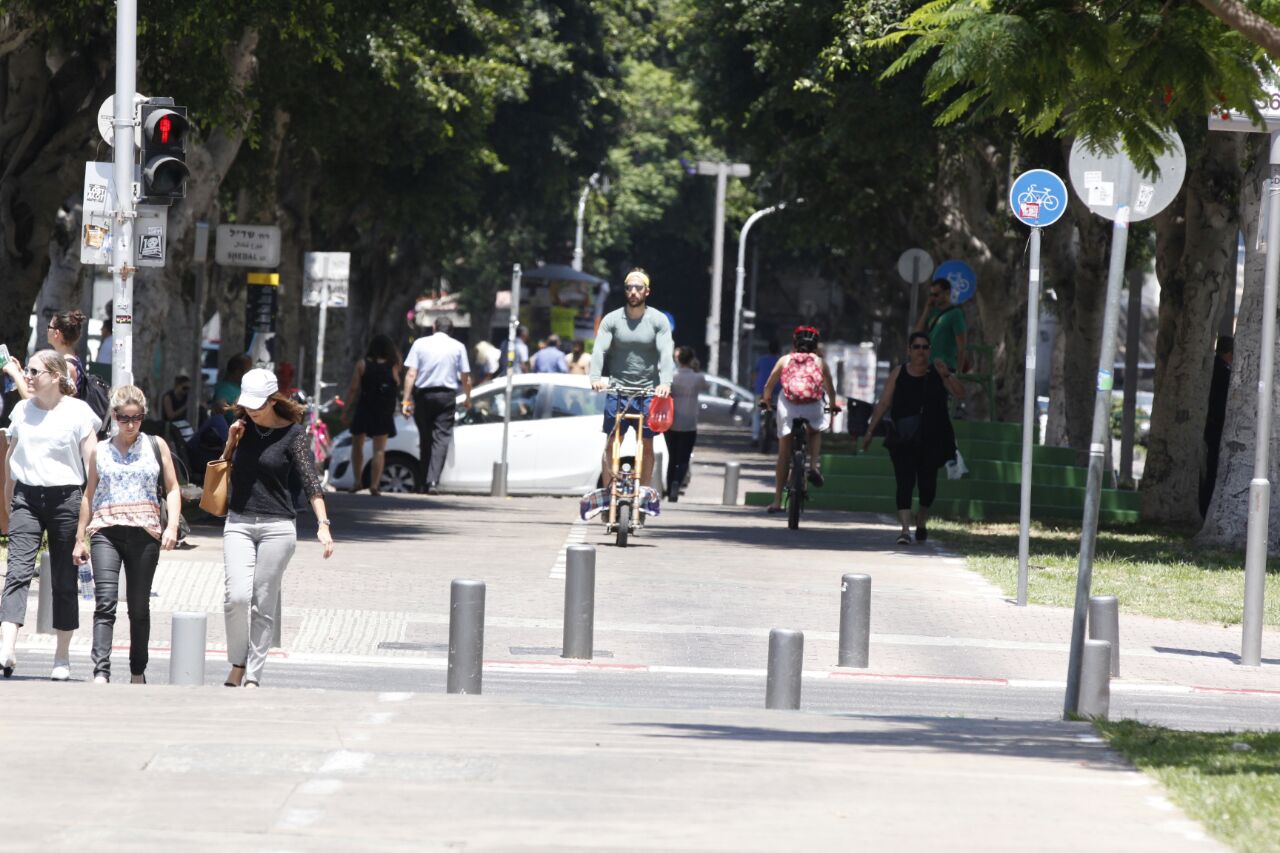
A walk along Rothschild Boulevard, coffee at one of the kiosks, the White City Bauhaus buildings on the side streets and Carmel Market for lunch. If you want more on the period, the Palmach Museum and the ANU Museum give different angles on the same story, and Neve Tzedek is a short walk from the boulevard’s southern end.
What to expect
The experience
A compact museum in the restored Dizengoff house, with the preserved hall, a portrait of Herzl and a recording of the Declaration.
Best time
Weekday mornings, before tour groups arrive.
How long
Under an hour.
Tips
Hours shorten on Fridays and around holidays, so confirm them before you go.
Quick picks
- Best for
- History-minded visitors and first-timers who want a short, meaningful stop.
- Families
- Best with older children who can appreciate the story, since the visit is short and quiet.
- Couples
- An easy add-on to a Rothschild Boulevard stroll.
- Pair with
- Rothschild Boulevard, the White City walk and the Palmach Museum.
- Time needed
- Allow about 45 minutes.
Good questions
What happened at Independence Hall?+
The Declaration of Independence of the State of Israel was proclaimed there on 14 May 1948, in what had been the home of Tel Aviv’s first mayor, Meir Dizengoff.
Where is it?+
At 16 Rothschild Boulevard, an easy walk from Neve Tzedek, Carmel Market and the White City.
How long does a visit take?+
Most visitors need about 45 minutes, which makes it easy to combine with a boulevard walk.
What can I see inside?+
The preserved hall with the names of attendees, a portrait of Herzl, a recording of the Declaration and exhibits that mix originals and reconstructions.
Are there Sabbath hours?+
Hours shorten on Fridays and are limited around the Sabbath and holidays. Check the current times before you go.