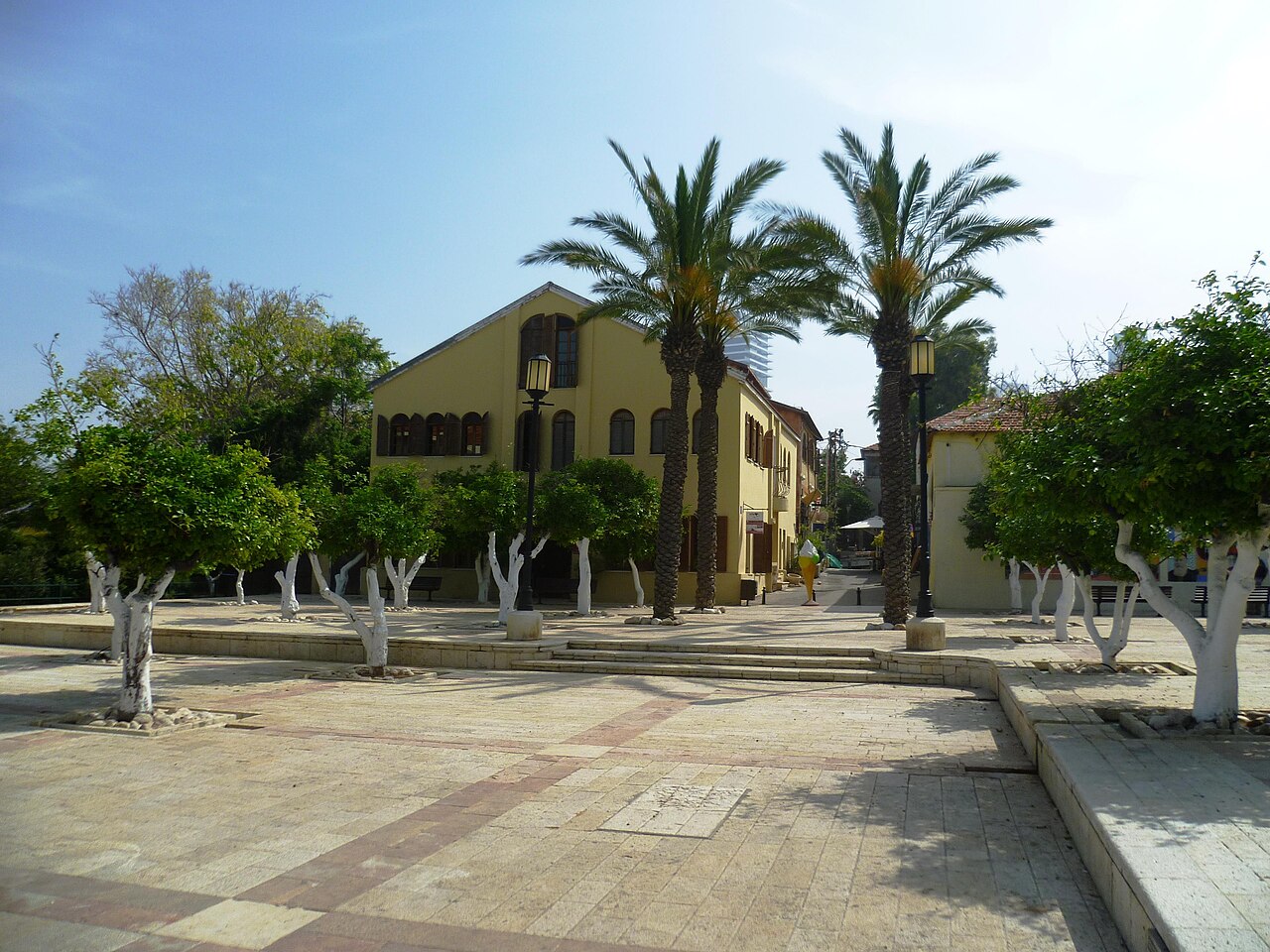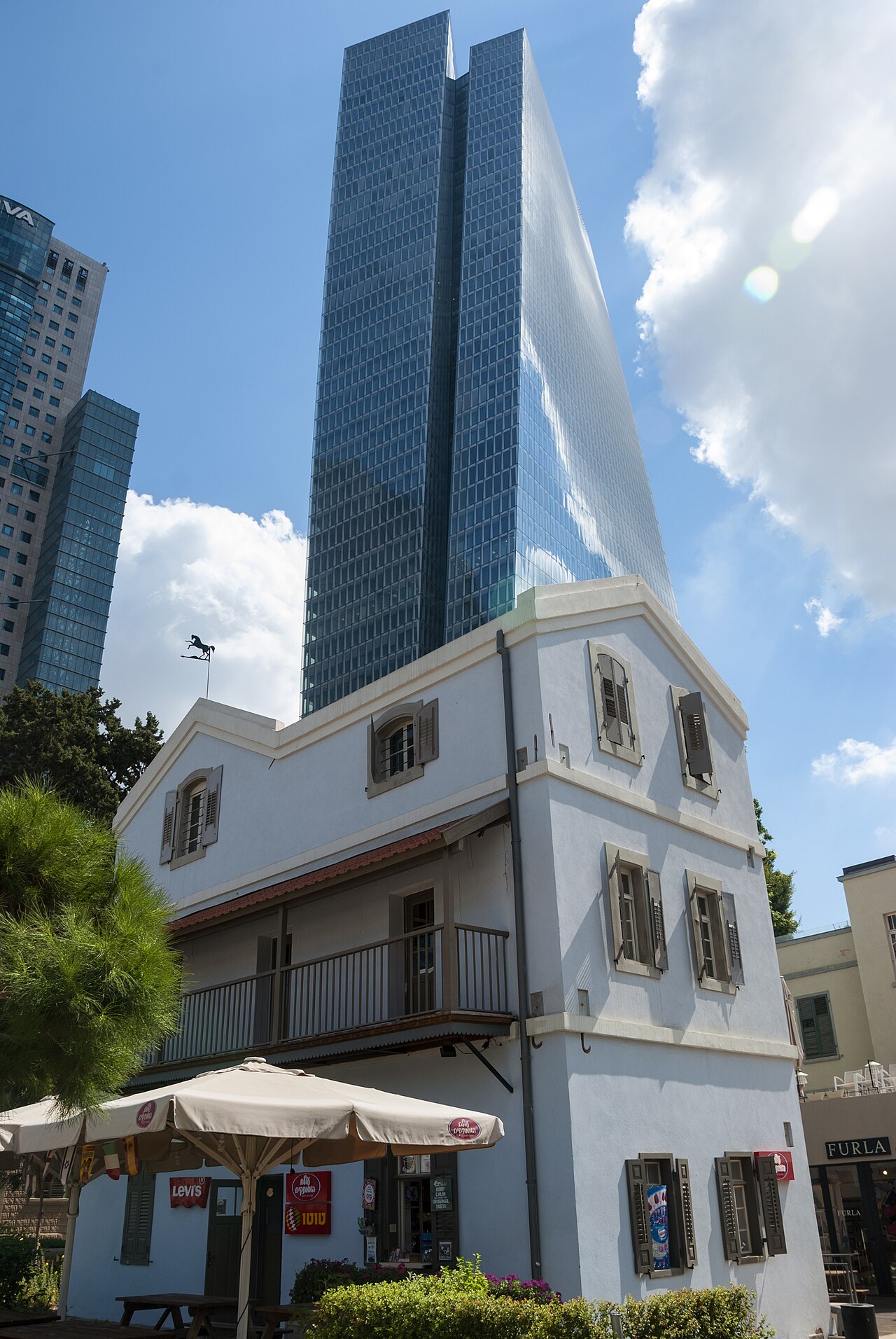
Sarona is a pocket of calm in the middle of central Tel Aviv, a former agricultural colony founded in 1871 by German Templers that has been restored as a pedestrian-friendly district. The red-roofed stone houses stand among mature trees, lawns and paved paths, with modern glass towers rising right behind them, which gives the whole quarter a striking old-and-new contrast. Many of the original houses now hold restaurants, cafes, shops and galleries, and the Sarona Market food hall gathers a large range of local and international stalls under one roof. A visitor center run by the Council for Conservation of Heritage Sites explains how the colony was built, how it later served other purposes and how it was preserved and returned to public use. Sarona makes an easy, air-conditioned-friendly stop between museums and the market.
Why it matters
Sarona shows how the city has layered its history. The Templer settlement was the first fully planned colony of its kind in the area, and the quarter later served other roles before a major preservation effort saved most of the original houses. Seeing them next to skyscrapers is a quick lesson in how Tel Aviv balances heritage and growth.
How to visit
The quarter is open to walk through at no cost, and the visitor center keeps set hours that are shorter on Fridays. Saturday visits to the center may be limited to groups by appointment, while the outdoor paths, cafes and market remain busy, though some businesses keep Sabbath hours. Wear comfortable shoes, bring a hat in summer and expect the food hall to be crowded at lunch and on weekend evenings. Look for information panels near restored houses and the small details such as the old well and spice garden.
Pair it with
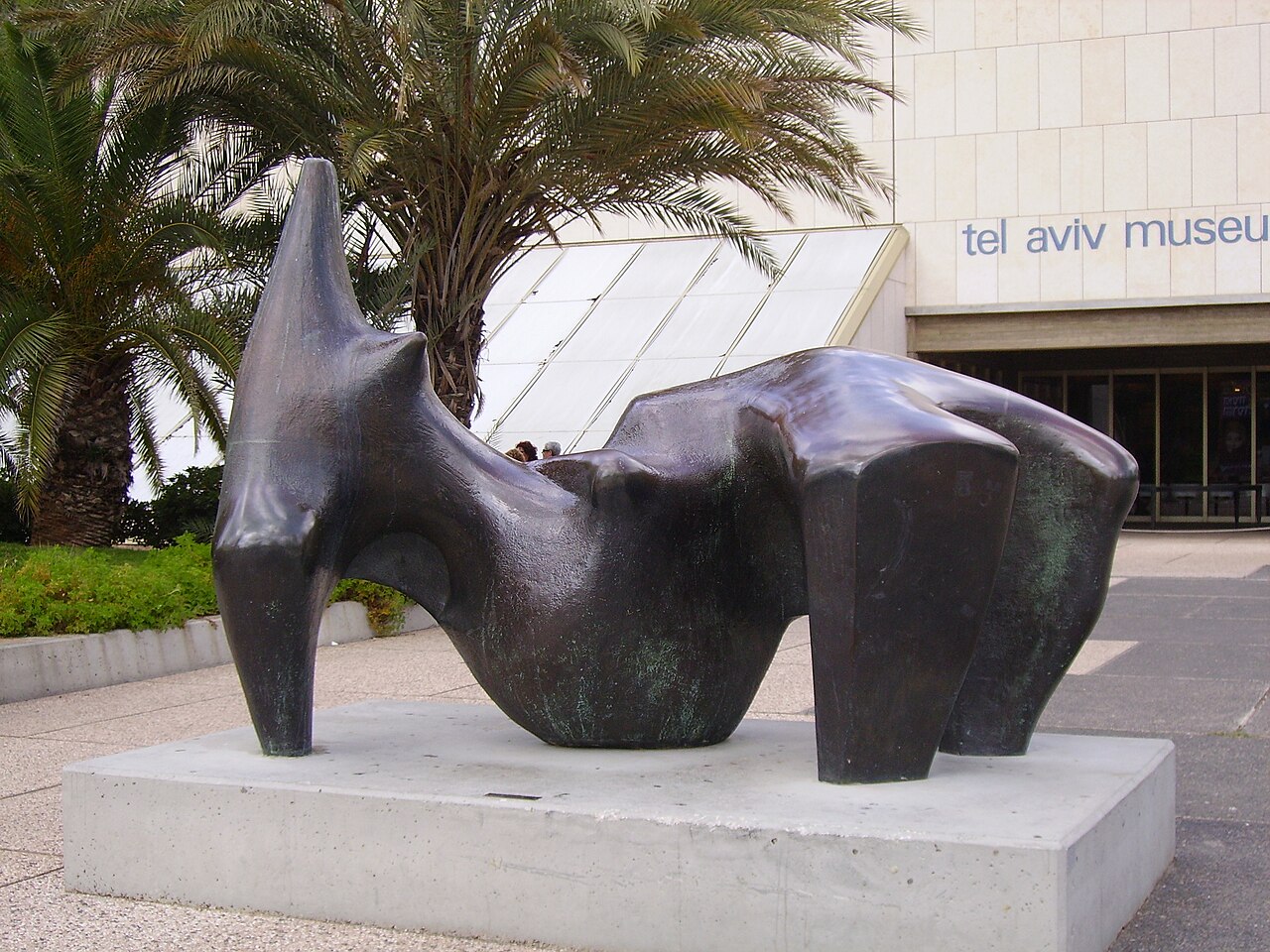
The Tel Aviv Museum of Art and the White City walks along Rothschild Boulevard, which are both close by. Sarona is a good lunch stop, and a guided or self-guided walking tour can add stories about the colonists and later years if you want more depth.
What to expect
The experience
A free open quarter of restored colony houses with cafes, shops, a food hall, gardens and a visitor center.
Best time
Mid-morning or late afternoon, outside the lunch rush.
How long
One to two hours, longer if you eat at the food hall.
Tips
Check the visitor center hours before you go, and expect the food hall to be busy at lunch and on weekends.
Quick picks
- Best for
- Travelers who want shade, history and an easy lunch in one stop.
- Families
- Lawns, paths and the food hall make it easy to eat and let children stretch their legs.
- Couples
- A relaxed evening stroll and dinner among the restored houses is a pleasant pairing.
- Pair with
- The Tel Aviv Museum of Art and Rothschild Boulevard.
- Time needed
- Allow ninety minutes including a meal.
Good questions
Is Sarona free to visit?+
Yes, you can walk the quarter and its gardens for free. The visitor center, tours and any food or shopping are separate.
What is the history of Sarona?+
It was founded in 1871 by German Templers as an agricultural colony and later served other purposes before being restored for public use. The visitor center tells the full story.
What can I do there?+
Stroll the shady paths, visit the heritage center, eat at the food hall and browse shops and galleries in the restored houses.
Is Sarona open on Saturday?+
The outdoor quarter is accessible and many places are busy, though some businesses observe the Sabbath. The visitor center may limit Saturday visits to groups by appointment.
How do I get there?+
It sits in central Tel Aviv within walking distance of the Tel Aviv Museum of Art and Rothschild Boulevard, and is served by buses, the light rail and taxis.