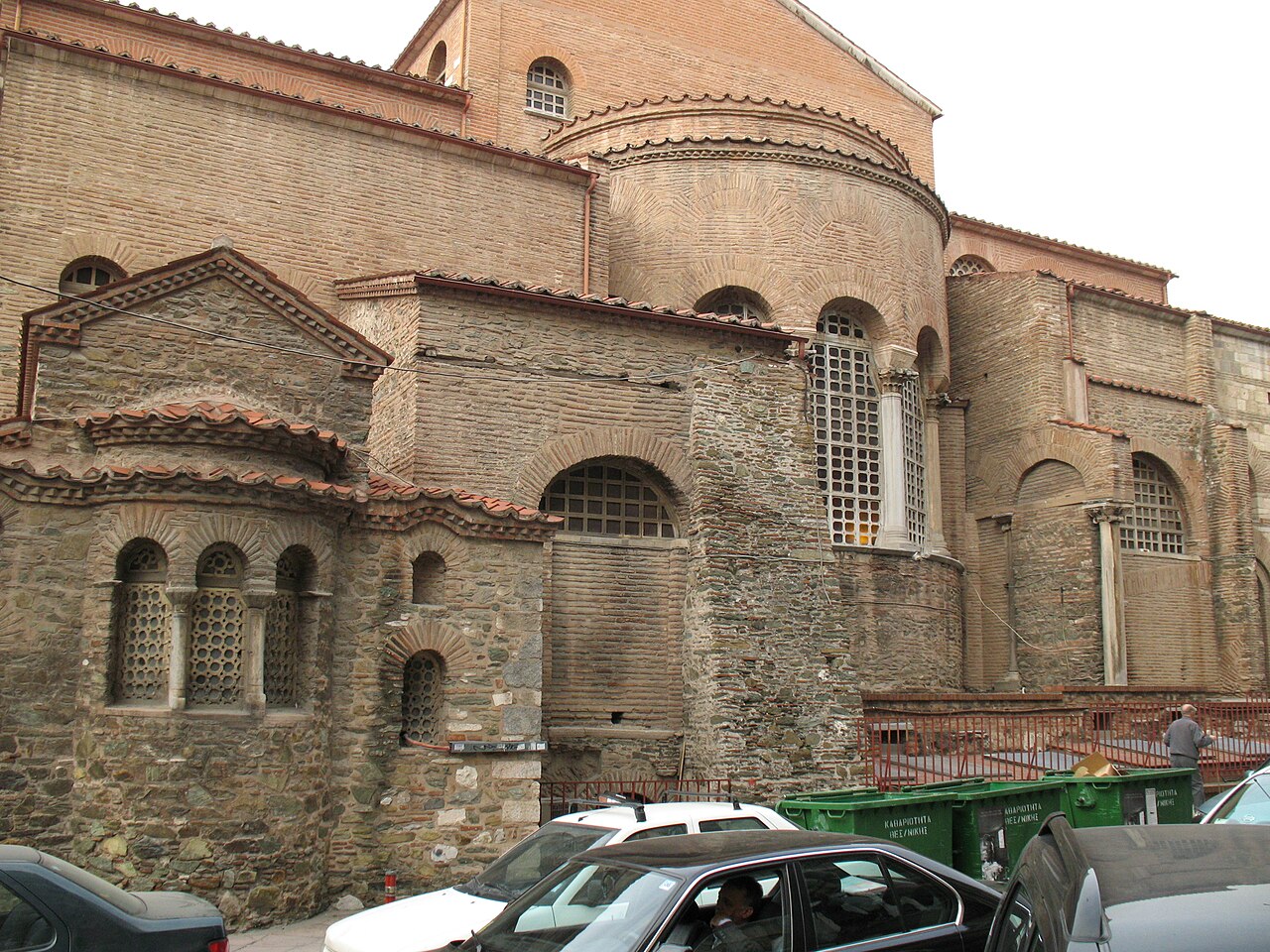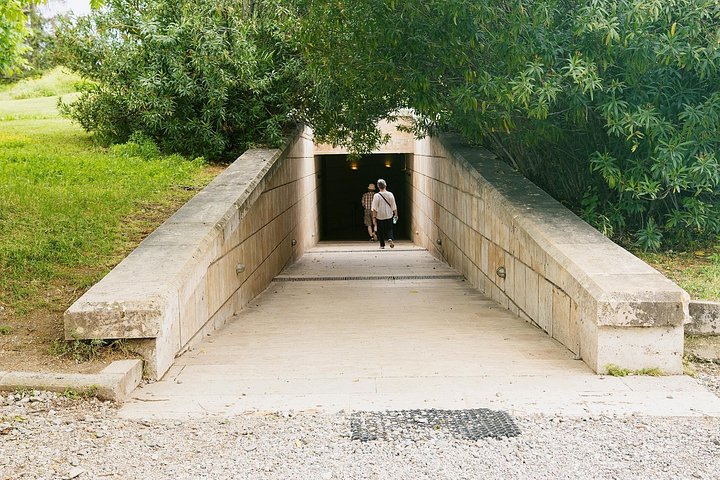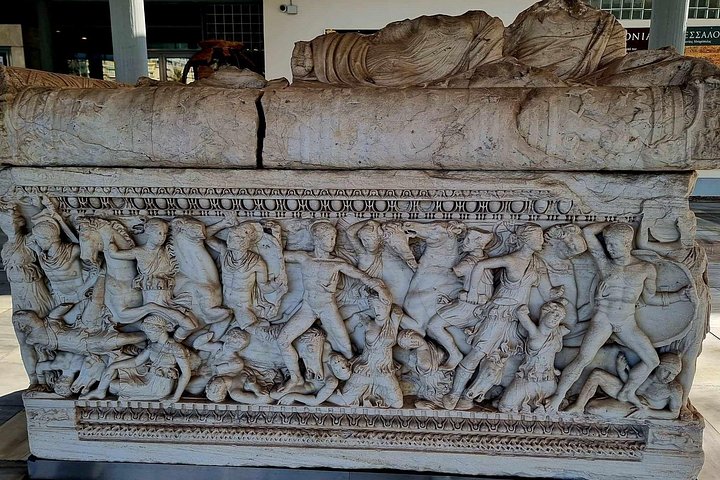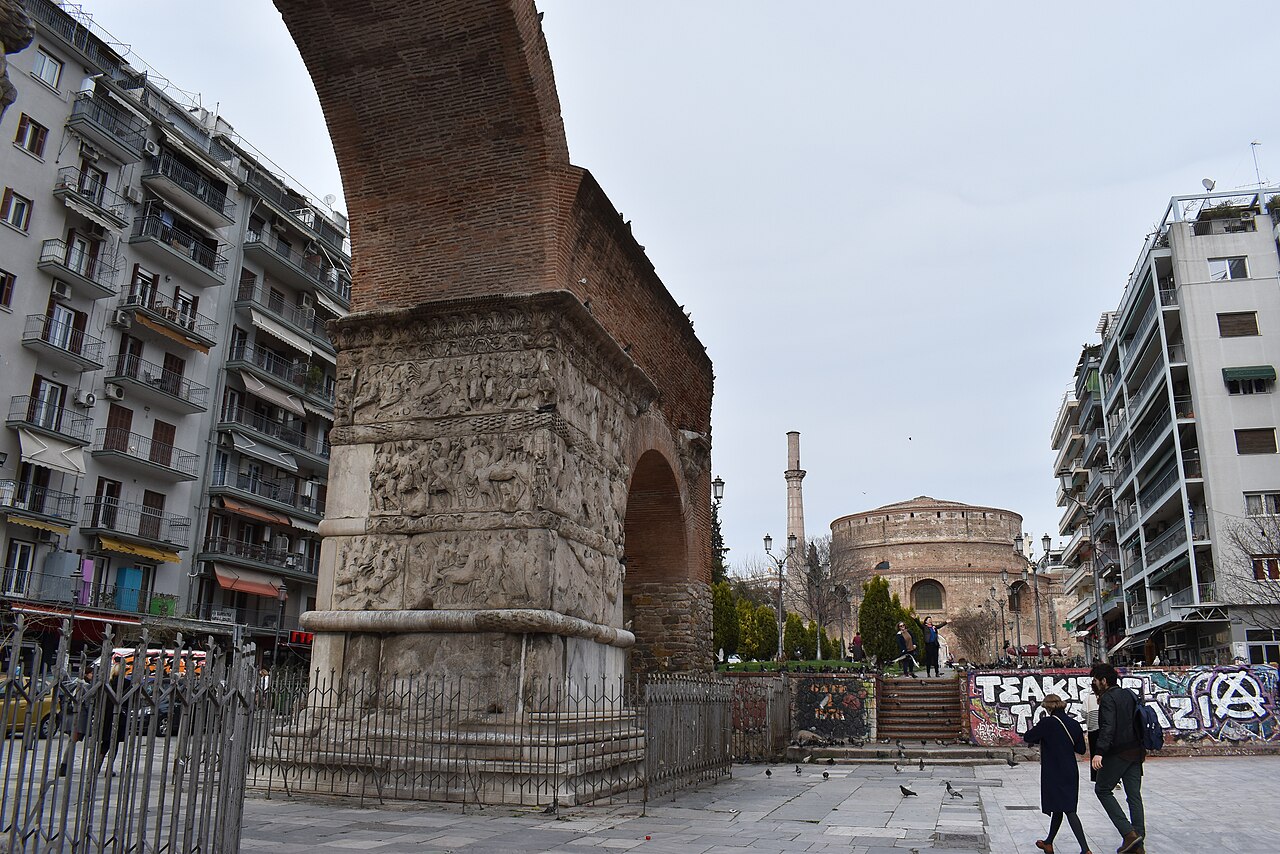
The Rotunda is one of the oldest and most striking buildings in Thessaloniki. Built in the early fourth century AD, probably as a pagan temple or as a mausoleum for the emperor Constantine, it is a huge circular, domed structure, about 30 metres high and about 24.5 metres across, with walls over six metres thick. The tourism board says that its architecture can only be compared to the Pantheon in Rome. Soon after it was built, the Rotunda became a church dedicated to the Archangels. It served as the city metropolis for part of the sixteenth century, then became a mosque under the Ottomans until 1912, and today it functions as a church and a cultural monument that hosts visits, services and events. Close by stands the Arch of Galerius, a Roman triumphal arch on the processional route that linked the palace complex to the Rotunda. Together they show how the city was a Roman imperial seat, and both are on the doorstep of the Byzantine and Roman walks in the centre.
How it works
Both monuments are in the city centre near Navarinou Square, and the arch stands in the open on the street, so you can see it at any hour. The tourism board describes the Rotunda as a place that receives tourist visits, liturgy and cultural events, so the interior is sometimes closed for services or private events, and opening hours and any entry fee can change. The board lists the Arch of Galerius and the Rotunda among the free sights of the city, but check on the day before you plan a visit around the interior.
What to expect
The interior is plain and vast, and the scale is the point. Look up into the dome and for traces of the early Christian mosaics and the later Ottoman additions, which show the many lives of the building. The arch is smaller than most people expect, and its carved reliefs are weathered, but the sense of an ancient processional way that ran from the palace to the Rotunda is clear when you stand between them. The remains of the palace area are close by and add to the picture.
Making the most of it
Combine the stop with a walk to the Church of Agios Dimitrios and the Museum of Byzantine Culture, and keep the visit short, about forty-five minutes to an hour, since this is a stop on a route and not a day in itself. Go in the morning for the best light on the stone, wear shoes that handle uneven paving, and dress modestly if you plan to enter, since it is a place of worship.
What to expect
The experience
A short self-guided visit to a huge domed Roman building and a nearby triumphal arch in the open air.
Best time
Morning for the best light on the stone and fewer people.
How long
About forty-five minutes to an hour for both monuments.
Tips
Check on the day whether the interior is open, as services and events can close it.
Quick picks
- Best for
- History lovers and anyone who wants to see the Roman face of the city.
- Families
- A quick, open stop that suits children who like big buildings; keep the visit short.
- Couples
- A calm early walk before coffee in nearby streets.
- Pair with
- The Church of Agios Dimitrios and the Museum of Byzantine Culture.
- Time needed
- An hour.
Good questions
What is the Rotunda?+
A huge circular domed building from the early fourth century AD, probably first a pagan temple or imperial mausoleum. It later became a church, then a mosque, and is now a church and monument.
What is the Arch of Galerius?+
A Roman triumphal arch on the processional route that joined the palace complex and the Rotunda. It stands in the open near the Rotunda.
Is it free to visit?+
The tourism board lists both among the free sights of the city, but check opening hours and any fees on the day, since the Rotunda hosts services and events.
How long should I allow?+
About forty-five minutes to an hour for both, more if you add the palace remains and nearby churches.
Should I dress in any special way?+
If you enter the Rotunda, dress modestly with shoulders and knees covered, since it is a place of worship.