Three days is the ideal first visit to Thessaloniki. It is long enough to see the Roman and Byzantine core, to taste the markets and to walk the waterfront at sunset, and it leaves one day for a trip into the countryside. The plan below groups sights by area so you spend your time looking and not crossing the city, and it notes the weekly closing days that catch visitors out.
Day one: the Roman and Byzantine core
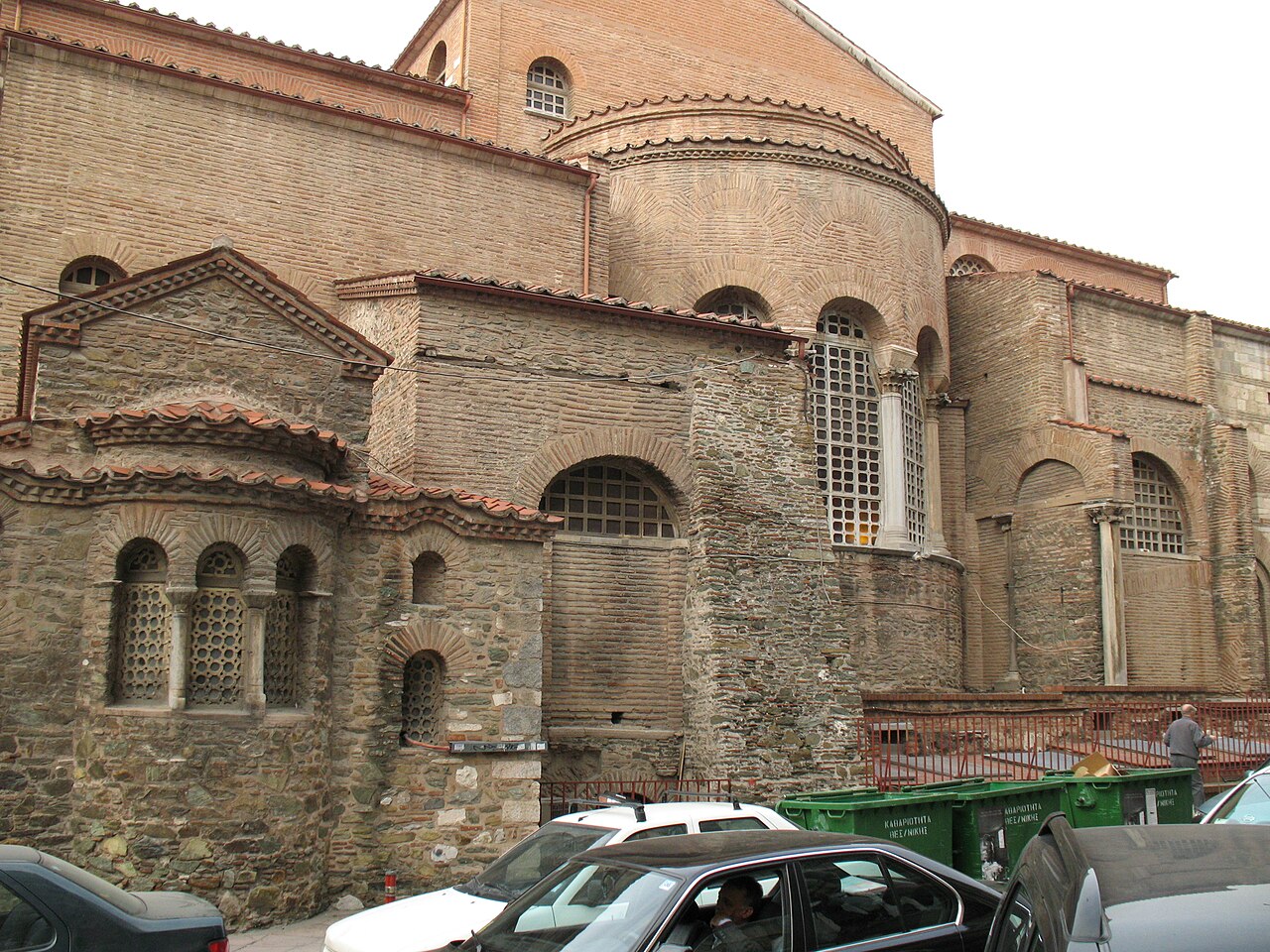
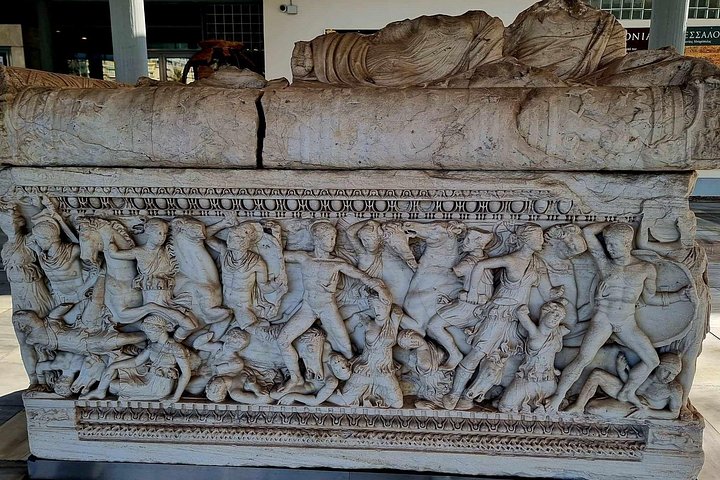
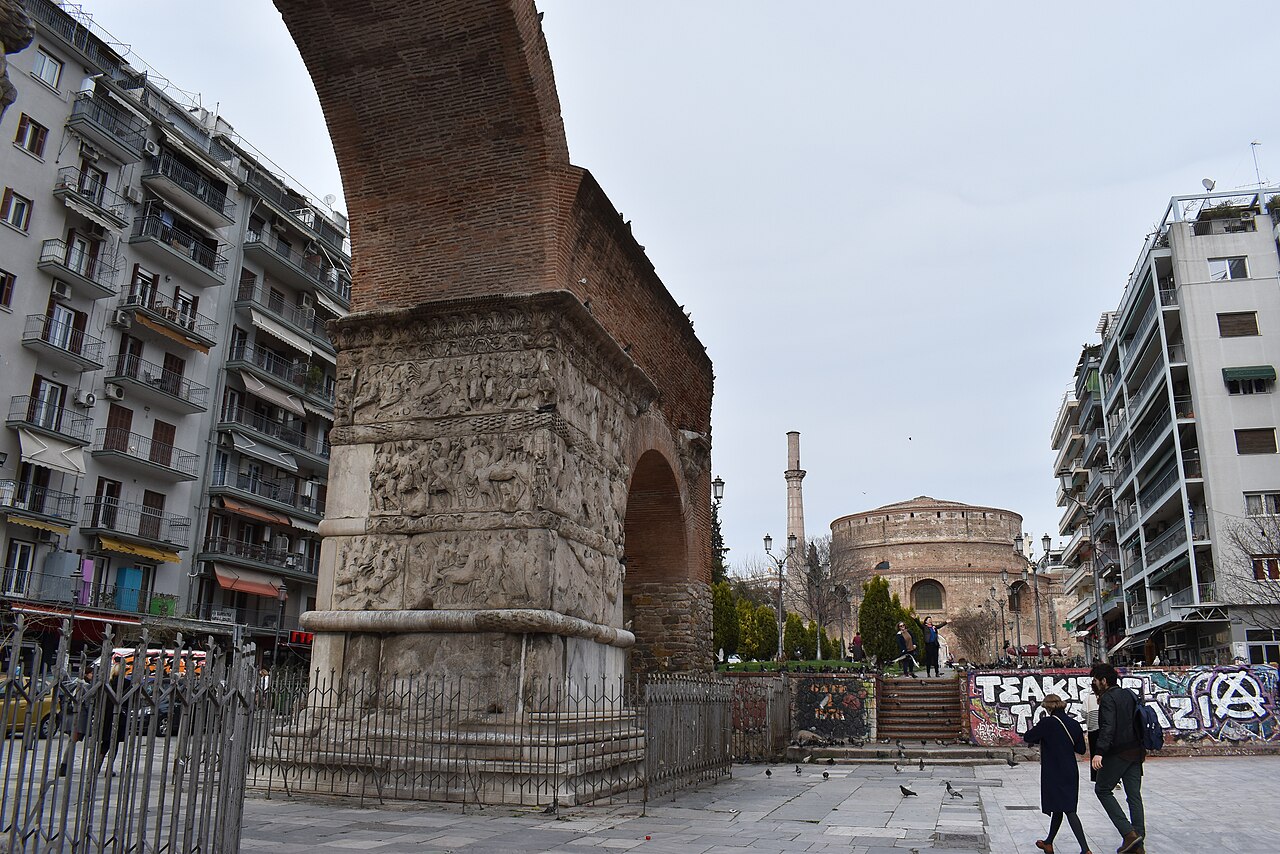
Start at the Rotunda and the Arch of Galerius, a pair of Roman monuments a short walk apart, and spend about an hour there. The Rotunda has been a church, a mosque and a church again, and it is the best place to feel how old the city is. From there walk to the Church of Agios Dimitrios, which is free to enter, and visit the crypt museum if it is open. After lunch choose one of the two great state museums. The Archaeological Museum is the better choice for gold, mosaics and the story of ancient Macedonia, and the Museum of Byzantine Culture is the better choice for icons and the story behind the churches. Both are closed on Tuesdays in winter, so on a Tuesday swap this day with day two. A guided walk with a local on this first morning is a good alternative, because it ties the pieces together.
Day two: the waterfront, the markets and the Upper Town
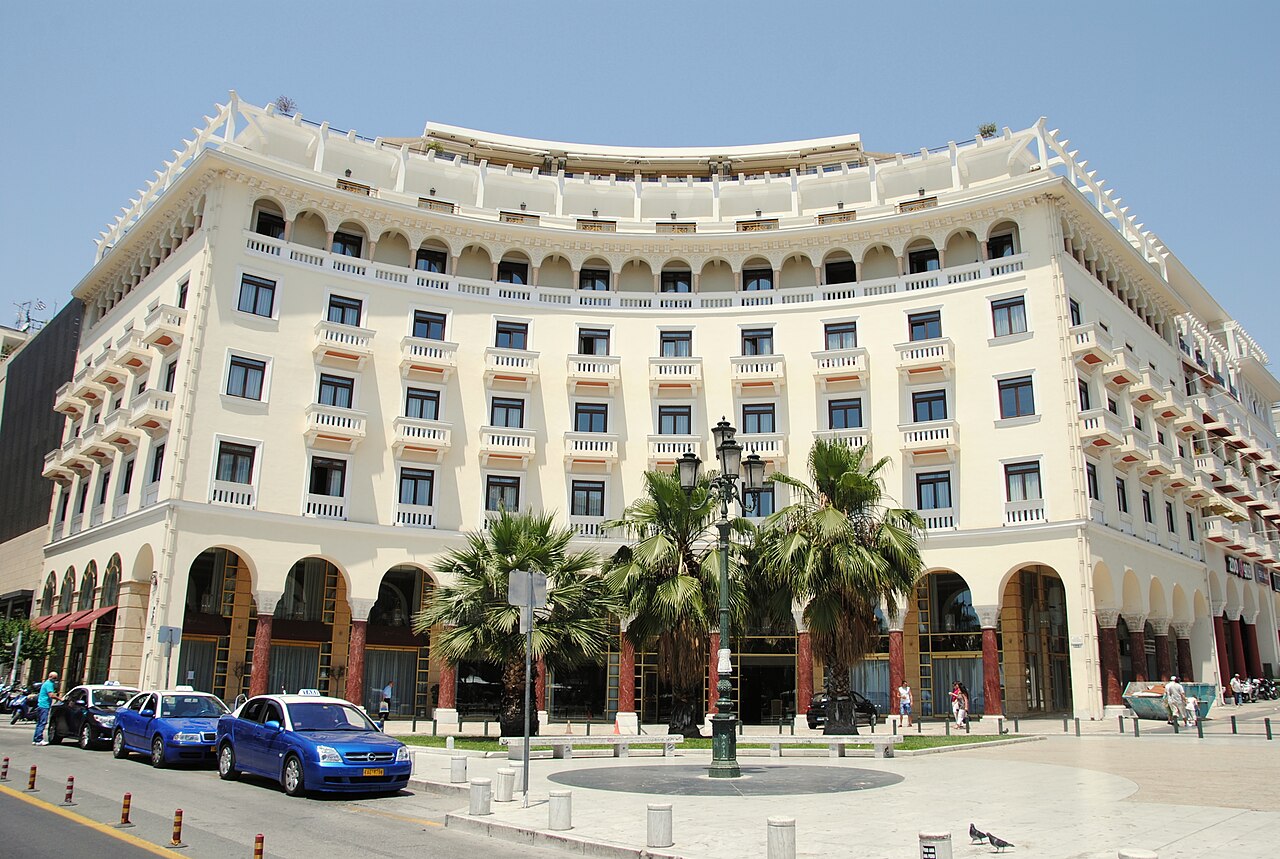
Begin with coffee and a bougatsa, then walk down Aristotelous Square to the sea and along the Nea Paralia promenade to the White Tower. The tower is a museum with a floor-by-floor story of the city and a roof terrace, and an hour is plenty. In the late morning visit the covered markets, Modiano and Kapani, either on your own or on a guided food tour, and stay for a long lunch in the neighbourhood. In the afternoon, rest, or take a taxi up to Ano Poli, the Upper Town, and walk down through the lanes past small churches and the Byzantine walls. Stay for sunset at one of the towers on the walls, because the view over the bay is the best in the city, and eat in a taverna in the district.
Day three: choose your day trip
The right trip depends on what you love. If you like archaeology, the Vergina and Pella trip takes you to the royal tombs and the museum of Pella, and it makes more sense if you have already seen the gold in the Archaeological Museum. If you want mountains and myth, the Mount Olympus and Dion trip combines an ancient sanctuary with a national park. If you want a beach, the Kassandra trip on the Halkidiki peninsula is a summer favourite, though swimming is a warm-weather pleasure. The Meteora trip is the most dramatic but also the longest, at about eleven hours. For a gentler outing, Edessa and the Pozar thermal baths offer waterfalls and warm pools, and Philippi and Kavala combine ruins and a harbour town. All of these are full days, so plan a light evening afterwards.
If it rains
Move the museums to the wet day and the waterfront and the Upper Town to the dry one. The Museum of Illusions is a good indoor option for families, and it is closed on Mondays. A cooking experience in a local home is another way to spend a wet afternoon, and the markets are partly covered.
If you have a car or a small child
The centre is flat and walkable, and taxis are easy to find, so you rarely need a car. The Upper Town is hilly and cobbled, so take a taxi up and walk down if you have a buggy or tired legs. A bike tour with electric assist is a good way to cover distance without effort.
Where to stay
For this plan, a hotel near Aristotelous Square or the port puts you within walking distance of nearly everything. Electra Palace sits on the square, S Hotel Boutique is a block from the sea, and The Excelsior is close to the port and Tsimiski Street. Whichever you choose, ask for a quiet room, since the centre is lively in the evening.
A few practical notes
State museums keep shorter winter hours from 1 November to 31 March and longer summer hours, and they close on some public holidays, so confirm hours on the day before you go. Locals eat late, with dinner around nine in the evening common, so plan your last meal accordingly. Carry some cash for markets and small bakeries, wear shoes with grip for marble and cobbles, and cover your shoulders and knees when you enter churches.