Tirana has a Mediterranean climate with a continental edge: hot, dry summers, mild, wet winters and two comfortable shoulder seasons. There is no wrong time to come, because the museums, cafés and restaurants work all year, but your choice of month changes what you can do outside the city. Here is how the seasons compare.
Spring (March to May): the all-round favourite
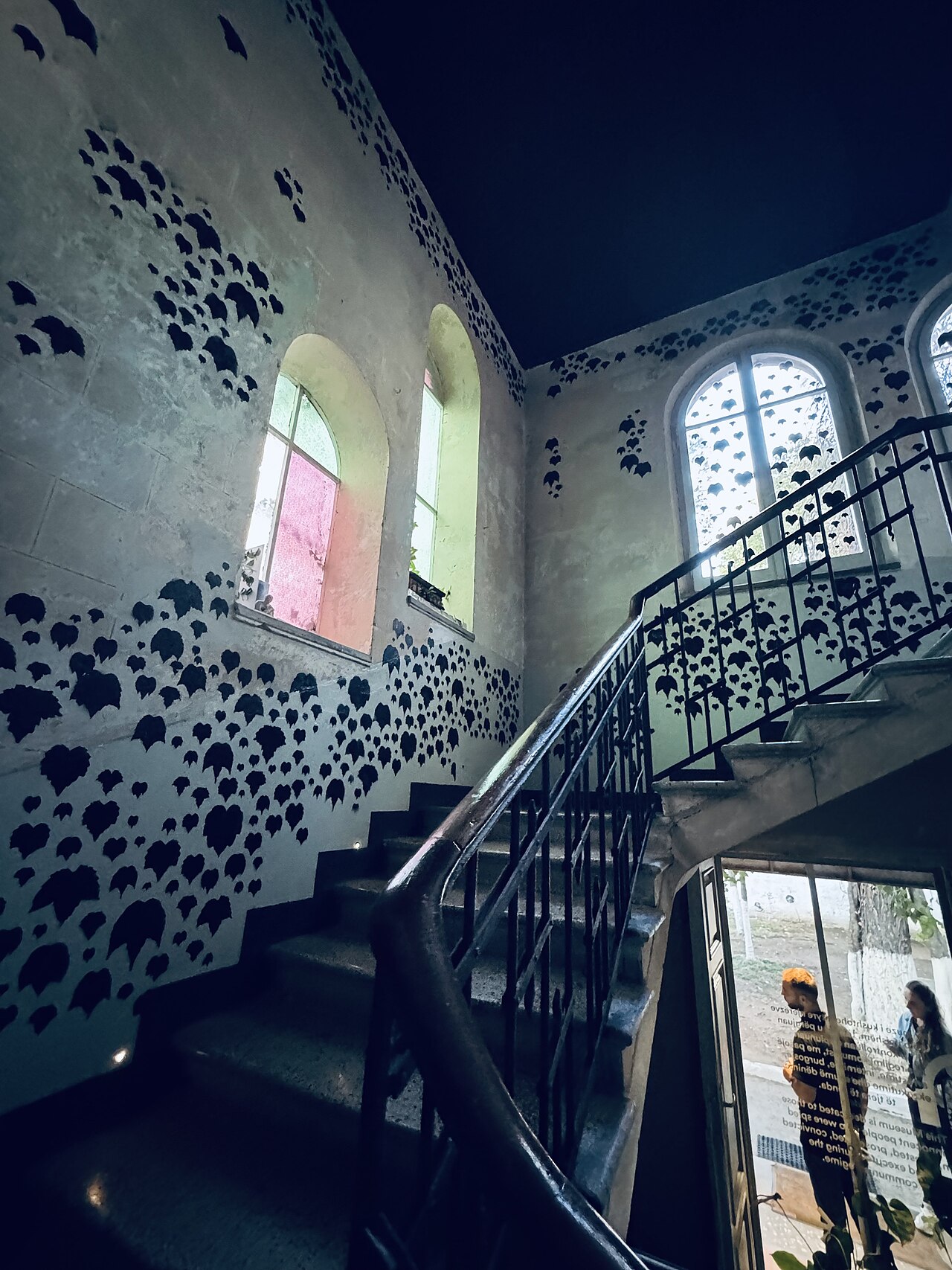
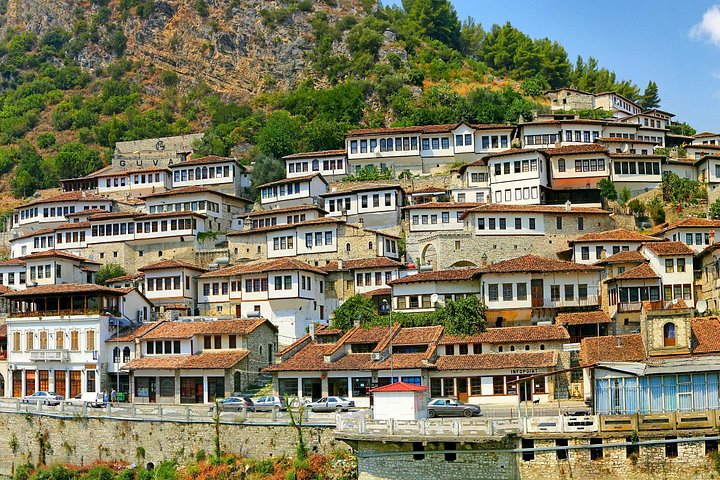
Spring is mild and green, with comfortable temperatures for walking and the countryside at its best. Berat, Kruja and Bovilla Lake are all lovely in these months, and the Dajti slopes are fresh. Rain showers are common early in the season, so carry a light jacket. Crowds are modest, hotel prices are generally lower than in summer and the House of Leaves moves to its longer summer hours from May. March also brings Dita e Verës, the annual Summer Day spring festival that Albanians celebrate in mid-March.
Summer (June to August): hot cities, great beaches
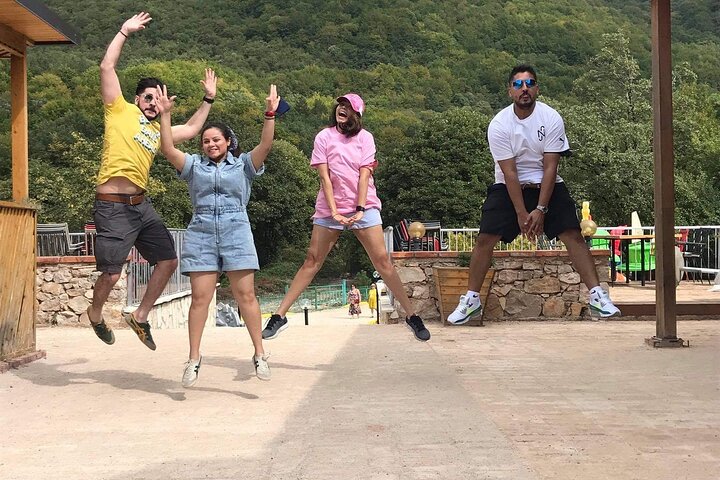
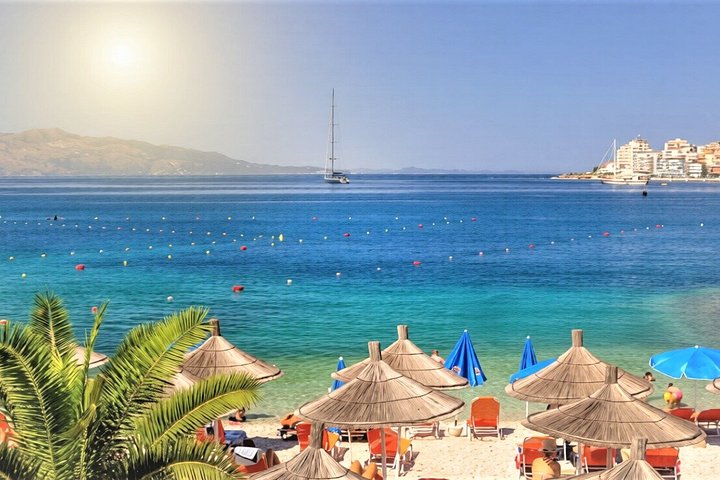
Summers in Tirana are hot, and midday temperatures can climb into the thirties Celsius, so plan museums and indoor sights for the afternoon and walk in the early morning and evening. This is the season for the coast: Durrës and Golem are close to Tirana, and the southern Riviera around Saranda and Ksamil has the clearest water. Beaches are busiest in July and August, with sunbeds charged at a premium; June is a better balance of warm water and fewer crowds. The mountains, including Theth and the Albanian Alps, are at their most accessible. Book popular tours and hotels early, and carry sun protection and water.
Autumn (September to November): warm days and a quieter pace. September feels like an extension of summer, with warm days and sea temperatures still good for swimming, and it is a favourite for visitors who want comfortable weather without the peak crowds. October is mild and pleasant, perfect for walking and day trips, and the countryside turns gold. By November the weather turns cooler and wetter, beach bars close and the House of Leaves moves to shorter winter hours. Autumn is also grape harvest season in the wine regions, which makes a trip to Berat especially rewarding.
Winter (December to February): quiet and cool
Winters are cool and often rainy in Tirana, with occasional cold snaps, and snow sometimes dusts Mount Dajti and the higher mountains. The city is much quieter, prices are lowest and the cafés and museums are comfortably uncrowded. December has a festive feel around Skanderbeg Square, which hosts celebrations over the new year, and the cable car up Dajti offers clear-air views on a dry day. The coast is mostly closed for swimming and the Albanian Alps can be hard to reach because of snow, so choose Berat, Kruja or museums instead and bring a warm coat and waterproof shoes.
Weekly and seasonal patterns to know
The House of Leaves keeps shorter hours from mid-October to May and closes on Mondays in that season. The Dajti Ekspres cable car closes on Tuesdays, and it can also pause in strong wind. Some museums close on public holidays, so check ahead, and national days such as 28 November, Independence Day, bring parades and a festive mood in the capital. Always check opening times on the day you plan to go.
Crowds, prices and daylight
Tirana is never overwhelmed, but it is busiest in July and August, when domestic and diaspora travellers fill the coast and the mountains, and hotel rates on the beaches rise. Spring and autumn offer the best balance of weather, space and price. Winter days are short, so start sightseeing early and plan indoor stops for the late afternoon. In every season, mornings are quiet and cool, evenings are social, and the main museums are rarely crowded outside midday on busy days. If your dates are fixed, book day trips a little ahead in summer and keep spare time for weather changes in winter.
Which month for which traveller
First-timers and culture lovers: April, May, late September and October. Beach-goers: June to mid-September, with June and September the best compromise. Hikers and mountain lovers: late May to early October. Budget travellers and city-break visitors: November to February. Photographers: spring for green hills and autumn for golden light.
What to pack
In summer, pack light clothing, a hat, sun cream and comfortable sandals or walking shoes for the cobbles. In spring and autumn, add a light waterproof jacket, and in winter, a warm coat, an umbrella and shoes with good grip. A scarf is useful for visiting mosques and for cool evenings throughout the year, and a power adapter is needed for European two-pin sockets.