Albanian food is one of the best-kept secrets of the Balkans. It draws on Mediterranean, Ottoman and Balkan traditions, relies on fresh vegetables, olive oil, yoghurt, herbs and good bread, and is served with a hospitality that makes it hard to leave a table hungry. Tirana, as the capital, brings together dishes from every region and adds a modern café and restaurant scene on top.
Start with a bakery breakfast
Byrek, a flaky pastry pie made from thin sheets of dough, is the national snack and the standard start to the day. Common fillings include cheese, spinach and minced meat, and a slice from a neighbourhood bakery costs very little. Pair it with yoghurt, a glass of the drinkable kind called kos, or a strong coffee. Many bakeries also sell sweet pastries, and you will find them all over the city from early morning.
The dishes to look for
Tavë kosi is baked lamb and rice under a layer of savoury yoghurt custard, often described as the national dish. Fërgesë is a baked casserole of peppers, tomatoes and cheese, sometimes with meat. Qofte are grilled or fried meatballs, flavoured with herbs, and they appear on menus everywhere. Grilled meats, fresh fish near the coast, stuffed peppers, salads with Albanian tomatoes and cheese, and seasonal vegetables with olive oil round out the table. For dessert, look for baklava, trilece, a sponge soaked in three kinds of milk, and the fresh fruit that follows nearly every meal in summer. Exact menus vary by restaurant and season, so ask what is good that day.
Where to eat
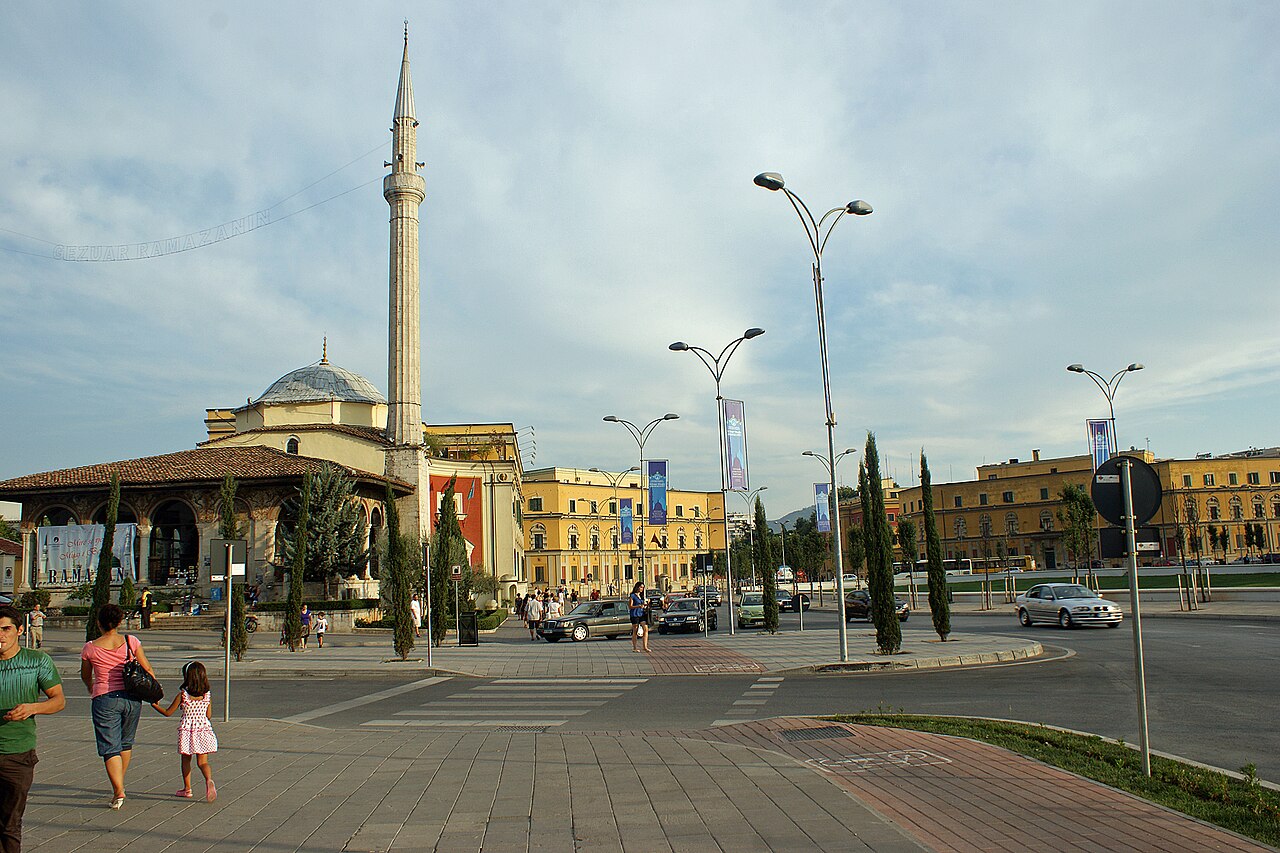
Blloku, once the sealed-off quarter of the communist elite, is now the most fashionable part of the city, with bars, cafés and restaurants spilling onto the pavements. It is lively in the evenings and a little more expensive than elsewhere. The New Bazaar, or Pazari i Ri, is a renovated market square with food stalls, produce and traditional restaurants, and it is a good place for a long lunch and a glance at local life. Residential streets have family-run places with simple menus, and you can often eat well for modest prices. Dinner is usually late, so do not be surprised if restaurants are busiest after eight in the evening.
Raki, wine and beer
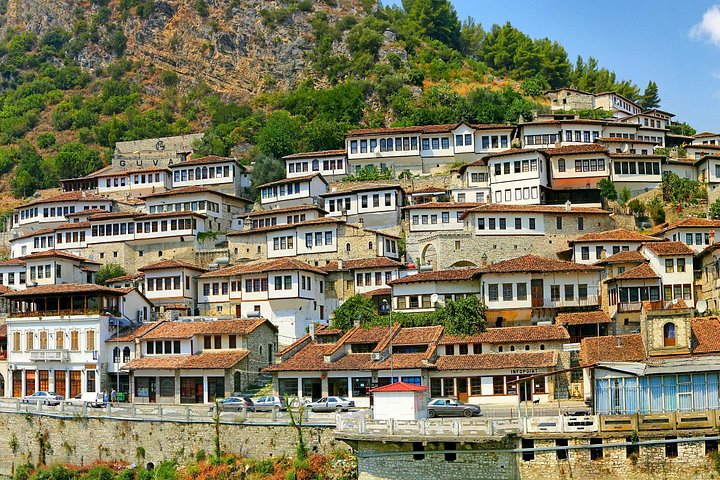
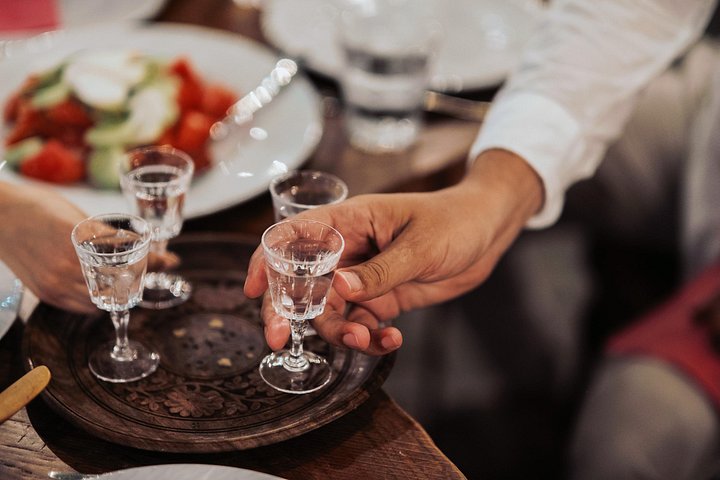
Raki, a strong grape or fruit spirit, is the traditional drink of welcome, and a small glass often arrives before a meal. Drink it slowly. Albania’s wine is better than its reputation, with Berat and other regions producing characterful reds and whites, and many restaurants in Tirana offer local bottles by the glass. Local beer is cheap and refreshing, and cafés also serve fresh juice and herbal teas, including the mountain tea that Albanians drink when they are unwell or simply cold.
Coffee culture
Albanians take coffee seriously, and the capital has a café on almost every corner. Espresso, macchiato and cappuccino are the standard, a legacy of Italian influence, and a single cup can be an excuse to sit for an hour. Locals meet friends and colleagues over coffee at all hours, so the best strategy is to find a seat and watch the street. Paying for a single coffee entitles you to the table; staff rarely rush you.
Food experiences
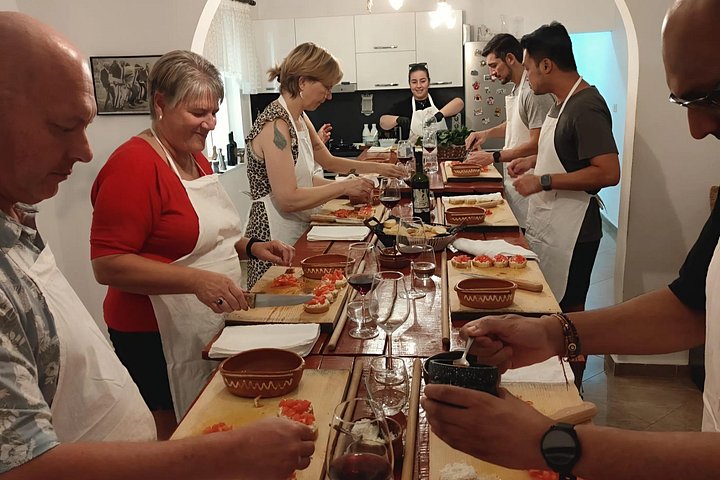
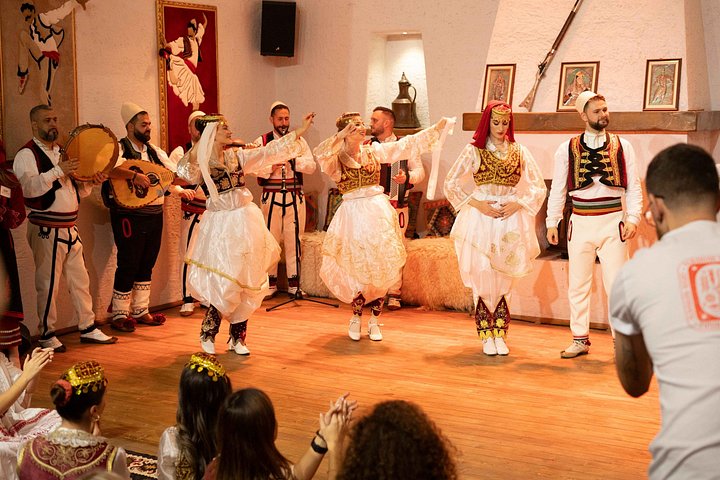
For a guided introduction, take a food tour in the centre, which usually combines tastings, a market visit and stories about the city. For something more hands-on, book the traditional cooking class, where you cook a full meal with a local host and sit down to eat it with wine and raki. The Albanian Night Show combines dinner with folk music and dance, and the day trip to Berat is a good chance to eat in a wine-producing region. Check the booking pages for dietary options, since vegetarian and other needs can usually be met if you ask in advance.
Snacks, sweets and street food
Between meals, Tirana is easy to graze. Bakeries sell warm byrek and sweet pastries, kiosks and small shops offer grilled meat wrapped in flatbread, and fruit sellers pile up seasonal produce, from figs and grapes in late summer to citrus in winter. Honey, olive oil, dried herbs and mountain tea are good edible souvenirs, easy to pack and best bought at the New Bazaar. Ask for what is in season, because Albanian cooks treat the calendar seriously and the best flavours change from month to month.
Practical tips
Tipping about ten per cent is appreciated in restaurants, and cash is often easier at bakeries and small cafés. Ask your hotel whether the tap water is fine to drink, as many visitors prefer bottled. If you are vegetarian, ask for byrek with spinach or cheese, salads, grilled vegetables and baked dishes without meat, and avoid assuming that soup is meat-free. Allow time for meals, which are social and unhurried.