Tirana is a superb base for day trips. Albania is small, its roads are improving and the country packs castles, UNESCO towns, mountains, lakes and beaches into a very short distance. Most excursions leave from the centre of the capital, and guided tours take care of the driving, which is the biggest advantage in a country where roads can be demanding. Here is how to choose.
The classics: Berat, Kruja and Durrës
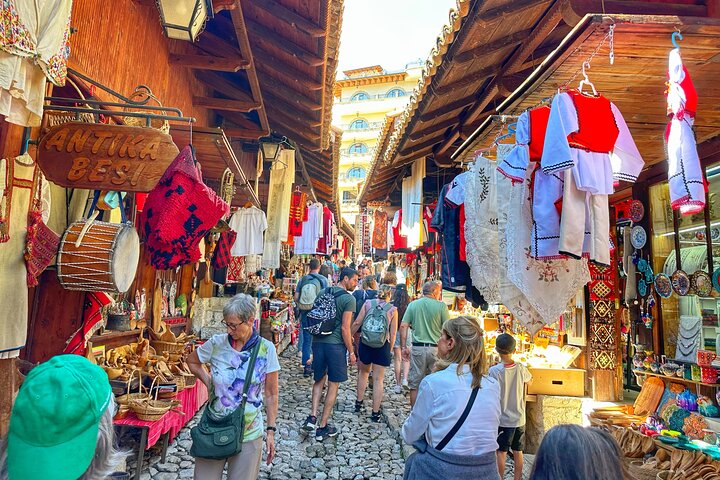
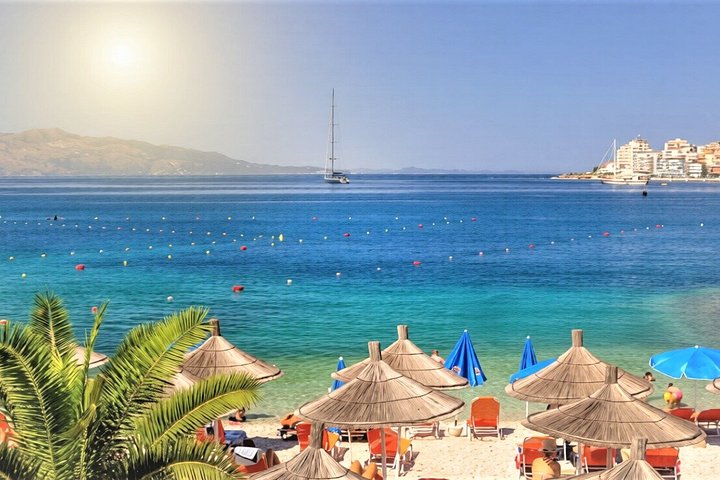
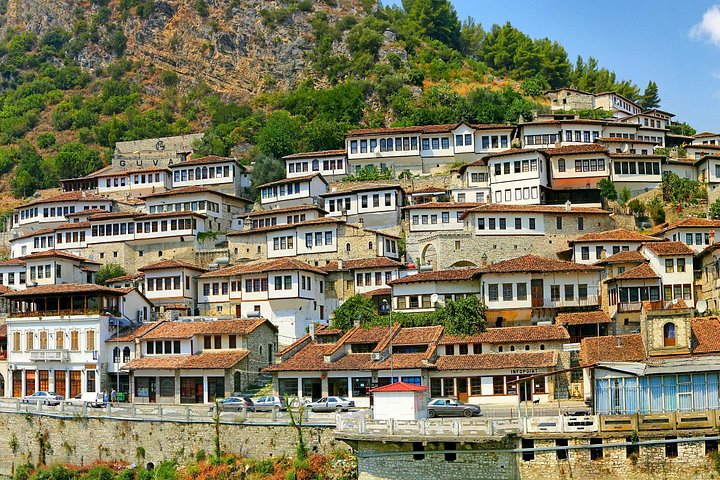
Berat is the finest day trip, a UNESCO World Heritage town of white Ottoman houses stacked up a hillside below a castle that people still live in. It takes roughly two hours each way, so a full day is needed. Kruja is closer and combines Skanderbeg’s mountain stronghold, an ethnographic museum and an Ottoman-style bazaar with views to the coast, and it is often paired with Durrës. Durrës, Albania’s main port, has a Roman amphitheatre, a long seafront promenade and beaches at Golem, and it is the easiest sea escape from the capital. All three are easy on a guided tour and equally viable by public transport if you prefer to travel independently.
Nature close to the capital
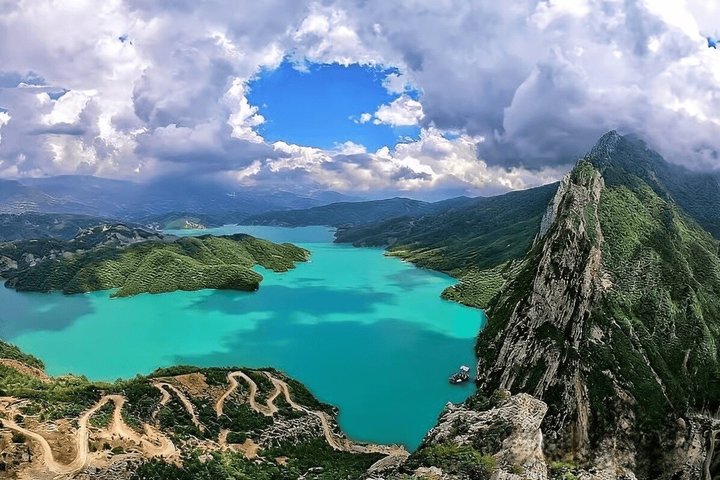
Bovilla Lake and Gamti Mountain are the most popular nature trip, with a short drive, a moderate hike and a viewpoint over a green reservoir that supplies the city’s water. It takes five to six hours, so it fits into a half day. The Dajti Ekspres cable car and Bunk’Art 1 are on the edge of the city, and Petrelë Castle, with its zipline, is a short drive south-east and makes a quick, fun outing. These trips are best in spring and autumn, when the weather is mild.
Mountains: Theth and the Albanian Alps
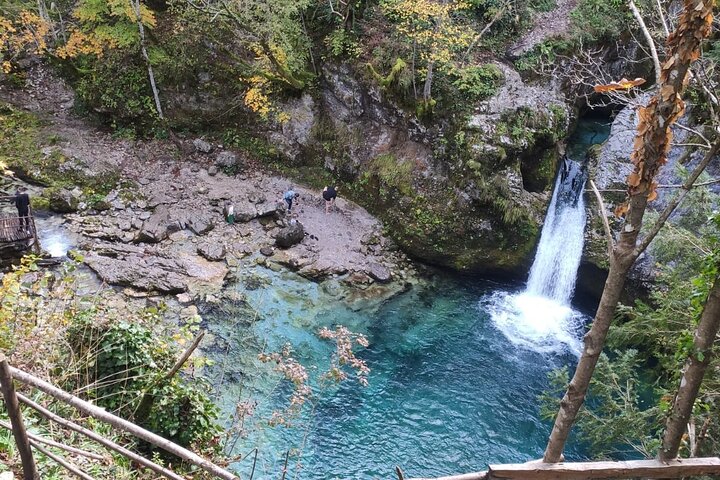
For dramatic scenery, the Albanian Alps are unmatched. Theth is a village in a national park, reached by a long drive via Shkodër and a winding mountain road. A day trip is possible but tiring, and staying a night is far better. The road is most reliable from late spring to early autumn, and in winter snow may close it. If you like hiking, ask about longer guided options.
The south: Saranda, Ksamil and the Blue Eye
The Ionian coast has the clearest water in Albania, and Ksamil’s small islands and shallows are the draw, with the cold, deep Blue Eye spring nearby. A day trip is a very long day, typically fifteen hours or more, so it suits travellers who are short on time but want to see the south. For a more relaxed experience, stay a night in Saranda or take a two-day tour that adds the ancient city of Butrint and the stone town of Gjirokastër.
Across the border: Kosovo and Lake Ohrid
Two excursions take you into neighbouring countries. The Kosovo day tour visits Prizren, with its Ottoman old town and fortress, and Pristina, the capital, in a long day with a guide who explains the region’s recent history. The Ohrid and Saint Naum tour crosses into North Macedonia to see a UNESCO lake, a pretty old town and a monastery by the springs. Carry your passport on both, because border checks apply, and check entry rules for your nationality. Kosovo uses the euro and North Macedonia the denar.
How to choose
With one spare day, pick Berat for culture or Bovilla for nature. With two, add Kruja and Durrës together. With three, add the south or the Alps with an overnight stay. If you have seen the main sights and want something different, the Kosovo or Ohrid trips add a new country. Spring and autumn suit everything; summer favours the coast; winter favours Berat, Kruja and the castles.
Combining and timing
Some trips pair naturally. Kruja and Durrës make a good day together, and Berat suits a slow, full day with lunch by the river. Bovilla can be done in the morning with the city in the afternoon, while Petrelë fits a free hour. The long excursions to Theth, Saranda, Kosovo and Ohrid are best spaced out with a restful day in Tirana between them. Start early whatever you choose, because Albanian roads can be slow, and keep a margin for the return journey if you have a flight or an evening booking. Check weather and road conditions in winter, when mountain routes can close.
Practicalities
Guided tours are the simplest option, since they handle parking and routes, and small groups let you ask questions. If you hire a car, expect busy, sometimes slow roads, and drive in daylight where possible. Intercity minibuses to Berat, Kruja and Durrës are cheap but less flexible. Carry cash for lunch, entrance fees and tips, wear comfortable shoes and check the booking page of any tour for what the price includes, since entrance tickets are not always covered.