Domenikos Theotokopoulos, known as El Greco, settled in Toledo in the 1570s and stayed for the rest of his life, painting altarpieces and portraits for churches, convents and noble patrons. The museum named for him stands in a residence designed in the early twentieth century in the style of a sixteenth-century Toledo house, next to the district where the painter lived. It is not the exact home he occupied, but the setting gives a convincing sense of how a successful artist of his day might have lived, with a shaded garden, rooms arranged around courtyards and views over the rooftops. The collection includes a complete series of apostle portraits, known as the Apostolado, painted late in his career, along with a view of Toledo that is among the most famous images of the city, and works in his distinctive elongated style. Alongside the paintings, the museum offers context on the workshop and the intellectual world of his time, so visitors leave with a picture of the man as well as his art.
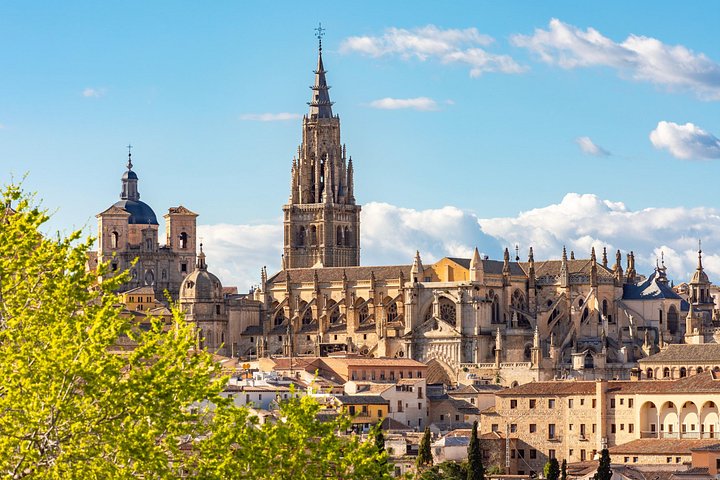
Start with the Apostolado, a group of half-length portraits showing Christ and the apostles, each distinctive in pose and expression. They reveal El Greco's gift for individual character even in a devotional series. Nearby, the view and plan of Toledo shows the city as a dramatic, almost stormy composition, with the cathedral and Alcazar rising from a dark, stylized landscape. It is less a map than a mood, and it explains why so many later artists treat Toledo as El Greco country.
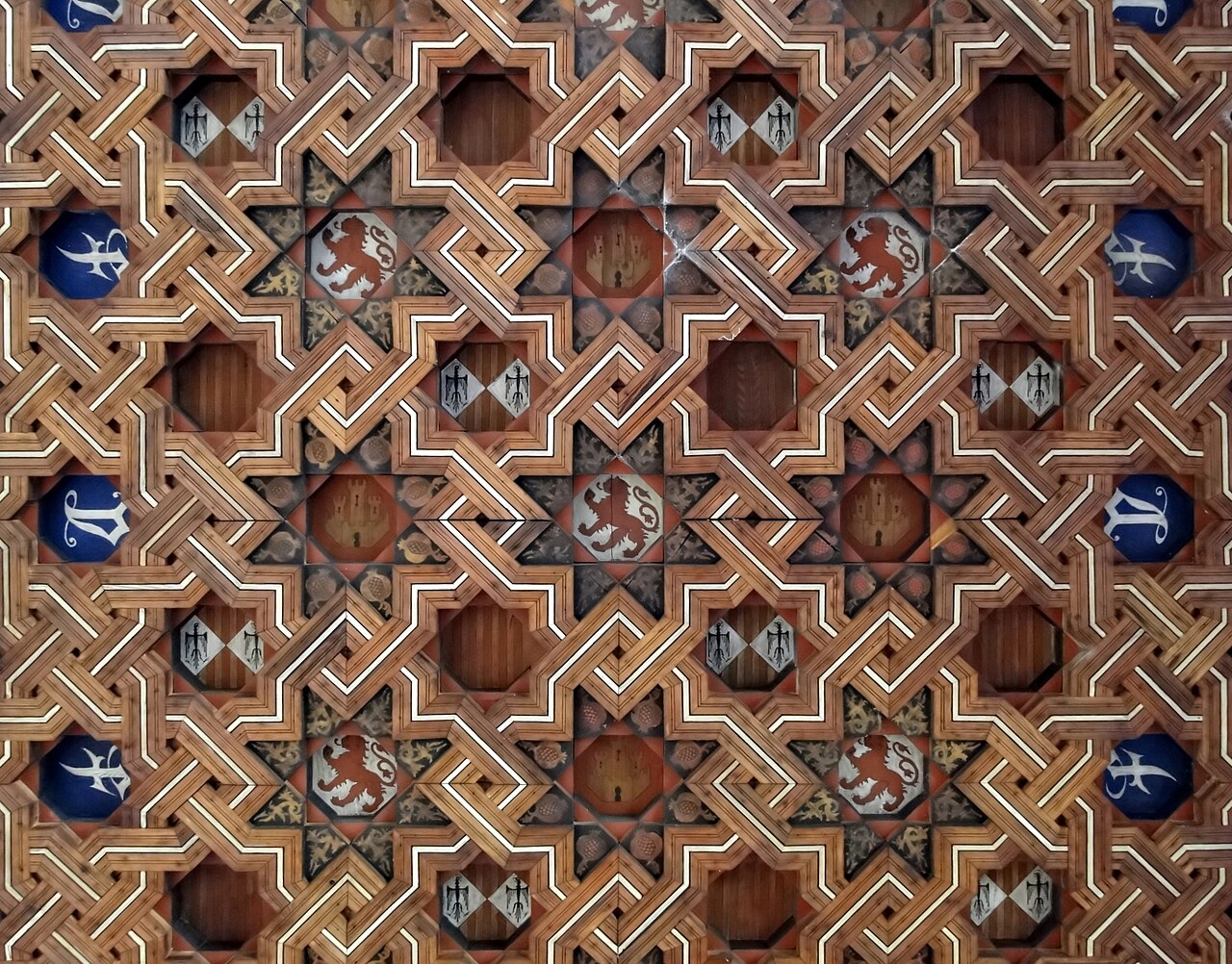
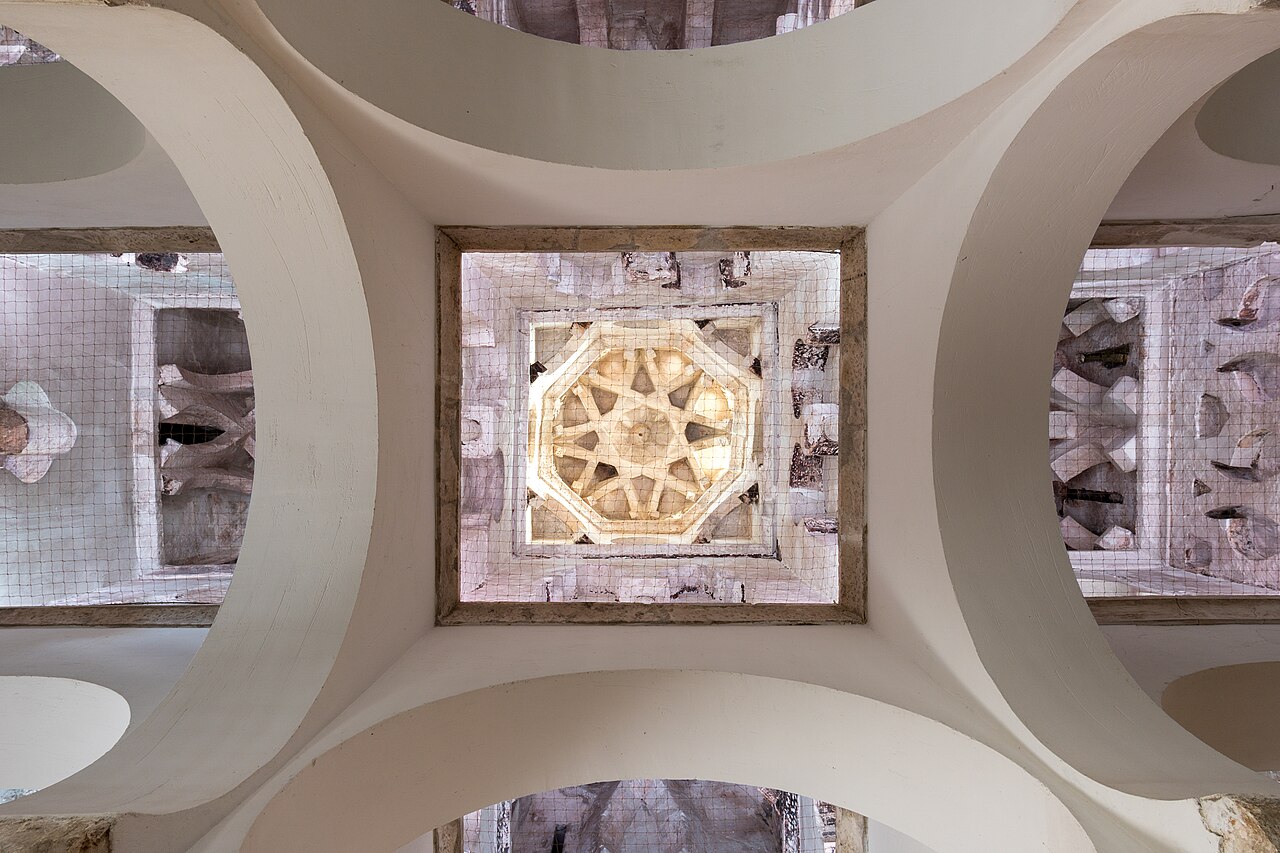
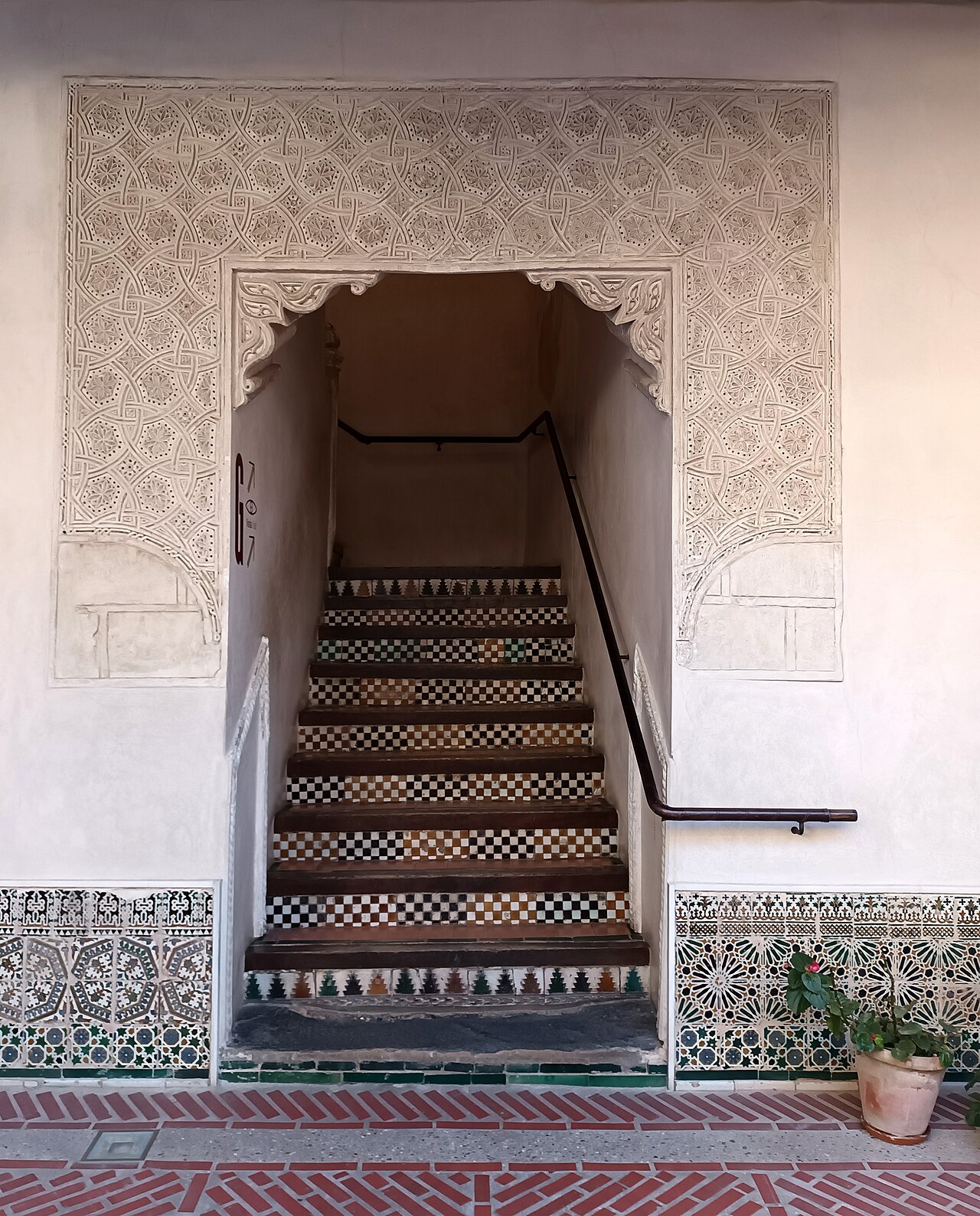
The building itself adds charm. Rooms open onto a courtyard, with patterned tiles and low ceilings that evoke the domestic scale of the period. A small garden outside has benches and shade. A reconstructed kitchen and bedroom hint at household life, and a chapel adds a religious note. Signage covers the main points in several languages, and the compact scale lets you absorb everything within an hour without fatigue.
As a state-run museum, the entry fee is modest, and there are periods when entry is free or reduced; check the museum's current schedule. It closes one day a week and has shorter hours on Sundays. The location, a few minutes from Santo Tome and the Sephardic Museum, makes it easy to combine them in a morning.
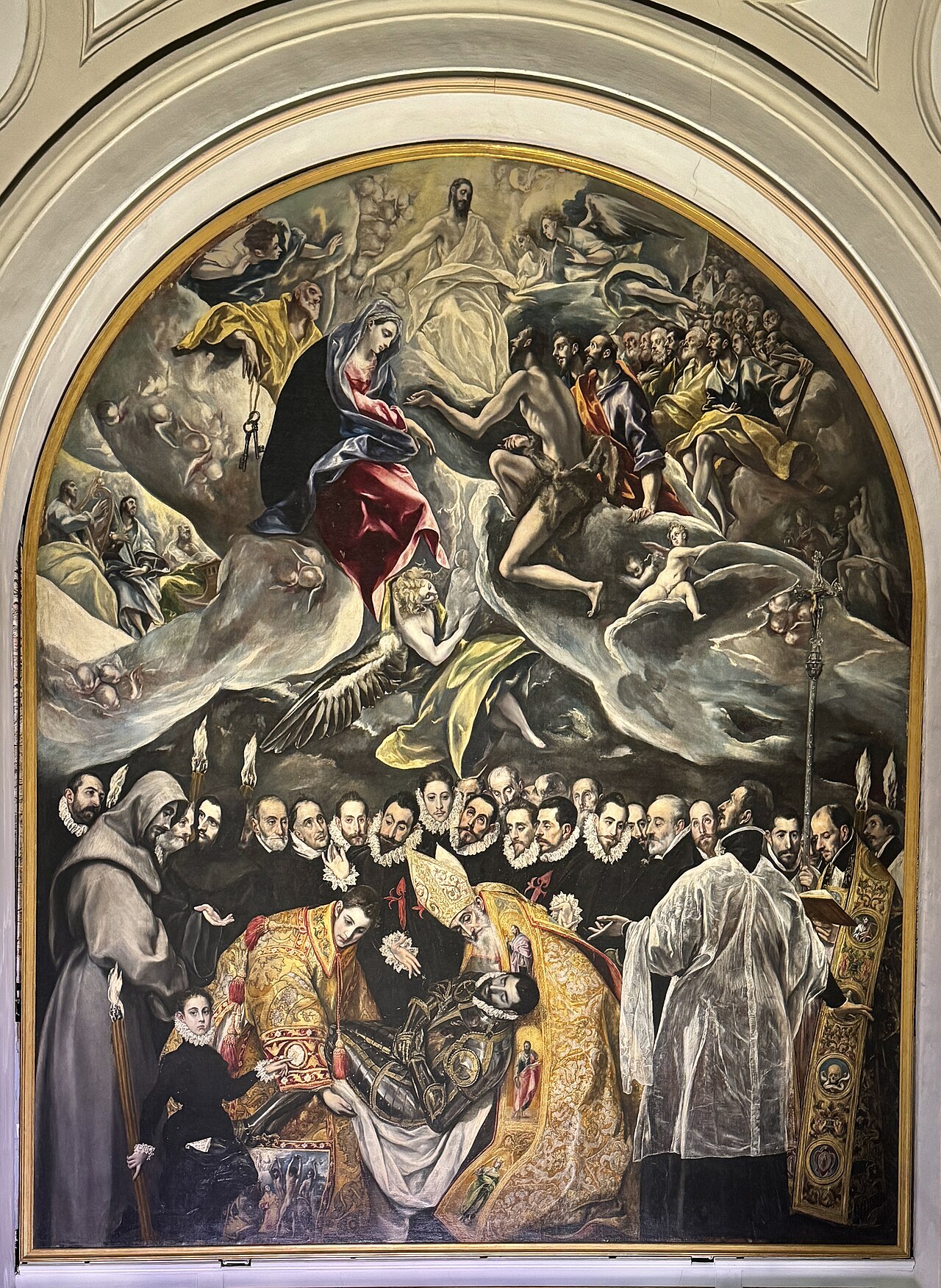
If you see Santo Tome first, you will have the monumental painting in mind when you arrive here, and the smaller works will reveal how the artist developed his style. Consider a late-afternoon visit when the light softens and the garden is at its most inviting.
To get the most from the visit, read the introductory panels before you start. They explain how El Greco moved from Crete to Venice and Rome before arriving in Toledo, and how his style developed from Byzantine icon painting through Italian color to the elongated, visionary figures that define his mature work. Notice how many of the portraits on display show the same faces from different angles, because the workshop produced multiple versions of popular subjects.
The gift shop is better than most museum shops, with quality books and prints. If the garden is open, take a few minutes there before leaving; it is one of the calmest corners of the quarter.
What to expect
The experience
A compact, self-guided museum in a house-and-garden setting, with a set of apostle portraits, a view of Toledo and context on the painter's life.
Best time
Late afternoon for soft light and a quiet garden. Closed one day a week.
How long
About an hour.
Tips
See Santo Tome first for context. Check for free or reduced-price periods.
Quick picks
- Best for
- Art lovers wanting more El Greco after the cathedral and Santo Tome.
- Families
- Short enough for older kids; the garden helps.
- Couples
- A calm indoor stop in the heat of the afternoon.
- Pair with
- Santo Tome and the Sephardic Museum.
- Time needed
- One hour.
Good questions
Did El Greco live in this house?+
Not exactly; the museum recreates a typical Toledo home near where he lived.
What are the highlights?+
The Apostolado series and the view and plan of Toledo.
Is photography allowed?+
Often without flash in some areas; follow the posted signs.
Is it free?+
Entry is low cost, with free or reduced periods set by the museum.
How long does it take?+
About an hour.