There is no single best time to visit Tromsø, because the city offers two almost opposite versions of the Arctic. In the dark half of the year it is a place of aurora, snow and polar twilight, and in the light half it is a place of endless daylight, green mountains and long evenings outdoors. Choosing between them depends on what you want to see, and this guide lays out what each season actually delivers, with the dates stated plainly.
Northern Lights season
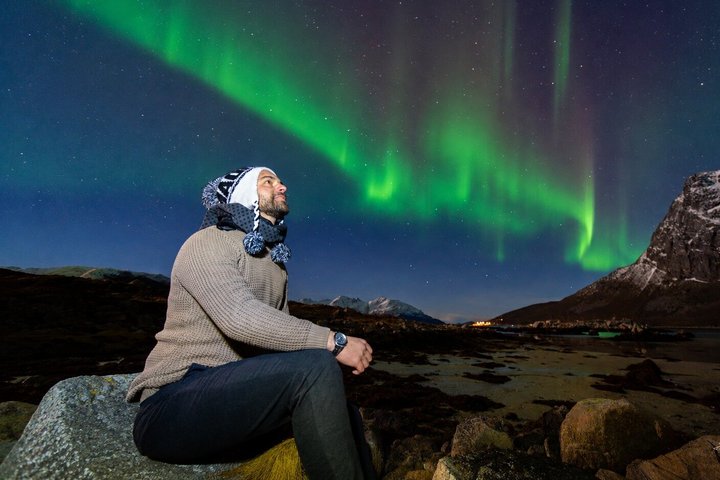
Visit Tromsø puts the aurora season at late August to early April. The lights need darkness and a clear sky, so the odds improve as the nights lengthen after the autumn equinox and stay good until early spring. The best months are generally the middle of winter, from December through February, but the honest advice is that clear skies matter more than the exact month, so give yourself several nights. Nobody can guarantee a sighting, and the chase tours drive to wherever the cloud breaks.
Polar night and deep winter
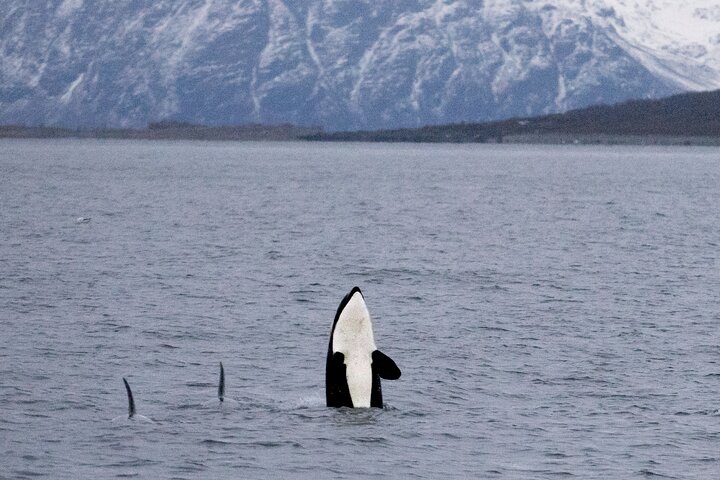
The sun stays below the horizon from around 27 November to 15 January, but it is not pitch black. A few hours of blue and pink twilight around midday give the town a soft, unusual glow, and it is lovely for photography. Snow is generally reliable by December, which is the best time for husky sledding, reindeer sleigh rides and snowshoeing. The whale season runs roughly from early November to the end of January, though timing varies from year to year, and some seasons end early. This is the peak period for visitors, so book tours and hotels well ahead.
Late winter: February and March
This is a favourite among locals and repeat visitors. The days grow quickly, the snow is deep and the aurora is still strong. Daylight lets you do more outdoors, so husky sledding, snowshoeing and the fjord road trip are at their best, and the evenings still offer aurora chances. The cold can be sharp, but the light is excellent. The whales have usually moved on by now, so if they matter, come earlier.
Spring: April and May
Spring is the shoulder season, with melting snow, longer days and fewer visitors. The aurora fades as the nights brighten, with the season ending in early April, and the whale season is over. Some winter tours stop running, so check what is available before you book. It can be a good time for quiet walks and lower prices, but it is the least predictable period for weather and snow.
Midnight sun: roughly late May to late July
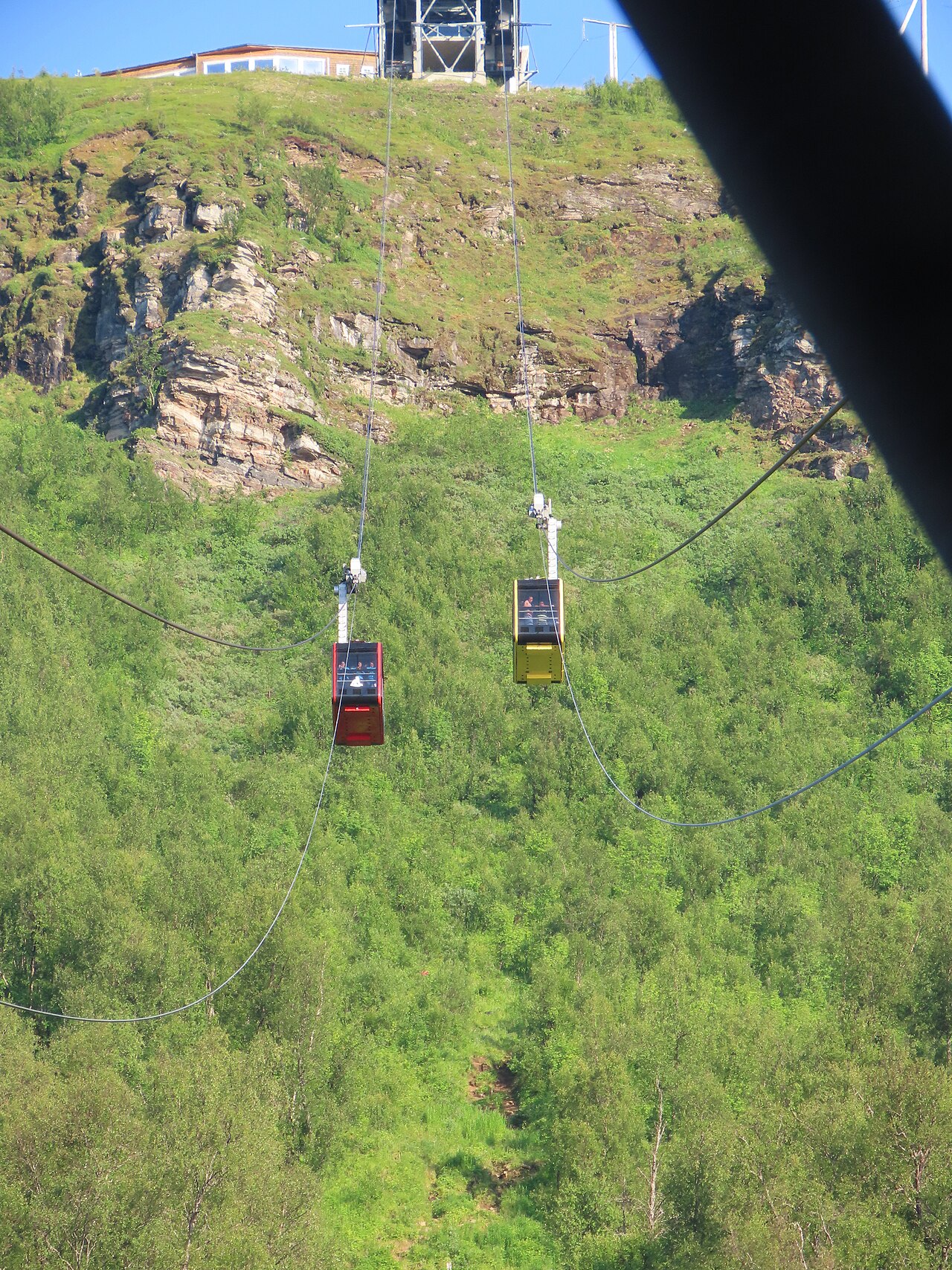
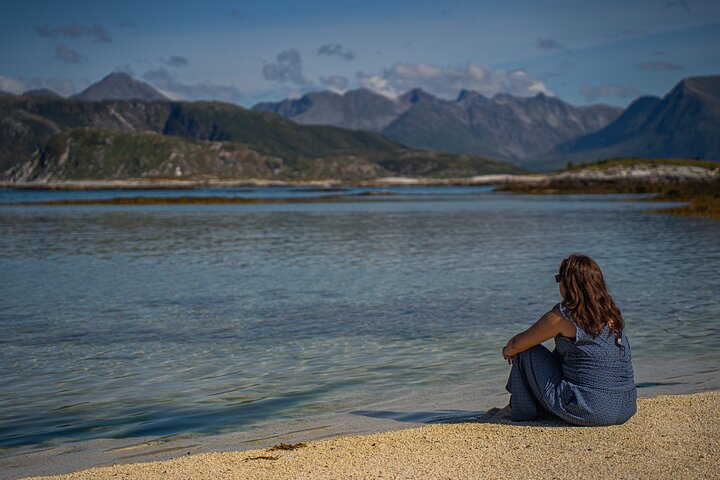
The sun does not set for about two months. The city is lively, the mountains are green and the evenings invite long walks, harbour terraces and trips to the fjords. The Fjellheisen cable car to Storsteinen is wonderful in the small hours, and the fjord road trip to Kvaløya and Sommarøy is at its best with endless light. The trade-off is that there is no aurora and that sleep takes effort, so bring an eye mask. Hotels can be easier to book than in winter, though the midsummer weeks are popular.
Autumn: late August to October
The aurora returns as darkness does, and the mountains turn gold and red, which makes this a good compromise for travellers who want lights without deep winter cold. There is little snow, so winter activities that need it, like sledding, may not run until later. Crowds are smaller than in midwinter, and prices are often lower.
What to book by season
In winter, book the aurora chase first, then husky sledding, reindeer and the whale boat, which sell out in peak weeks. In summer, book the fjord road trip and any boat trips, and reserve dinners. In the shoulder seasons, check which tours are operating and keep your plans flexible.
How long to stay
Three nights is the minimum for the aurora, and four or five improve your odds. In summer, two or three days are enough for the main sights.
What to wear
In winter, wear layers with a windproof shell, insulated boots, a hat and good gloves, or rent clothing in town, and note that some tours provide thermal suits. In summer, bring a waterproof jacket and warm layers, because the weather changes fast and the sea breeze is cool even on bright days.
Our recommendation
For a first visit, choose the first half of December to the end of February, when snow, aurora, polar twilight and, early on, whales overlap. Choose late May to July only if daylight and landscapes appeal more than the lights.