Tromsø is a better family destination than its remote, cold reputation suggests. The city is compact, many of the best activities are gentle, and children tend to remember the animals more than the aurora. The challenge is not finding things to do but pacing them, because the dark season brings short daylight, long tours and late nights. This guide shows how to choose, what suits which ages and how to keep everyone warm and happy.
Start with the easy wins
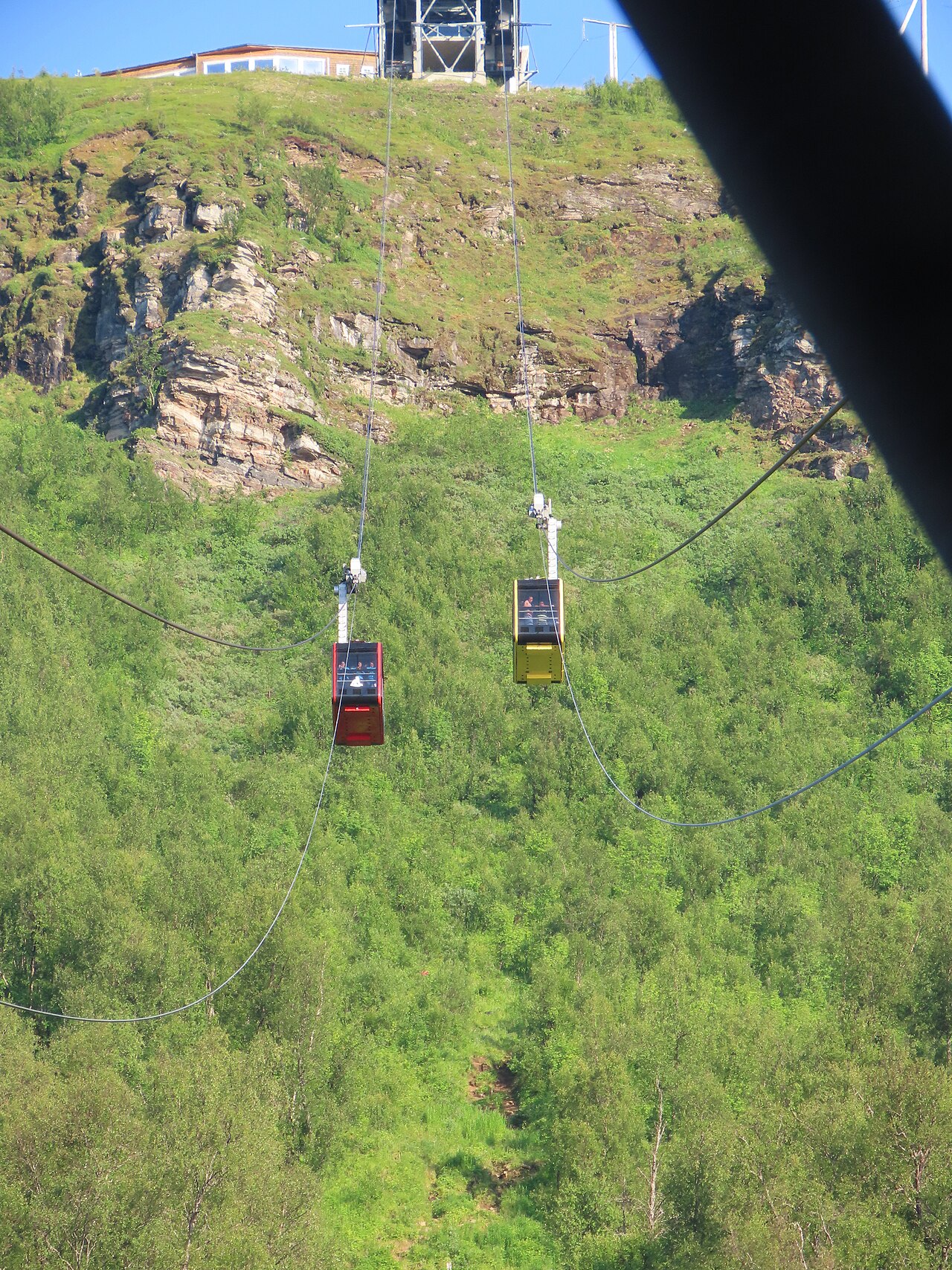
Polaria is the strongest family sight in town. Bearded seals are trained and fed at 10:30, 12:30 and 15:30 each day, and the sessions are the part children remember best. Add the panorama cinema, the tanks of fish and king crab and the interactive exhibitions, and you have a morning or afternoon that works in any weather. The Fjellheisen cable car is the other no-fail choice. The ride takes only a few minutes, children love the cabin and the snowy plateau at the top, and family tickets are available. A carrier works better than a pushchair at the top, where the platform can be icy and windy.
Animals that suit small children
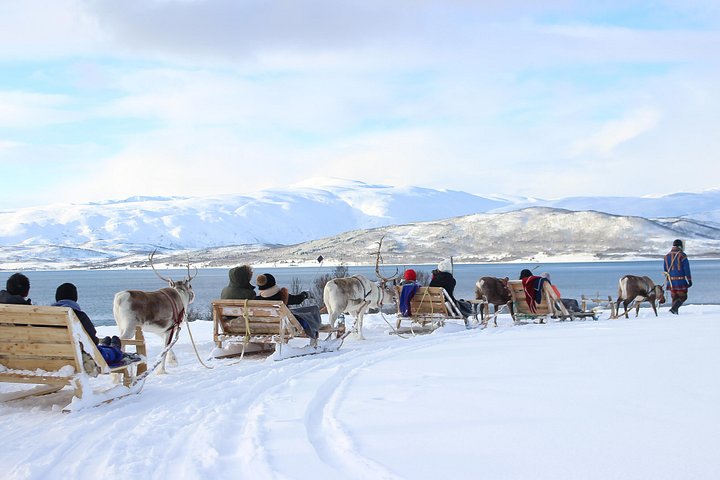
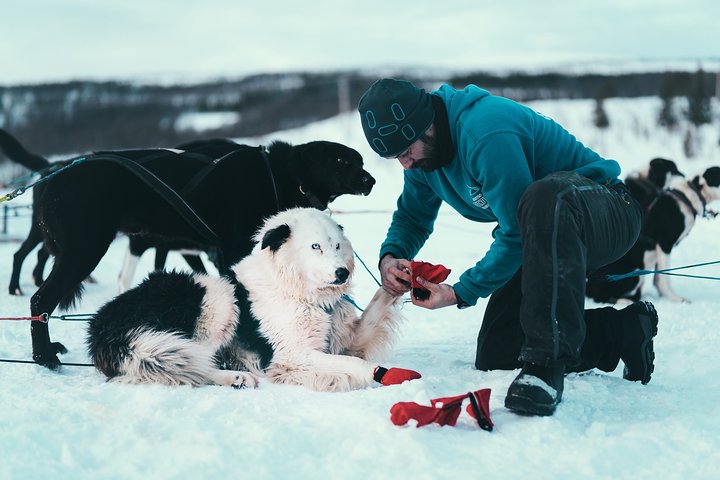
The reindeer and Sámi tour is the gentlest winter experience for families. You feed the reindeer, take a slow sleigh ride, sit around a fire in the lavvu and eat a warm lunch, all in about four hours with a bus from the centre. It suits nearly any age. Husky sledding is more energetic. Travellers from age seven can join, with children sharing a sled with a parent, so it is a good choice for school-age children who want some adventure. Check the age limits for any tour before you book.
What is better for older children
The aurora chase is the biggest question. It is a late and long evening, often with stops outdoors in the cold, so it suits older children and teenagers better than toddlers. The big bus chase is more comfortable and sociable, while the small-group trip has thermal suits and a campfire but a quieter, longer night. Whale watching is a long day of seven to nine hours, so it suits children who can manage a full day on a boat, and sightings are never guaranteed. Snowshoeing needs a moderate level of fitness, so it is best for older children. The fjord road trip is a comfortable five to six hours in a car with hotel pickup, and child booster seats are available on request for children over 135 centimetres.
Museums for a rainy or stormy day
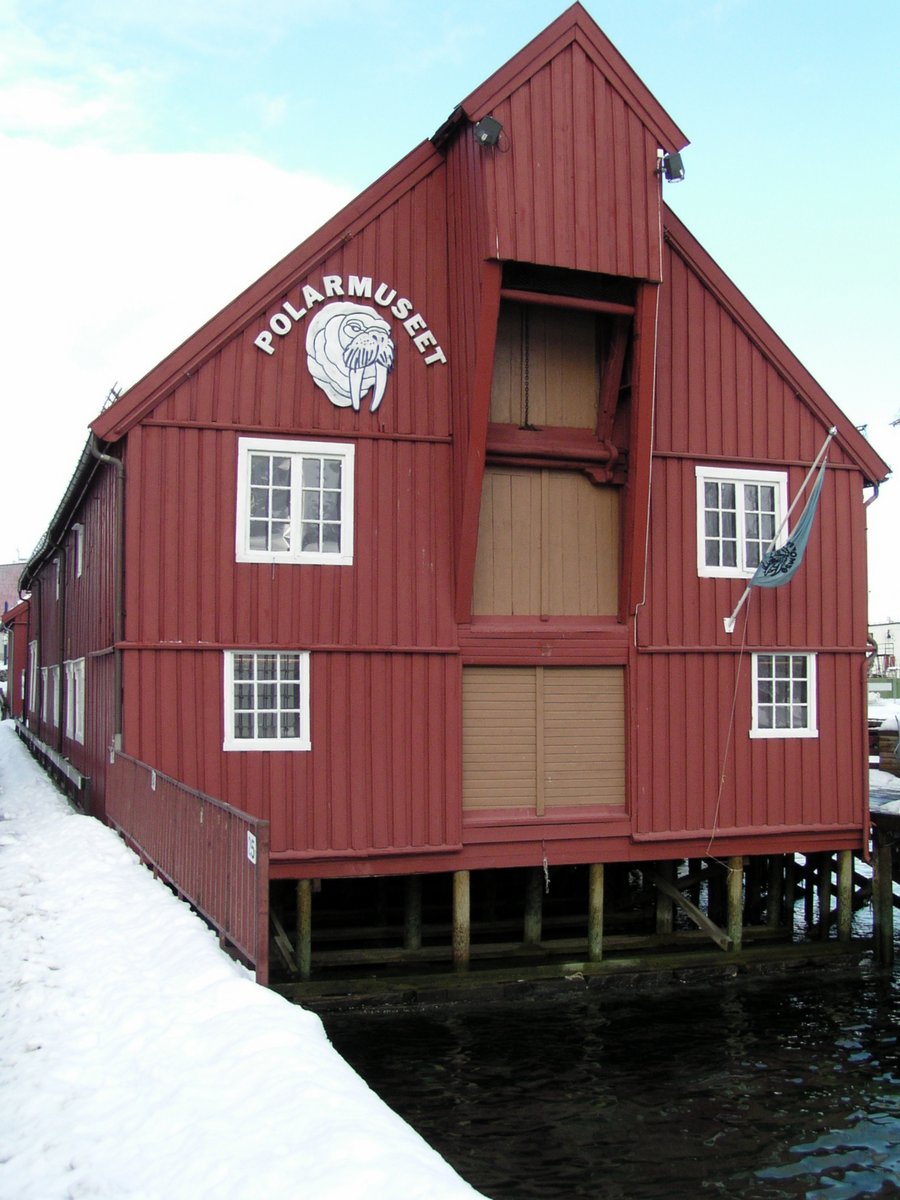
The Polar Museum is a historic harbourside building covering Arctic expeditions and trapping, and children under 18 go in free. Some of the hunting displays are detailed, so it suits school-age children better than the very young. A treasure hunt style approach, spotting objects and asking questions, keeps them engaged. The Arctic Cathedral takes only thirty to sixty minutes, and under-twelves go in free, so it is an easy add-on to a cable car trip.
How to dress them
Layers are the rule. A thermal base layer, a warm mid-layer and a windproof, waterproof outer shell, plus insulated boots, a hat, a neck warmer and warm gloves or mittens, will see you through most days. Some tours supply thermal suits and boots, including husky sledding, which removes the burden of packing for the coldest part of the trip. Pack spare mittens and socks, because wet hands end a day quickly. Pavements stay icy, so boots with grip matter more than style.
Pace the days
The best advice is one main activity a day, with a warm break for food in the middle. Do not stack a morning tour with a late chase and a cable car trip. Choose the one that matters most for each day, and let the rest of the time be hot chocolate and a quiet hotel. Because the aurora is weather dependent, choose a hotel where children can sleep and where breakfast is easy. A free breakfast buffet saves money and time, and Thon Hotel Polar has one.
In summer
From roughly the third week of May to late July the sun stays up around the clock, so bedtimes get tricky. Bring eye masks. The cable car, the fjord road trip and walks along the harbour are all good, and children can play outdoors late into the evening, though the water is cold even in summer. The aurora season is over, so the family focus shifts to landscapes and animals.
Practical tips
Take snacks and a thermos, because cafes can be far apart on tours. Carry a card for payments, since most places in Norway are cashless. Tell tour operators the ages of your children when you book, because seat arrangements and minimum ages differ. Keep plans flexible, because weather can move a tour.