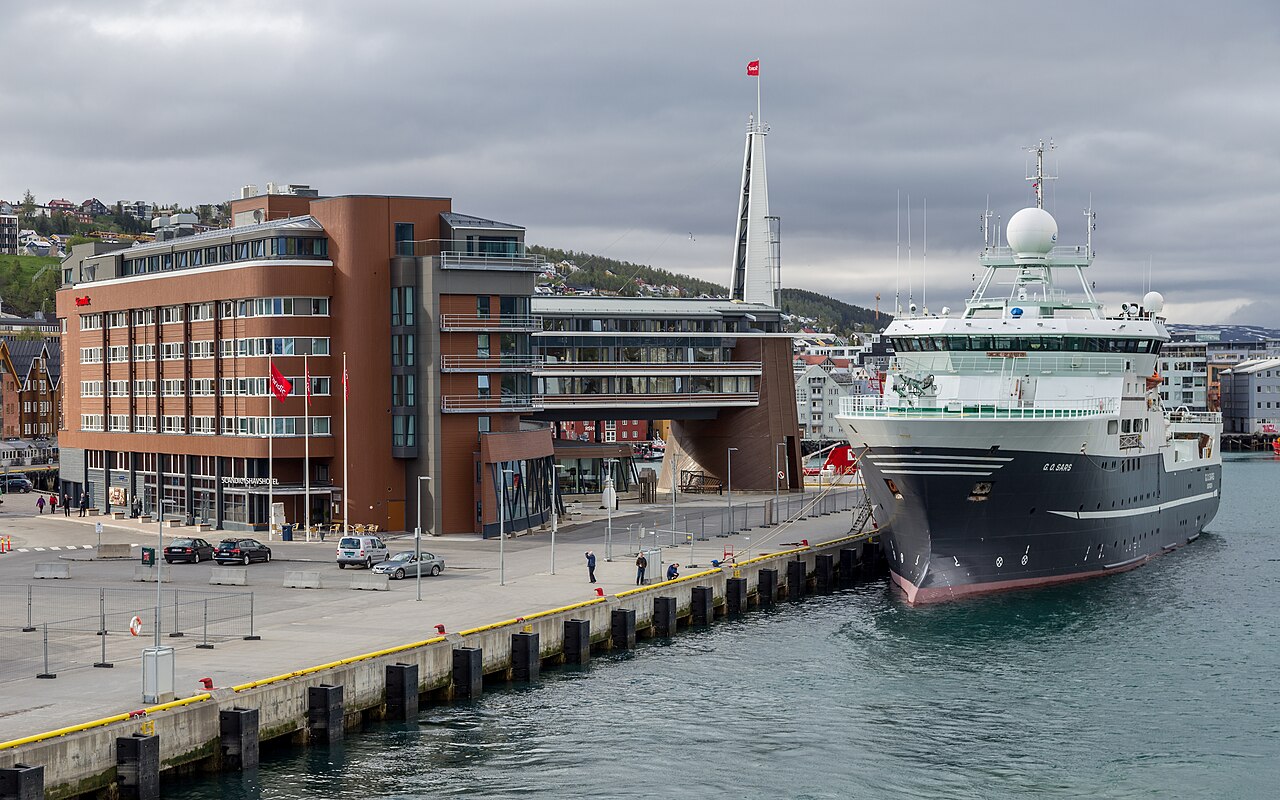
Three days is the length of stay that makes Tromsø work. It gives you one day for the town, one for animals and snow, one for the big landscapes and, above all, two or three separate evenings in which the sky might clear. The plan below is written for the dark season, from autumn to early spring, because that is when most people come for the Northern Lights, with notes at the end for the light summer months. Every sight in it is within a short bus ride or a tour pickup of the centre, so you will not need a car.
Before you start
Book the aurora chase for the first evening, not the last. Aurora tours cannot promise anything, so a spare night is your insurance policy, and most operators let you rebook or cancel in advance if the forecast is hopeless. Book the day activities you care about most, whether husky sledding, whales or the reindeer camp, as soon as your dates are fixed, because small-group departures fill up in peak weeks. Everything else in this plan can be decided on the day.
Day one: the town and your first chase
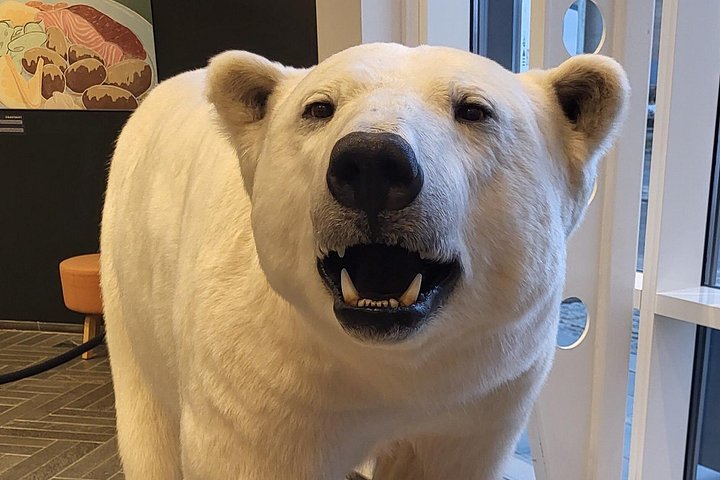
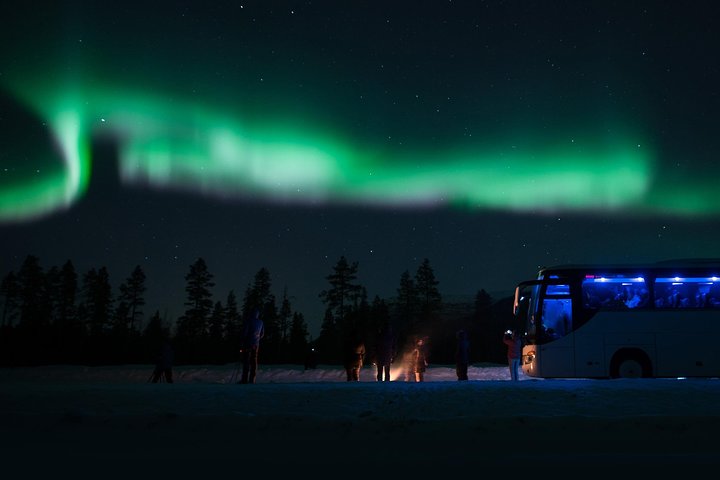
Start on the waterfront. Polaria is the obvious first stop, with its bearded seals trained and fed at 10:30, 12:30 and 15:30, its tanks of northern fish and king crab and a panorama cinema, and it gives you a warm introduction to Arctic ecology. Walk along the quay to the Polar Museum, which covers the age of Arctic expeditions and trapping in a historic harbourside building, and which is also open every day. By then the early dark of winter may already be settling, so take a long, slow dinner and rest. Then join the evening aurora chase. The big bus option is the better value and the small-group version has thermal suits and a campfire, so choose by budget and how much you value a quiet group. Expect to be out for many hours, and do not plan anything early for the next morning.
Day two: snow, dogs and reindeer, then the mountain
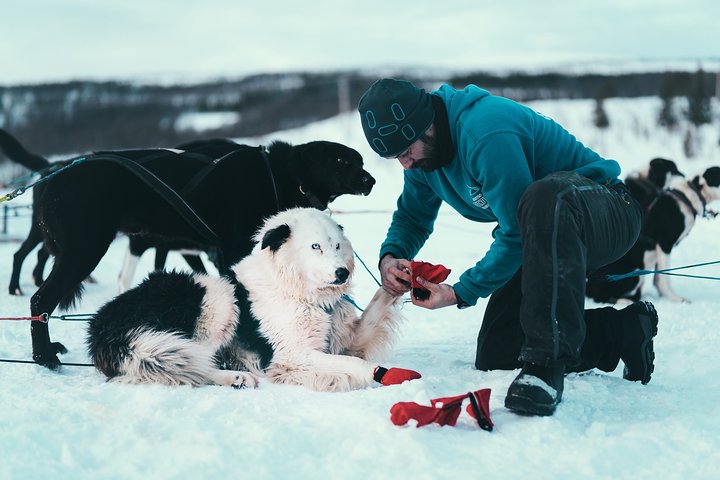
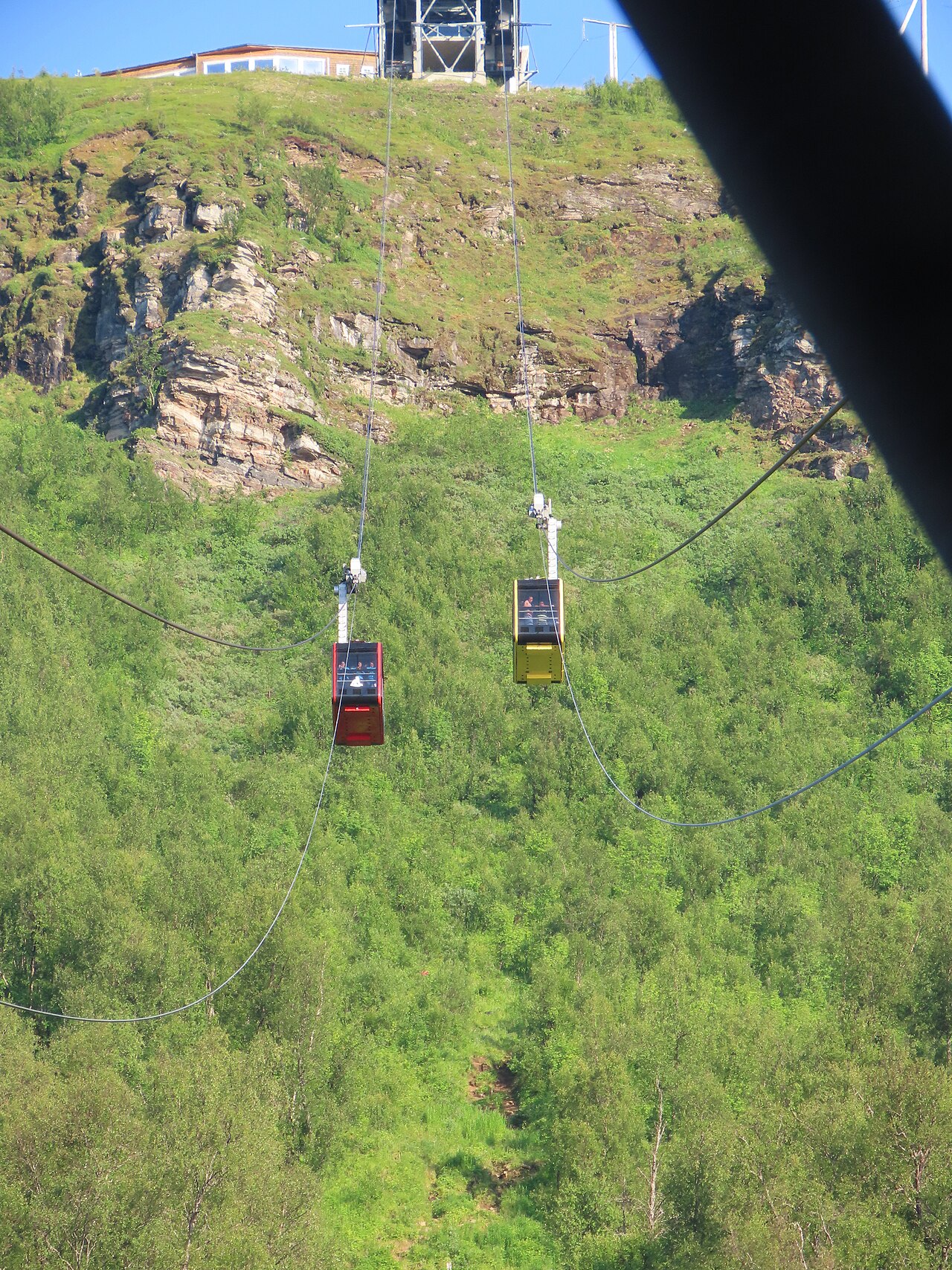
Day two is for the hands-on Arctic. In the morning or early afternoon choose one animal experience. The husky sledding trip lets you drive your own team and takes about four hours, with thermal suits and boots provided. The reindeer and Sámi tour is gentler, a four-hour half day with a sleigh ride, a lavvu and a lunch, and it suits anyone who prefers culture to adrenaline. If you would rather walk, the guided snowshoe hike gives a quiet few hours in the valleys. Come back to the hotel for a hot shower, then take the Fjellheisen cable car in the evening. The ride to Storsteinen, 421 metres above the sea, takes only a few minutes and the cable car runs until midnight, so you can see the city lights and, if the sky obliges, a free aurora. It also works as a fallback if the chase tour was cloudy.
Day three: the big landscapes
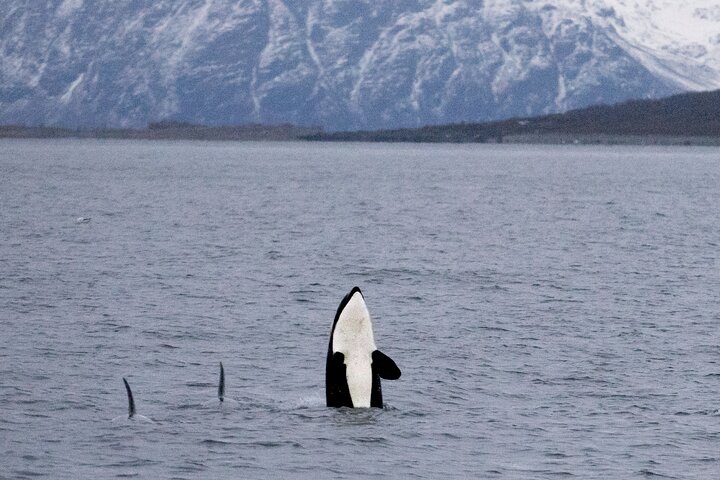
Spend the third day outside the city. In the whale season, which runs roughly from early November to the end of January, the silent hybrid-electric boat is the headline choice. It is a long day of seven to nine hours with indoor saloons and a cafe on board, and sightings are never guaranteed. Outside the whale season, or if you do not want a long boat day, the fjord road trip to Kvaløya and Sommarøy is the best alternative, five to six hours of beaches, peaks and fishing villages with a picnic. Either way, finish with a quiet dinner, because the third night is the last chance for a spare aurora attempt. If the weather has been bad and you have not yet seen the lights, use this evening to repeat the chase.
The Arctic Cathedral fits anywhere
The white church across the Tromsø Bridge takes only thirty to sixty minutes, and it sits at the foot of the cable car, so combine them on day two. Tickets are inexpensive, and children under twelve go in free. Services, weddings and concerts can affect access, so check the hours on the day.
If your weather turns
The beauty of this plan is that nothing depends on a single day. If a storm closes a fjord road or cancels a boat, swap days. Polaria and the Polar Museum are the indoor insurance, and both are open every day. Wind is the thing most likely to disrupt an outdoor excursion, so keep one half day flexible.
In summer
From roughly the third week of May to late July the sun does not set, and aurora season is over. Replace the chases with the cable car at the small hours for the midnight sun, keep the fjord road trip, add a hike up to the Storsteinen plateau and spend long evenings on the harbour. The animals and cultural sights still work, and you will not need thermal clothing.
Getting around
Walk the centre. Local buses cross the bridge to the Arctic Cathedral and the cable car, and tours collect from hotels or central meeting points such as the Prostneset terminal and the quay by the Scandic Ishavshotel. Carry a card, because most things in Norway are paid for electronically. Wear boots with proper grip, since pavements stay icy for months.