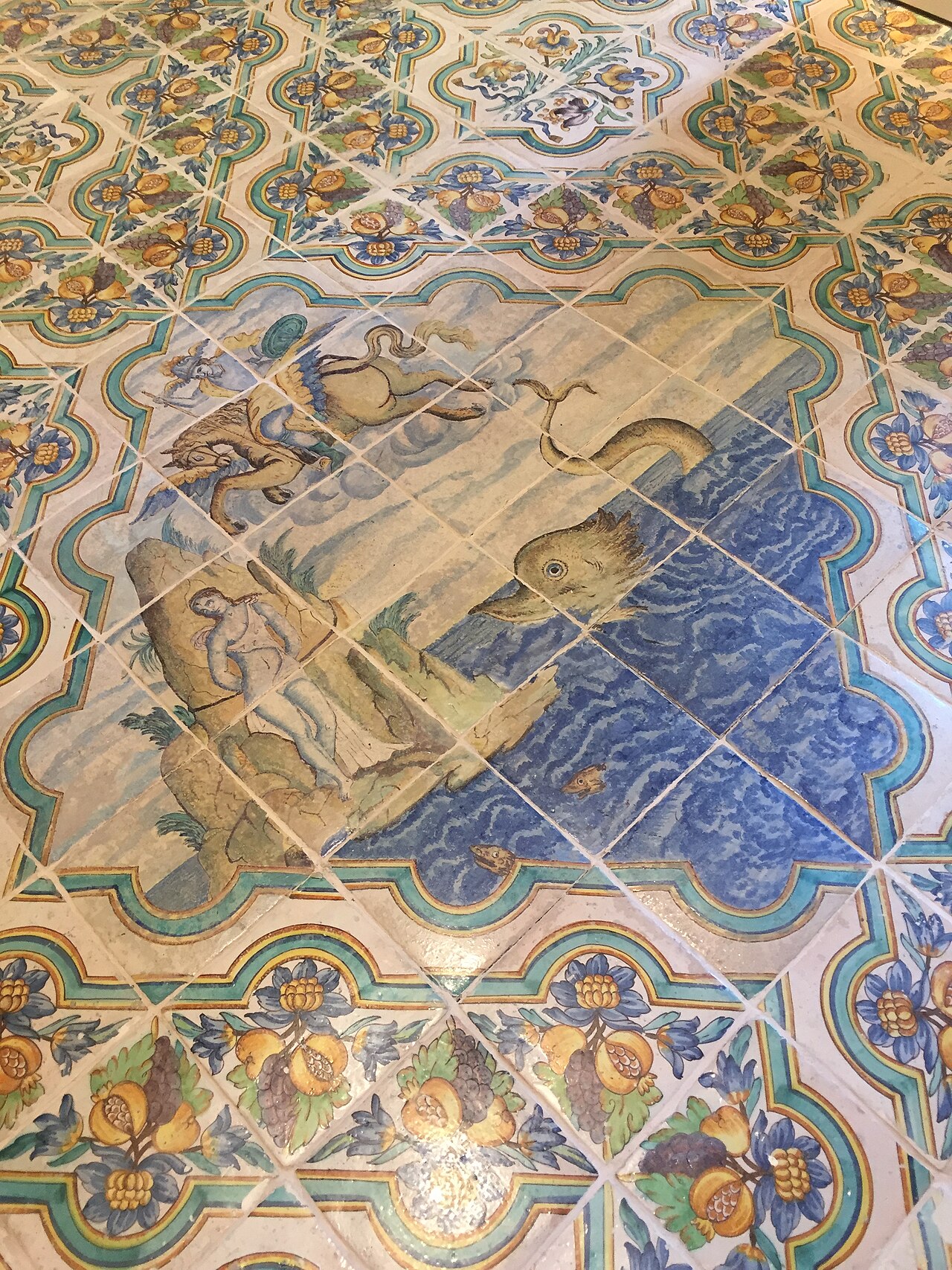
Tiles are everywhere in Valencia. They cover church domes and market walls, decorate benches in parks, frame house doors and line the interiors of old palaces. The region has made ceramics for many centuries, and the nearby town of Manises is famous for its glazed lustreware, which once graced the tables of kings across Europe. A tile workshop gives you a chance to learn about that heritage and then make a piece of your own. A local artist or guide introduces the history, patterns and symbols that appear in Valencian tiles, from blue and white geometric designs to rich floral and figurative scenes. Then you are given a blank tile, paints and brushes and shown how to transfer a design, apply colour and finish the piece. The session is calm and creative, suited to beginners, and the aim is a handmade souvenir rather than a perfect work of art. The finished tile may need to be fired, so check how you will receive it, since some workshops let you collect it later or arrange delivery. It is a pleasant change of pace from museums and walking, and it suits couples, friends and families who like crafts. Many people say it helps them notice tiles throughout the city afterwards.
How to take it
Sessions run in a studio or workshop space in the city and last two to three hours. Wear clothes that can get a little paint on them, and bring a small bag for your finished tile. Tell the organisers in advance about children, accessibility needs or any wish to buy extra tiles. Check whether the price includes materials, firing and collection.
What to expect
The workshop usually begins with a talk on the tradition, using examples from buildings and museums. You then choose a design, from classic patterns to simple scenes, and paint your tile with guidance. Brushes, colours and templates are provided, and the instructor helps with technique, so you do not need artistic ability. After painting, tiles are normally left to dry or sent for firing, which makes the piece durable. You may take it away on the day if it is a dry-finish tile, or collect it later.
Making the most of it
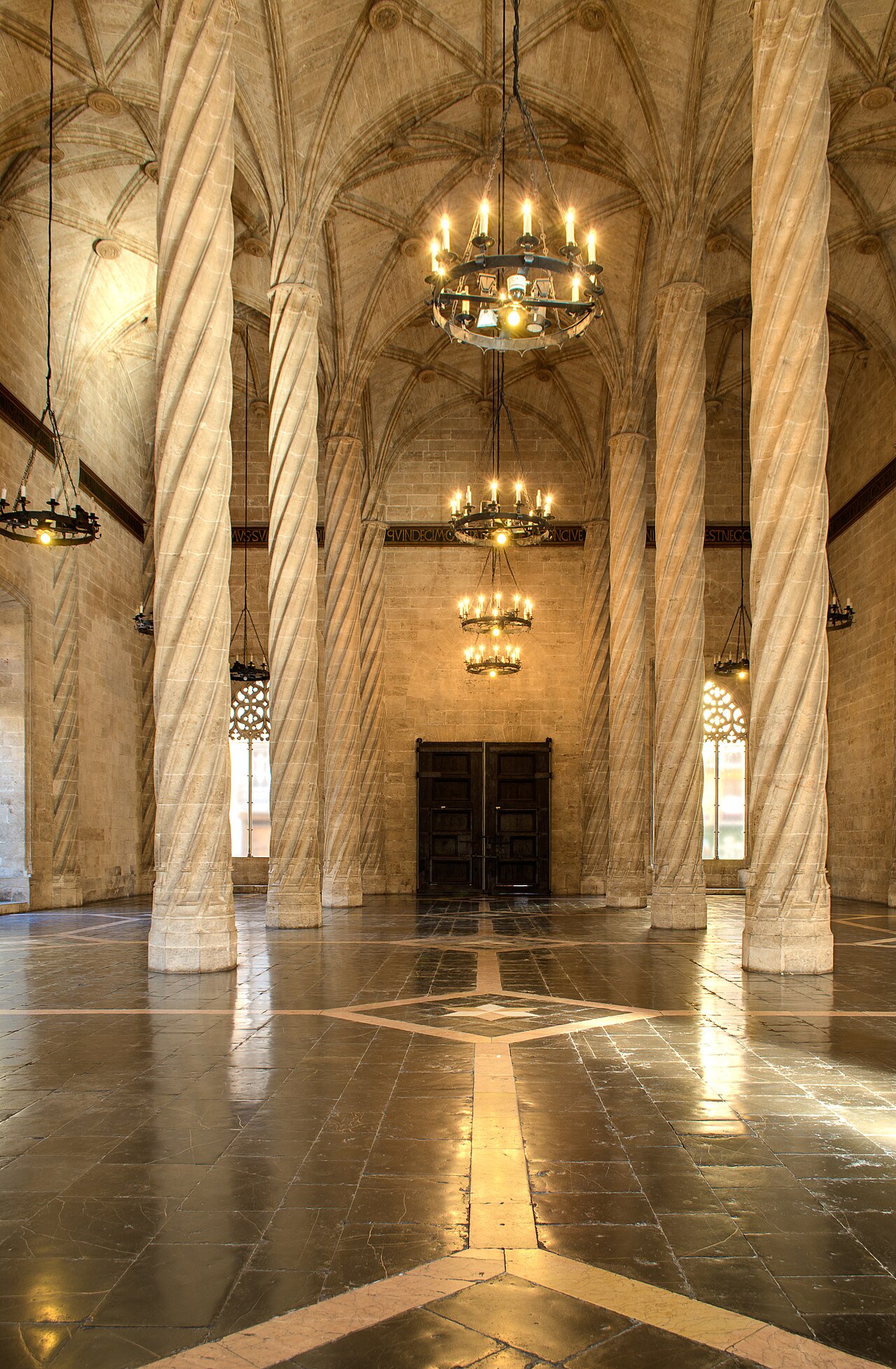
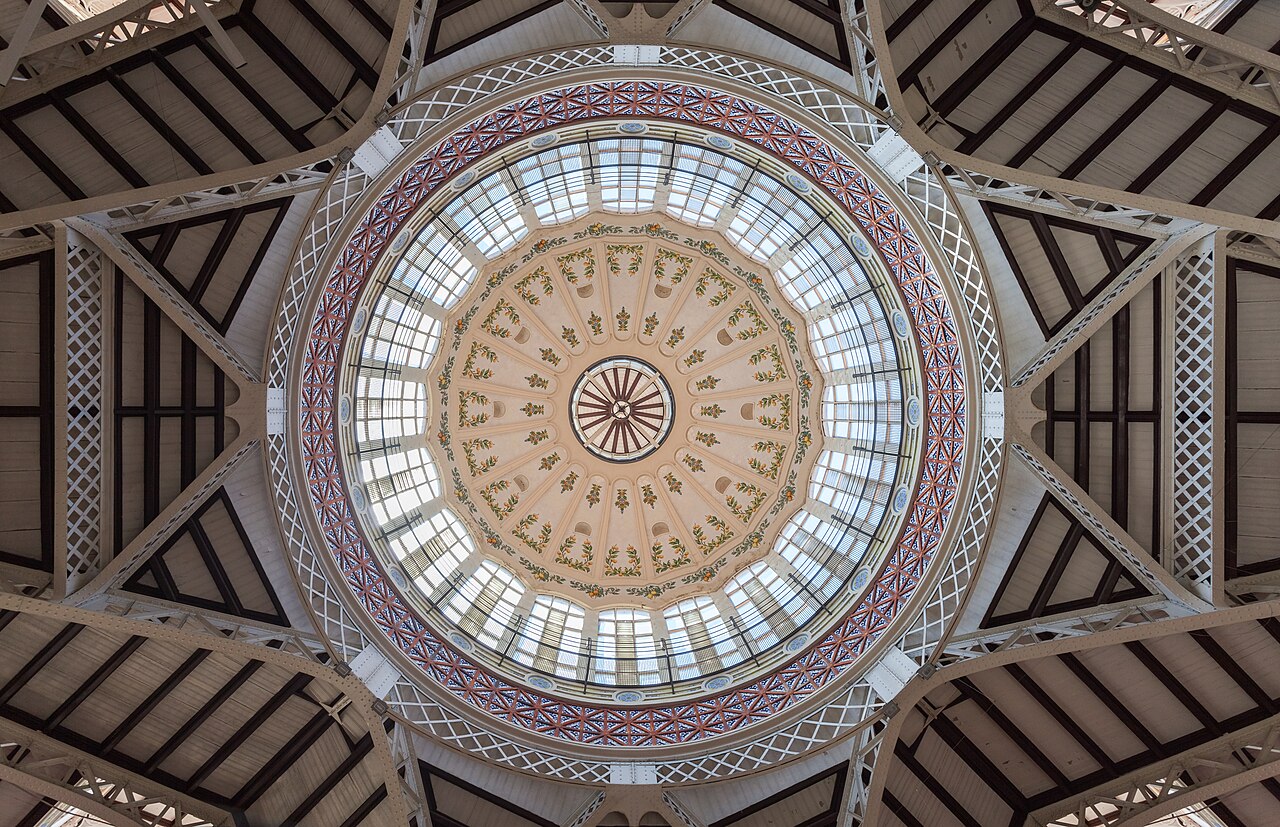
Plan your visit so that you have time to see tiles elsewhere in the city, such as in the Mercado Central, the Silk Exchange and the National Ceramics Museum in the old town, which holds fine examples of local work. If you are interested in the production side, a day trip to Manises shows where much of the region's pottery is made.
Families with children aged around seven and above usually do well, though younger children can join with help. Book early for busy periods. A hand-painted tile makes a thoughtful gift, and wrapped carefully it travels well in a suitcase. Ask the instructor about shipping if you prefer.
Good to know
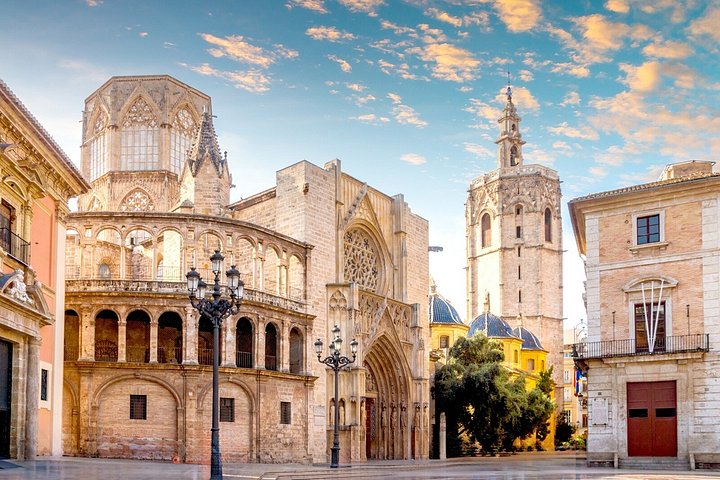
Tile painting is gentle and absorbing, and many people find the hours pass quickly. Colours can look different after firing, becoming deeper and glossier, so ask the instructor to explain what to expect. Pairing the workshop with a stroll to see tiled facades and domes, including the tiled domes and the market entrances, helps you appreciate how much craft sits in the city's everyday surfaces.
What to expect
The experience
A short talk on the ceramic tradition followed by a hands-on tile painting session.
Best time
Any time, especially midday heat or rainy weather.
How long
About two to three hours.
Tips
Wear clothes that can take paint and ask how and when you will receive your finished tile.
Quick picks
- Best for
- Creative travellers who want a handmade souvenir.
- Families
- Good for children from around seven; younger ones need help.
- Couples
- A calm, creative session for two.
- Pair with
- The Silk Exchange and the Central Market.
- Time needed
- Allow half a day.
Good questions
Do I need artistic skills?+
No. The session is designed for beginners, with templates and guidance.
Can I take the tile home the same day?+
This depends on the workshop. Some tiles need firing, so ask how and when you will receive yours.
What is special about Valencian tiles?+
The region has a long ceramic tradition, with the town of Manises known for glazed lustreware and patterns that appear across the city.
Is it suitable for children?+
Yes, children from around seven can usually join, though younger ones need extra help.
Where can I see more tiles?+
In the Central Market, the Silk Exchange, churches and the National Ceramics Museum in the old town.