Vancouver was once covered in towering rainforest, and some of the giants still stand. This walking tour introduces you to the oldest trees in the city and the stories attached to them.
Beneath the city streets and parks, Vancouver's landscape is a story of trees. The coastal rainforest that once covered the peninsula was home to some of the largest conifers on earth, and a few ancient giants survive in parks and reserves. The Ancient Trees of Vancouver Walking Tour is a guided introduction to these survivors, with commentary on their ecology, their age and the human history that surrounds them.
The tour is a walk, not a hike, so it suits most visitors who can manage a steady stroll. Expect to see large trees, hear about the species that make up the coastal forest and learn how they grow and survive in the wet climate. Check when you book exactly where the route goes, how long it runs and what it covers, since details can vary.
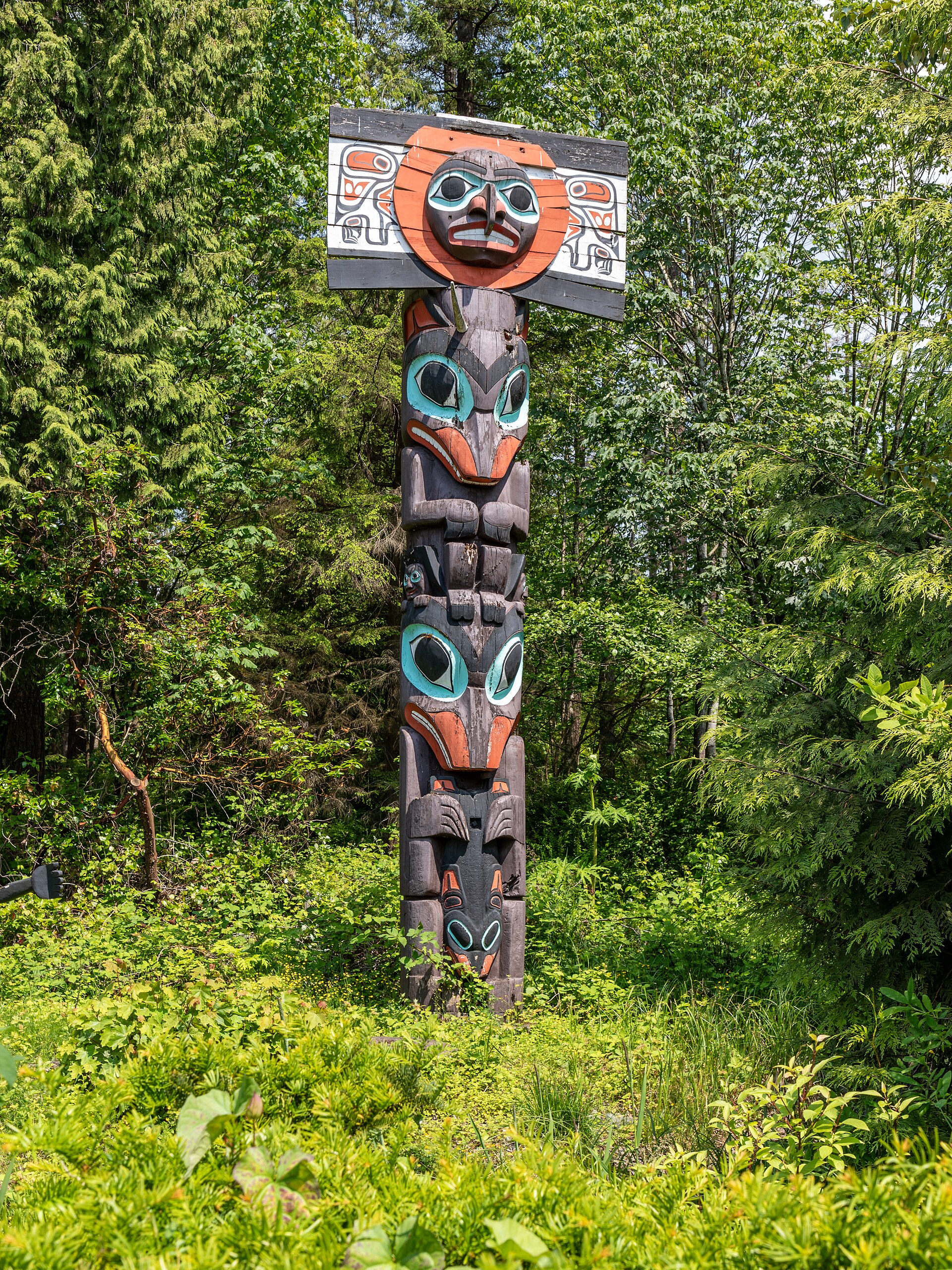
Guides often discuss the role that trees played for Indigenous peoples, who used cedar for houses, canoes and clothing, as well as the logging era that cleared much of the original forest.
A tree-focused tour changes how you see a park. Instead of passing the trunks as scenery, you start to notice the shapes, the moss, the bark and the plants that grow in their shade. Many visitors say that it makes them look more closely at the green spaces they pass later in the trip. Photographers will find plenty of subjects, from textured bark to light falling through the canopy.
Dress for the outdoors. Wear comfortable walking shoes with good grip, and bring a rain jacket, since the forest can be damp even when the sky is bright. Insect repellent is rarely necessary in the city, but sunscreen and water are sensible in summer. Check the operator's guidance on accessibility and terrain, and remember that forest paths can be slippery after rain.
A few extra details enrich the walk. Western red cedar, Douglas fir, Sitka spruce and western hemlock are the dominant species of the coastal rainforest, and each has a distinctive bark, needle and cone that your guide can help you identify. Fallen logs, called nurse logs, feed new seedlings, and moss and ferns grow on almost every surface in the damp climate. If you enjoy the tour, you can continue exploring on your own with a trail map, noticing how different the forest looks in each season.
Please stay on marked paths and avoid touching fragile roots, because compacted soil can damage the trees you came to admire. Bring a small notebook or a plant identification app if you like to record what you see, and consider returning on your own another day to visit a favorite tree in different light.
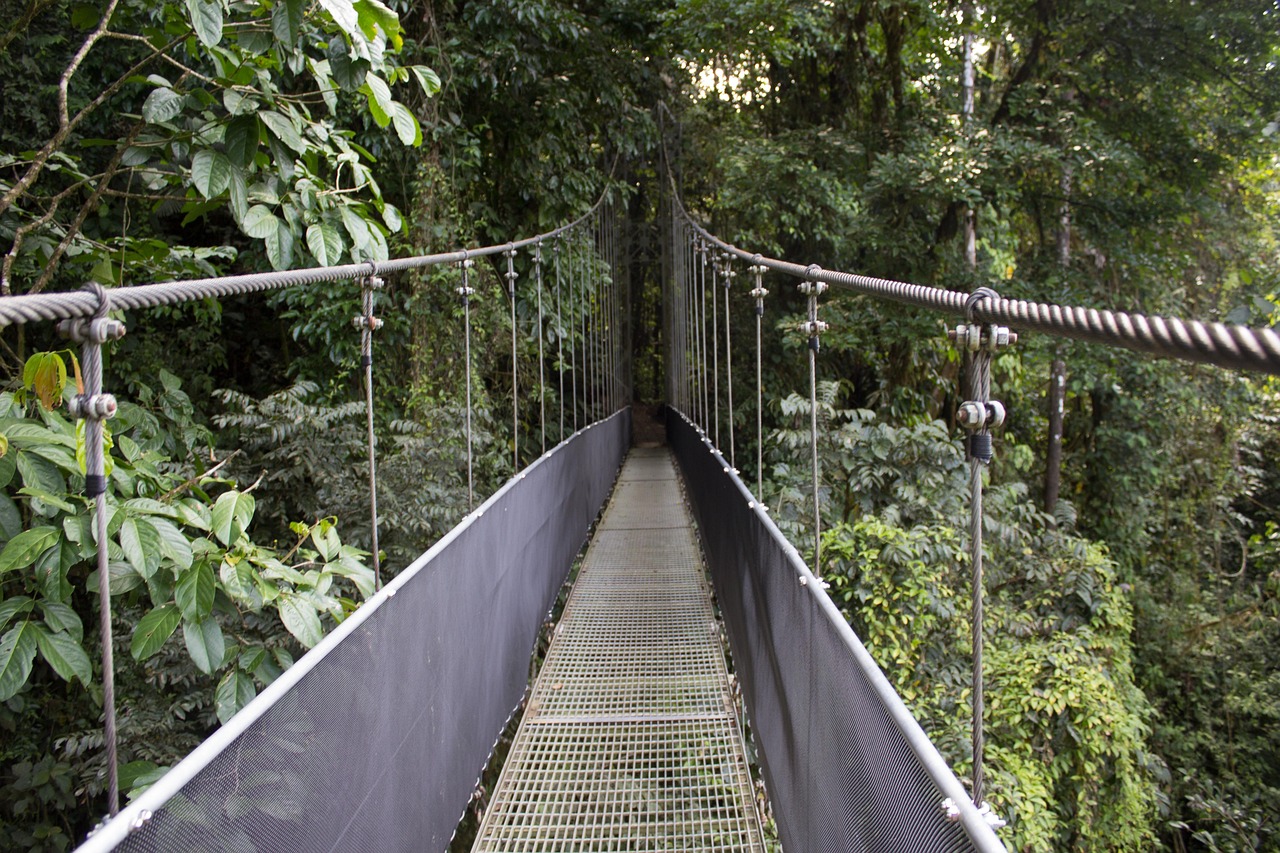
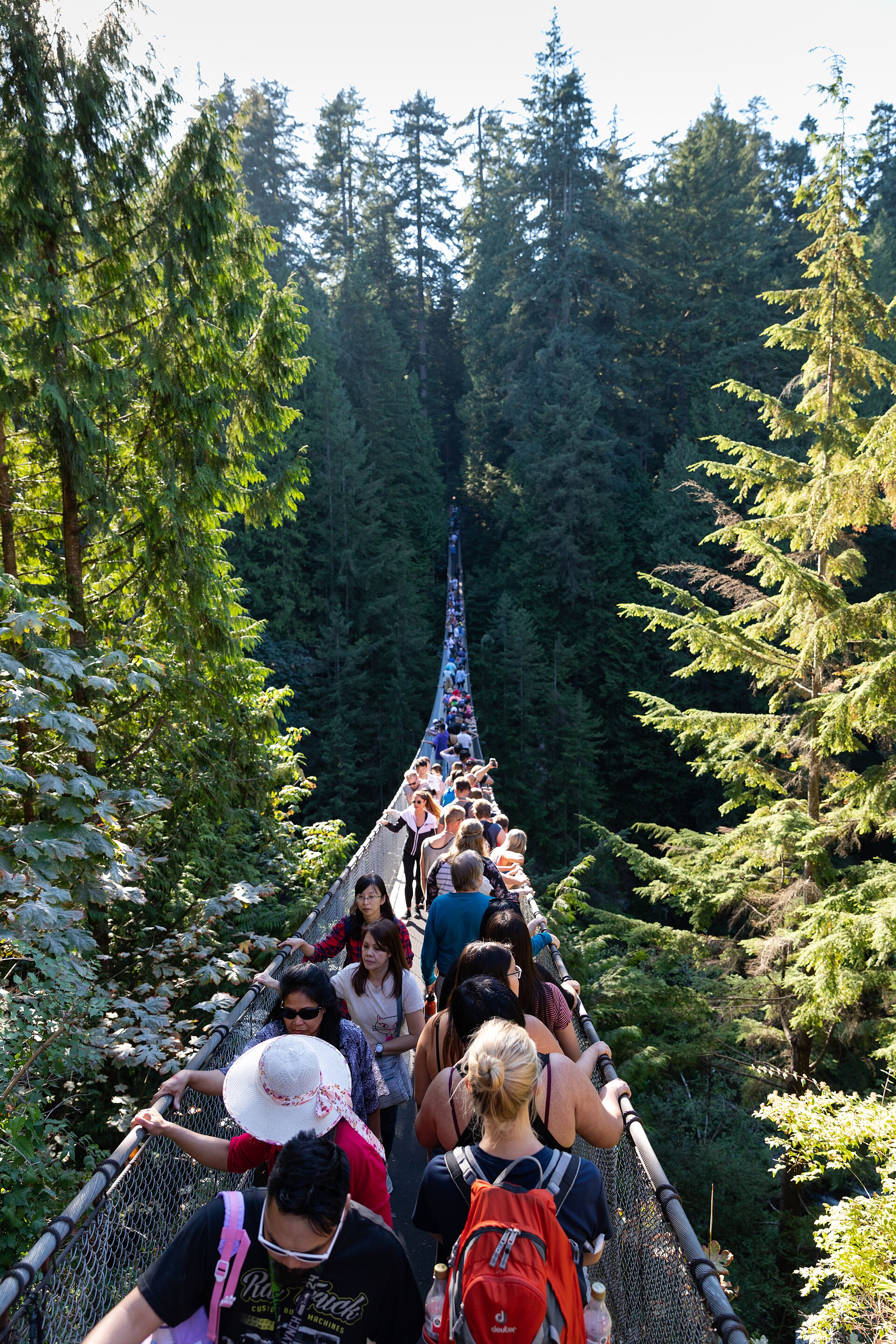
The tour pairs naturally with other outdoor activities in the area. Stanley Park has some of the most accessible old trees in the city, and a visit to the Seawall, the Indigenous walking tour or the nearby gardens makes a good companion. If you want more forest time, Lynn Canyon and Capilano offer a rainforest experience with suspension bridges. For a quiet, thoughtful way to connect with the natural history of Vancouver, this walk is a worthwhile choice.
What to expect
The experience
A guided walking tour among Vancouver's oldest trees, with commentary on ecology and history. Check when you book where the route goes.
Best time
Any time of year, though dry days are more comfortable. Mornings are quiet.
How long
Around two hours; check the exact length when you book.
Tips
Wear shoes with good grip and bring a rain jacket and water. Paths can be slippery after rain.
Quick picks
- Best for
- Nature lovers who want to understand the coastal rainforest and its giant trees.
- Families
- Good for curious older children; younger ones may find a two-hour walk long.
- Couples
- A quiet, atmospheric outing in the forest.
- Pair with
- Stanley Park, the Seawall and the Indigenous walking tour are all close.
- Time needed
- Allow two and a half hours.
Good questions
Is this a hike?+
No. It is a guided walk at an easy pace, but check the terrain for your route when you book.
Where does it go?+
The route is chosen by the operator, so check the details when you book.
Is it good for photography?+
Yes. Old trees, moss and filtered light make great subjects.
What should I wear?+
Comfortable shoes with good grip and a rain jacket, since forests are often damp.
Is it suitable for children?+
Yes, for children who enjoy walking and learning about nature.