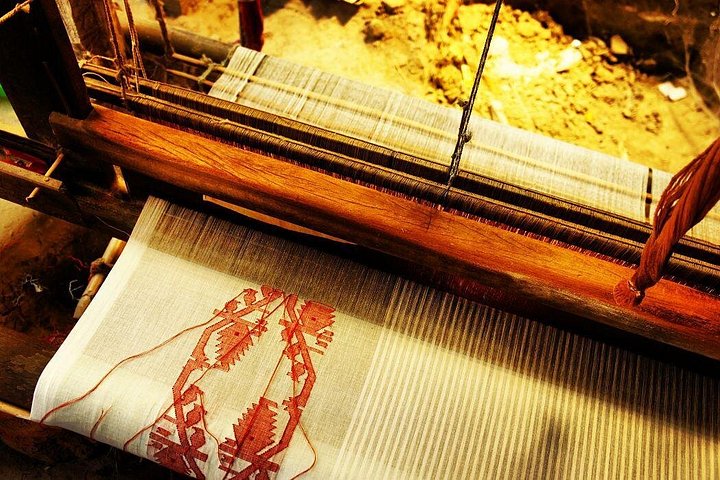
Most visitors see Varanasi as a river and a maze of lanes, but the city sits in the heart of the Gangetic plain, and within an hour of the ghats the landscape turns to wheat and mustard fields, mango groves, brick kilns and small farming villages. A village tour takes you there by car or tuk-tuk with a guide who knows the families, the paths and the customs, and who can translate the conversations that make the day. You walk through lanes between mud and brick houses, meet farmers, weavers or potters at work, see how cattle, milk and grain shape the daily routine, and are often invited into a home for tea or a simple meal. Children are usually curious and friendly, and the pace is slow and unhurried. The experience offers a counterpoint to the intensity of the city: quieter, greener and more private, with time to ask questions about farming, festivals, schooling, marriage and the changing economy of rural Uttar Pradesh. Many tours aim to benefit the villages directly, through payments to host families or support for local initiatives, and a good operator will explain how. Seasonal changes matter, so what you see depends on the time of year, from the green of the growing season to the golden stubble after harvest. It is a rewarding half day for travellers who want to understand where the food, the milk and many of the city's workers come from.
Why go? Because it makes the region tangible. After days of temples and ghats, a morning among fields and farmhouses shows another India: hospitable, practical and rooted in the seasons. The conversations are often the highlight, and visitors regularly remember a cup of tea in a courtyard longer than a famous monument.
How to do it
The tour is usually a half day, starting in the morning or the late afternoon, with transport arranged by the operator. Wear light, modest clothing that covers shoulders and knees, comfortable shoes that can handle dust or mud, and a hat and sun protection. Bring water and a small gift if you wish, such as sweets or school supplies, but ask your guide what is appropriate, since handing out money or sweets to children is discouraged in many places.
Ask before photographing people, and listen to your guide about customs, such as removing shoes before entering a home and not using your left hand to pass things. Food offered by hosts is usually freshly cooked, but if you have allergies or a sensitive stomach, say so in advance.
Who it suits
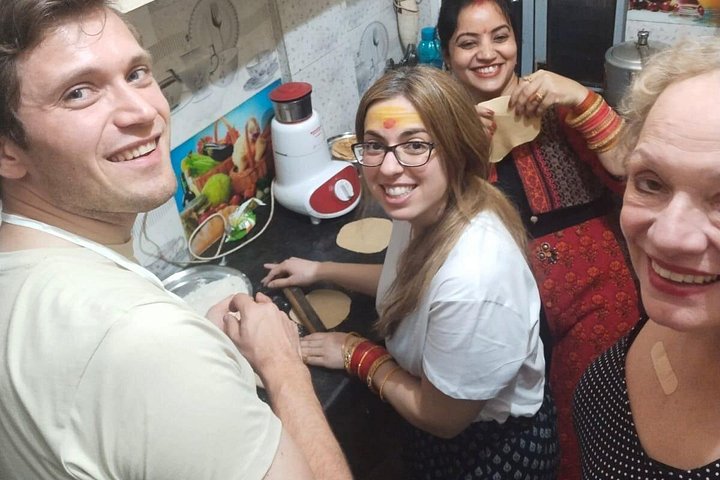
Travellers who prefer people and landscapes to monuments, families with older children, photographers and slow-travel enthusiasts. It is less suited to visitors who need air conditioning and polished facilities throughout, or who have limited mobility, since paths can be uneven. Combine it with a cooking class for a full food-and-culture day, or with a sunrise boat ride if you are an early riser.
Confirm with the operator when you book the pickup time, the length of the tour, what is included and how much walking is involved, and keep an open mind about toilets, dust and the occasional change of plan.
What to expect
The experience
A guided half-day visit to farming villages around Varanasi, with walks between homes and fields and tea or a simple meal with a host family.
Best time
Morning or late afternoon, outside the hottest hours. Winter is the most comfortable season.
How long
Allow four to five hours including the drive.
Tips
Dress modestly, wear sturdy shoes, ask before photographing people, and follow your guide on customs and gifts.
Quick picks
- Best for
- Travellers who want to meet people and see rural life beyond the ghats.
- Families
- Great for curious older children, who are often welcomed warmly.
- Couples
- A quiet, green change of pace from the city.
- Pair with
- A cooking class or a sunrise boat ride.
- Time needed
- Half a day.
Good questions
How far are the villages from Varanasi?+
Usually within an hour by road, depending on the route.
Will I meet local families?+
Often yes. Tours typically include a visit to a home and a shared cup of tea or a simple meal.
What should I bring?+
Water, sun protection and shoes you do not mind getting dusty. Ask your guide before bringing gifts.
Is it suitable for children?+
Yes for older children who enjoy walking and meeting people. Younger ones may tire in the heat.
Does the season matter?+
Yes. The fields look different through the year, from green growth to golden harvest. Winter is the most comfortable.