Banaras has been a centre of silk weaving for centuries, and the fine brocades woven here, with gold and silver thread worked into rich silk, are among the most prized textiles in India. Most visitors meet the trade only as a shop window or an insistent tout, which is exactly why a guided textile tour is worth doing. The Banaras Textile Tour linked here takes you into the weaving quarters where the work actually happens: narrow workshops with wooden handlooms, dye rooms and the homes of families who have woven for generations. You see how a pattern is planned on paper, how the loom is threaded, and how the weaver builds a motif one pass of the shuttle at a time. A single sari can take weeks, and watching even ten minutes of the process changes how you look at the finished cloth. The tour also explains the difference between pure silk, blends and power-loom imitations, which is the knowledge that protects your wallet later. It suits curious travellers, craft lovers and anyone who wants a human story behind the shopping, and it is a calmer counterpart to the temples and the river.
What the tour covers
Expect a walk through the weaving neighbourhoods of the city, stops at working looms and a chance to ask the weavers and their families about their craft. Guides usually explain the main kinds of Banarasi weave, the symbolism of common motifs such as flowers, leaves and paisley, and how real zari work differs from cheaper metallic thread.
Some visits include a sit-down in a showroom where finished pieces are shown, and you can look at scarves, stoles, dupattas and saris without any obligation. The exact route and the workshops visited depend on the operator and the day, so treat the description as a guide and confirm the details when you book.
Buying wisely
You are never required to purchase anything, and a good guide will say so plainly. If you do want to buy, ask to see the weave from the back, since hand work shows tiny irregularities and floating threads that a machine would not leave. Ask whether the piece is pure silk, a blend or something else, ask about the thread, and compare a few pieces before deciding.
Prices vary widely with the amount of zari and the density of the design, so decide on a budget beforehand. Carry some cash for smaller purchases, ask about shipping for larger pieces and keep any receipts. Skip anyone who approaches you in the street offering a special factory visit, because the guided route is the safer and more informative way to go.
Planning
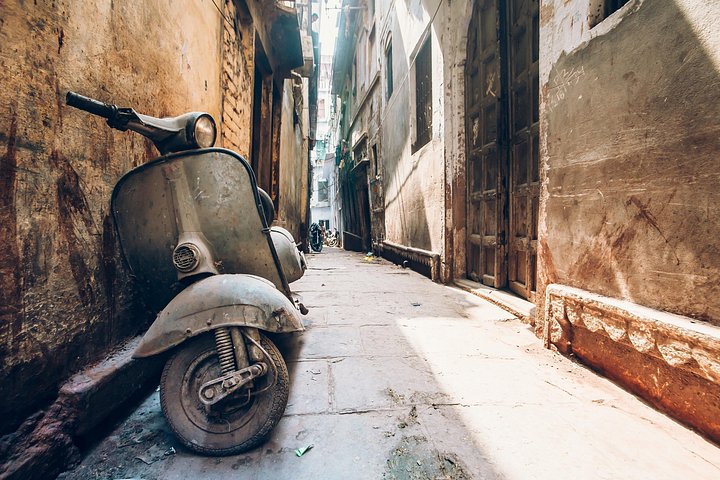
Workshops run mostly in the daytime and are quieter in the late morning and early afternoon, which makes this a good activity for the hours between the dawn boat ride and the evening aarti. The lanes are narrow and uneven, so wear closed shoes you can walk in, and dress modestly with covered shoulders and knees. Looms are noisy and the rooms can be warm, so bring water.
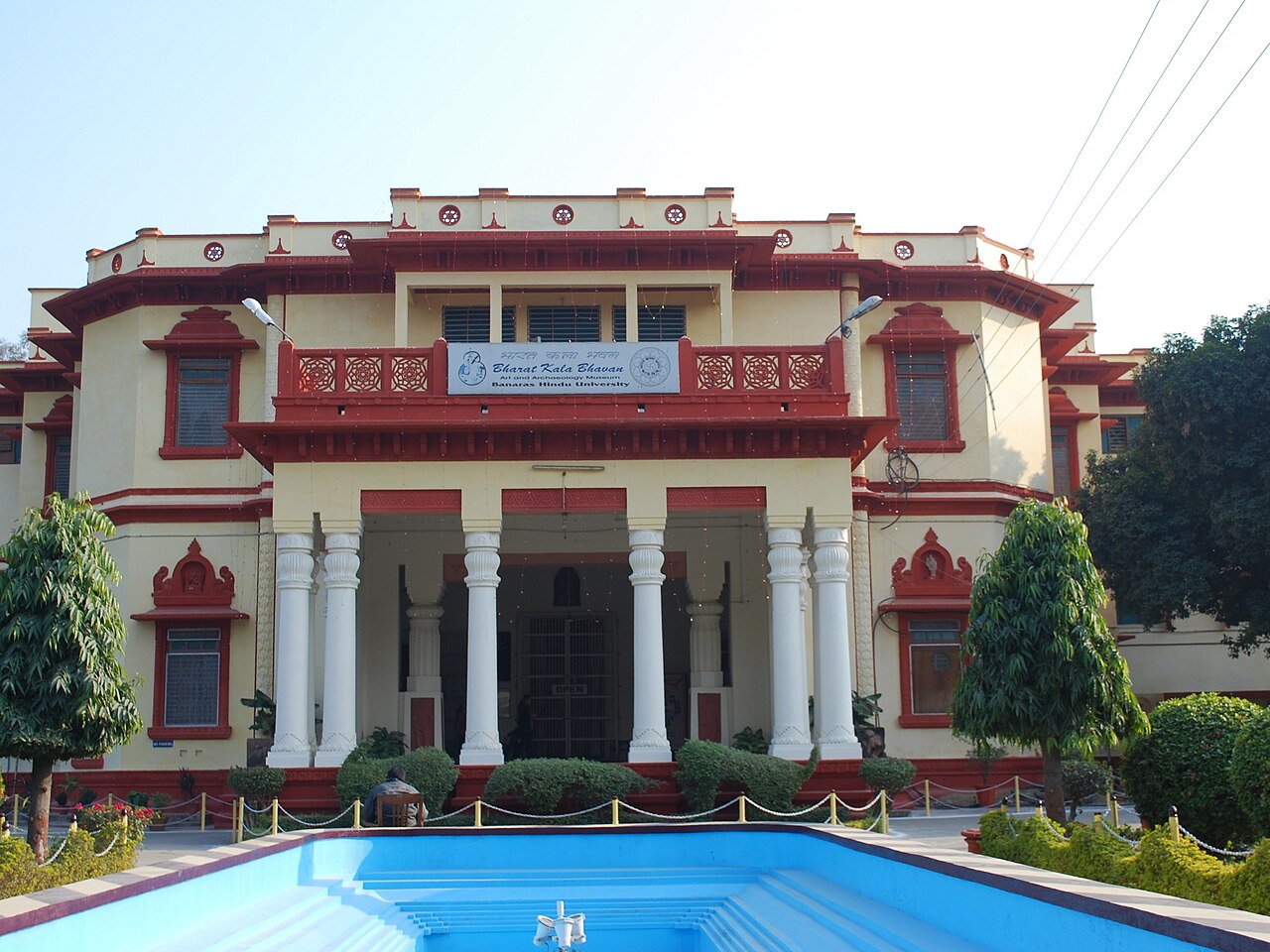
Photography is usually welcome, but ask before pointing a camera at people or at a pattern in progress. The tour pairs naturally with the old city lanes walk or the Bharat Kala Bhavan museum, where historic textiles and miniatures give the craft a deeper context, and it makes a good rainy day or midday option when the river is too hot to enjoy.
What to expect
The experience
A guided walking visit to weaving workshops and showrooms in the city, with demonstrations of hand weaving and an explanation of the craft.
Best time
Late morning or early afternoon, when workshops are running and the light in the lanes is good.
How long
Around two to three hours including walking, workshop stops and time to look at finished pieces.
Tips
Wear closed shoes and modest clothing, bring water and decide your shopping budget beforehand. You are never obliged to buy.
Quick picks
- Best for
- Craft lovers, shoppers and curious travellers who want to see how Banarasi silk is really made.
- Families
- Older children who enjoy watching crafts will like it, but the workshops are small, noisy and full of delicate cloth.
- Couples
- A quiet, interesting daytime activity, with a chance to choose a keepsake together.
- Pair with
- Pair it with the old city lanes walk or Bharat Kala Bhavan for a culture-heavy day away from the river.
- Time needed
- Two to three hours.
Good questions
What is Banarasi silk?+
It is a rich silk cloth woven in Varanasi, known for brocade patterns and gold or silver thread. The tradition goes back many generations.
Do I have to buy anything?+
No. A good guide shows you the process first and any shopping is optional. Compare a few pieces before you decide.
How can I tell hand-woven from machine-made?+
Look at the back of the cloth, ask about the fibre and the thread, and notice small irregularities that signal hand work. Your guide can point out the differences.
Is it a good activity for rainy or hot days?+
Yes. Most of the visit is indoors or under cover, so it works well when the weather is poor.
Can I ship purchases home?+
Many sellers can arrange shipping. Ask about costs and keep your receipts.