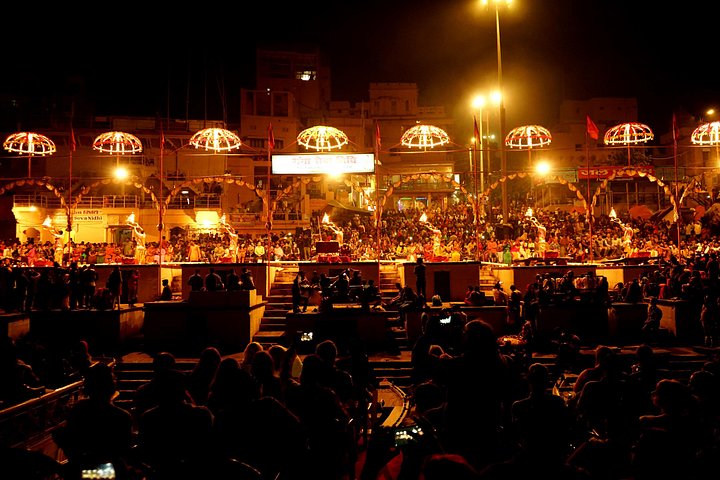
Varanasi's nightly river ceremony, a half hour of fire lamps, conch shells, bells and chanting performed by young priests on raised platforms above the Ganges while thousands watch from the steps and from boats. Free to attend from the ghat, and the single most memorable evening in the city.
About 1 hour at the ghat, 3 hours with a tour$Get tickets → 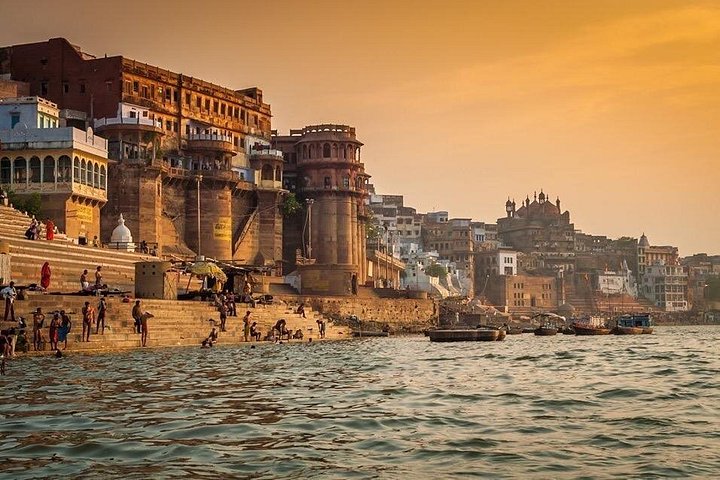
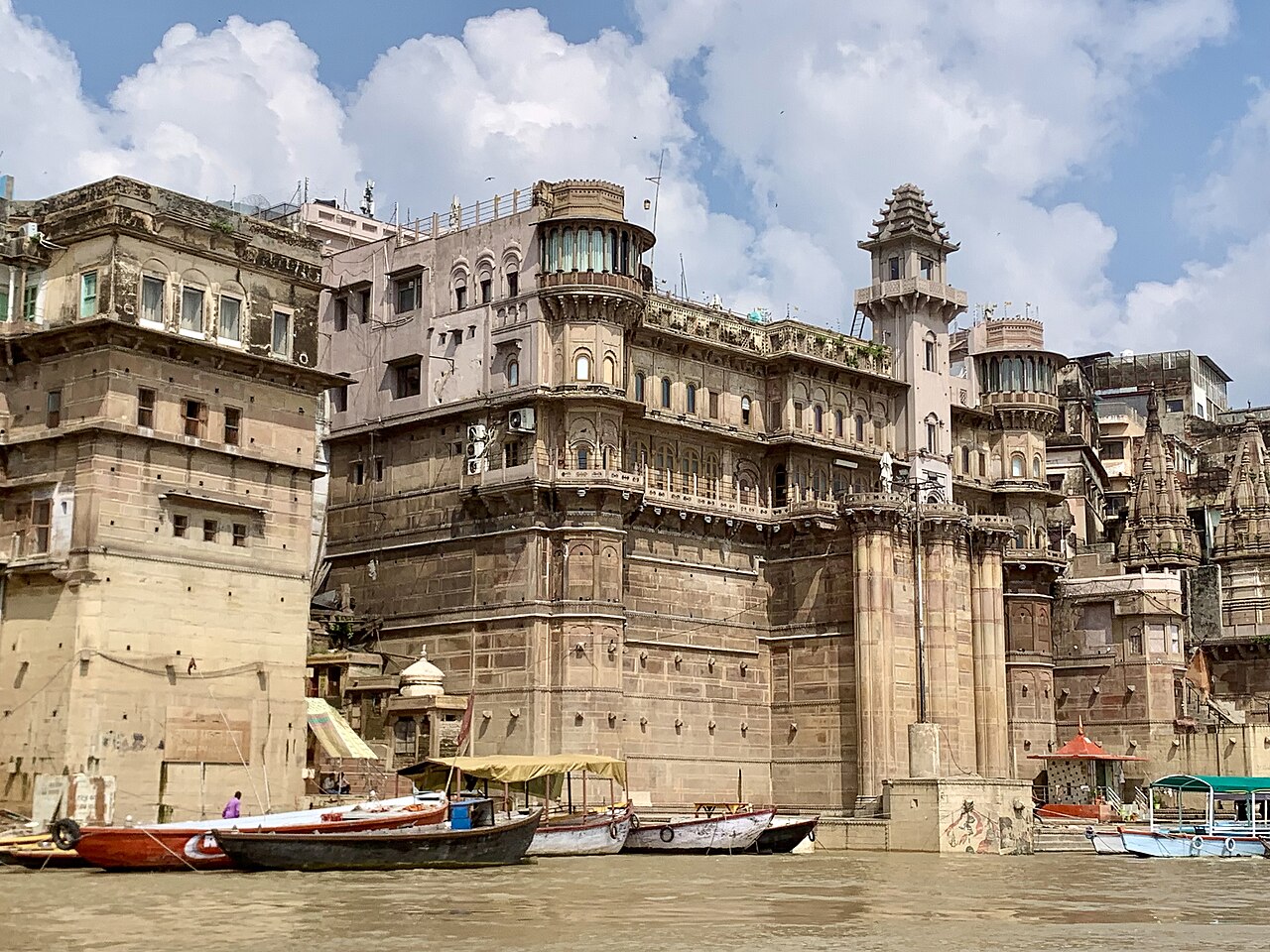
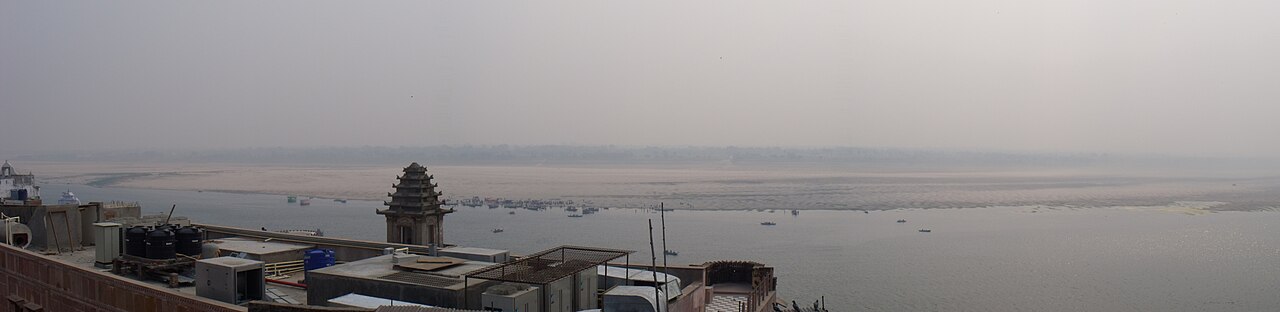
A rowing boat at first light is the classic way to see Varanasi: the whole crescent of ghats glowing in low sun, pilgrims bathing at the water's edge, priests at their morning prayers and temple towers rising behind. A gentle three hour glide that most visitors rank above every other experience in the city.
About 3 hours$Get tickets → 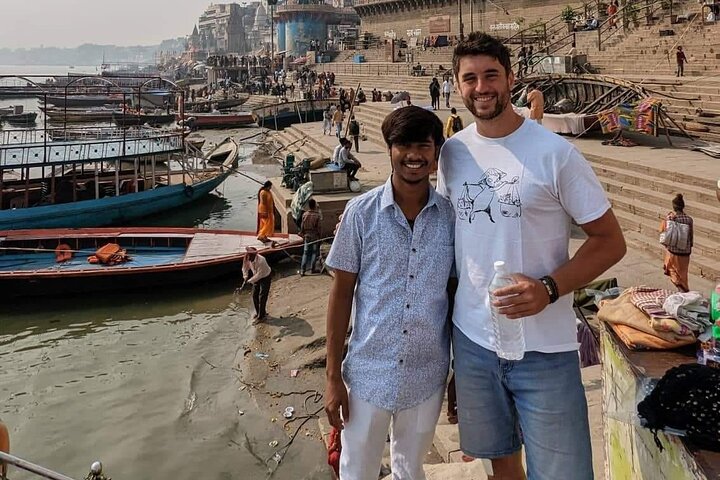
A guided walk through the stories behind the ghats: who built them, what rituals happen on each, and where the river meets the old city's temples, akharas and lanes. A local guide turns a beautiful blur of steps into a place you understand, at a gentle pace and a very low price.
About 2.5-3 hours$Get tickets → 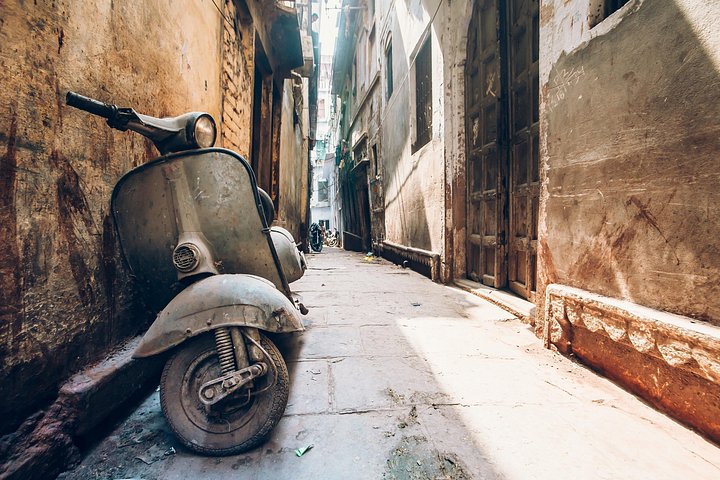
The labyrinth of lanes behind the ghats is where Varanasi truly lives: courtyard temples, silk and brass shops, sweet makers, weavers' neighbourhoods and cows nosing through the market. A two hour guided walk takes you through without getting lost, and costs very little.
About 2 hours$Get tickets → 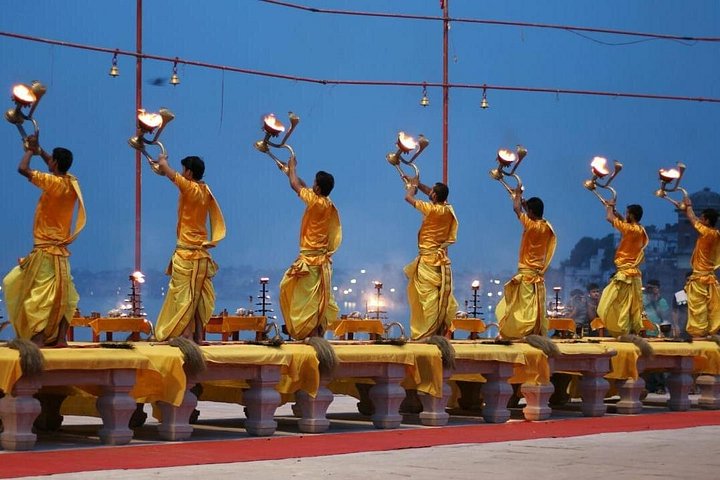 Free
The Golden Temple of Varanasi, dedicated to Shiva as Lord of the Universe and one of India's most visited pilgrimage sites. The modern corridor links it directly to the Ganges. Entry is free, the queues are long and phones are not allowed inside, so a guided visit makes the day easier.
1.5-3 hours including queuesGet tickets → 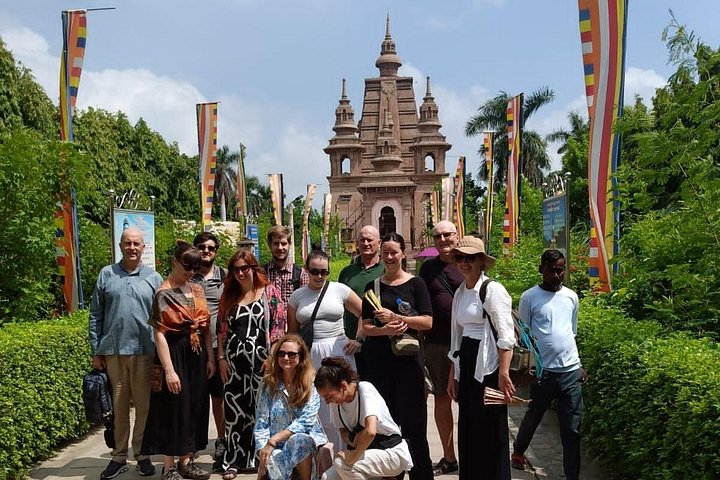
The deer park 13 kilometres north-east of Varanasi where the Buddha gave his first sermon: a calm green site of ruined monasteries, the huge Dhamek Stupa and a museum holding the Ashoka lion capital. The standard half-day trip, and a peaceful contrast to the intensity of the ghats.
Half day (about 3-4 hours)$Get tickets → 
Chaat, kachori, sweets and thandai, eaten standing up in the old city lanes with a local guide who knows which stalls are worth the queue. Two hours of tastings that explain Varanasi through its snacks, at a price that barely registers.
About 2 hours$Get tickets → 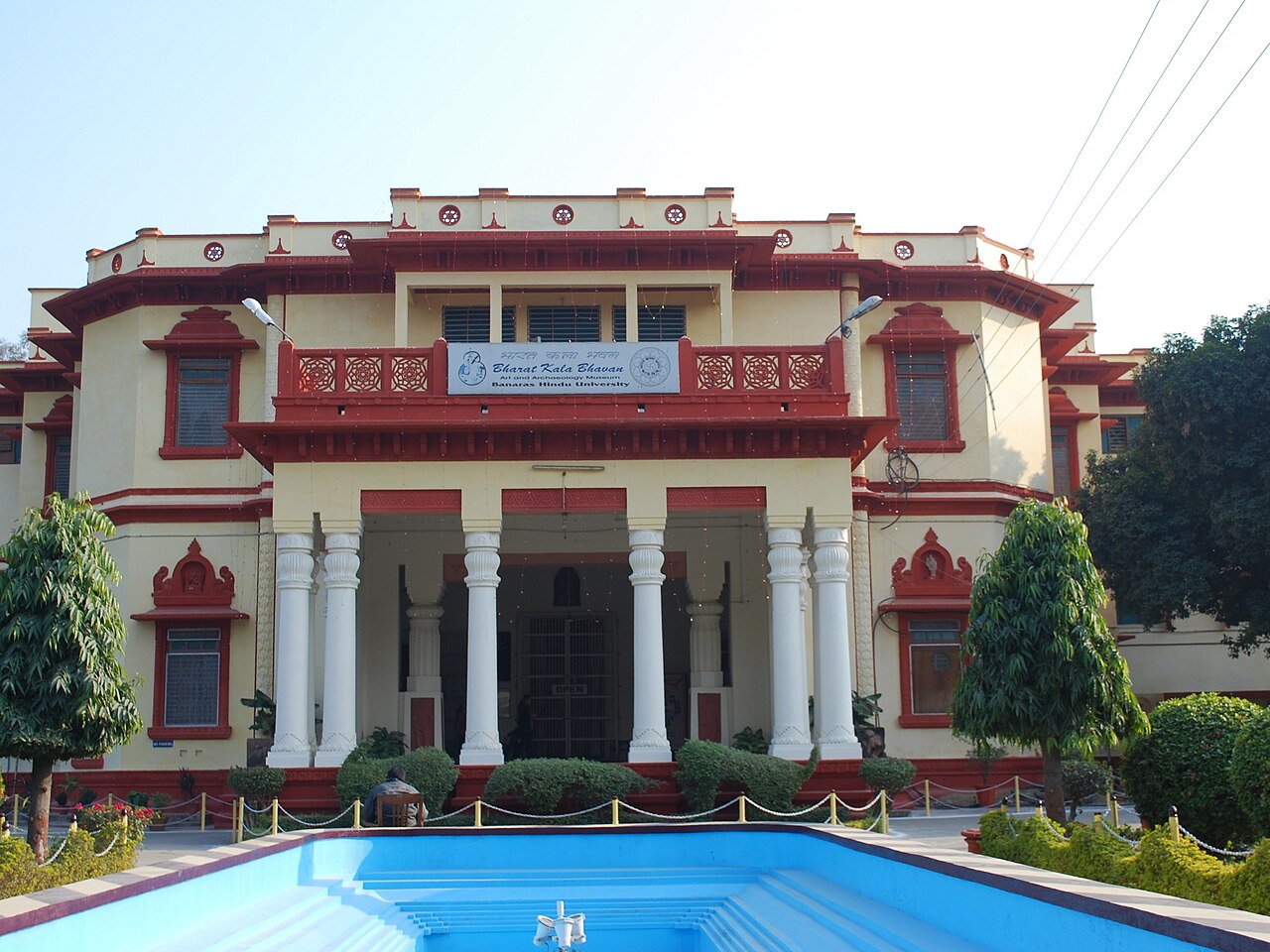
One of India's oldest university museums, set on the leafy Banaras Hindu University campus: eleven galleries of miniature paintings, sculpture, coins and Banarasi textiles. A calm, uncrowded counterweight to the ghats, well worth a weekday morning.
About 2 hours$Visit site → 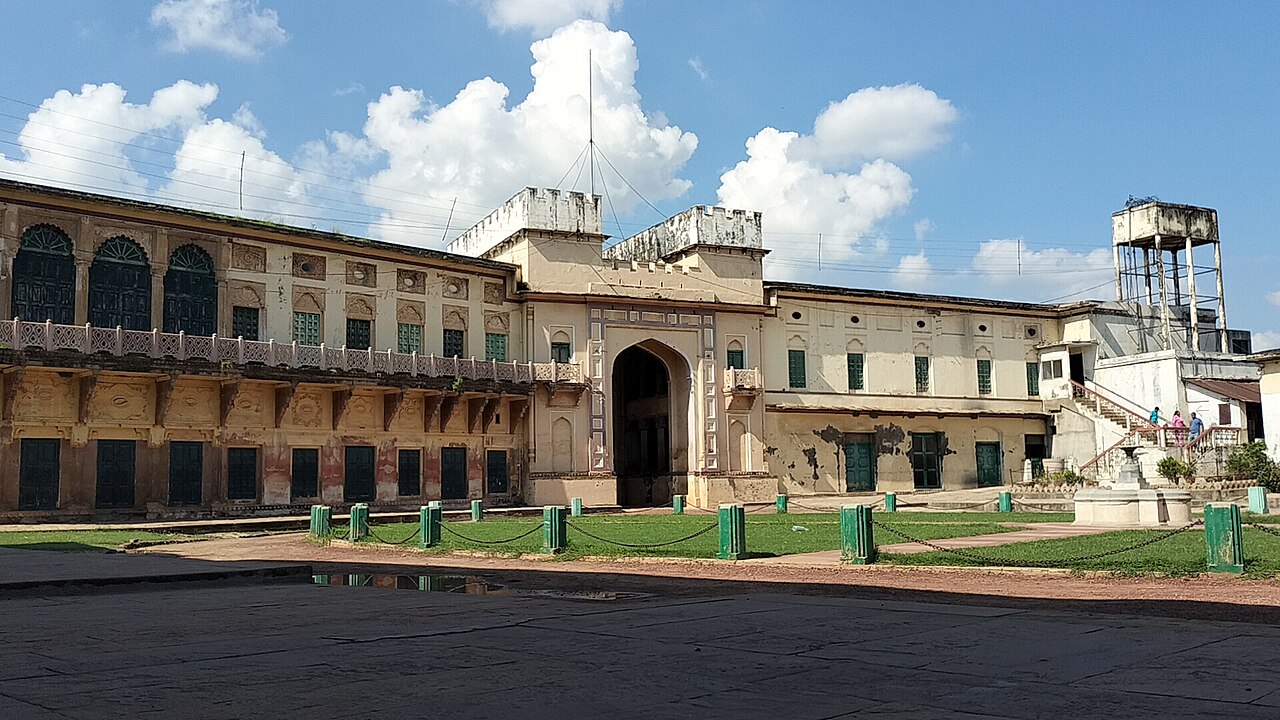
The red sandstone palace-fort of the Maharajas of Banaras, standing on the far bank of the Ganges opposite the ghats. Its museum holds royal carriages, costumes, weapons and a remarkable astronomical clock, and the view back over the city's skyline is unforgettable.
About 1.5-2 hours$Get tickets → 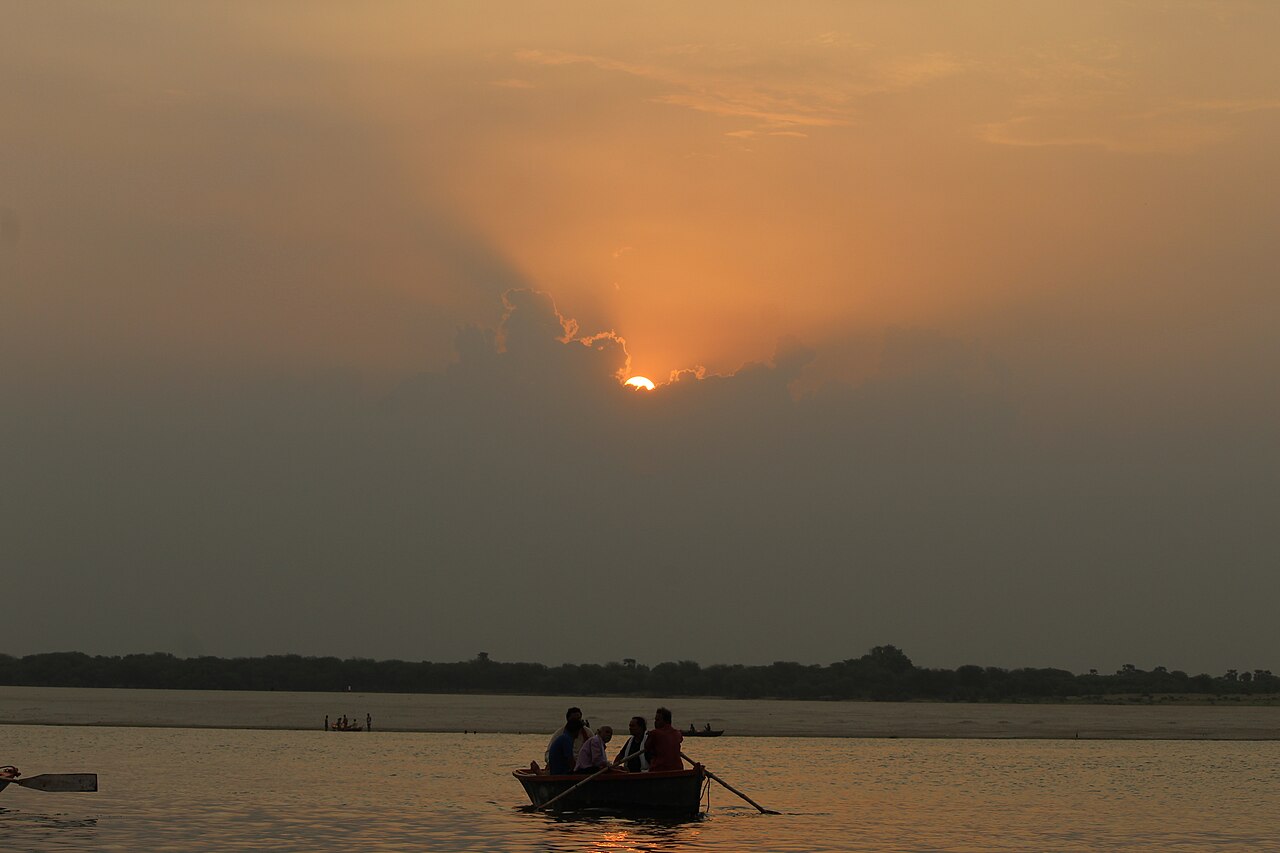 Free
The southern end of the ghats, open day and night and calmer than Dashashwamedh: a morning of Vedic chants, music, yoga and meditation by the river, then tea, cafes and a slow walk north. Free, relaxed and favoured by students and long-stay travellers.
 Free
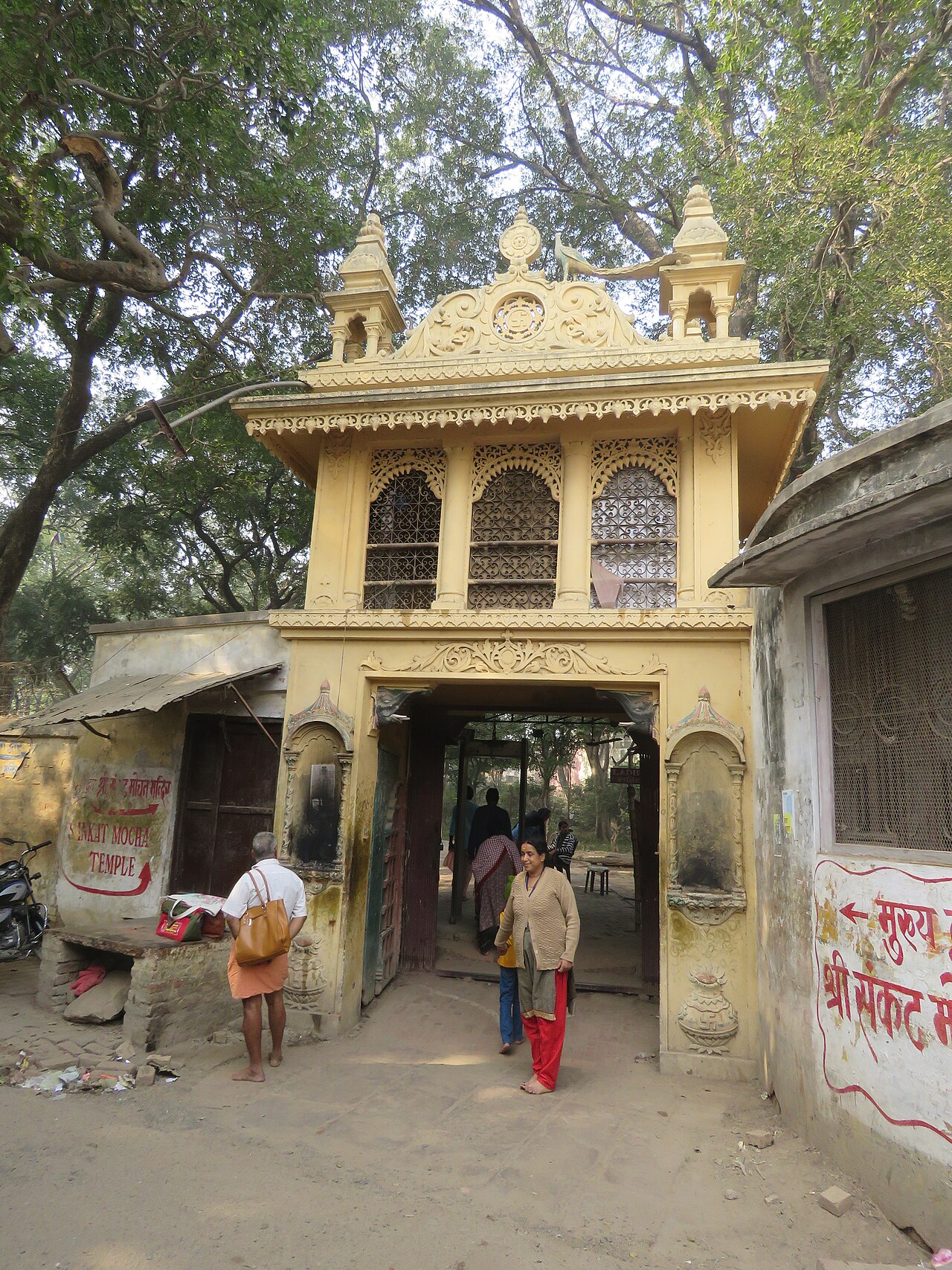
A beloved riverside-district temple to Hanuman near Assi Ghat, founded in the sixteenth century by the poet-saint Tulsidas. Free to enter, busiest on Tuesdays and Saturdays, and famous for its besan ladoo prasad and its annual classical music festival.
 Free
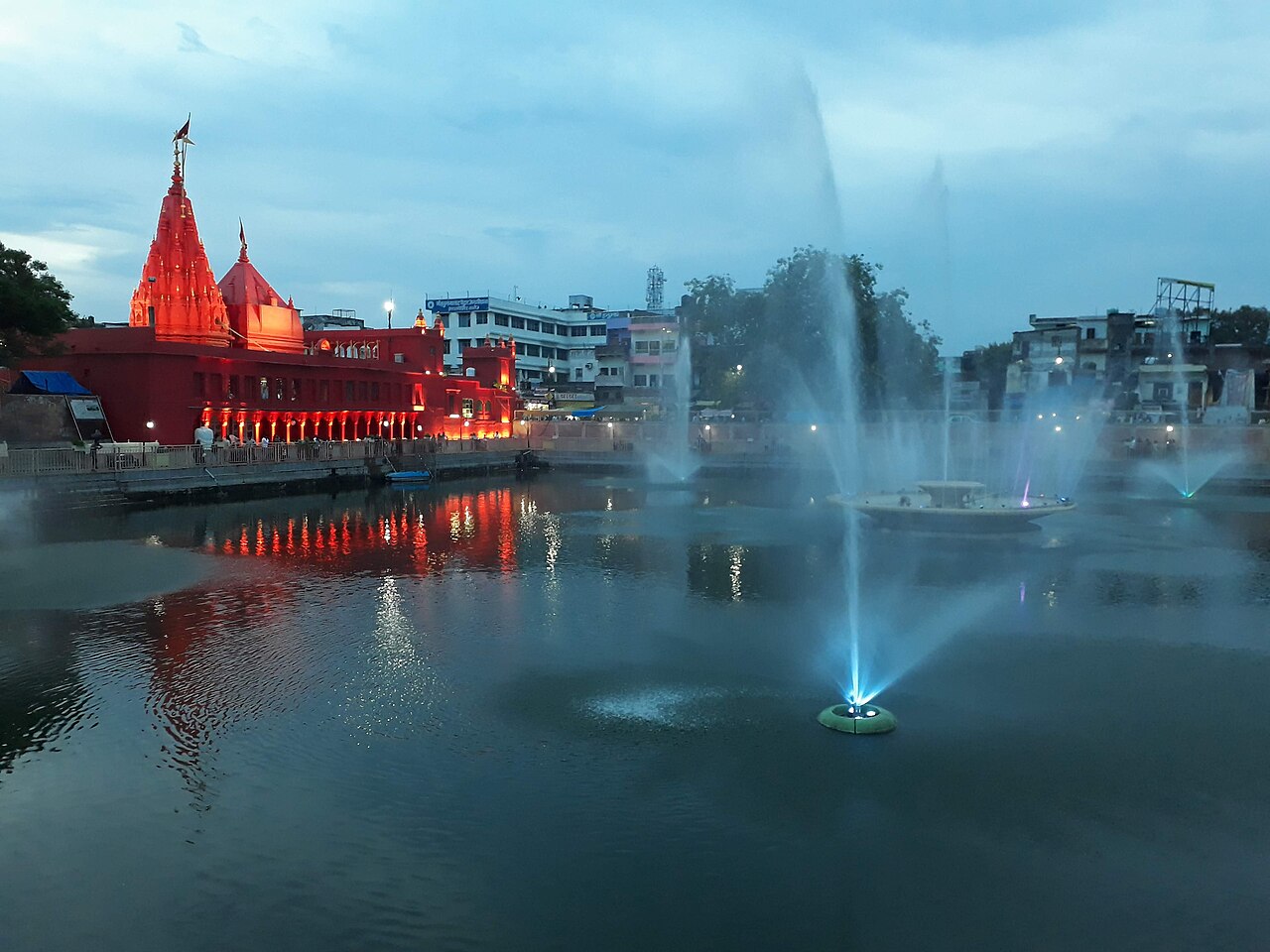
A striking red eighteenth-century temple beside a rectangular water tank, honouring Durga as the protector of Varanasi. Free to enter, famous for its monkeys and for its Navratri crowds, and an easy pairing with Tulsi Manas and Sankat Mochan.