Wrocław eats well without being expensive, and the food reflects the city's layered history. Polish classics sit next to dishes brought by the families who were resettled here after the Second World War from the eastern borderlands, and a young, student-heavy population keeps the cafe and craft beer scene lively. Here is how to eat your way through it without relying on a single guidebook recommendation.
Start with the classics
Pierogi, the half-moon dumplings, are the dish to try first. Common fillings are potato and cheese, sauerkraut and mushroom, and meat, and many places also make sweet versions with fruit. Żurek is a sour rye soup, often served with sausage and egg, and sometimes in a hollowed bread bowl. Bigos is a slow-cooked stew of cabbage and meats that tastes better the longer it has cooked, and potato pancakes, golonka, the roast pork knuckle, and kopytka, soft potato dumplings, round out the standard menu. Order a soup and a plate of pierogi to share and you have a fair introduction.
Try a milk bar
The Polish bar mleczny is a leftover of the communist era, a simple canteen with a short menu of home cooking at low prices. You order at the counter, queue for the food and clear your own tray. Milk bars are one of the best ways to eat cheaply in the centre, and they are not a tourist gimmick, because students and office workers still fill them at lunchtime. Expect a limited number of dishes, a quick turnover and no frills.
Visit the market hall
Hala Targowa, the Market Hall, is a large covered market a short walk from the Rynek and has been trading since the early twentieth century. Under its arched roof you will find fruit and vegetables, cheese, cured meats, bread and bakery stalls, with snack counters tucked among them. It is a good stop for picking up picnic food or for watching how locals shop. Trading hours are shorter at the weekend, and some stalls close earlier than others, so go in the morning. Around Salt Square nearby, the flower stalls are a Wrocław institution and trade for far longer hours than most shops.
Drink the local beer
Poland has a thriving craft beer scene, and Wrocław has taverns and small breweries within a short walk of the Market Square. Ask for a flight or a half measure if you want to compare several styles, and look for seasonal brews. Beer is cheap by Western European standards, and there is no need to be embarrassed about asking the server for a recommendation. Most bars will also serve snacks such as sausage, pickles and bread with lard, which is better than it sounds.
Learn about vodka properly
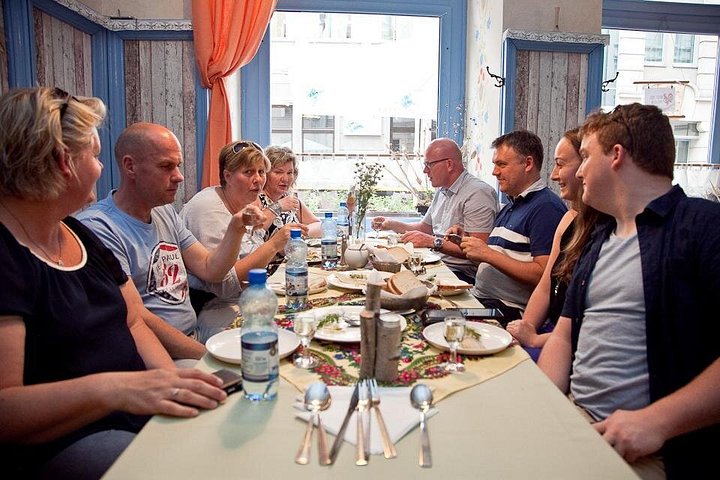
Poland takes vodka seriously, and a guided tasting is the best way to understand it. The Wrocław vodka and food tasting tour pairs several vodkas with food at two stops and runs for about three hours, covering the history of the drink as well as the flavours. It suits groups of friends and couples, and it is a sociable first-evening activity because it ends with a good idea of where to eat on the following days. Remember that Polish vodka is strong and is traditionally sipped with food rather than shot, so pace yourself.
Sweet things and coffee
Wrocław's cafes are numerous, and the student population supports plenty of independent roasters and bakeries. Look for pączki, the filled doughnuts, and cheesecake known as sernik, and expect sweet stalls on the Rynek when the Christmas Market runs from late November into the new year, with mulled drinks and festive food at the stalls.
Practical tips
Restaurants in the centre usually accept cards, though a few small places prefer cash, so carry a little. Tipping of around ten percent is customary for good table service and is usually given by rounding up or telling the server the total you want to pay, because the card terminal may not add a tip line. Service is rarely included on the bill. Lunch menus, often called a daily set, are the best value in the city, and booking is wise for dinner on Friday and Saturday nights and in the Christmas season. If you have dietary restrictions, vegetarian and vegan options are now widespread, and the staff in most places will explain the ingredients in English.
Putting it together
A good food day starts with coffee and a pastry on the Rynek, includes a milk bar or market lunch, an afternoon wander between the dwarfs, and a sit-down dinner of pierogi or a regional main course. Add the tasting tour on one evening, and you will have covered the city's flavours without spending a fortune.