Wrocław is one of the more affordable cities in Europe, and its best-known experiences cost little or nothing. With a little planning you can spend several days here without paying much for entry, and you can use the savings on one or two paid highlights that are worth it. Here is how to structure a low-cost visit.
Start with the free sights
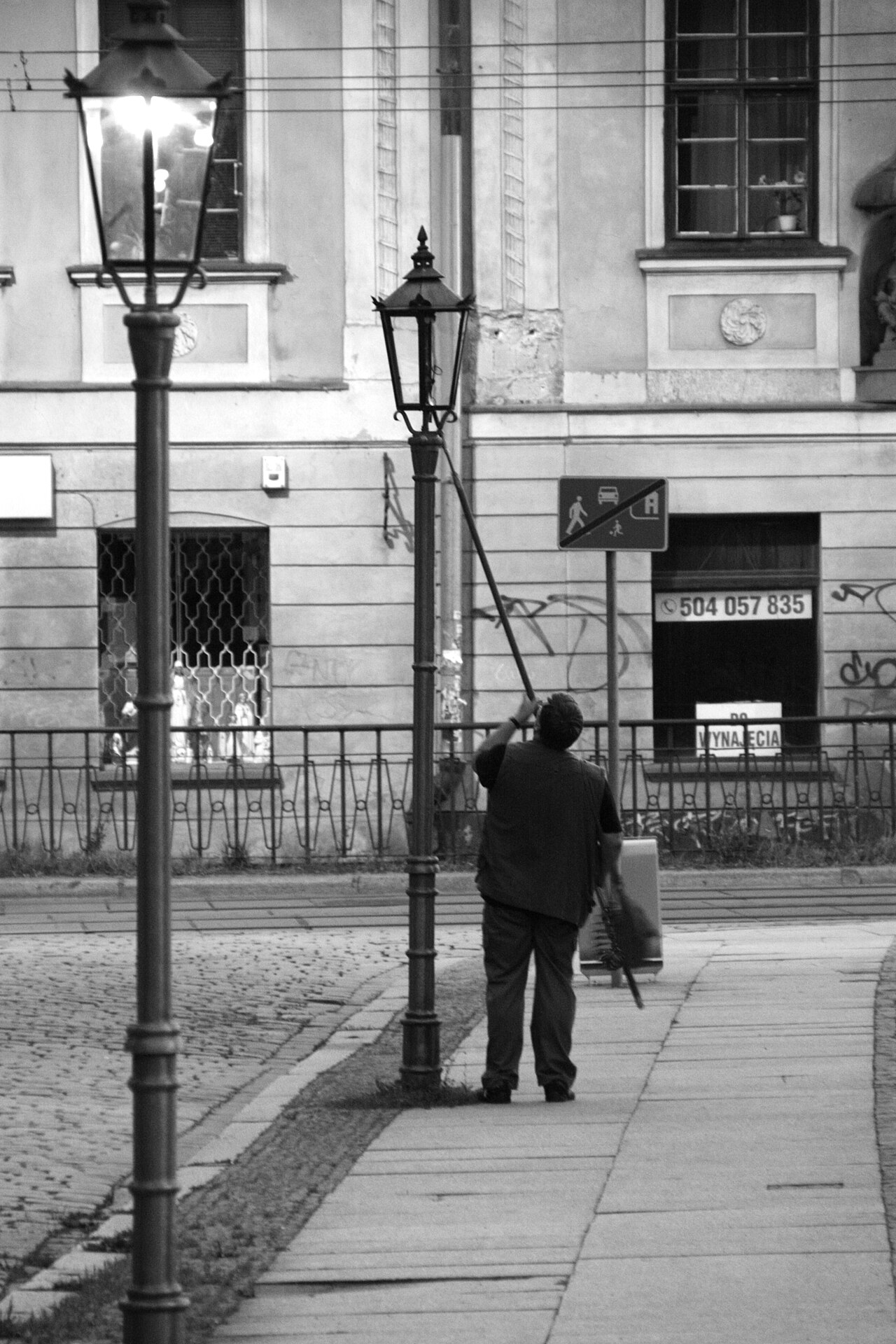
The Rynek, one of the biggest medieval squares in Europe, is free to walk, and so are the lanes around it, with their Gothic and Baroque facades. The dwarf hunt is free, and it can fill an entire afternoon, because the little bronze figures are scattered across the centre and a hunt for them is a pleasant way to see backstreets. Ostrów Tumski, the cathedral island, is also free to wander, and entry to the cathedral nave costs nothing. Only the tower observation deck is ticketed. At dusk the lamplighter lights the gas lamps by hand, and watching him is one of the most memorable free moments in the city.
Choose paid sights with care
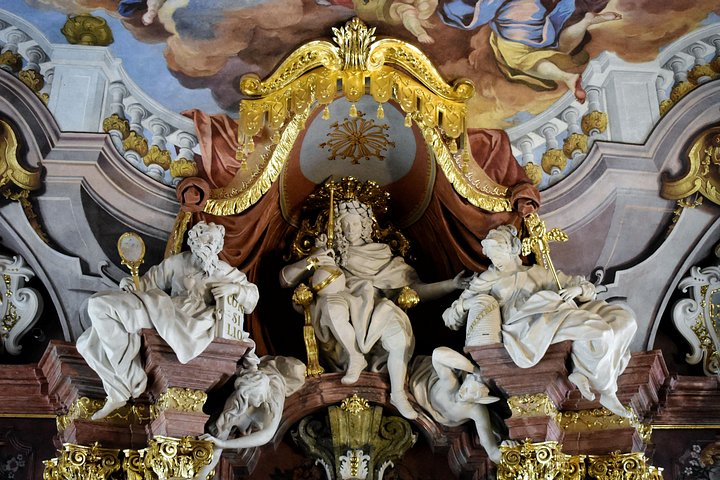
If you can pay for only a few places, pick those that do something you cannot see elsewhere. The Racławice Panorama is the strongest value, since one ticket also gives free entry for three months to permanent exhibitions at the National Museum and two other branches of the museum, a bonus only relevant if you stay in the city or return. The Old Town Hall museum is a modest-cost way to see the vaulted interiors, and the Aula Leopoldina is priced low for one of the most ornate Baroque rooms in the country. Centennial Hall's Visitor Centre is another relatively inexpensive stop with UNESCO status. For families, the zoo is more costly than the others, so decide whether the Afrykarium is worth the price for your group.
Use the weekly free days where they exist
Many Polish museums have a day each week when entry is free or reduced, and the days differ by institution and can change, so check the museum's own page before you go. Even when there is no free day, student and senior discounts are common, so carry identification.
Eat cheaply and well
A milk bar is the cheapest sit-down meal in the centre, with a short menu of home cooking at low prices. The covered market hall is excellent for picnic food, and lunch menus in restaurants, often a soup and a main course at a fixed price, are far better value than dinner. Beer is cheap compared with most Western European cities, and a couple of small local pours cost less than one cocktail in many capitals. Avoid cafes directly on the Rynek if you want the lowest prices, and walk a few streets away for the same meal at a better price.
Get around for less
The old town is compact, so most of your days can be spent on foot. For Centennial Hall, the zoo and Hydropolis, use the trams, which are cheap and frequent. Buy a ticket through the city's transport app or from a machine, and validate paper tickets when you board, because inspectors check, and fines are far higher than the fare. Consider a time-based ticket if you plan several rides in a day. The airport is linked to the centre by public transport, which costs a fraction of a taxi.
Sleep for less
The cheapest central beds are in budget chains and hostels, and B&B HOTEL Wrocław Old Town sits on the Rynek itself at a modest price, which saves you transport costs altogether. Prices rise sharply during the Christmas Market season and on big event weekends, so a stay in early November, midweek or in the shoulder months is the cheapest. If you can be flexible about dates, check a few alternatives before booking.
A sample low-cost day
Walk the Rynek in the morning, find dwarfs on the way to the university, eat at a milk bar, cross to Ostrów Tumski in the afternoon, and finish with the lamplighter at dusk. The only costs are lunch and perhaps a coffee, and the day is as rich as any paid itinerary. On a second day add the Panorama and a tram trip to Centennial Hall, and you have seen the best of the city for the price of two modest tickets.
Money basics
Poland uses the złoty, not the euro, and cards are accepted almost everywhere, so you rarely need much cash. If a terminal offers to charge you in your home currency, choose złoty, because the exchange rate is usually better. Cash machines at banks are safer than those in tourist spots, and a small amount of change helps for toilets and market stalls.