Wrocław is compact, walkable and full of surprises, and a first visit is easier if you know what is worth planning and what you can leave to chance. Here is how to approach it, with a November lens.
Understand the layout
The old town centres on the Rynek, the huge medieval market square with the Old Town Hall in the middle. The university and the Aula Leopoldina sit beside it, the river and Ostrów Tumski, the cathedral island, lie to the east, and the Quarter of Four Denominations is a few minutes to the west. Almost everything in the centre is walkable, with trams to cover longer gaps. Centennial Hall, the zoo and Hydropolis lie a little further out and are best reached by tram or taxi.
Start with the free sights
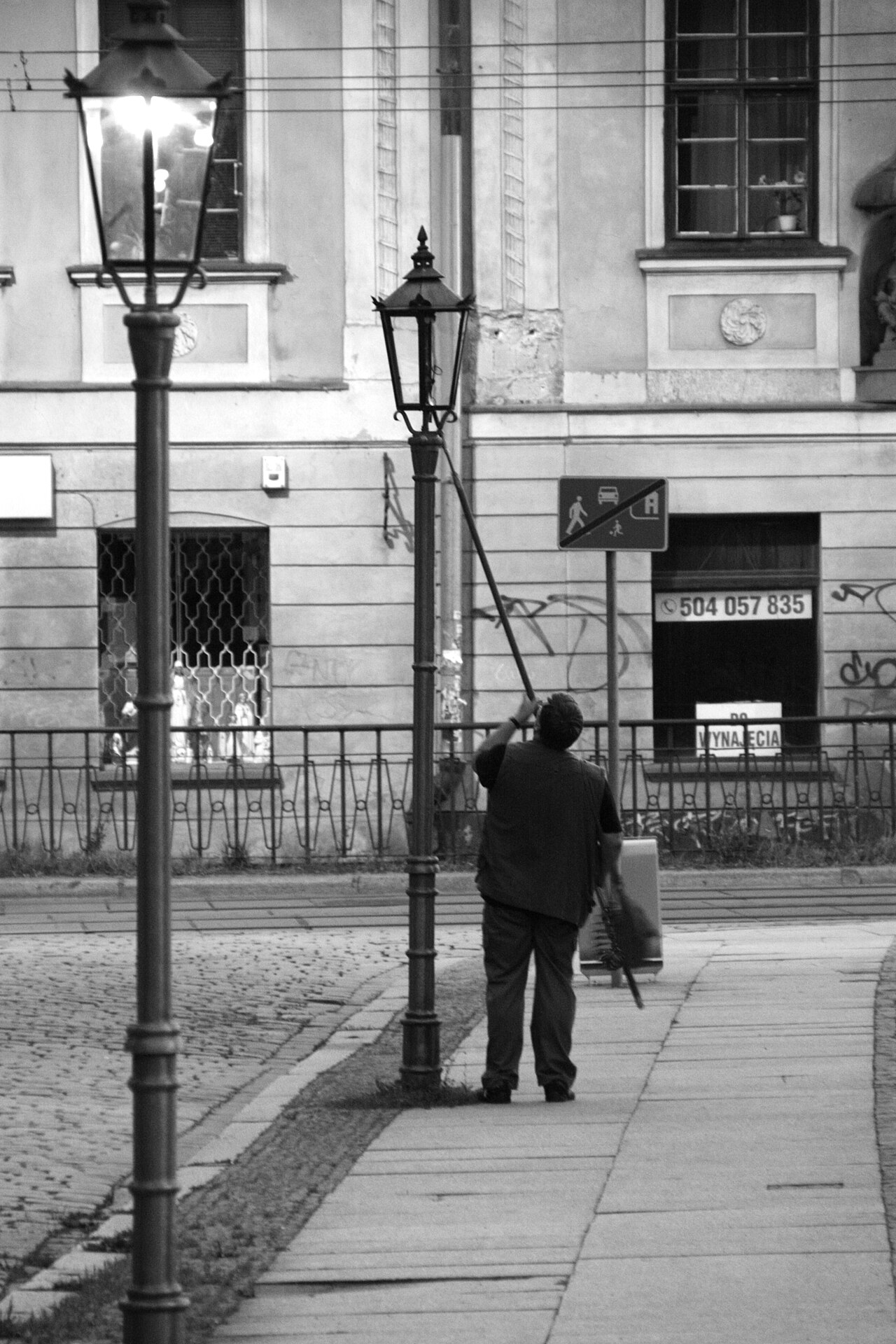
The Rynek, the dwarf hunt and Ostrów Tumski cost nothing and fill a good first day. Walk the square, look for dwarfs in side streets, then cross the bridges to the cathedral island in the late afternoon, so you reach the cathedral tower in daylight and see the lamplighter light the gas lamps at dusk. Entry to the cathedral nave is free, while the tower observation deck is ticketed.
Book or time these
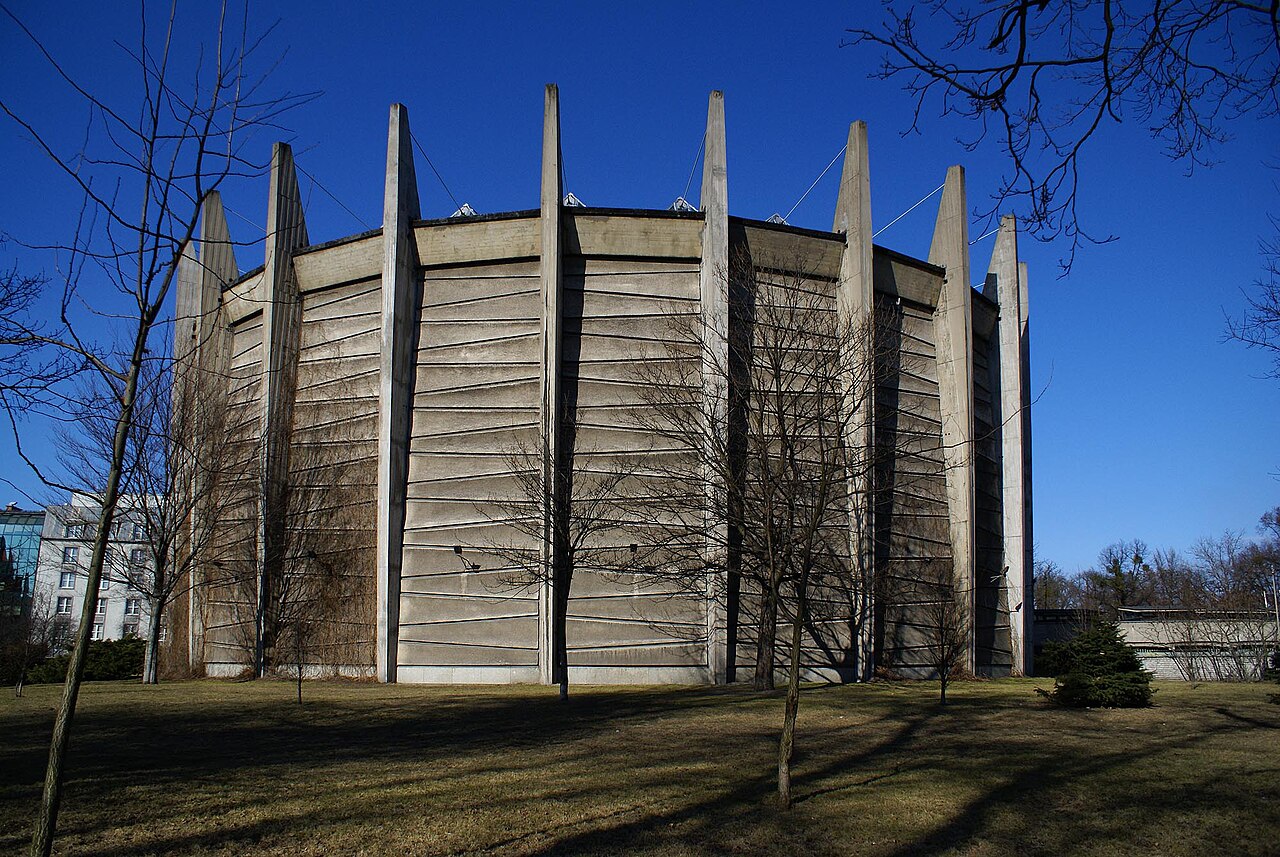
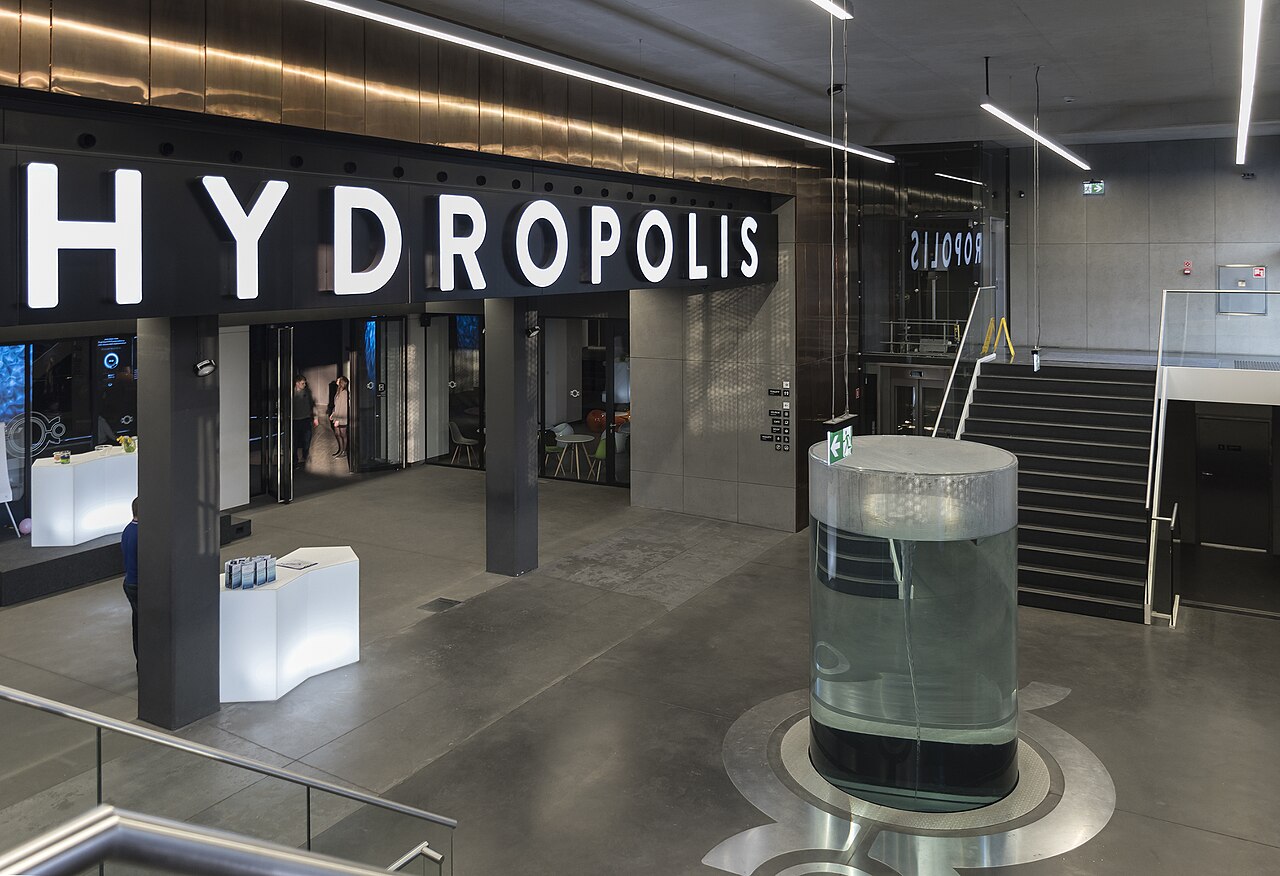
The Racławice Panorama runs timed sessions of about thirty minutes, is closed on Mondays in winter and shuts on a few dates, so buy a ticket for a set time. Hydropolis also uses timed entry. The Aula Leopoldina is usually closed on Wednesdays, and the Old Town Hall museum has its own day-by-day hours. Centennial Hall's Visitor Centre follows a winter schedule and can close for events, so check its calendar. The zoo is open every day, but admission ends mid-afternoon in November.
Know what is seasonal
The Multimedia Fountain and the Japanese Garden are warm-season attractions, and most river cruises run from April to October, with a short autumn and Christmas sailing for the colder months. The Christmas Market on the Rynek and Salt Square opens in late November and runs into the new year, so if you arrive in early November the square is calmer but without stalls. If you want the market, plan your trip for late November or December.
How many days
Two days covers the essentials: one for the Rynek, the dwarfs, the university and Ostrów Tumski, and one for the Panorama plus either Centennial Hall and Hydropolis or the zoo and Afrykarium. Three days lets you add a tasting walk, a river cruise in season or a slower pace, and four days opens the door to a day trip to Książ Castle, which is best treated as a full day on its own.
Getting around
Walk in the centre, use trams for Centennial Hall, the zoo and Hydropolis, and take a taxi in the evening if the weather is bitter. The airport is about half an hour by road, and the main railway station is a short walk or tram ride from the old town. A car is useful only for Książ and is unnecessary otherwise, because parking in the centre is limited.
Rainy-day backup
November weather swings between crisp and wet, so keep indoor options ready: the Panorama, the Aula Leopoldina, the Old Town Hall museum, Hydropolis, the Afrykarium and the Visitor Centre all work in poor weather. Pair them with cafes, and save the outdoor sights for dry spells.
Eating and drinking
Look for pierogi, Poland's classic dumplings, in traditional restaurants and milk bars. A guided vodka and food tasting walk is a sociable way to learn about local flavours on your first evening. In the Christmas Market season expect mulled drinks and festive food on the Rynek.
What to pack
Warm layers, a waterproof jacket, shoes with grip for cobbles and a hat for the exposed river and cathedral tower. Most places accept cards, but keep a little cash for small stalls. With these in hand, Wrocław is an easy, rewarding city to enjoy even in the colder months.