Three days is the sweet spot for Wrocław. It is long enough to see the old town without hurrying, to reach the sights outside the centre and to leave room for a long lunch. The plan below is built around walking distances and around the days when certain sights are shut, so you spend your time inside museums rather than outside locked doors.
Day one: the Rynek, the university and the dwarfs
Start on the Market Square, the Rynek, one of the largest medieval squares in Europe, with the Gothic Old Town Hall in the middle and rows of narrow pastel houses on every side. Spend the morning inside the Old Town Hall museum, which is at its most atmospheric in the vaulted rooms. From there it is a short walk to the University of Wrocław and the Aula Leopoldina, the Baroque ceremonial hall with its painted ceiling. The hall is usually closed on Wednesdays, so if your three days include a Wednesday, put the university on another day. In the afternoon begin the dwarf hunt. The small bronze figures sit on kerbs, lamp posts, window ledges and doorsteps all over the centre, and looking for them turns an ordinary stroll into a game that children and adults enjoy equally. A free map or a phone app will point you to the clusters, but half the fun is spotting one by accident. End the day on the Rynek itself, where the gables are lit and the cafes are full.
Day two: Cathedral Island and the Panorama
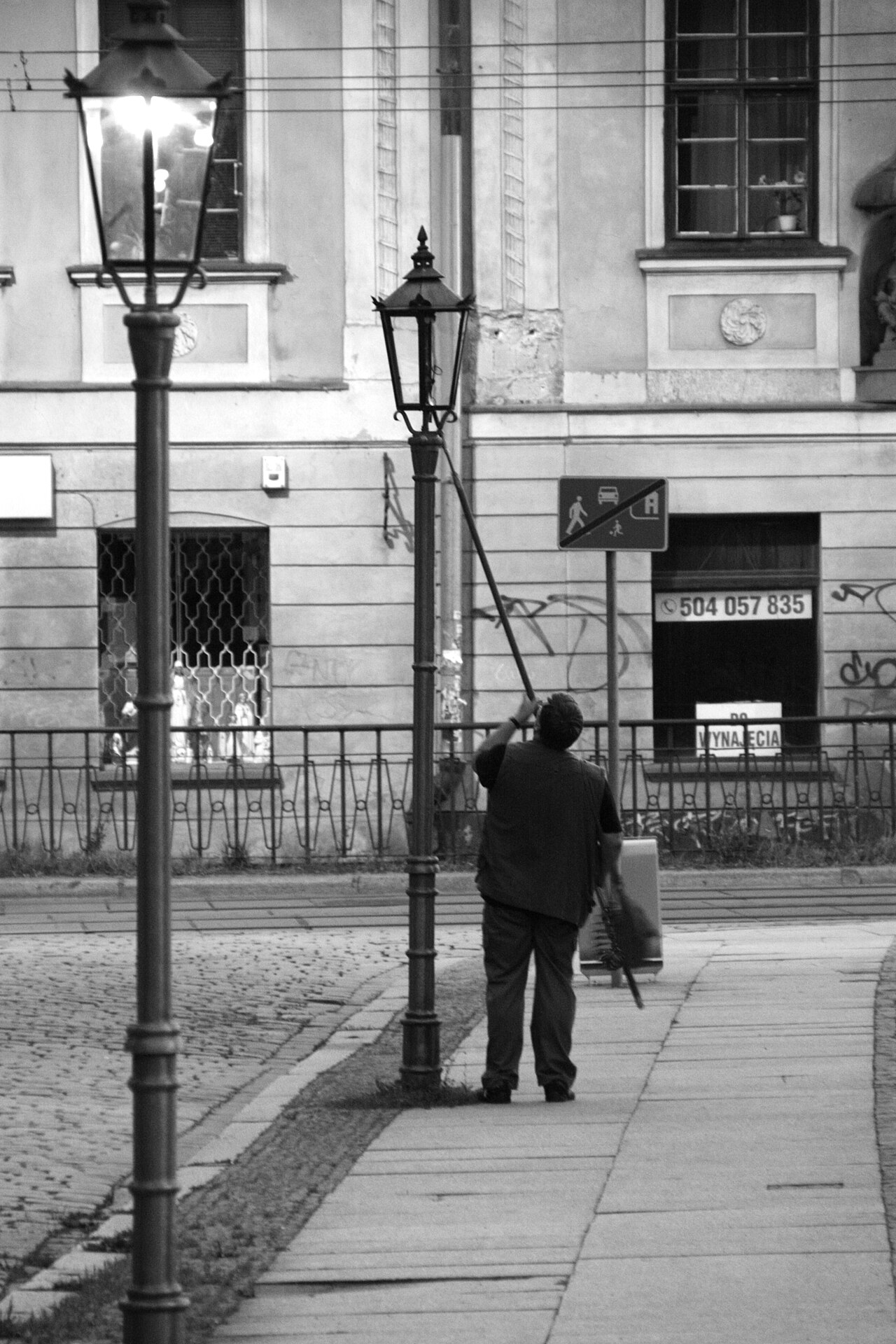
Spend the morning at the Panorama of the Battle of Racławice. Sessions are timed and last about half an hour, the building is closed on Mondays in winter, and it shuts on a few other dates, so choose a time slot in advance rather than turning up and hoping. The painting is vast and circular, and it works as well on a wet day as on a sunny one. After lunch cross the river to Ostrów Tumski, the cathedral island. Walk the quiet lanes, step into the nave, which is free to enter, and if the weather is clear climb the cathedral tower for a view back across the roofs. The island is at its best late in the afternoon, when the lamplighter comes to light the gas lamps by hand at dusk, a ritual that is hard to find anywhere else. If you want a long, slow dinner, book somewhere on the island or return across the bridges to the old town.
Day three: Centennial Hall and a choice
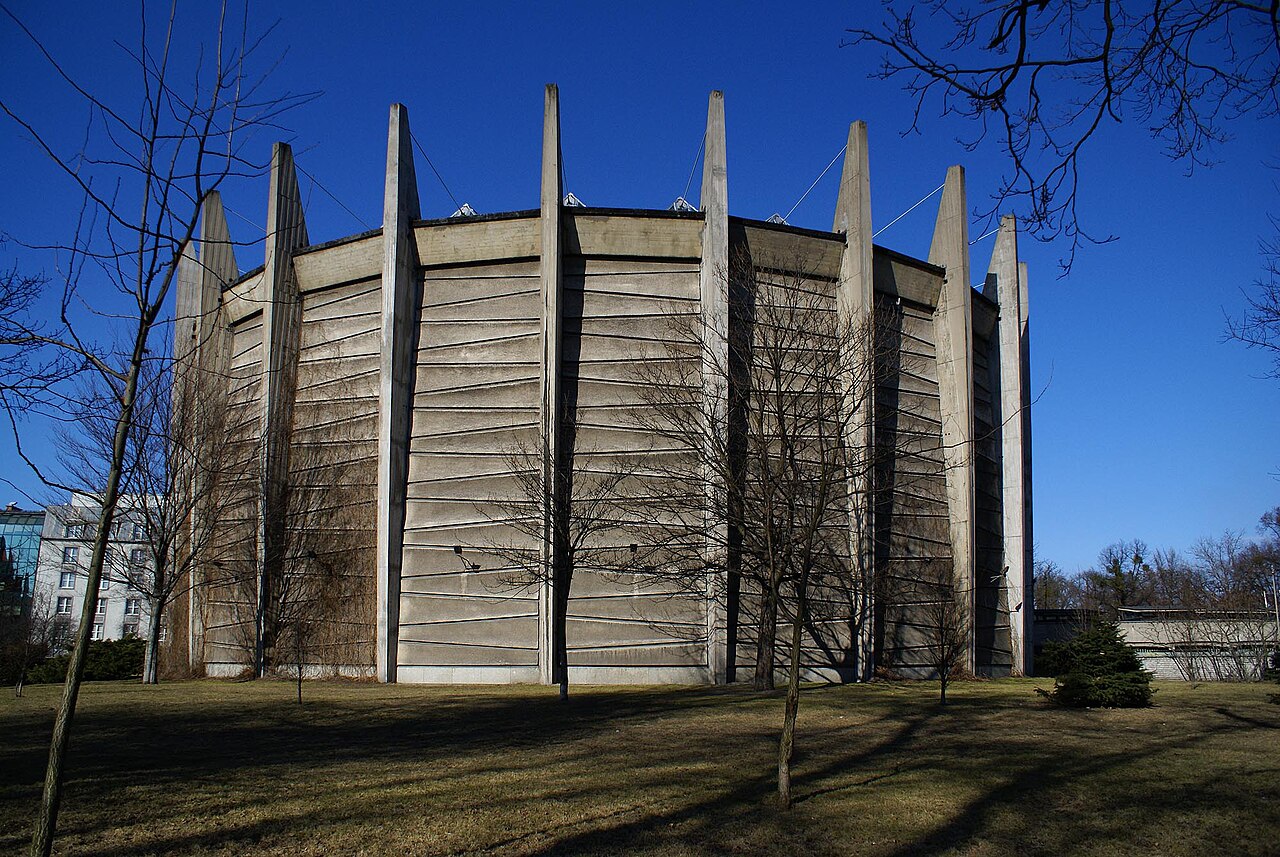
Take a tram out to Centennial Hall, the early twentieth-century concrete building that is a UNESCO World Heritage Site. The Visitor Centre explains how the great dome was designed and built, and it is usually open Tuesday to Sunday on its winter schedule, so check the calendar for events. Warm months bring the Multimedia Fountain and the Japanese Garden nearby, both of which are seasonal and should not be counted on outside the warmer part of the year. For the afternoon choose between two very different options. Hydropolis, an underground exhibition about water, uses timed entry and suits families and curious adults. The zoo and its Afrykarium, an indoor journey through African waters, is open every day and works for anyone who enjoys animals, though admission ends mid-afternoon in the colder months. Pick one rather than rushing both.
If you have a fourth day
A single day trip is the obvious way to use it, and Książ Castle, in the hills near Wałbrzych, is the strongest candidate. It needs a full day because of the travel time, so do not squeeze it in as an afternoon extra. The separate day trips guide covers other options.
Swaps for bad weather
The itinerary already leans indoors where it can, but if the rain is heavy swap the cathedral tower and the dwarf hunt for the Old Town Hall museum, the Aula Leopoldina and the Afrykarium. If you find yourself with a dry, bright morning, do the outdoor sights first and leave the museums for the afternoon. Between October and March the daylight ends early, so leave the Rynek and Ostrów Tumski for the hours when they look best and be indoors by the time the light fades.
Where to base yourself
Staying within a few minutes of the Rynek means every day starts on foot. The Bridge Wrocław MGallery and the other hotels on this site cover Cathedral Island and the old town, and the where-to-stay guide compares them. A station-side base is more practical for early trains but costs you the evening atmosphere.
Practical details
Poland uses the złoty, and cards are accepted almost everywhere, but a little cash helps at small stalls and for tipping. Trams and buses cover everything outside the centre. Book timed sights such as the Panorama and Hydropolis ahead of busy weekends, and carry a waterproof layer whatever the season. Walk slowly, look up at the gables, and let the dwarfs lead you down side streets you would otherwise miss.