Japanese restaurant food gets the attention, but the everyday cooking of Japanese homes is where the real flavour of the country lives. A home-style cooking class in Yokohama teaches that kind of food: simple, balanced dishes built on dashi stock, soy sauce, miso, rice and seasonal vegetables. Instead of watching a chef perform, you cook alongside a local host in a home kitchen setting, learn why certain techniques matter and then eat the meal together. That mix of preparation and sharing is why cooking classes are among the most consistently enjoyed experiences in Japan. Yokohama is a good place for it. The city has a long habit of mixing Japanese and foreign influences, and its markets and neighbourhood shops supply the ingredients that home cooks rely on. Classes of this kind are suited to complete beginners, and no knife skills or kitchen confidence are expected. You are likely to leave with a clearer sense of how a Japanese meal fits together, which is a set of small dishes rather than one large plate, plus a few recipes and tricks you can repeat at home.
What a typical class covers
A menu of several dishes is prepared, usually a main, a side or two, a soup and rice, so that you see how a complete meal is balanced. You may make dashi from scratch, learn how to season with the classic combination of soy sauce, mirin and sake, and practise rolling, shaping or simmering depending on the menu.
The host demonstrates, you cook, and the meal is eaten together at the end. Exact dishes vary by session and by season, so confirm the menu when you reserve if you have a particular dish in mind, such as tempura, miso soup or simmered vegetables.
Dietary needs and flexibility
Japanese cooking leans heavily on fish stock and soy sauce, so vegetarian, vegan, gluten-free and allergy requirements need advance notice. Hosts are often willing to adapt, but some adjustments are easier than others, and it is better to explain early than to find a substitution awkward on the day. If you are travelling with a mixed group, ask whether everyone can follow the same menu or whether separate dishes are possible. Tell the host about shellfish, soy and wheat allergies before the class starts.
Making the most of the session
Arrive hungry but not rushed, wear clothes that can handle a little splashing and tie back long hair. Take notes or photographs of the steps, because quantities and techniques are the part most people forget. Ask questions about ingredients you cannot identify, such as dried seaweed, pickles or seasoning pastes, and where to buy them.
Many visitors use the class to learn which Japanese ingredients are worth carrying home, and Yokohama's department stores and Chinatown shops are good places to find them afterwards.Who it suits: couples, friends, solo travellers and families with older children all do well in cooking classes, and a shared meal is a good icebreaker for solo visitors.
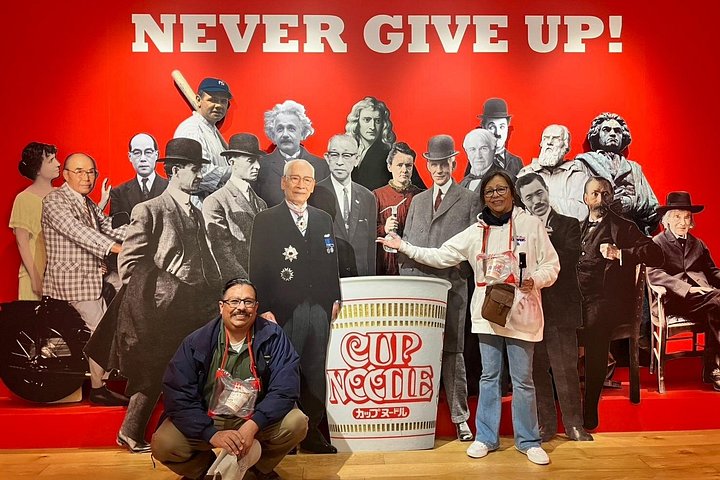
It is also a sensible rainy-day plan and a good way to spend an evening when sights are closing. Pair it with a morning at Minato Mirai or the Cup Noodles Museum for a day that mixes sightseeing and hands-on activity, or follow it with a night walk through the harbor lights. Whatever the menu, the point is the same: to taste Yokohama through home cooking, not just restaurant dishes.
What to expect
The experience
A hands-on class with a local host, cooking a set menu and eating it together.
Best time
Any time of year; it is a reliable indoor plan in rain, heat or winter cold.
How long
Two to three hours.
Tips
Report allergies and dietary needs when you reserve and take photos of each step.
Quick picks
- Best for
- Food lovers, couples, friends and families with older children.
- Families
- Good for older children who enjoy helping in the kitchen.
- Couples
- A shared, hands-on evening that ends with dinner.
- Pair with
- A morning at the Cup Noodles Museum or a walk through Chinatown.
- Time needed
- Two to three hours.
Good questions
Do I need cooking experience?+
No. Classes are designed for beginners and the host guides each step.
Will I eat what I cook?+
Yes. The meal is normally eaten together at the end of the class.
Can the class cater for vegetarians?+
Often with notice, but fish stock is common, so ask when you reserve.
Do I get the recipes?+
Hosts commonly share recipes or notes. Confirm when you reserve, and take your own photos too.
Is it suitable for children?+
Older children who like cooking usually enjoy it. Check any age guidance when you reserve.