Sushi, gyoza and green tea are the three tastes most visitors associate with a trip to Japan, and this class puts them in one session. You prepare sushi, fold and cook gyoza dumplings and finish with matcha, so the experience runs from savoury to gently bitter and sweet. It is a good option for people who want something more active than a restaurant meal but do not have the time or appetite for a full day course. Yokohama's role in this is more fitting than it first seems. Gyoza became a staple of Japanese eating through the port and its Chinese community, and the city's Chinatown remains one of the best places to eat dumplings in the country. Sushi, in turn, is a craft with a reputation for being difficult, and a short class shows how much is technique rather than mystery. Rice seasoning, the pressing of the fish and the rolling motion are all easier to understand once you have done them yourself, and the instructor is there to correct the small mistakes that beginners make.
The structure of a session
You are shown the ingredients and the basic principles, then make each item in turn. For sushi that usually means seasoning and handling rice, shaping and topping or rolling. For gyoza it means preparing a filling, folding the wrapper into its pleated shape and pan-frying until crisp underneath and tender above.
The meal is eaten together, and the matcha segment closes the experience with a bowl of whisked tea. Exact dishes and portions can vary by session, so check the details when you reserve, especially if you have a dietary need.
What to know about ingredients
Raw fish is a standard part of sushi, though many classes use cooked or vegetable fillings as alternatives, so say early if raw fish is a concern. Gyoza usually contains pork, cabbage, garlic and chives, with a wheat wrapper, which matters for allergies and for guests who avoid pork. Soy sauce, sesame and fish stock appear throughout. Hosts often adapt for vegetarian or allergy needs when given notice, but it is far easier to arrange in advance than during the class.
Tips for a smooth class
Wash your hands as instructed, tie back long hair and wear clothes that can survive a little flour or sauce. Sushi rice is sticky, so wet your fingers as the instructor shows, and do not press too hard when shaping, since loose rice is what makes sushi pleasant to eat. For gyoza, a small amount of filling and a firm pinch are better than an overfilled dumpling. Take photographs of the folding steps, because the pleating is the part most people forget by the time they get home.
Fitting it into your day
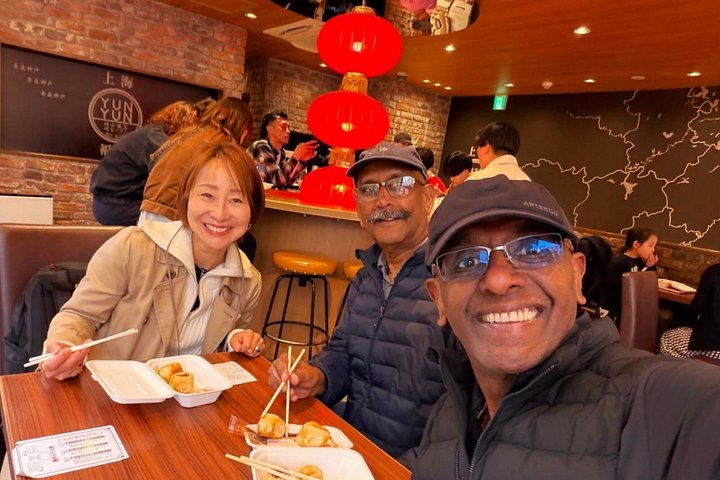
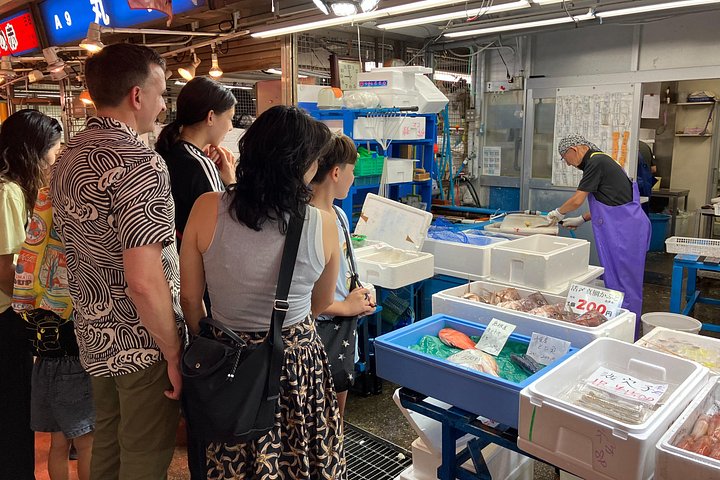
A class of two to three hours slots comfortably into a morning or an afternoon. It is a pleasant companion to a walk through Chinatown, where you can compare your gyoza with the professional version, or to a visit to the fish market tour for a better understanding of the fish itself. Families with older children find it fun, couples enjoy the shared task, and solo travellers meet others over a meal. It is also a reliable wet-weather plan, which matters on rainy days when harbor walks are less appealing.
What to expect
The experience
A hands-on class covering sushi, gyoza and matcha, with the meal eaten together.
Best time
Any season; a dependable indoor plan for rain or cold.
How long
Two to three hours.
Tips
Mention raw fish, pork and wheat concerns early and wet your fingers when handling sushi rice.
Quick picks
- Best for
- Food lovers, families with older children and curious first-timers.
- Families
- Fun for children who enjoy folding and rolling.
- Couples
- A shared, playful task that ends in a meal.
- Pair with
- A Chinatown walk or the fish market tour.
- Time needed
- Two to three hours.
Good questions
Is raw fish used?+
Raw fish is traditional in sushi, but many sessions have alternatives. Ask when you reserve.
Does the class include gyoza with pork?+
Gyoza commonly contains pork. Tell the host about dietary needs in advance.
Do I need experience?+
No. The instructor guides every step and corrects beginner mistakes.
What is the matcha part?+
A bowl of whisked green tea closes the session, often with an introduction to how it is prepared.
Is it a good rainy-day plan?+
Yes, it is entirely indoors and runs in any weather.