Travel ideas
Hiking destinations
From day hikes to multi-day treks: the world’s great trails, and the towns that make the best base, with guided hikes and gear-friendly hotels.
Mountain weather changes fast. Check trail conditions and permits, and go with a guide on high or remote routes.
North America
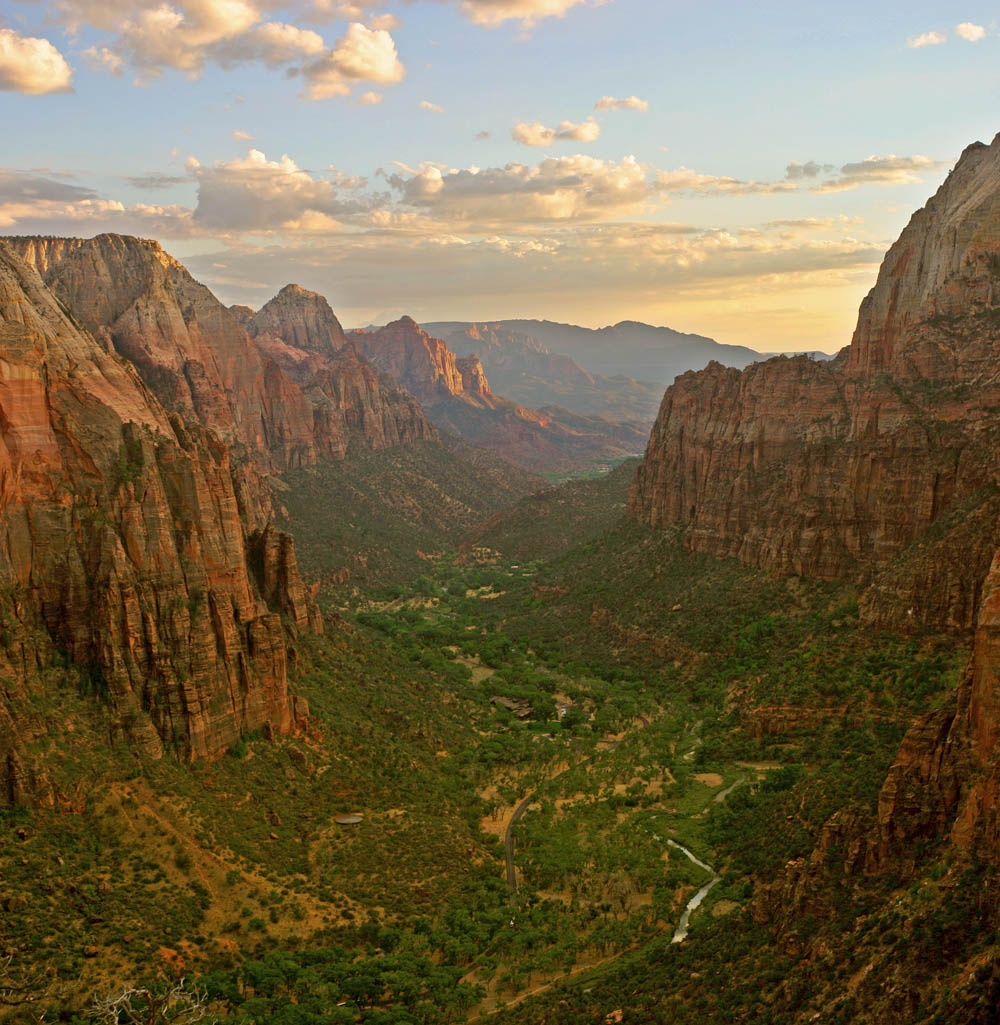
United StatesZion & Bryce Canyon
Angels Landing and wading up the Narrows.
 United States
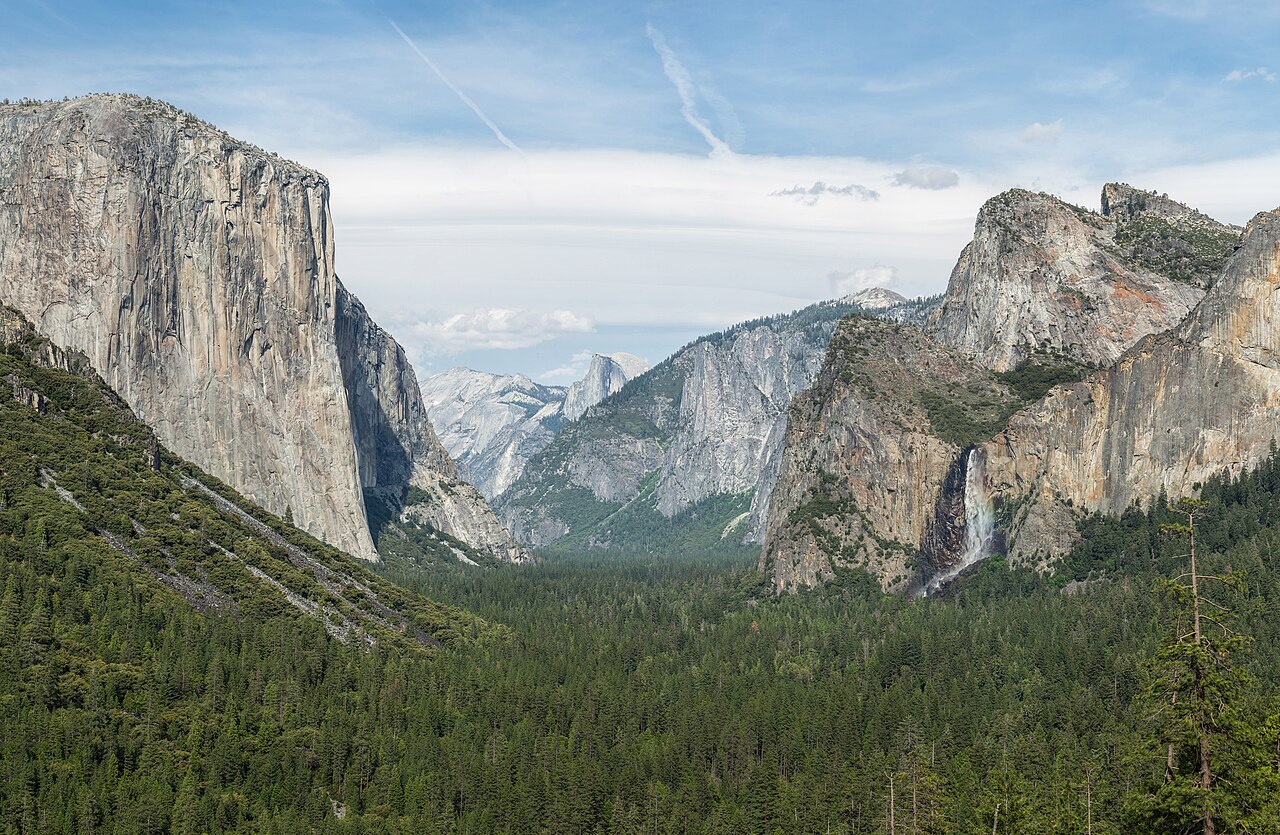
Yosemite
Half Dome and the Mist Trail.
 United States
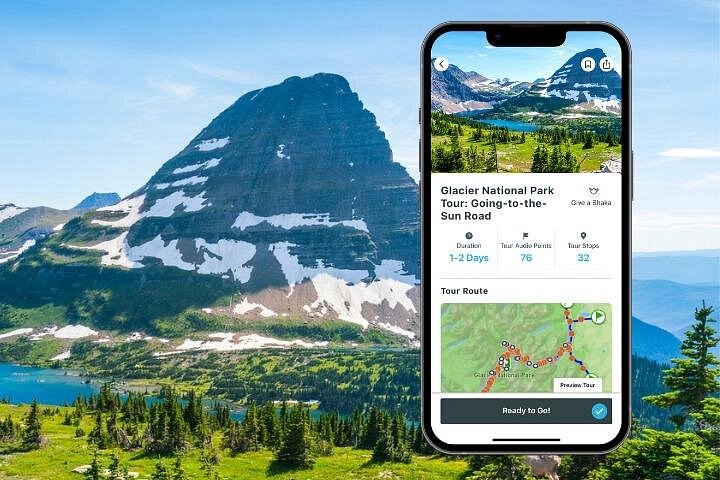
Glacier National Park & Whitefish
The Highline Trail and Grinnell Glacier.
 Canada
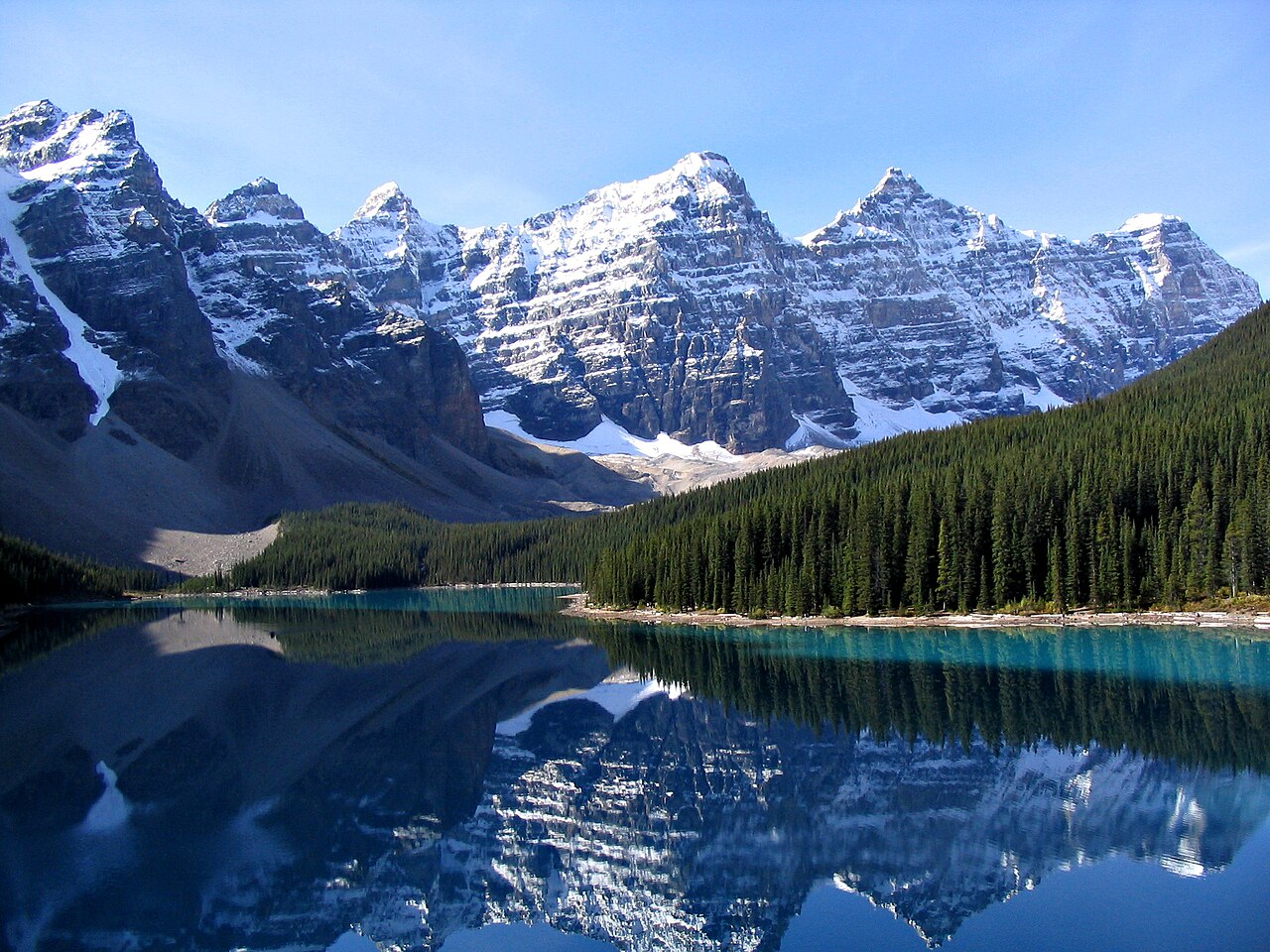
Banff & Lake Louise
Lake Agnes teahouse and the Plain of Six Glaciers.
 United States
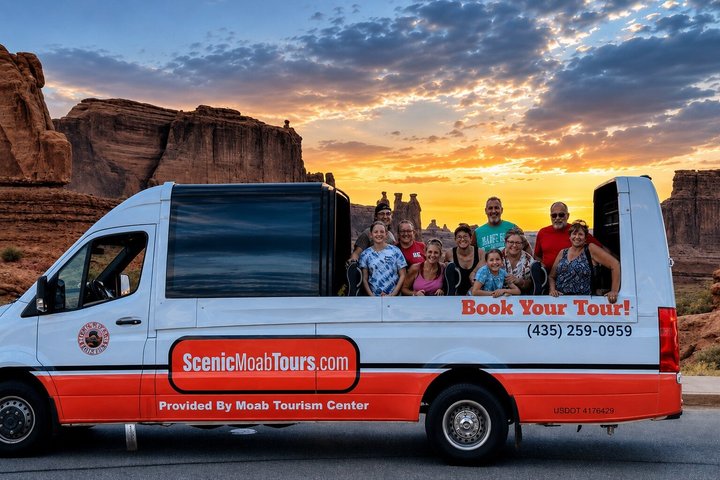
Arches & Canyonlands (Moab)
Delicate Arch and slickrock trails.
 United States
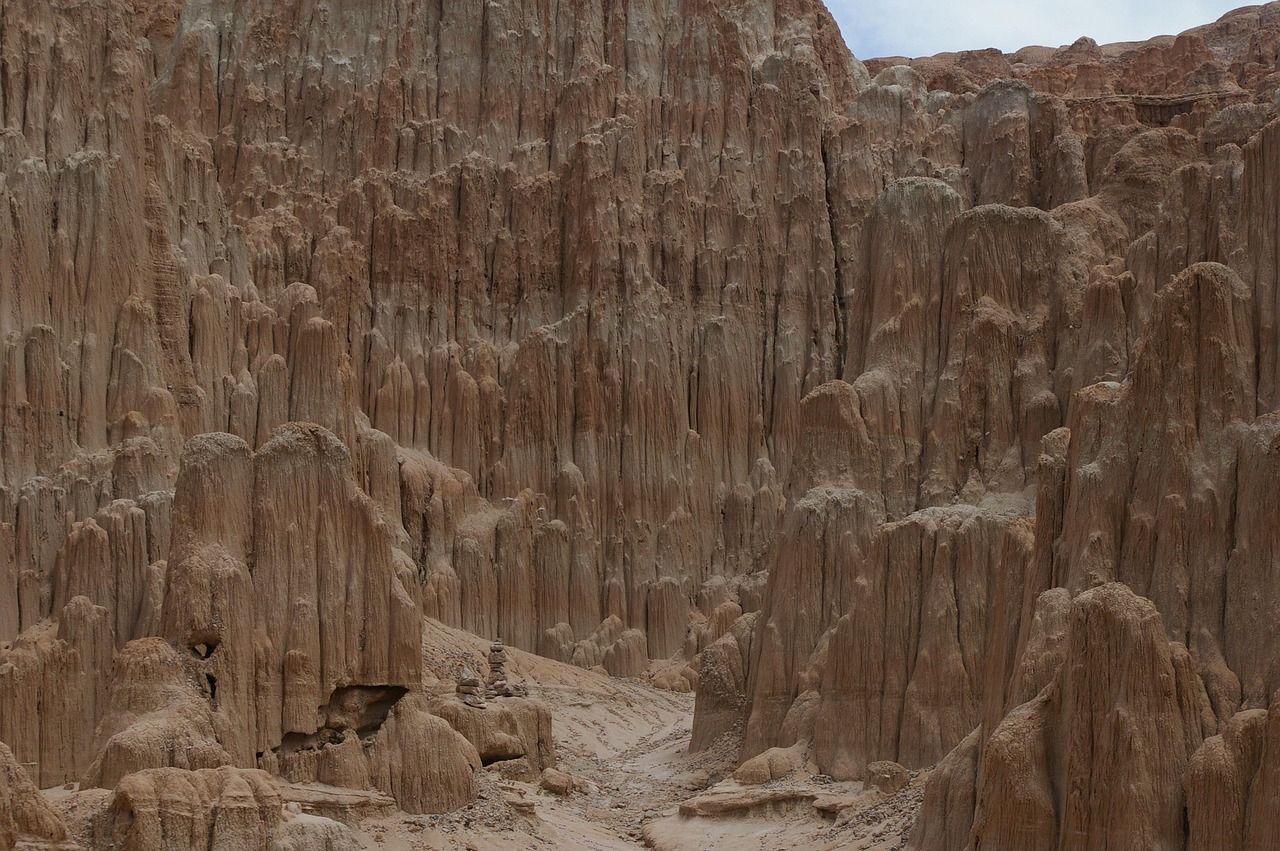
Sedona
Red-rock trails among the buttes.
South America
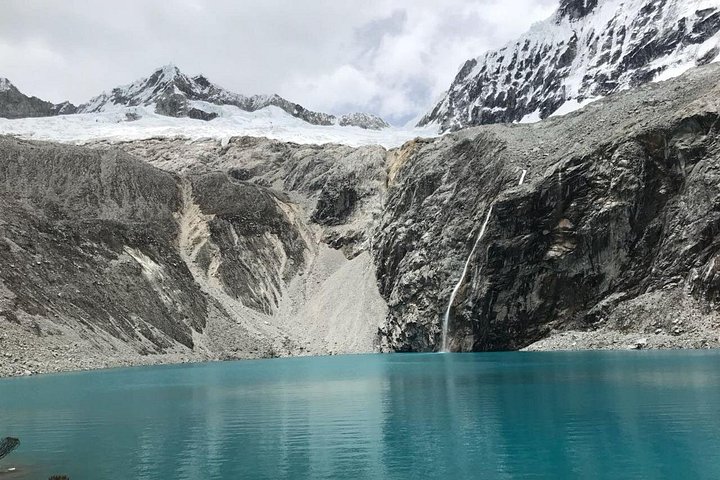
Europe
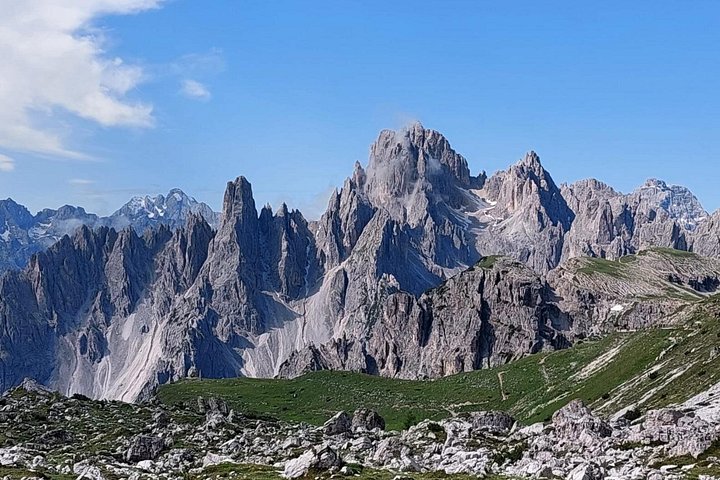 Italy
The Dolomites
Hut-to-hut routes and the Tre Cime circuit.
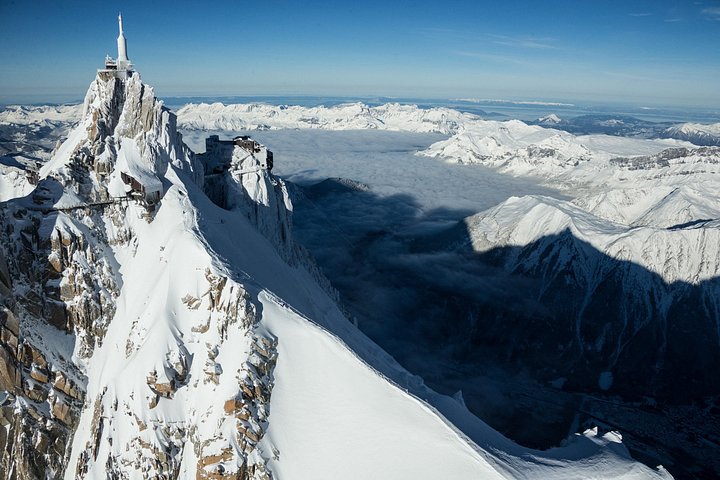 France
Chamonix
The start of the Tour du Mont Blanc.
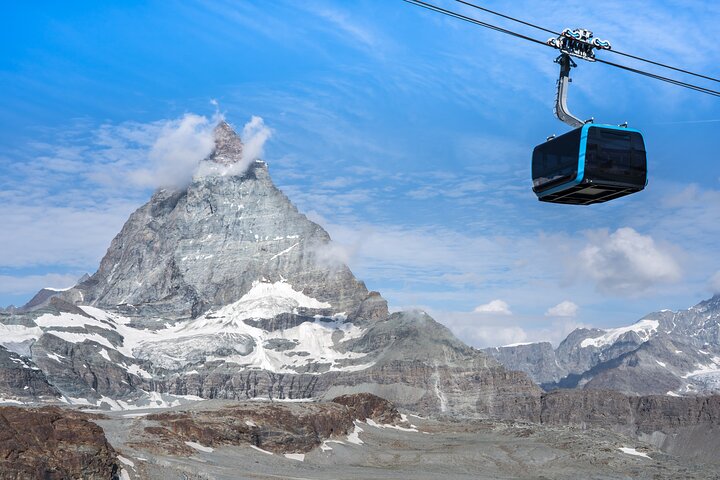 Switzerland
Zermatt & the Matterhorn
Five Lakes Walk and Matterhorn views.
 Switzerland
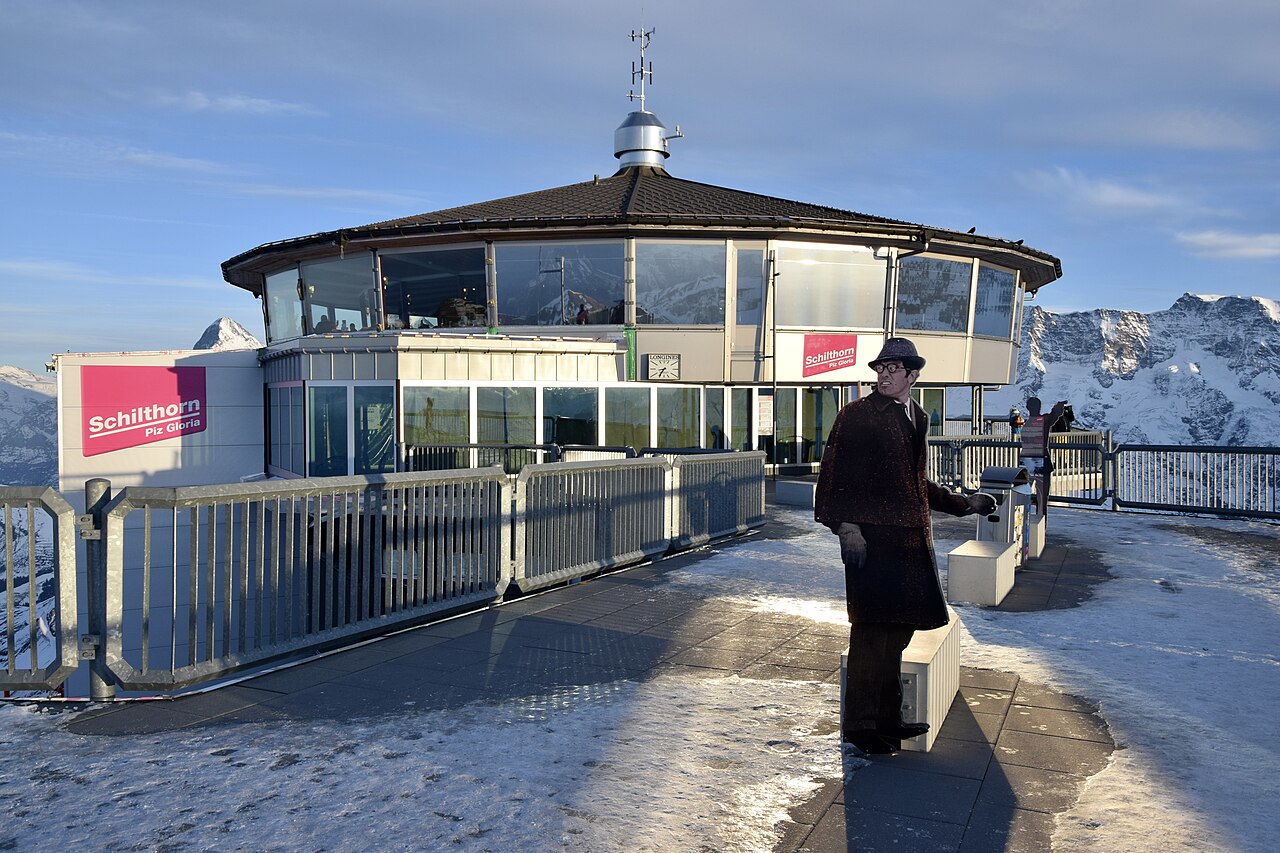
Interlaken & the Jungfrau Region
The Jungfrau region’s classic trails.
 United Kingdom
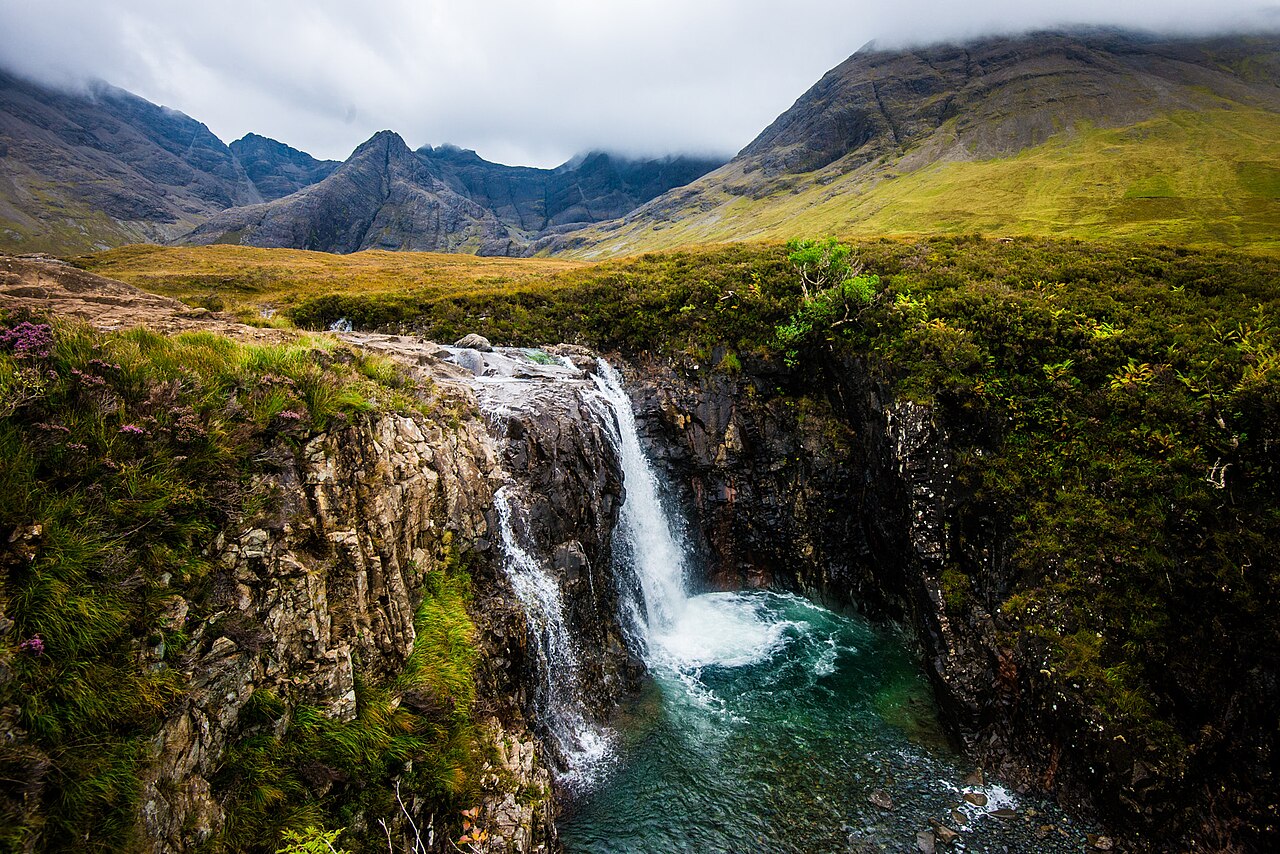
Isle of Skye
The Old Man of Storr and the Quiraing.
 United Kingdom
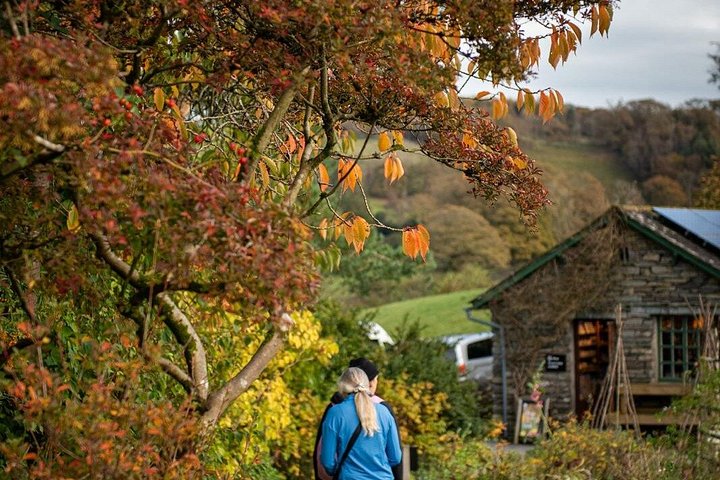
Lake District
Fells, tarns and Scafell Pike.
 Italy
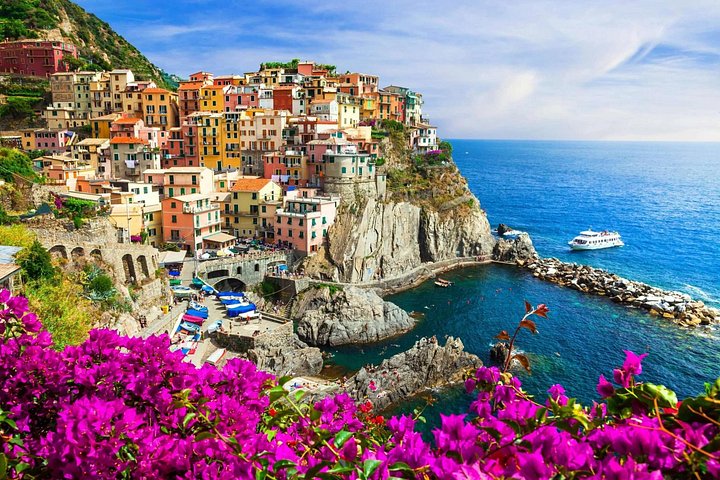
Cinque Terre
Coastal paths between five villages.
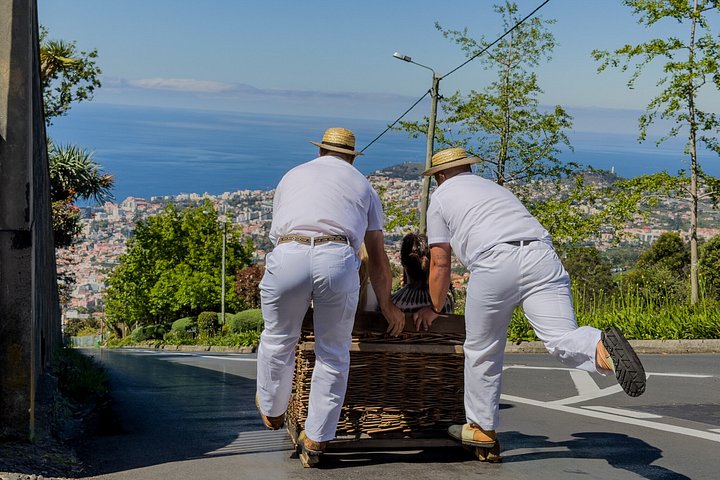 Portugal
Madeira
Levada walks and the Pico do Arieiro ridge.
Africa, Asia & Oceania
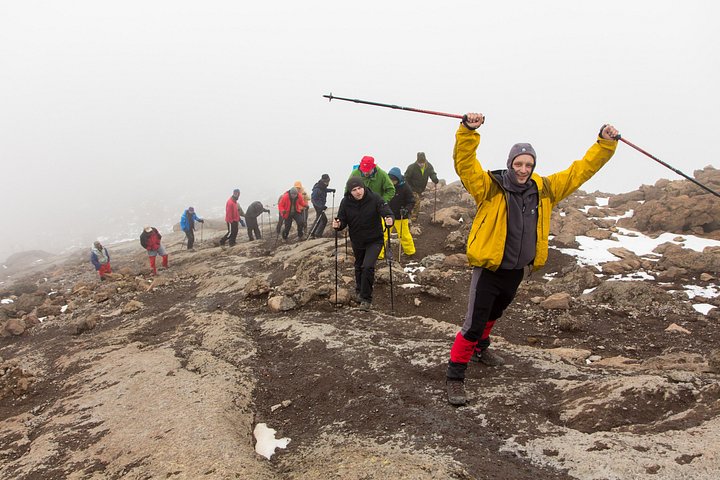 Tanzania
Mount Kilimanjaro & Moshi
Africa’s highest peak, no climbing gear needed.
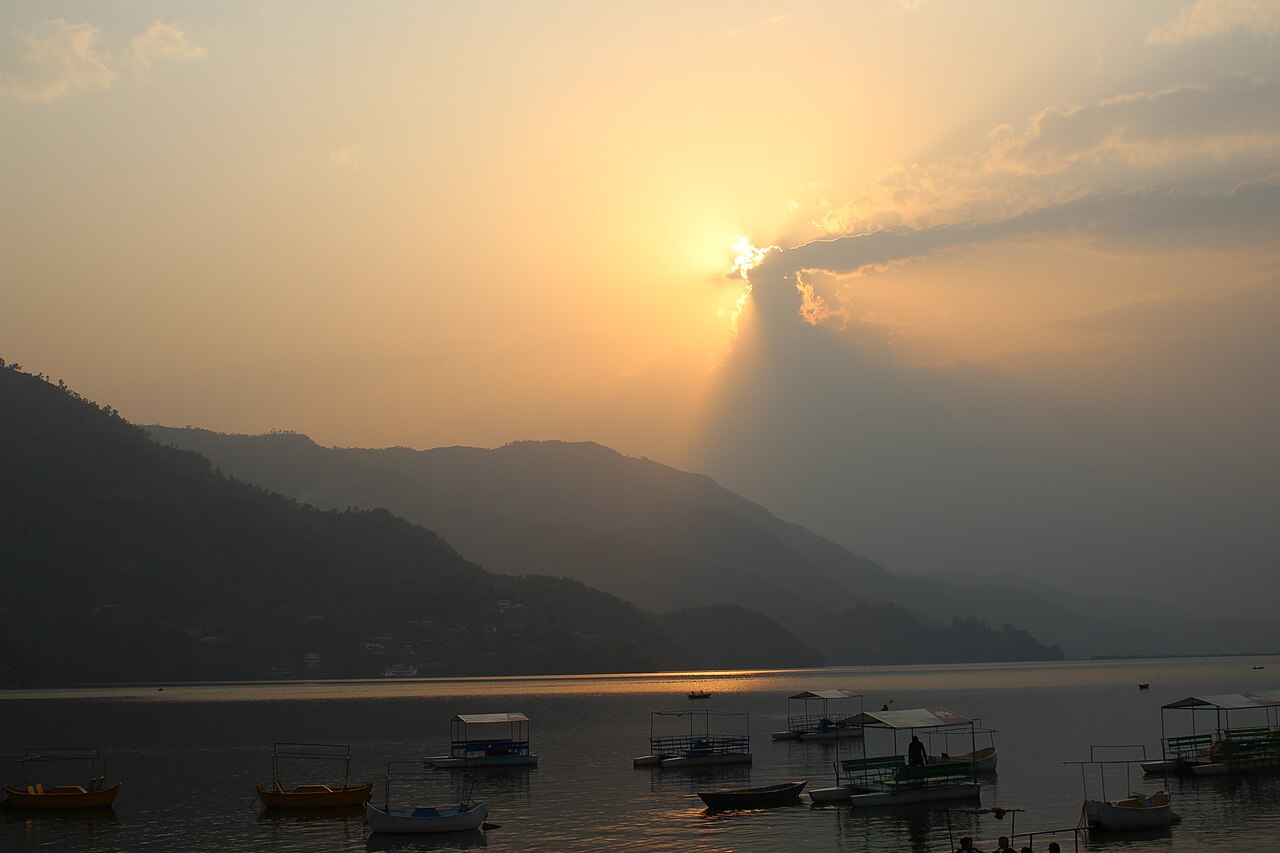 Nepal
Pokhara
The base for Annapurna treks.
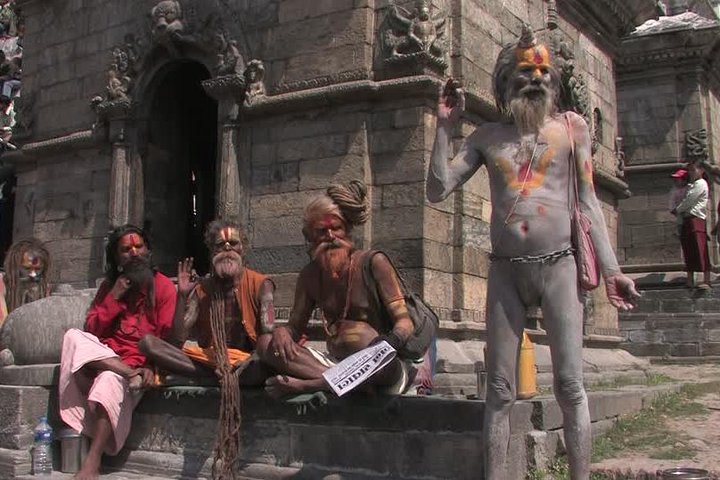 Nepal
Kathmandu
The gateway to the Everest region.
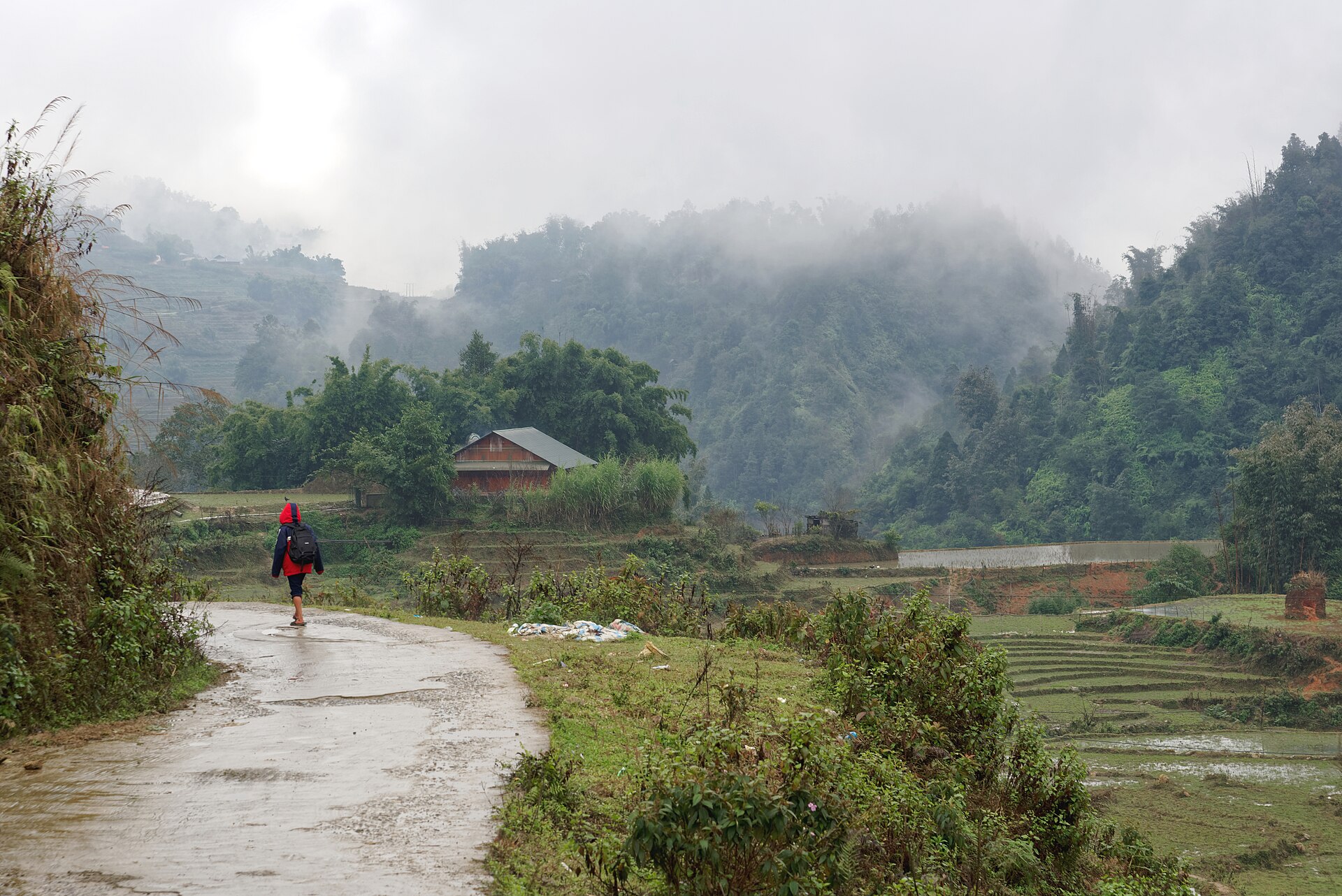 Vietnam
Sa Pa
Rice-terrace treks between hill-tribe villages.
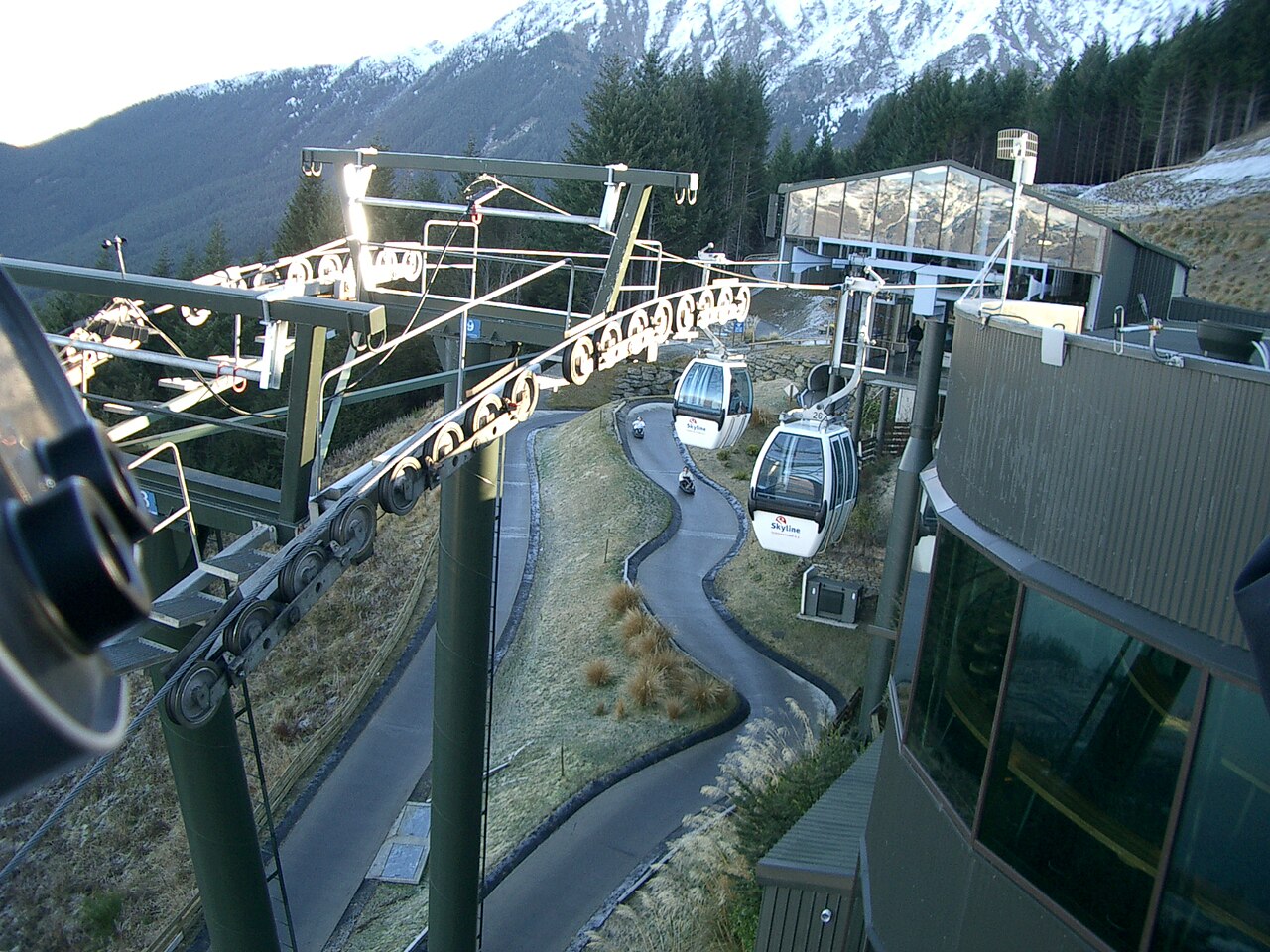 New Zealand
Queenstown
Great Walks like the Routeburn nearby.
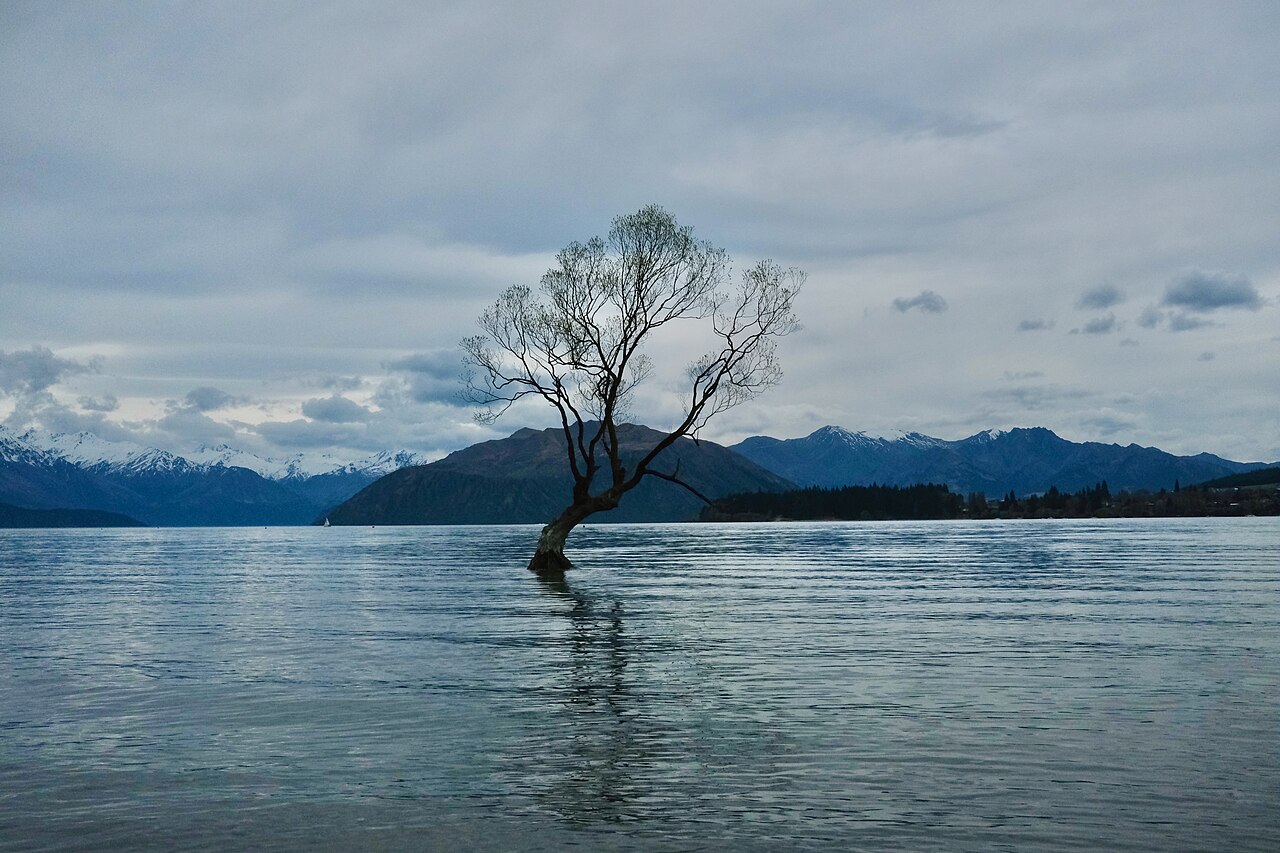 New Zealand
Wānaka
Roys Peak and its famous viewpoint.
Planning tips
Start by matching the trail to your fitness and the time you have, not to the famous photo. Zion, Yosemite and Moab suit people who want big scenery on day hikes from a comfortable base, while Glacier and Banff reward a few days of linked walks. The Dolomites, Chamonix and the Swiss Alps towns of Zermatt and Interlaken are ideal if you like lifts, mountain huts and a hot meal at the end, and Cinque Terre and Madeira offer gentler coastal and levada walking when you want less climbing.
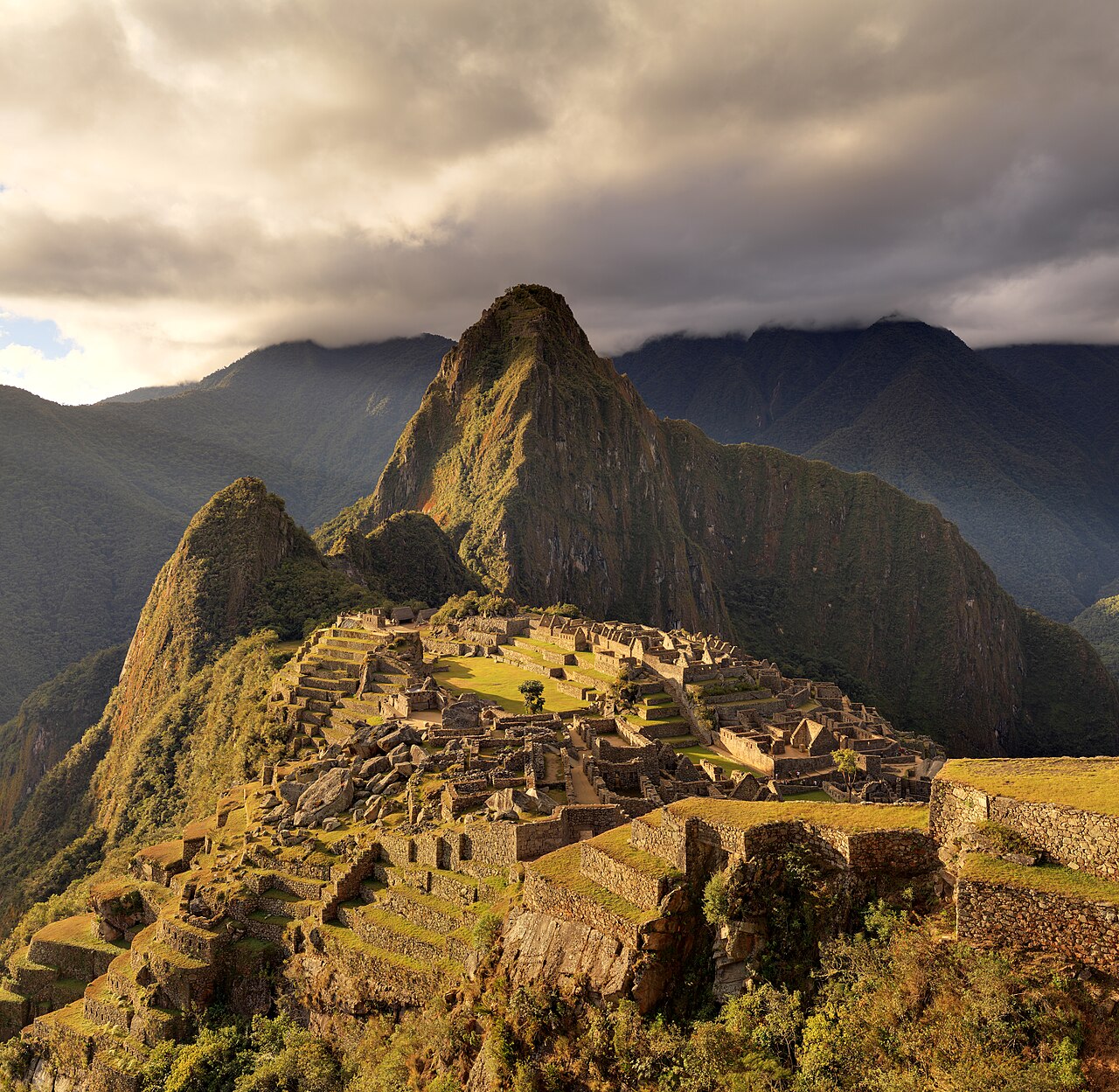
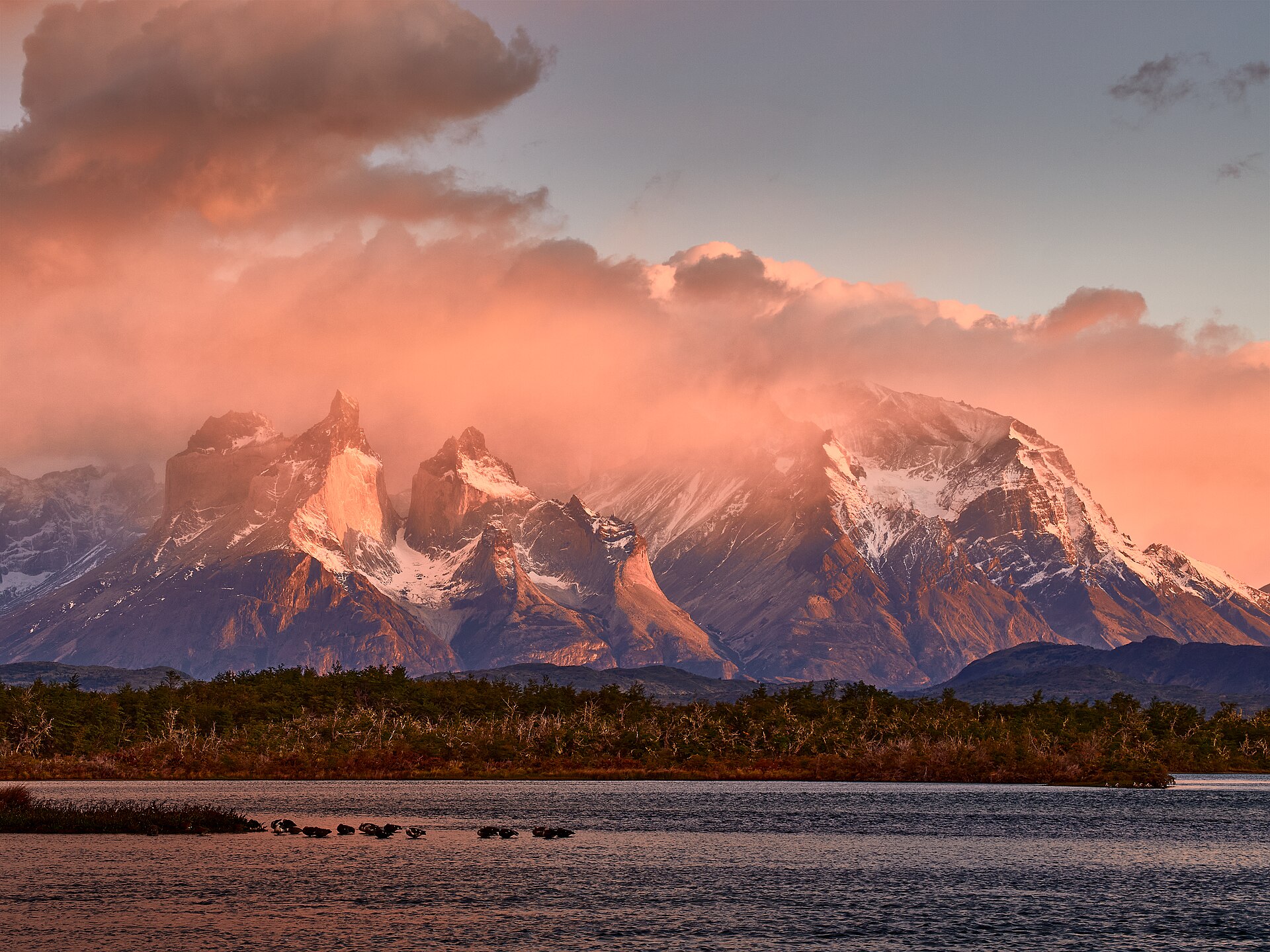
For multi-day trips, Cusco and Patagonia are the classic choices for a committed trek, with the Inca Trail and the W Trek both well organised. Kilimanjaro, Pokhara and Kathmandu suit those ready for altitude and a longer itinerary. Plan extra days for acclimatisation on any high route, because rushing the ascent is the most common reason trips go wrong.
Season matters more than anything else. Alpine and Rocky Mountain trails are usually clear of snow from about midsummer into early autumn, desert parks such as Zion, Moab and Sedona are most comfortable in spring and autumn, and the southern hemisphere hiking season in Patagonia and New Zealand runs through their summer. Trails to places like Machu Picchu and the Tour du Mont Blanc huts book up far ahead, so check permit and hut rules as soon as you pick your dates.
Travelling on foot is only part of the logistics. Many trailheads have shuttles or limited parking, so work out how you will get there without a car, and book at least your first and last nights in advance. Break in your boots well before you leave, pack layers even for sunny forecasts, and carry more water and snacks than you think you need. Hire a local guide for remote, high or glaciated routes, and be willing to turn back when the weather changes.
Questions
What is the best time of year to go hiking?+
It depends on the region, but spring and autumn suit desert parks and low-lying coastal paths, while midsummer to early autumn is usually best for high mountains in Europe and North America. Patagonia and New Zealand are best in their southern summer. Always check snow and trail conditions shortly before you go, because a late winter can delay opening dates.
Do I need a guide or a permit?+
Often yes, especially on the most popular or remote routes. The Inca Trail requires a licensed operator and advance permits, Kilimanjaro requires a guide, and some US trails such as Angels Landing use permit systems. Many other routes need nothing, but rules change, so check the park or trail authority before booking.
How many days do I need for a hiking trip?+
Three to five days is enough to see the highlights of a single national park or alpine base. Famous multi-day routes such as the W Trek or the Tour du Mont Blanc typically need a week or more, and high-altitude treks need extra days for acclimatisation. If you only have a weekend, pick one base and do day hikes.
Which is better for a first hiking trip, the Alps or the national parks of the US West?+
The Alps are easier for beginners who want company and comfort, because lifts, huts and clear signposting let you choose how hard to push. US national parks suit those who like wide landscapes and a car-based trip, but distances are longer and some trails require permits or early starts.