Seasonal trips
Summer in Europe
Long light evenings, island ferries and dinners outside. Where to go in Europe from June to August, from Greek islands to cool Nordic cities and Alpine lakes.
July and August are the busiest and hottest months in southern Europe. June and September are often the sweet spot, with warm seas and fewer crowds.
Mediterranean beaches
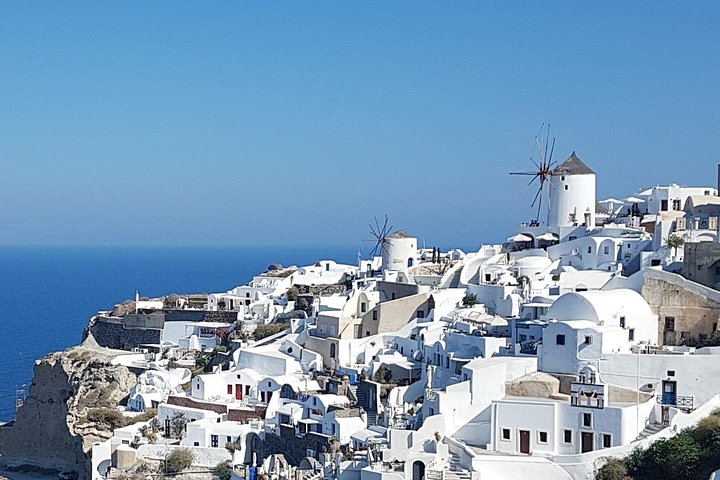
GreeceSantorini
Sunsets over the caldera and island-hopping by ferry.
 Greece
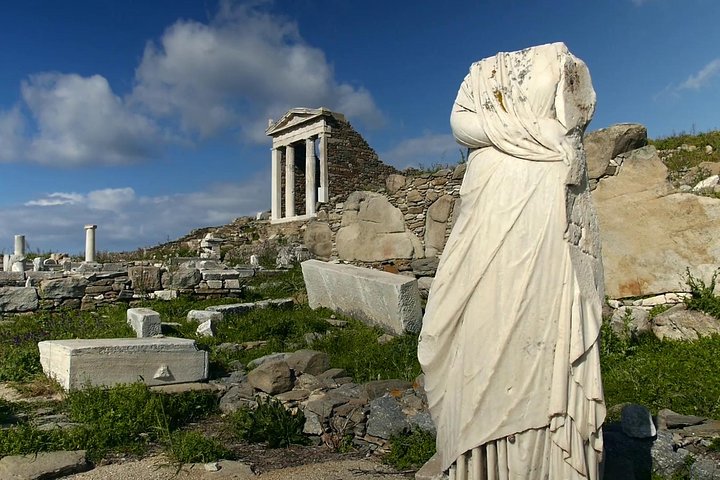
Mykonos
Beach clubs, windmills and late nights.
 Italy
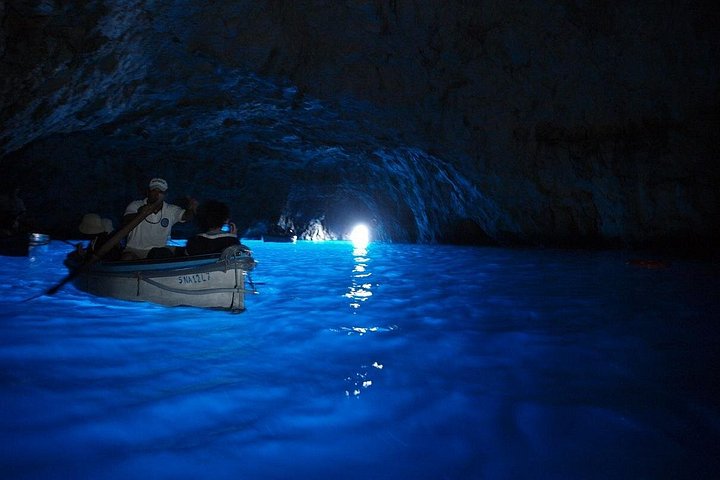
Sorrento & Capri
The Amalfi Coast and boat days around Capri.
 Spain
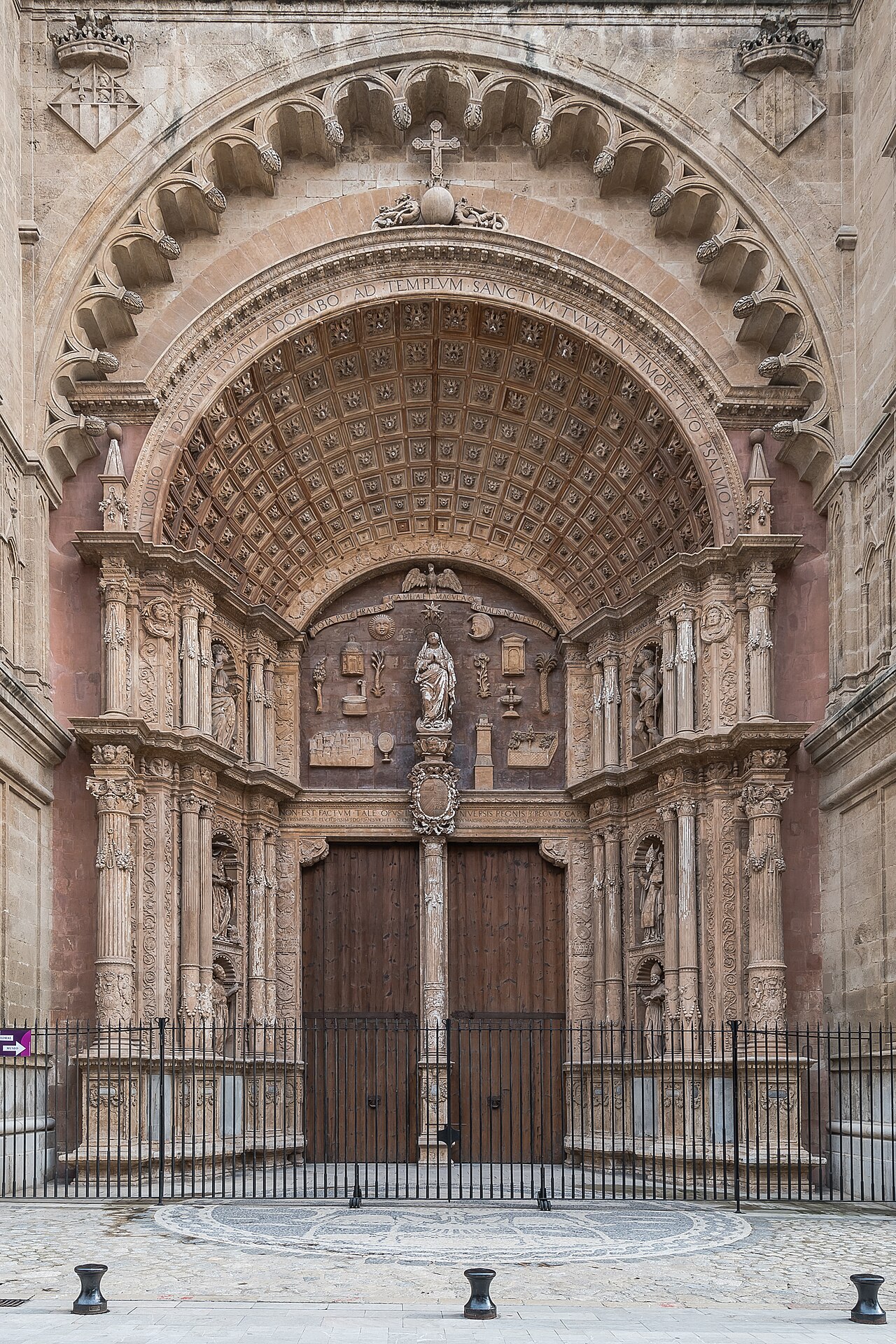
Mallorca
Coves, mountain roads and a lively capital.
 Croatia
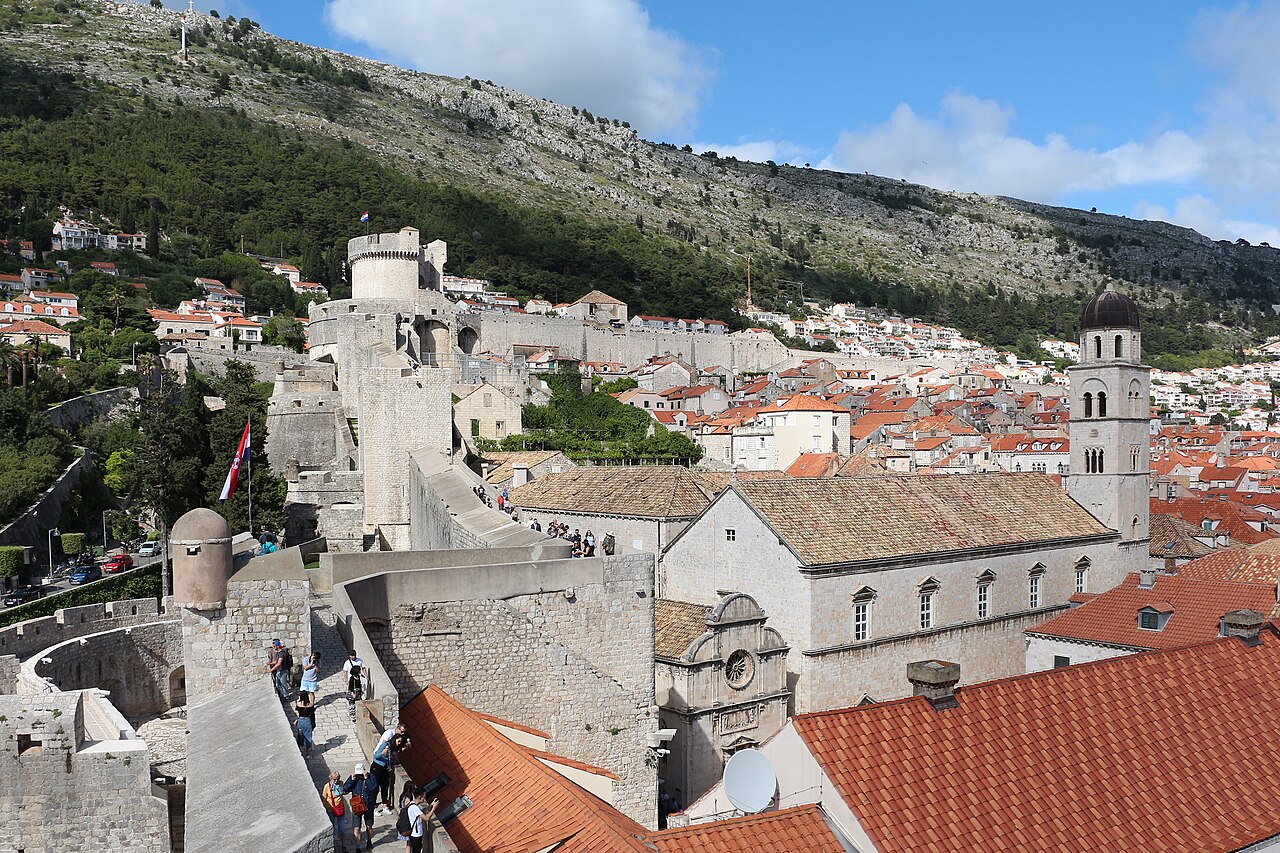
Dubrovnik
Old-town walls and swims off the rocks.
 Croatia
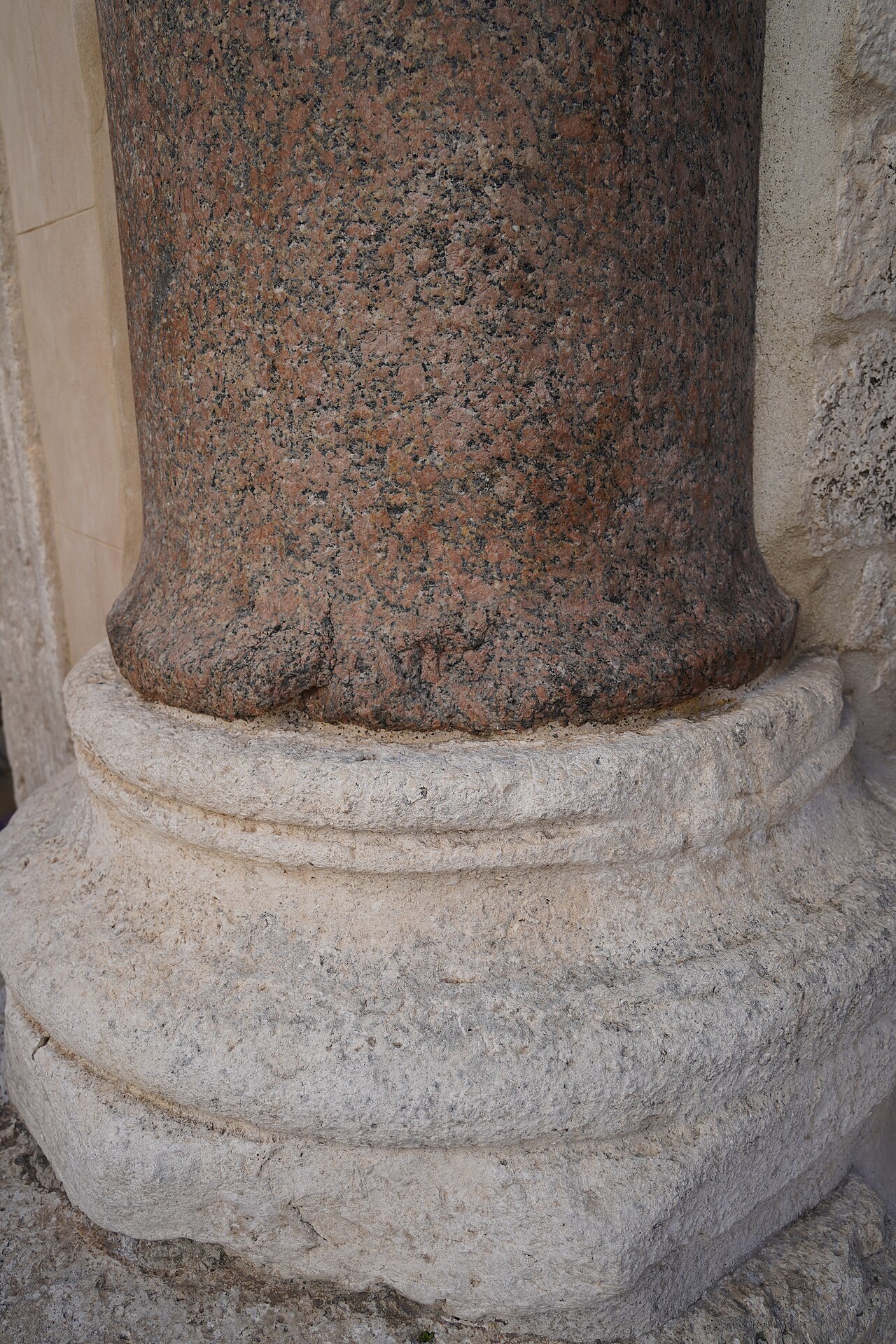
Split
Diocletian’s Palace and ferries to Hvar and Brač.
 France
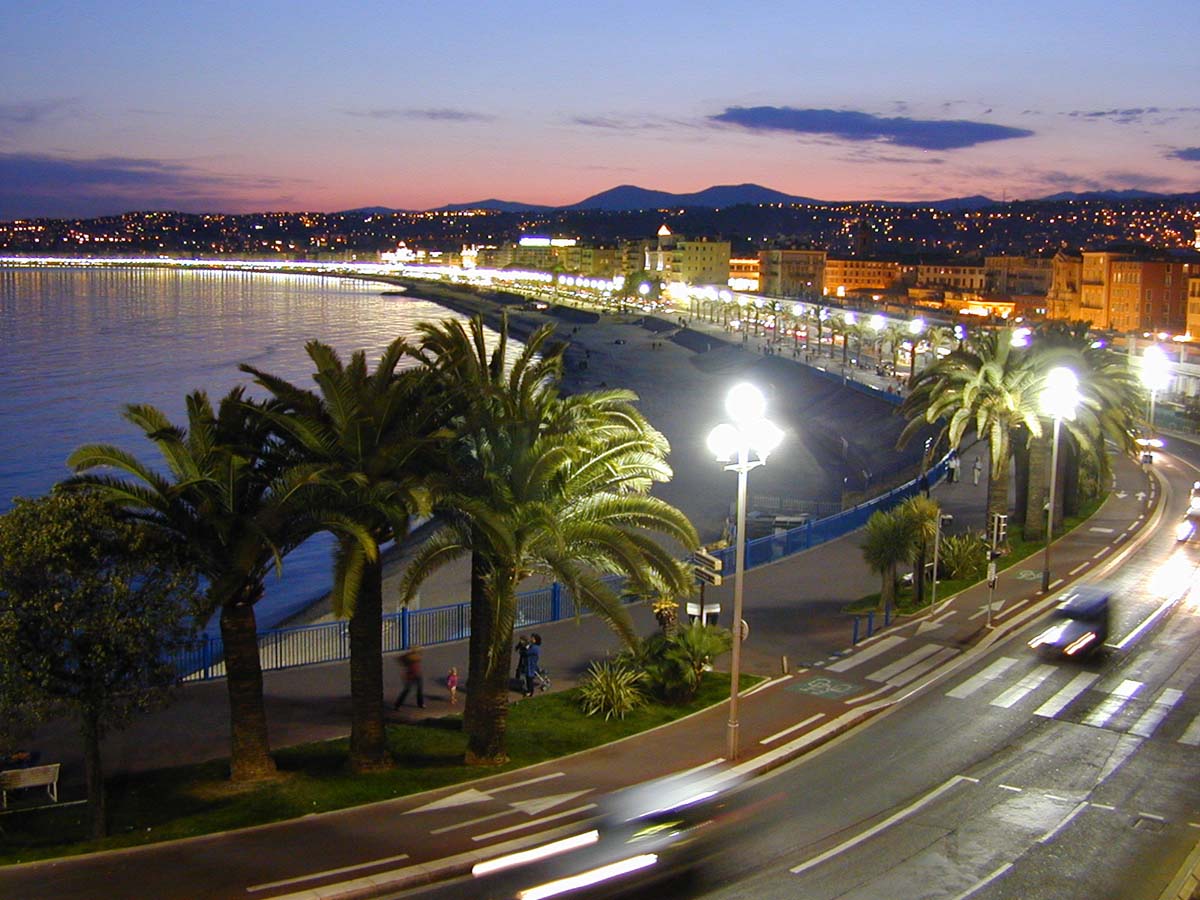
Nice & the French Riviera
The Riviera, the Promenade and day trips to Monaco.
Lakes & mountains
 Italy
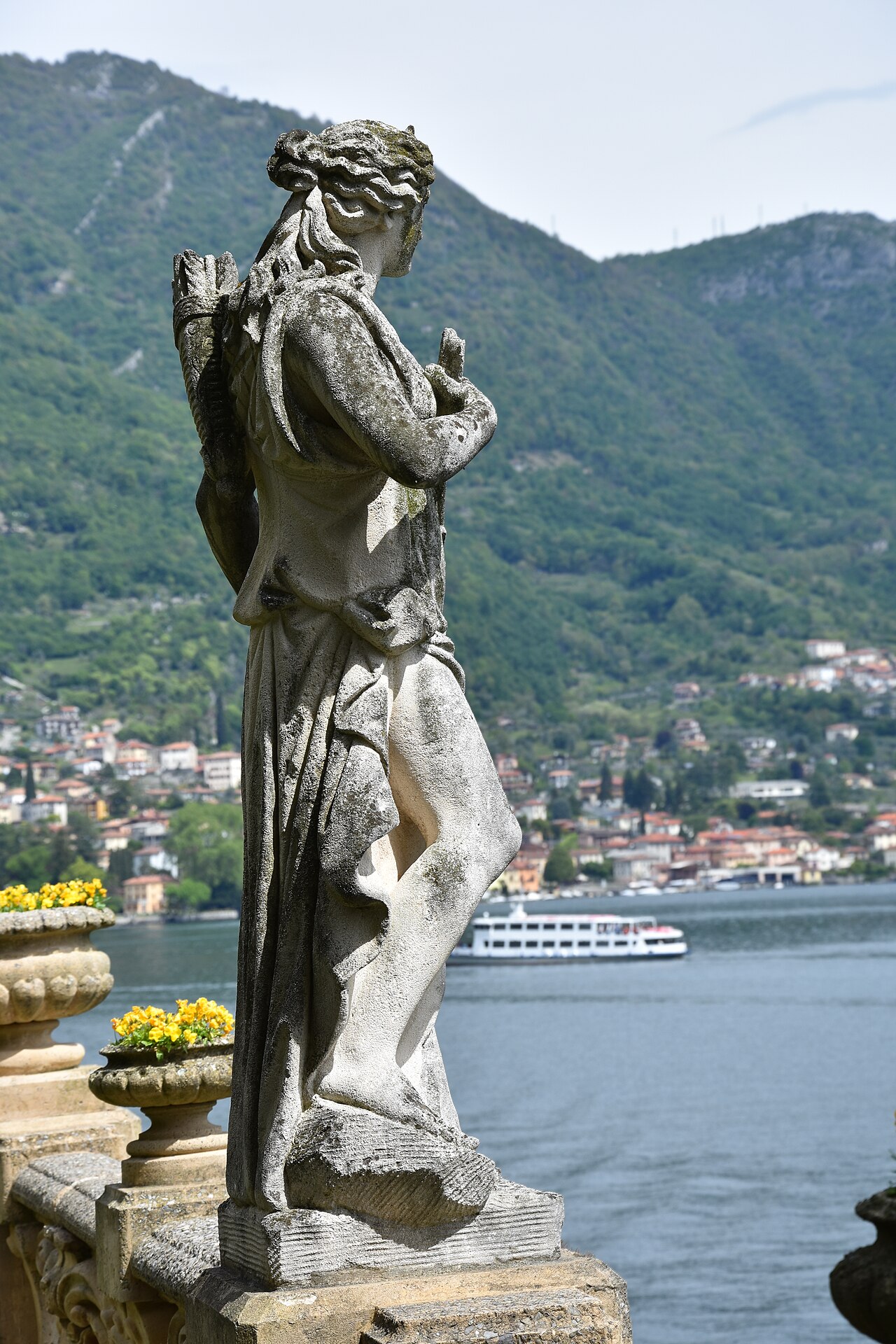
Lake Como
Villas, boats and lakeside lunches.
 Switzerland
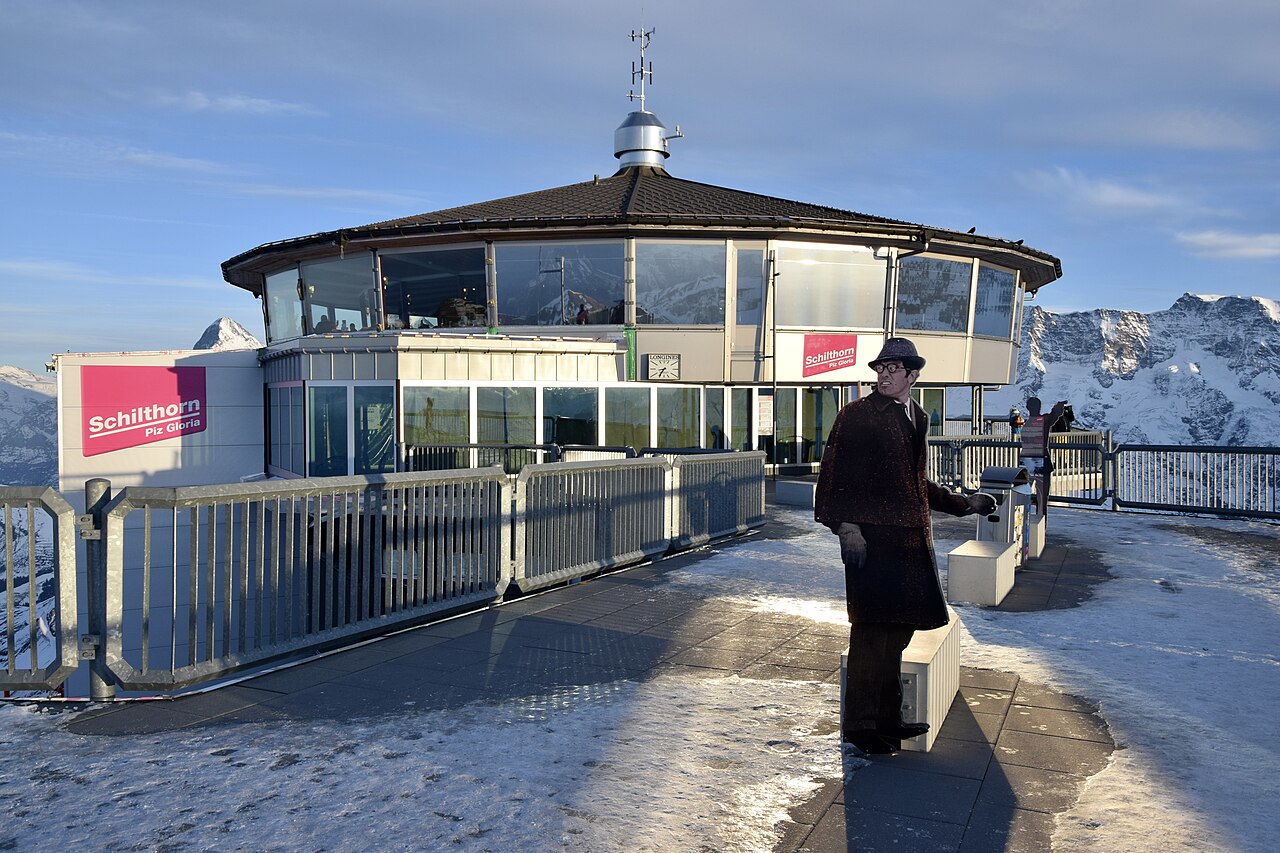
Interlaken & the Jungfrau Region
Swiss Alps adventures between two lakes.
 Switzerland
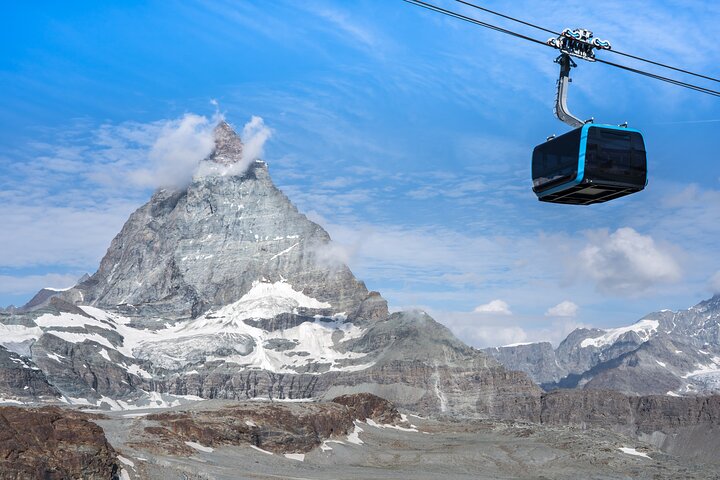
Zermatt & the Matterhorn
Summer hiking under the Matterhorn.
 Slovenia
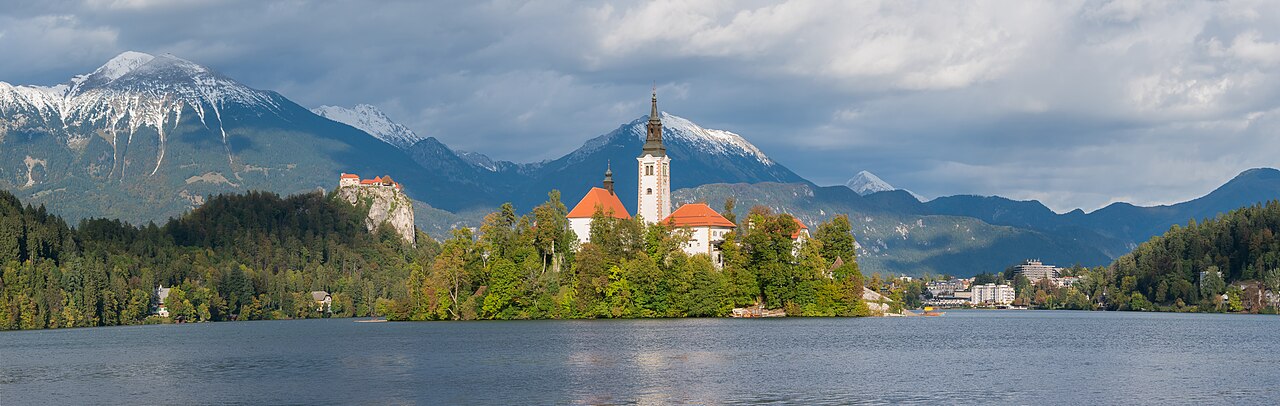
Lake Bled
A castle above a lake with an island church.
 Italy
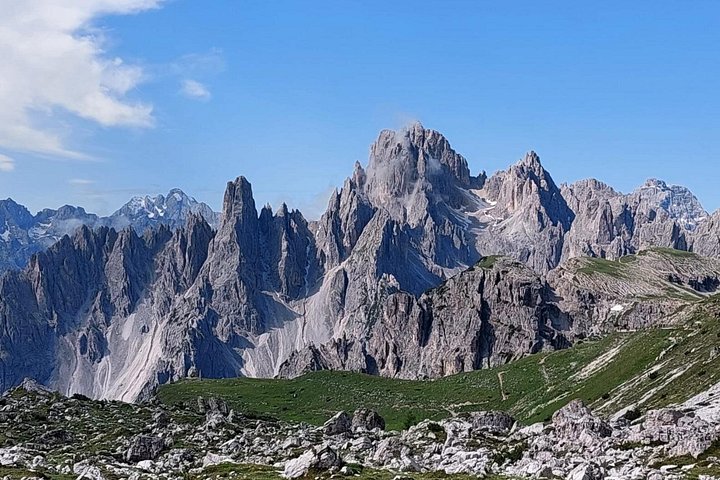
The Dolomites
High hiking trails and mountain huts.
Cooler north
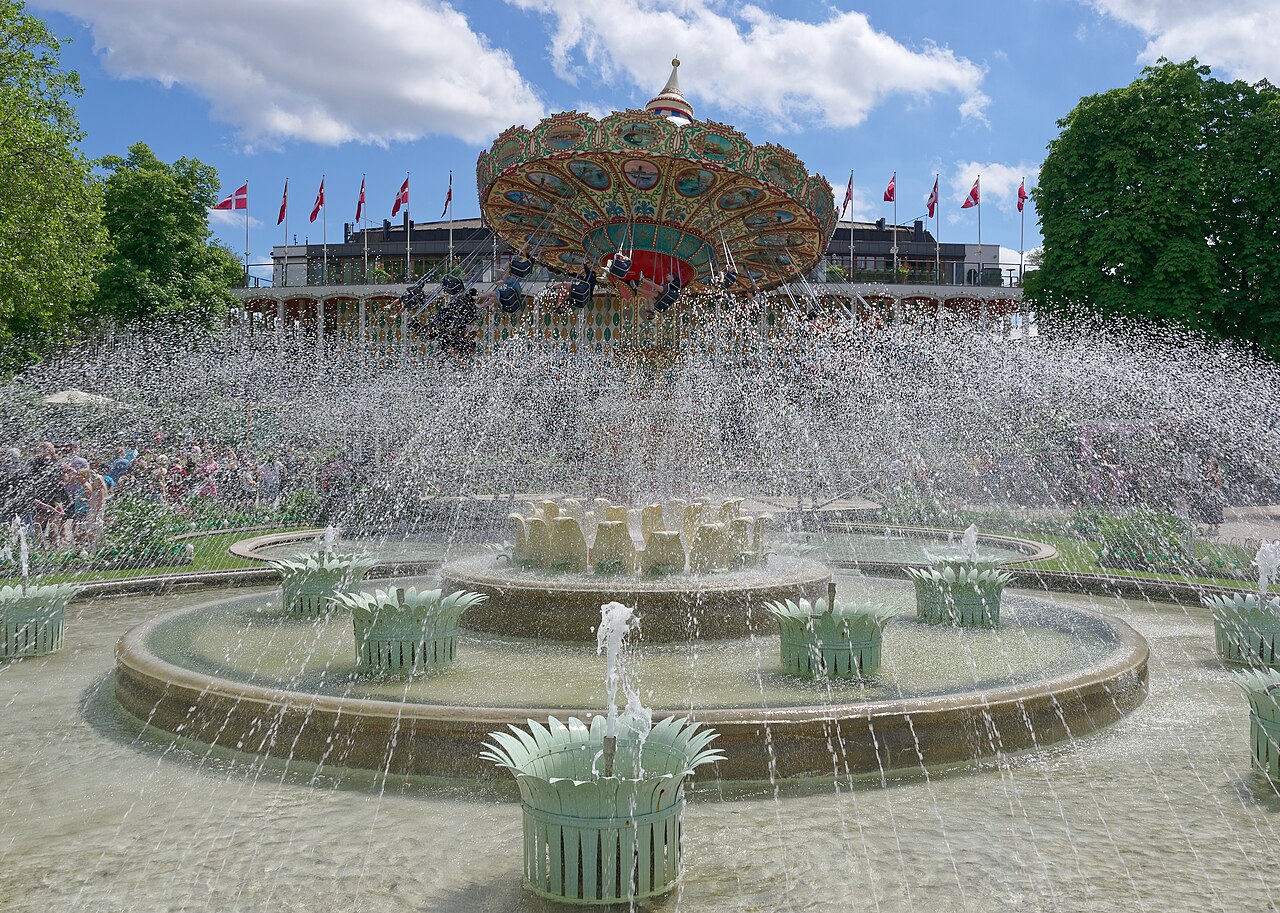 Denmark
Copenhagen
Harbour swimming, bikes and long evenings.
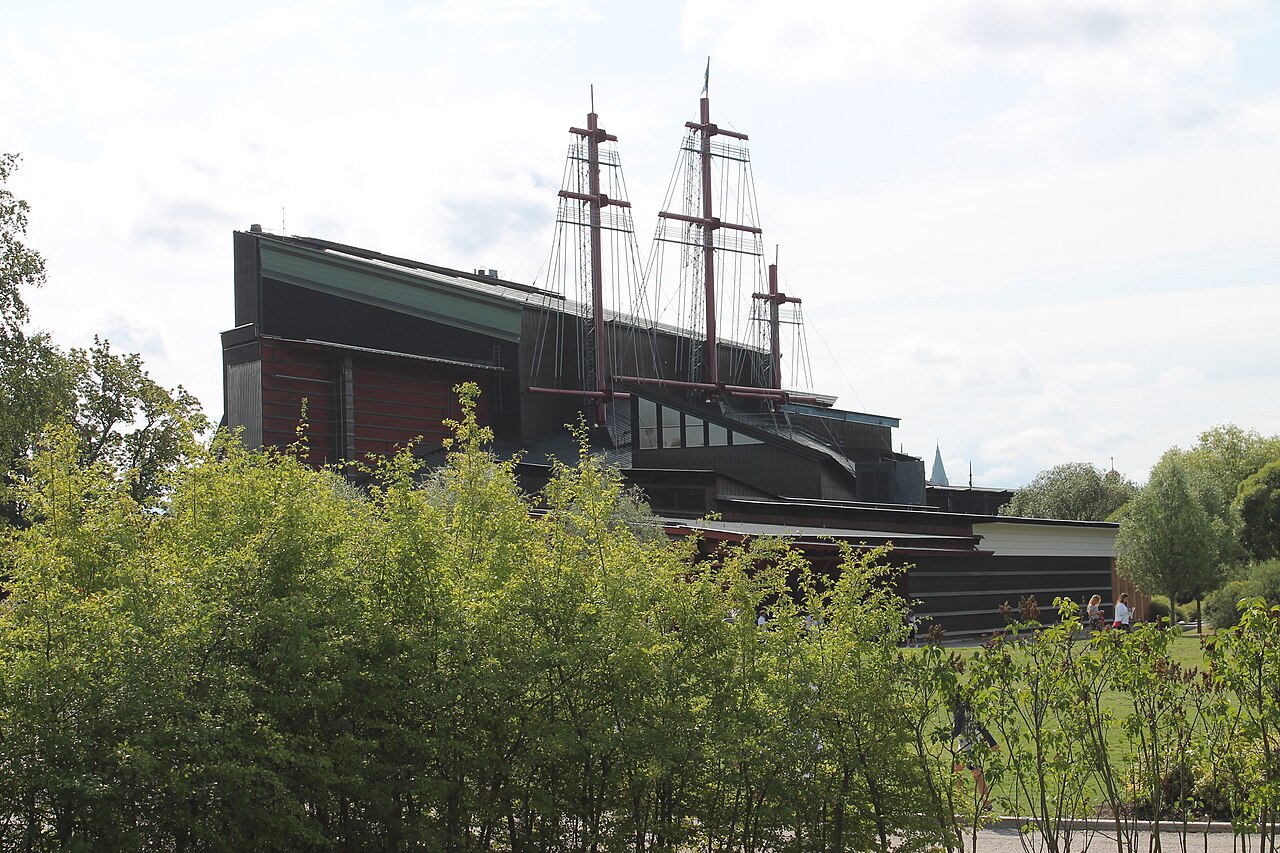 Sweden
Stockholm
An archipelago of islands to explore by boat.
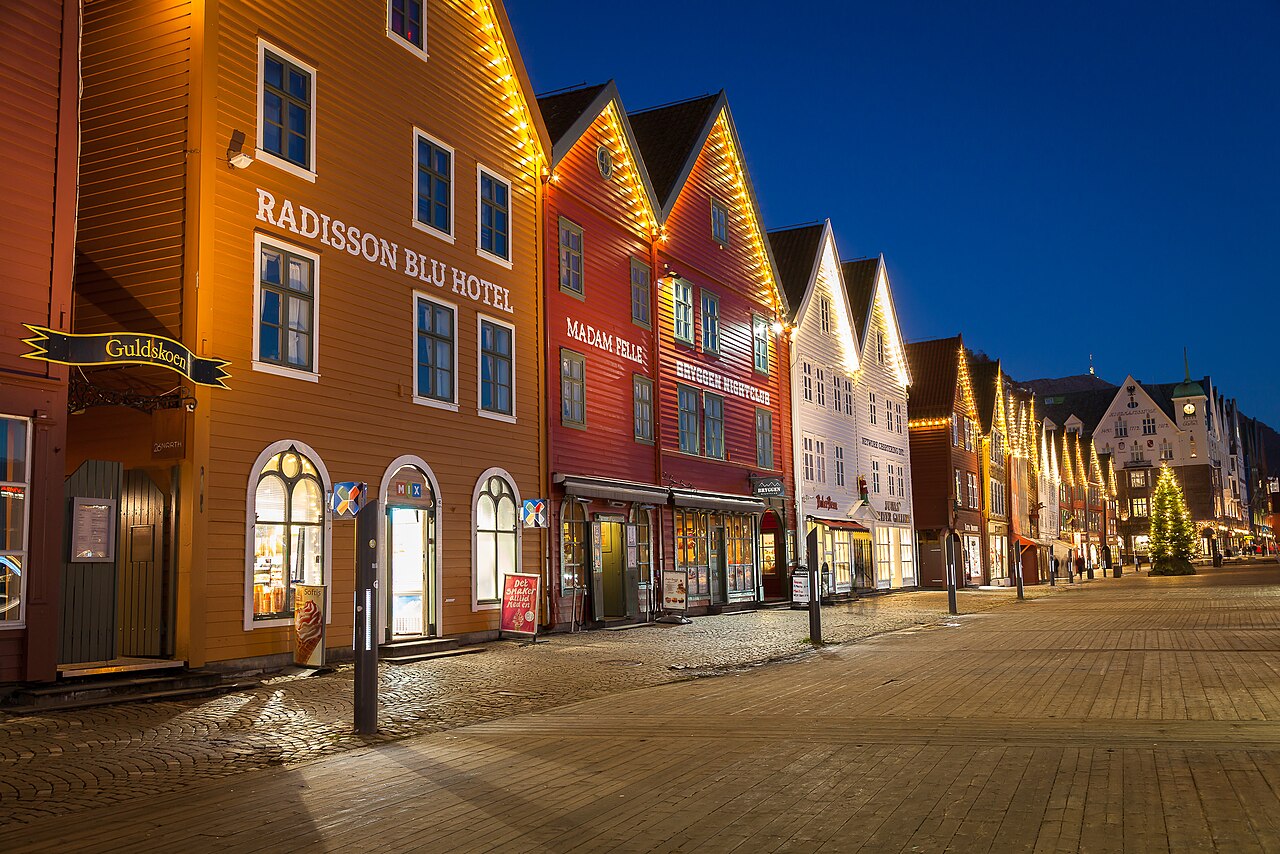 Norway
Bergen
The gateway to Norway’s fjords.
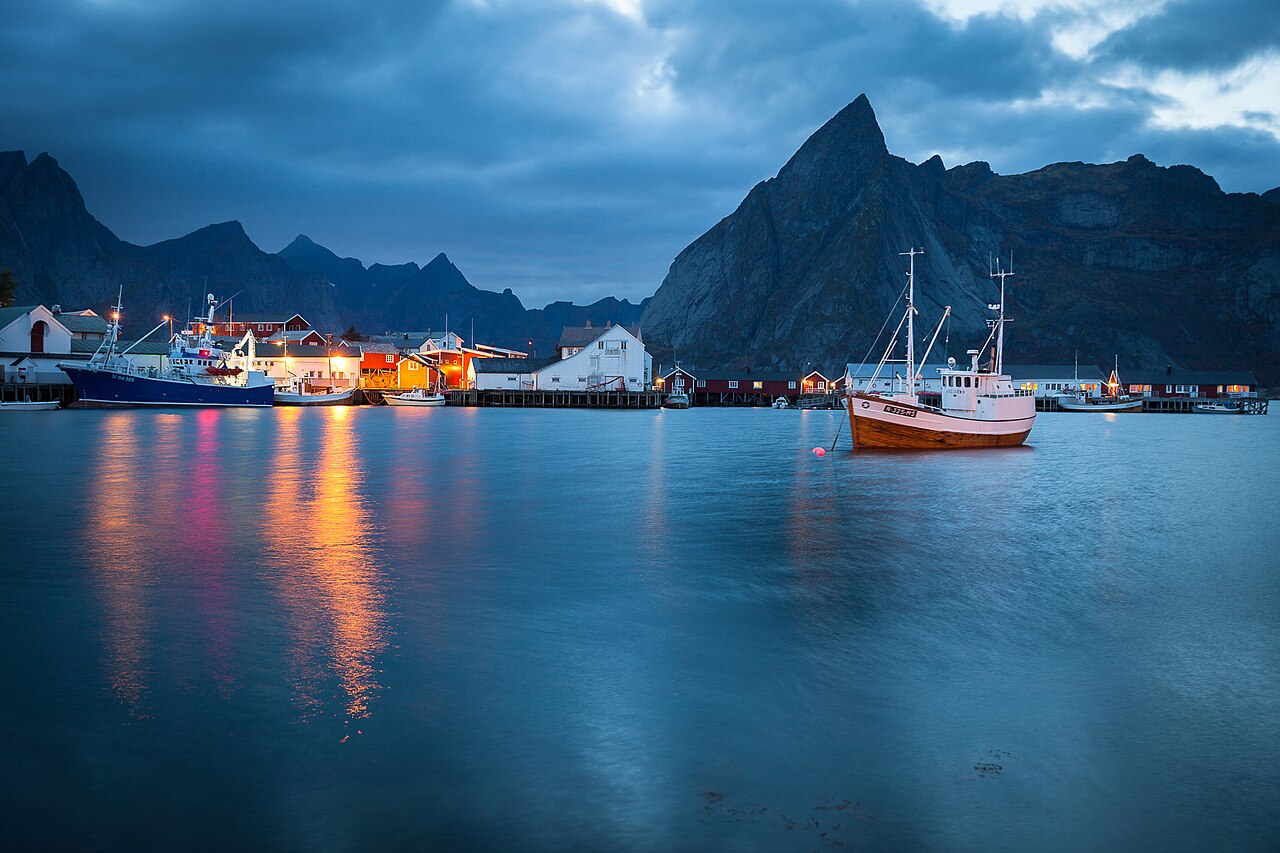 Norway
Lofoten Islands
The midnight sun over peaks and fishing villages.
 United Kingdom
Edinburgh
The August festivals take over the whole city.
 Netherlands
Amsterdam
Canals, terraces and bike rides to the countryside.
Planning tips
A European summer works best when you match the place to the heat you can stand. Southern Europe is glorious but very hot in July and August, so Santorini, Mykonos, Mallorca, Dubrovnik, Split, Nice and the Amalfi Coast are at their best in June and September, when the sea is warm and the crowds thinner. If you want sea and swimming in peak season, go anyway, but start early, take a long lunch and swim in the afternoon.
If heat is not your thing, head north or up. Copenhagen, Stockholm, Bergen and Edinburgh have long, light evenings and comfortable temperatures, and Lofoten has the midnight sun in the height of summer. Edinburgh is exciting during the August festivals but accommodation is scarce, so book early. For mountains and lakes, Interlaken, Zermatt, the Dolomites, Lake Como and Bled offer hiking, boats and cooler air, and the Alpine trails are usually at their best from late June or July as the snow melts.
Think about how you will travel. Island hopping in Greece or Croatia works well by ferry, but schedules are busier in summer and sell out, so book popular crossings ahead. Lake Como and the Dolomites are easiest with a car or good bus connections, while Nice, Split and Dubrovnik are workable by public transport and boat. Trains link Copenhagen, Stockholm, Amsterdam and many northern cities well, which makes a multi-city trip simple.
Plan for about a week per region, and avoid packing in more than two or three bases. Reserve hotels early for July and August, especially on islands and at lakes, and consider one night in a smaller town instead of a famous one when prices are high. Book timed tickets for popular sights, carry a hat and water, and sightsee early or late. The most common mistake is trying to see too much in the hottest hours instead of enjoying the long summer evenings, which are the real treat.
Questions
What is the best month to visit Europe in summer?+
June and September are often best for southern Europe, with warm seas, long days and fewer people than July and August. For the Alps and the far north, July and August are the most reliable for hiking and the midnight sun. Pick the month by the region you are visiting.
How many days do I need for a summer trip to Europe?+
Ten to fourteen days works well for two or three bases, such as a city, a coast and a lake or mountain region. A week is enough for one region. Allow extra time for travel days, and avoid moving every night, which is tiring in summer crowds and heat.
Which is better for summer, Santorini or the Amalfi Coast?+
Santorini is better for dramatic sunsets and island-hopping, while the Amalfi Coast offers coastal villages, boat days and easy access to Capri and Naples. Both are crowded in peak summer, and the Amalfi roads are narrow. Either is best in June or September if you can choose.
Where can I escape the summer heat in Europe?+
Head north to Copenhagen, Stockholm, Bergen, Lofoten or Edinburgh, or up into the mountains at Interlaken, Zermatt, the Dolomites or Lake Bled. These places have cooler air and long evenings. Even in the north a warm spell can happen, so pack layers and a swimsuit.