City breaks
Asian city breaks
Skyline views, night markets and temples between the towers. The best Asian cities for a few days of exploring, from Shanghai to Kuala Lumpur.
Check visa rules before you book: some countries offer visa-free short stays or transit visas, and others need an e-visa in advance.
China
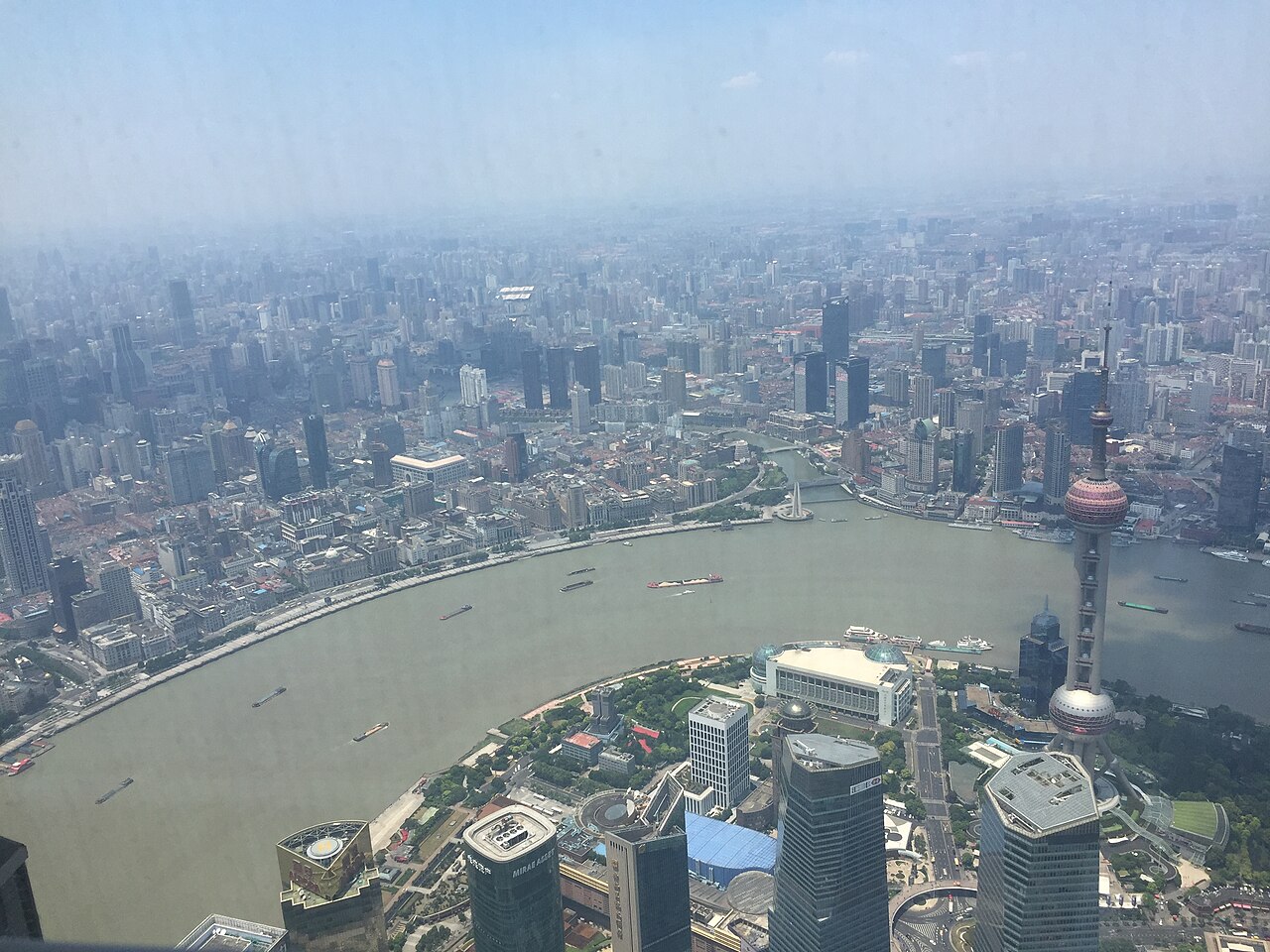
ChinaShanghai
The Bund, art deco streets and the futuristic Pudong skyline.
 China
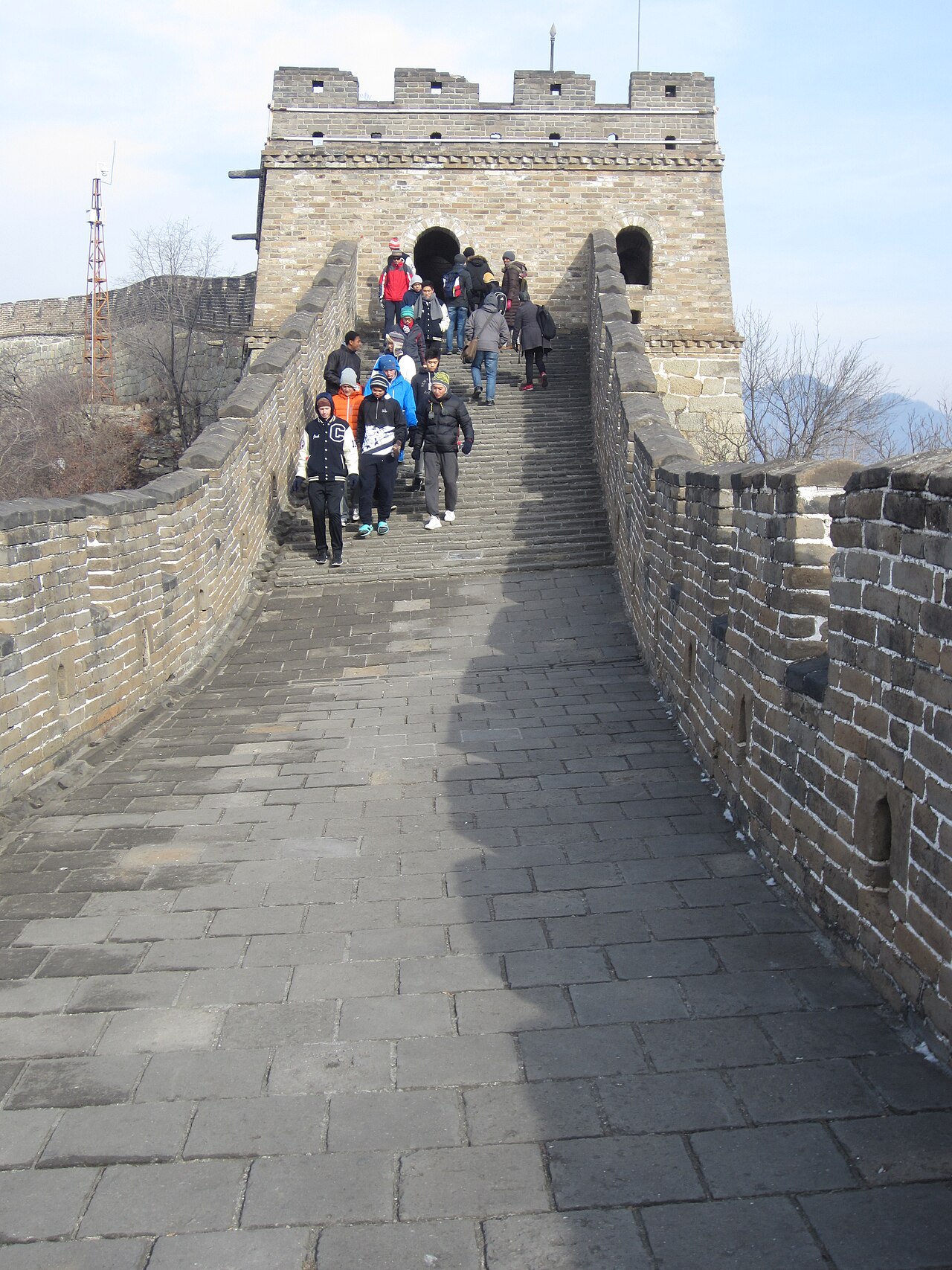
Beijing
The Forbidden City, hutongs and the Great Wall nearby.
 China
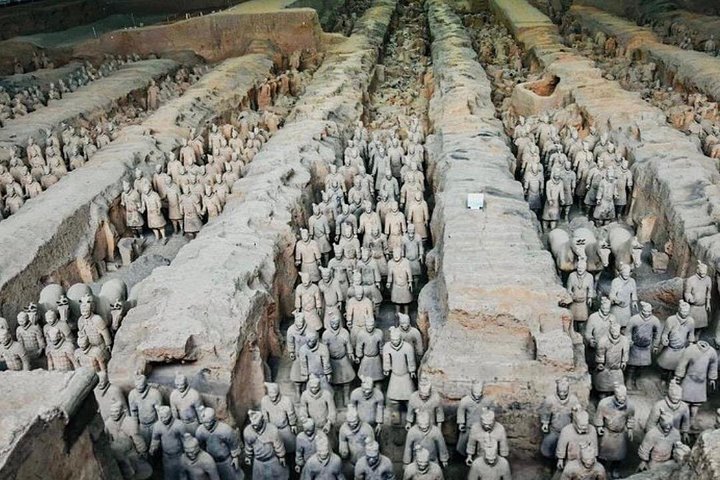
Xi’an
The Terracotta Warriors and the old city walls.
 China
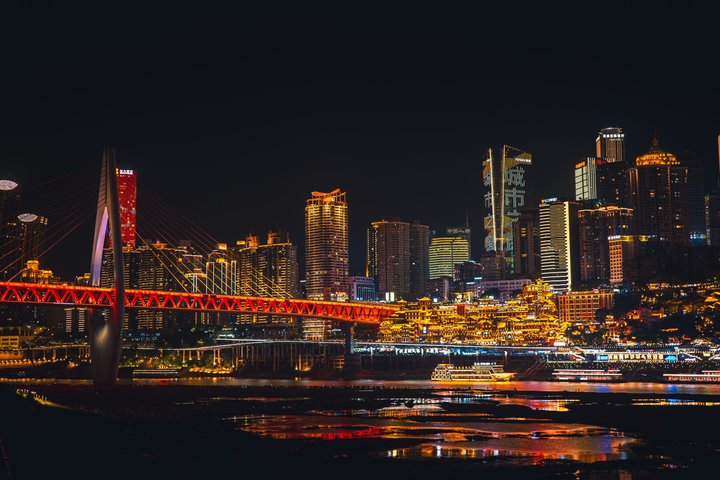
Chongqing
A mountain city of hot pot and river views.
 China
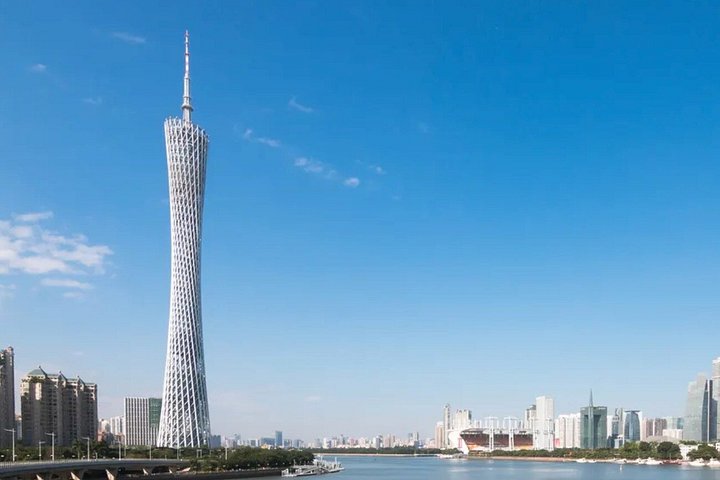
Guangzhou
Cantonese food at its source.
 China
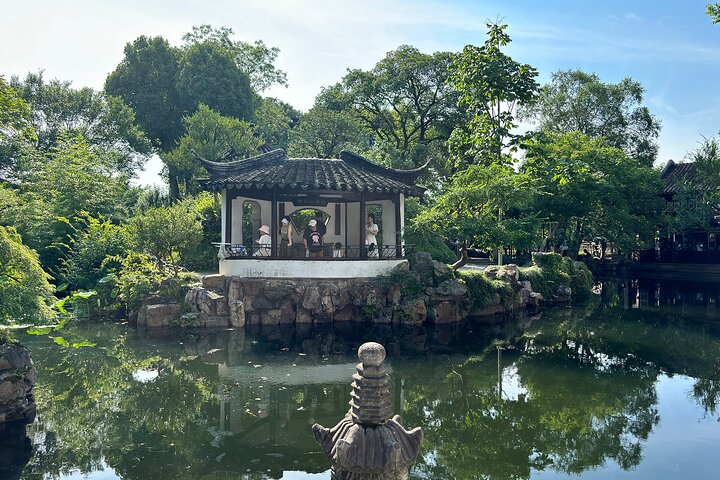
Suzhou
Classical gardens and canals.
 China
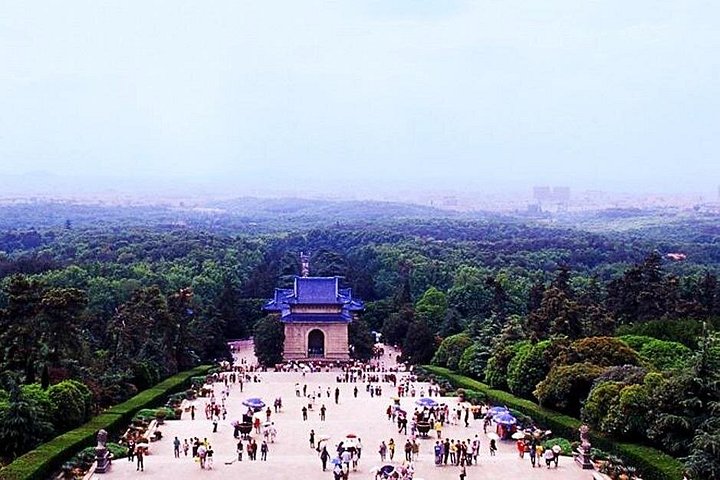
Nanjing
Ming walls and a former capital’s museums.
 China
Xiamen
The car-free island of Gulangyu.
 Macau
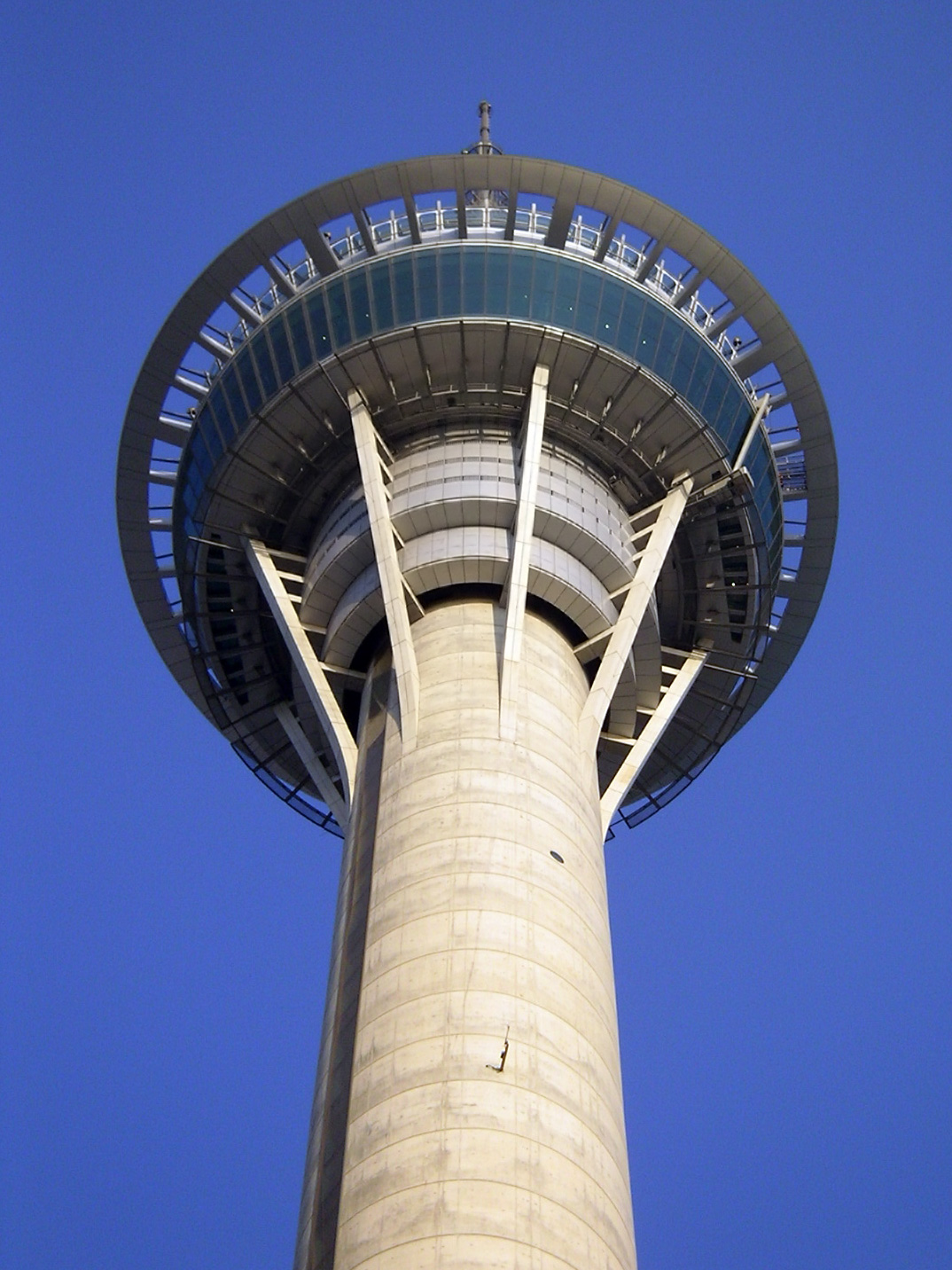
Macau
Portuguese squares, casinos and egg tarts.
Japan, Korea & Taiwan
 Japan
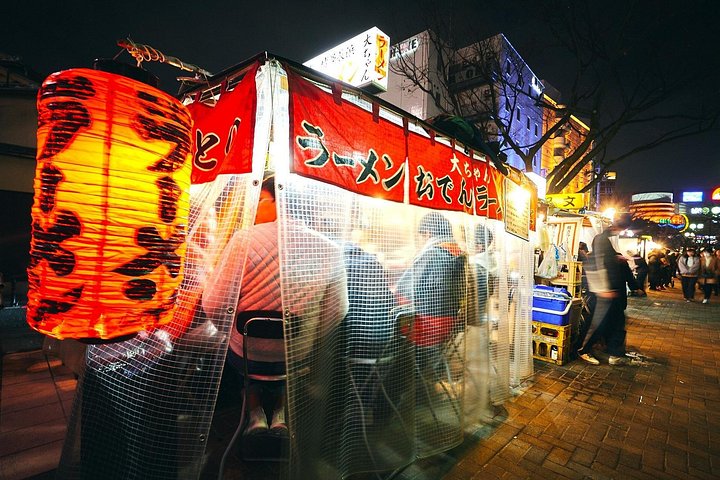
Fukuoka
Yatai food stalls and a gateway to Kyushu.
 Japan
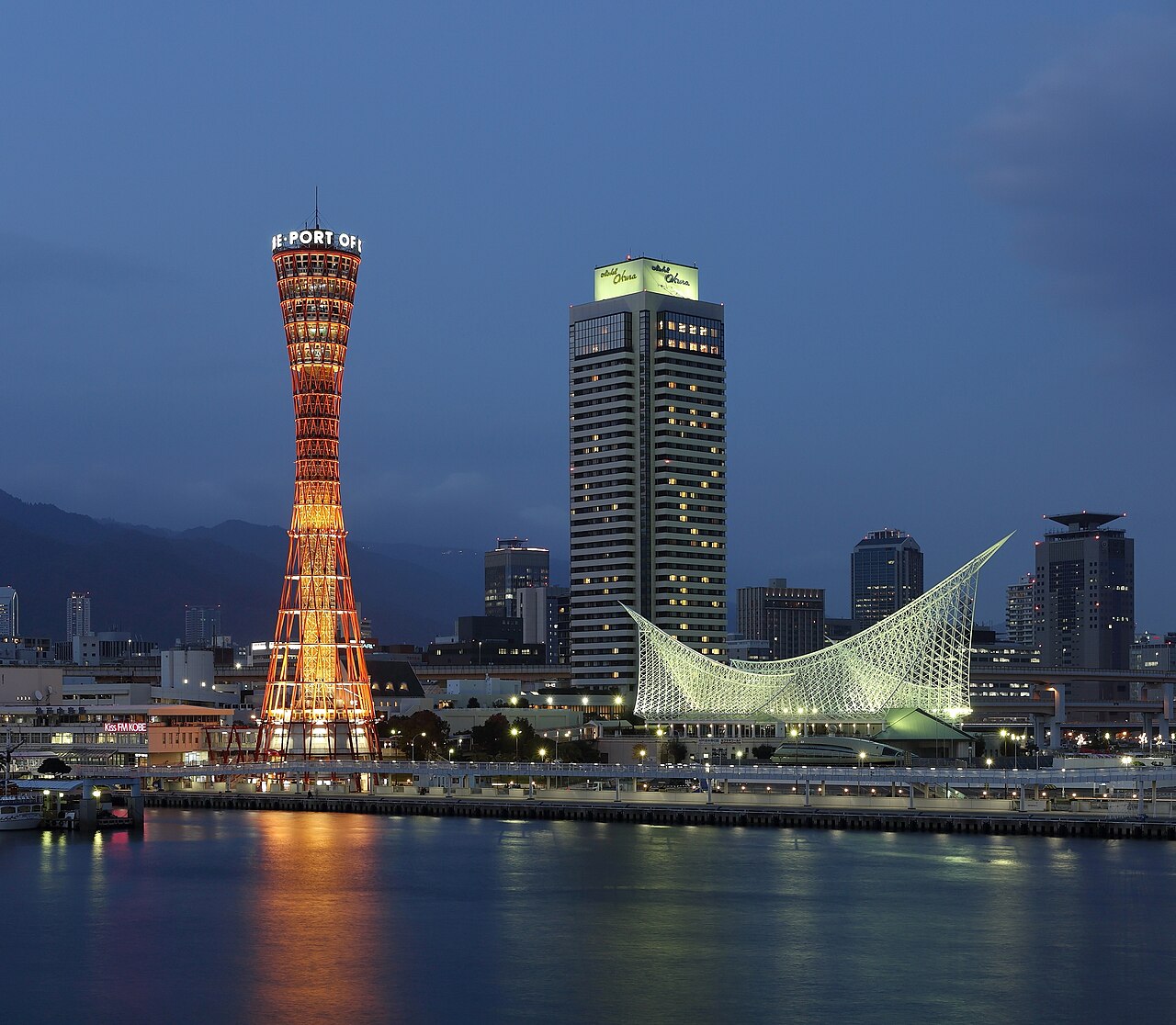
Kobe
Kobe beef, the harbour and Mount Rokko.
 Japan
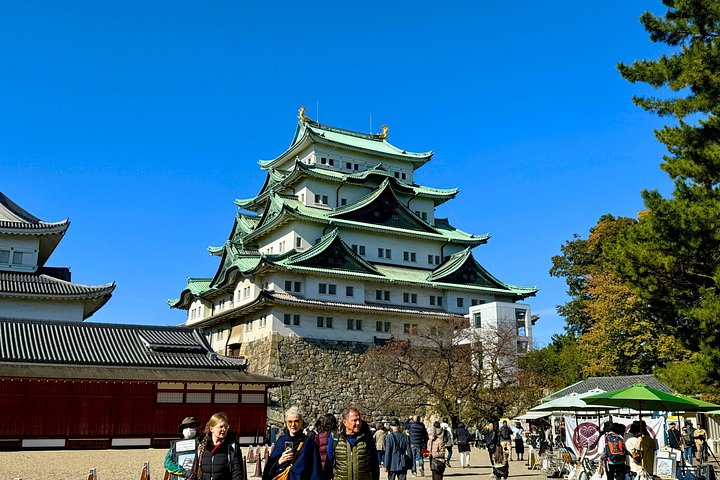
Nagoya
Castle, ramen and the Toyota museum.
 Japan
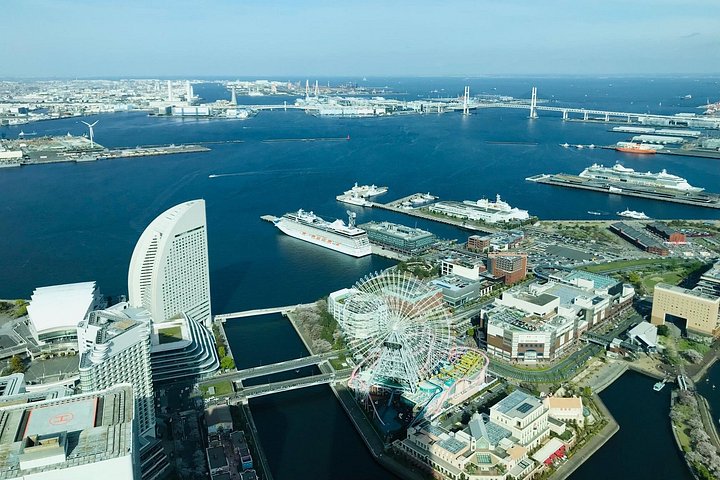
Yokohama
Chinatown and a waterfront close to Tokyo.
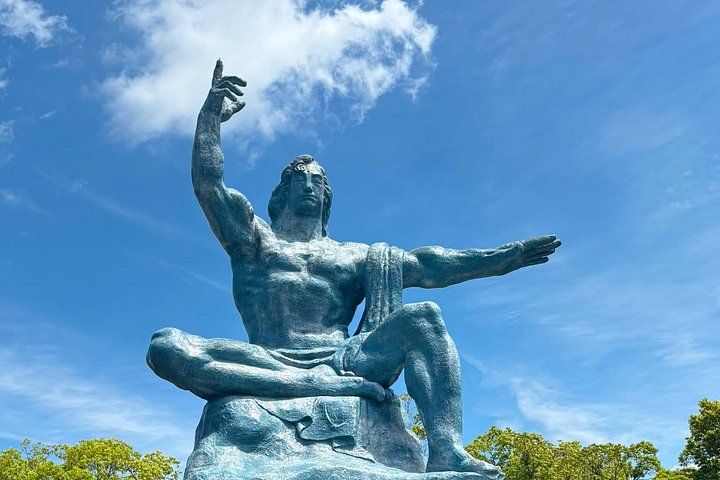 Japan
Nagasaki
History, hillside churches and harbour views.
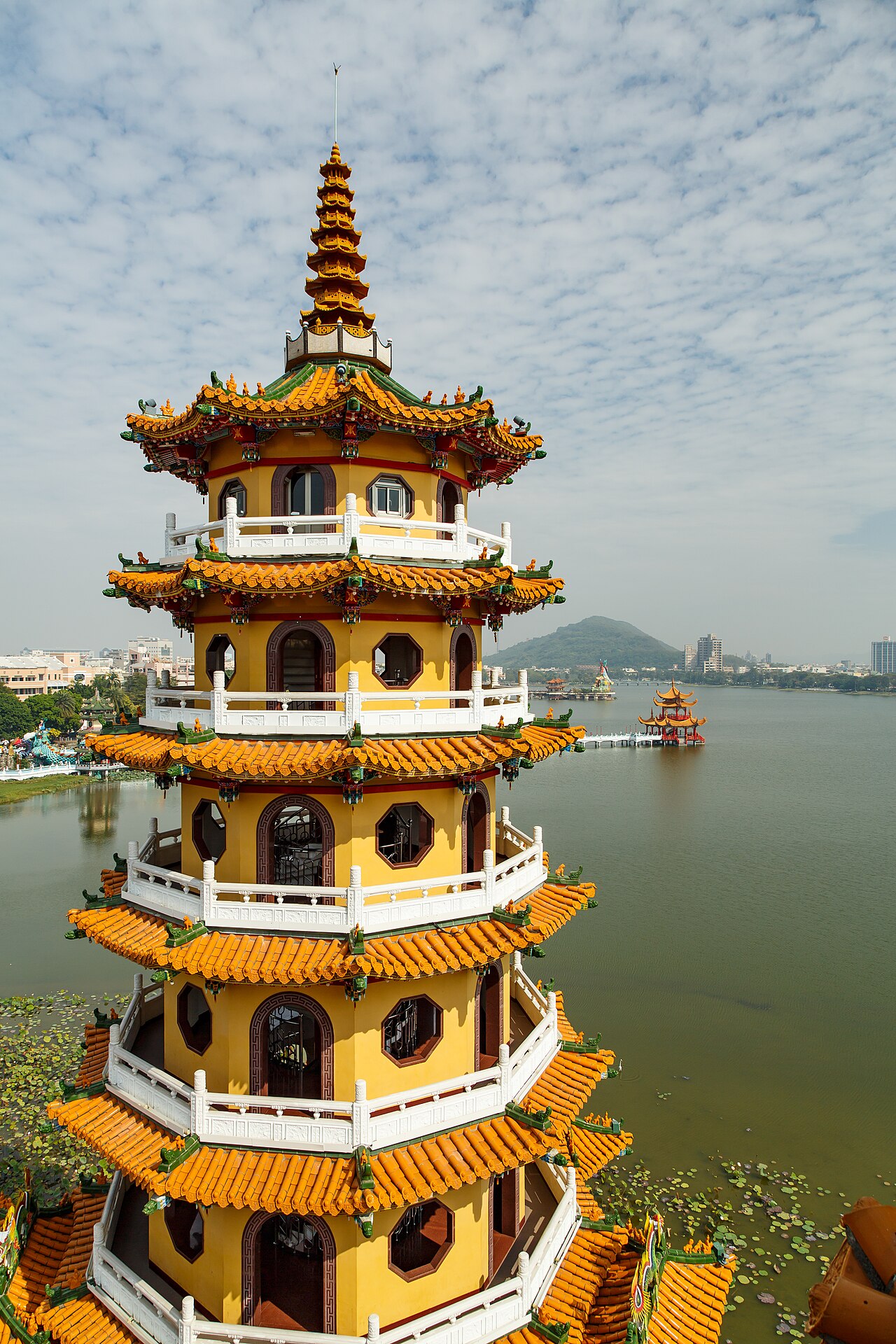 Taiwan
Kaohsiung
Taiwan’s harbour city with temples on Lotus Pond.
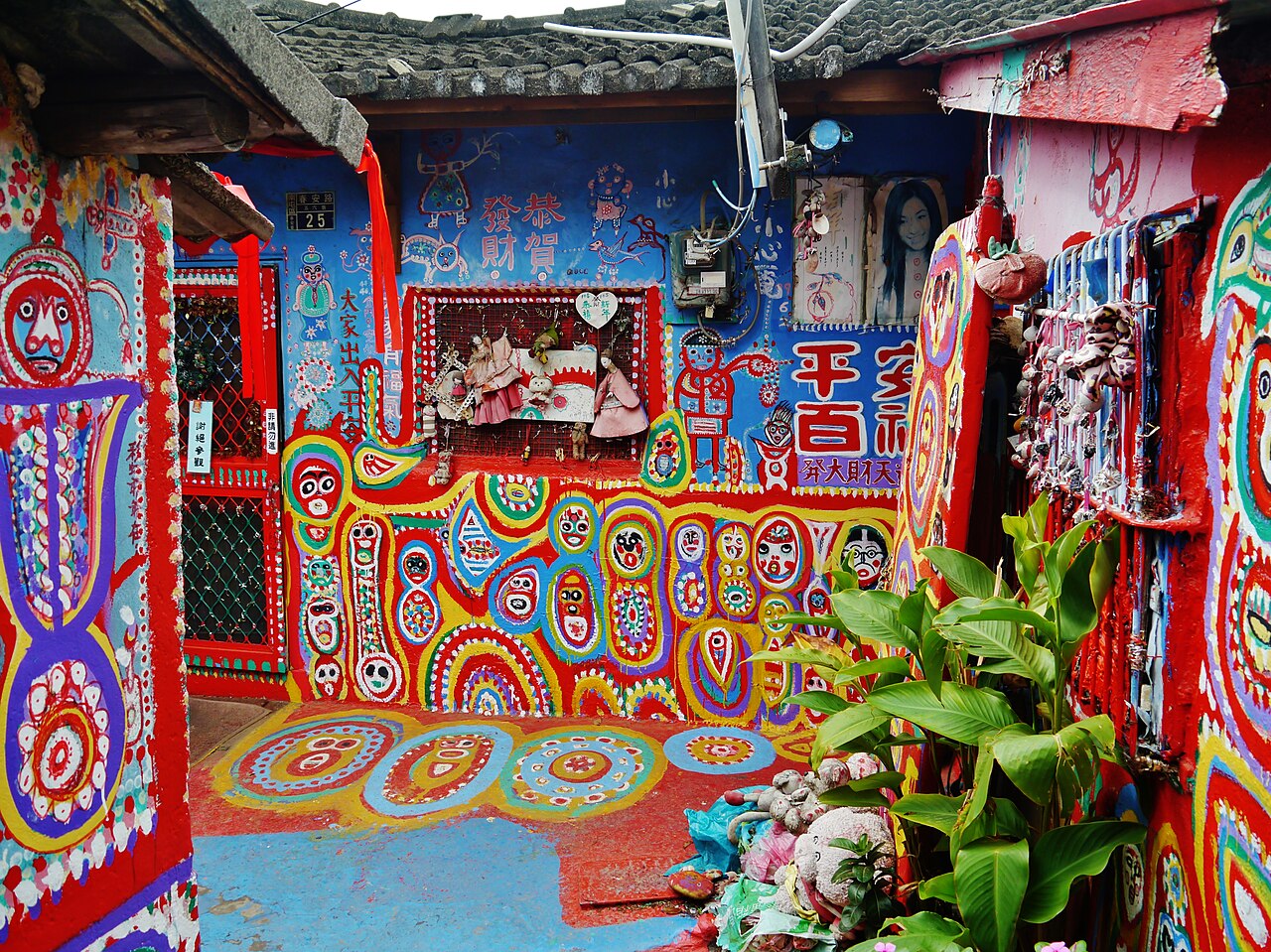 Taiwan
Taichung
Rainbow Village and Taiwan’s best tea houses.
South & Southeast Asia
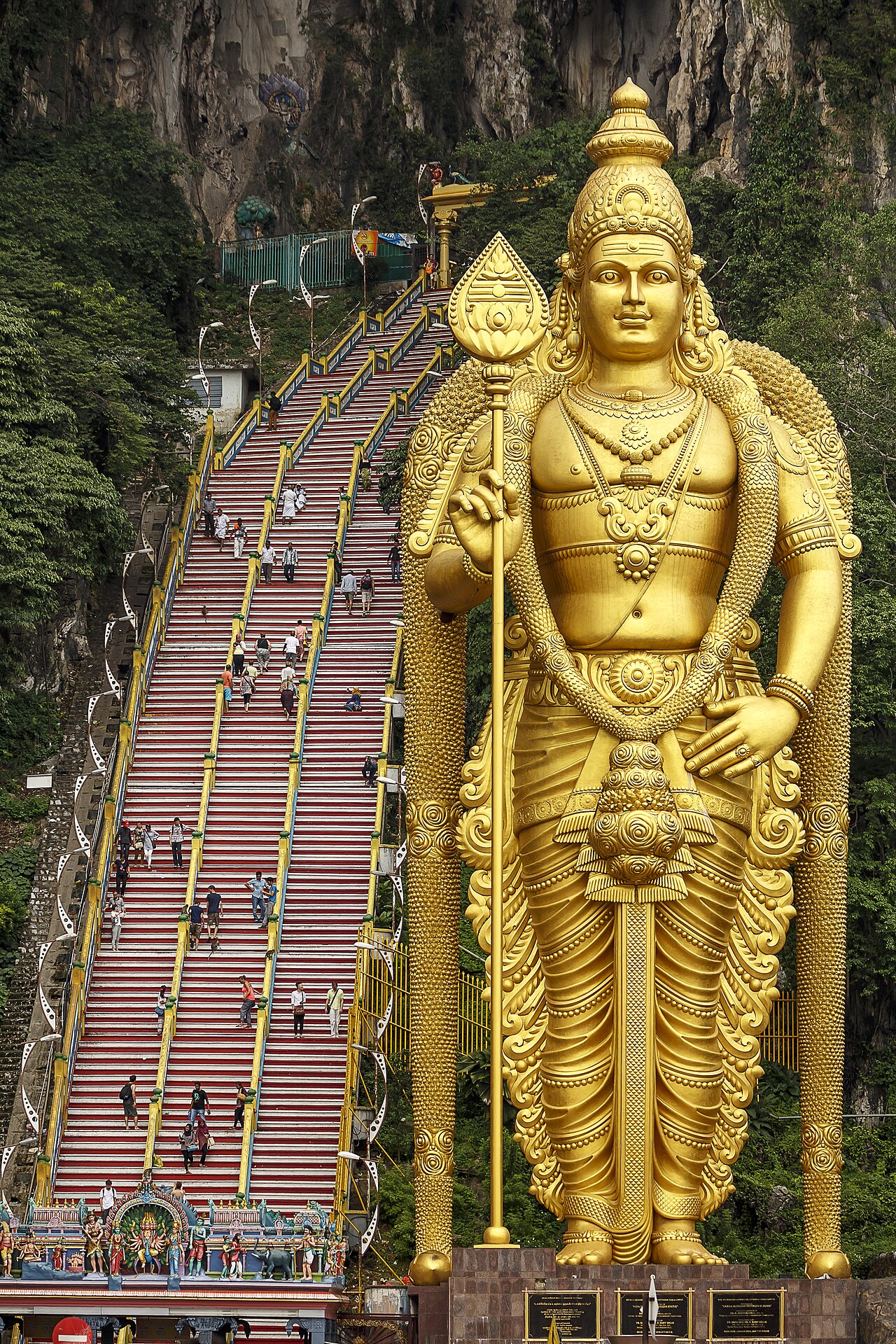 Malaysia
Kuala Lumpur
The Petronas Towers, hawker food and Batu Caves.
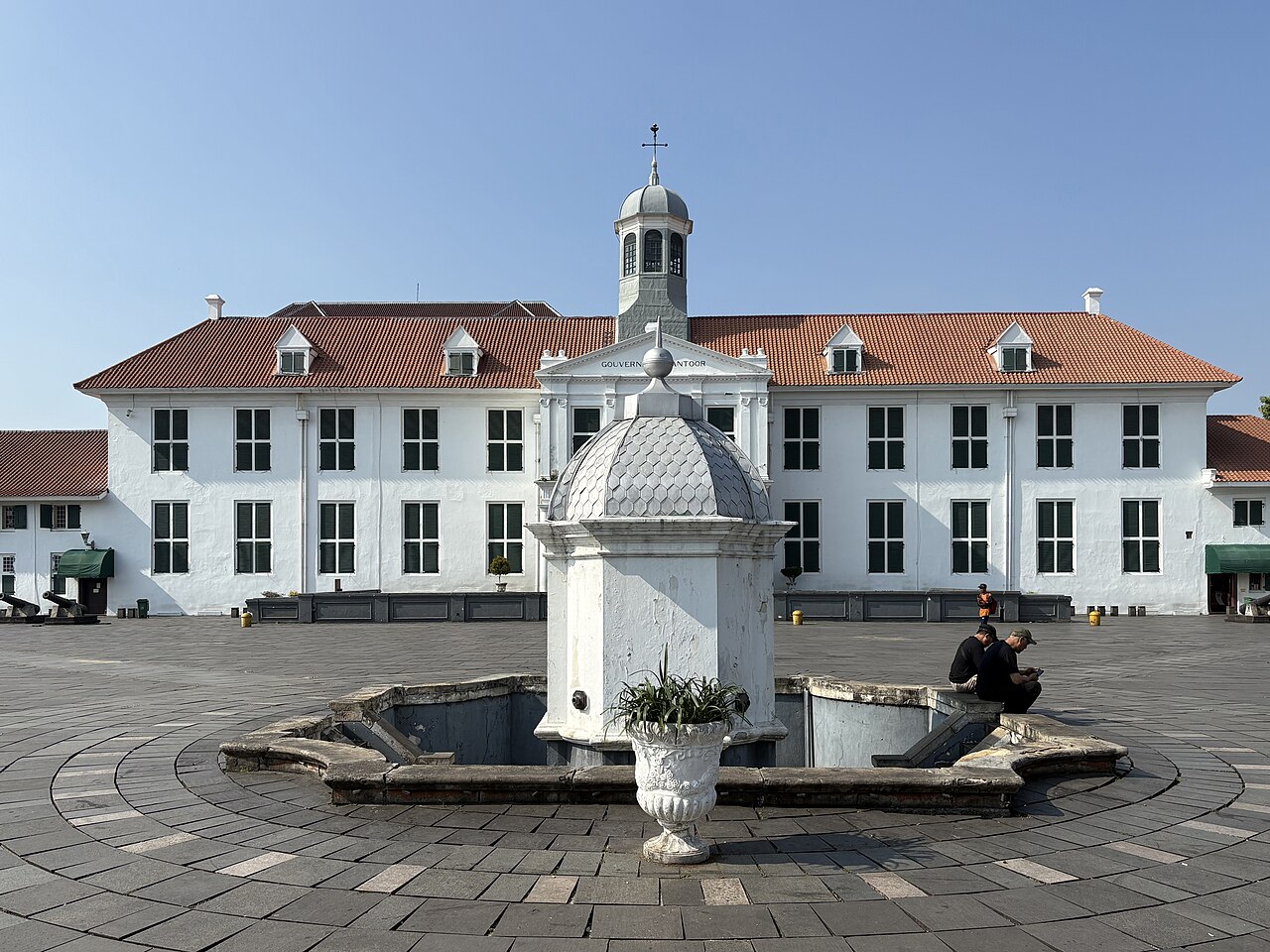 Indonesia
Jakarta
The old Dutch quarter and the gateway to Java.
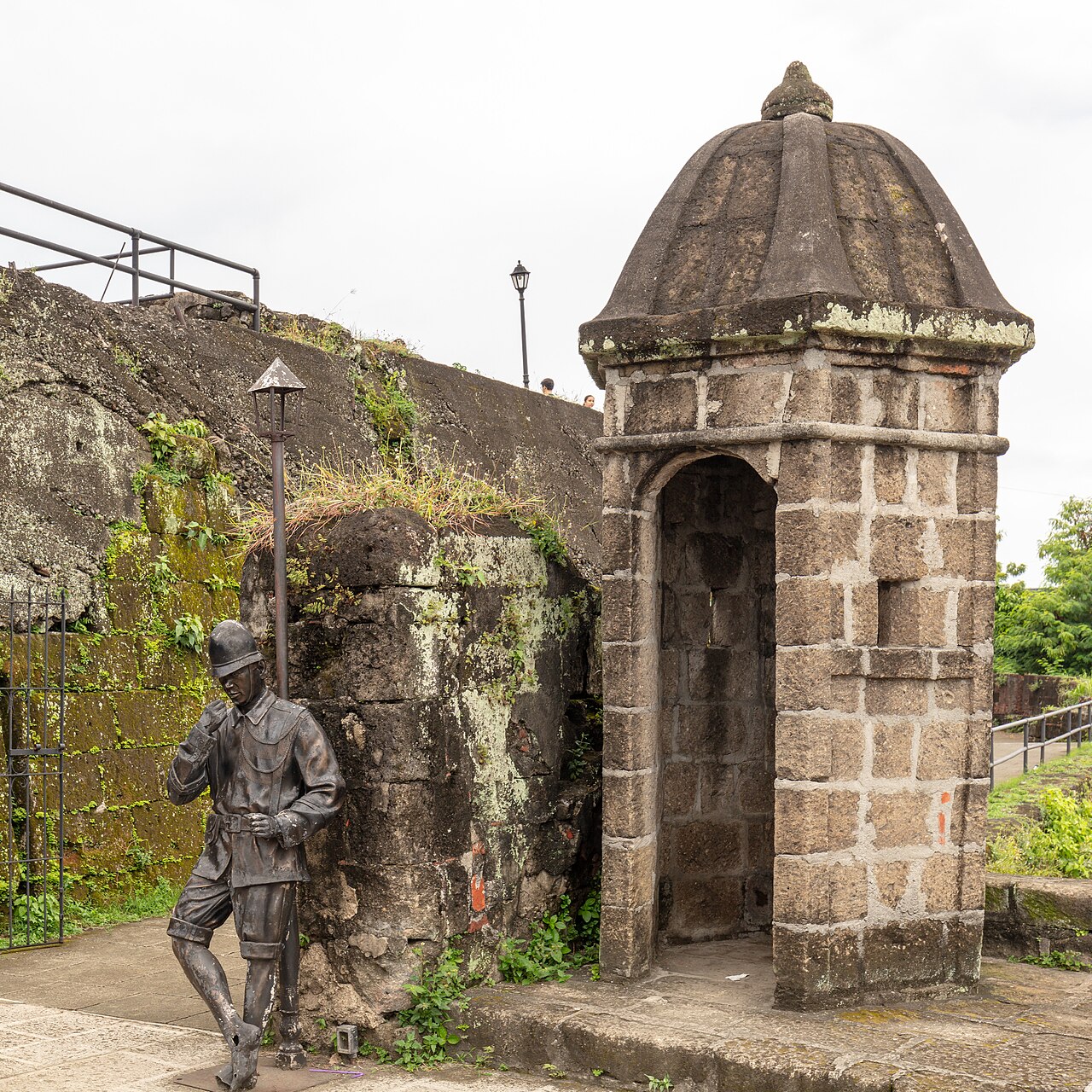 Philippines
Manila
Intramuros and the gateway to the islands.
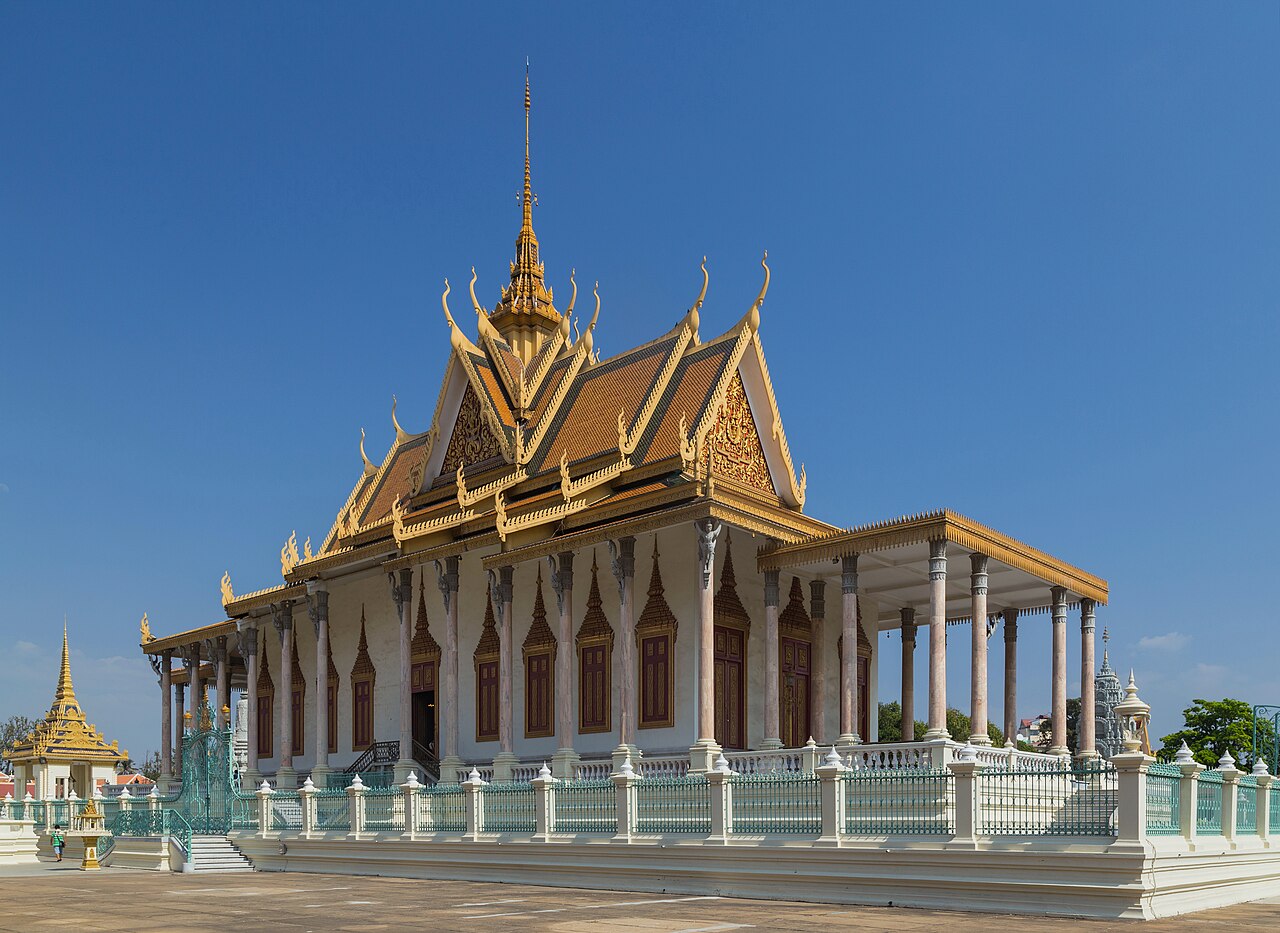 Cambodia
Phnom Penh
The Royal Palace and riverside cafés.
 Laos
Vientiane & Vang Vieng
Golden stupas and the slowest capital in Asia.
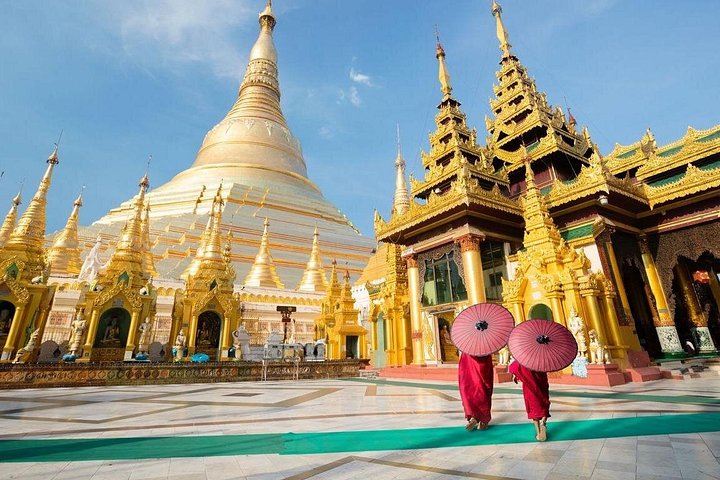 Myanmar
Yangon
The golden Shwedagon Pagoda.
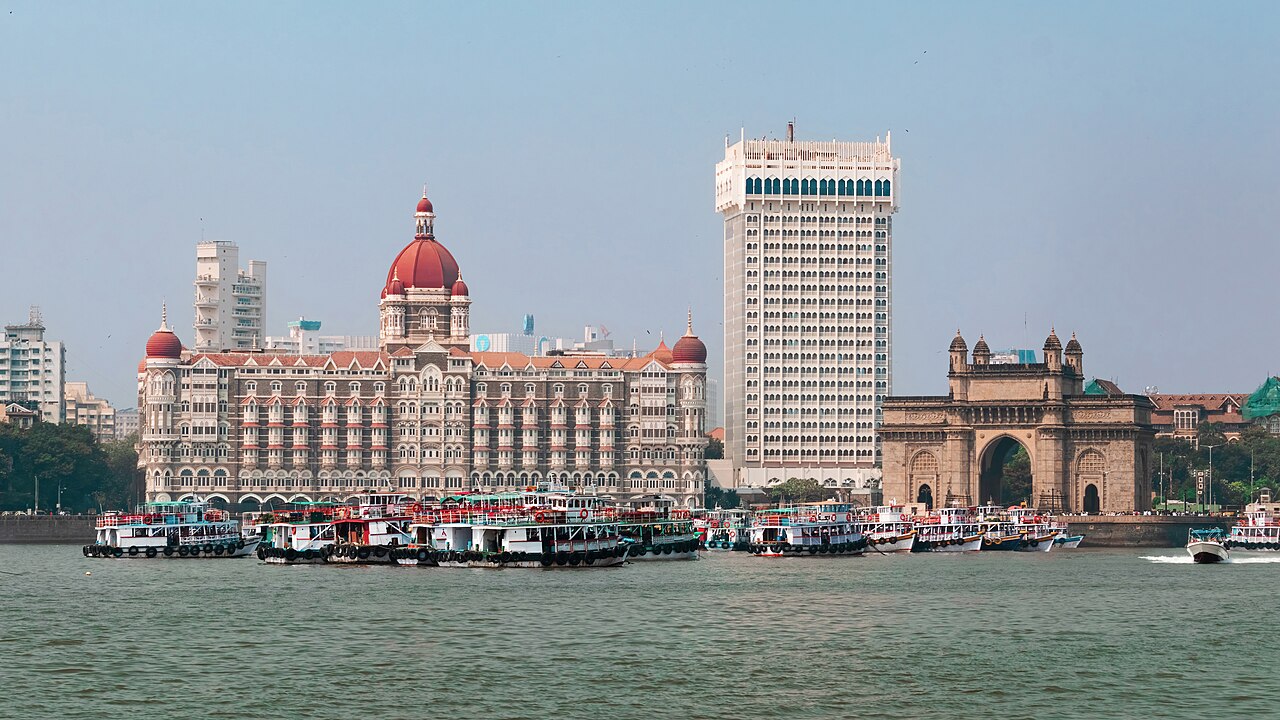 India
Mumbai
Colonial landmarks, street food and the sea.
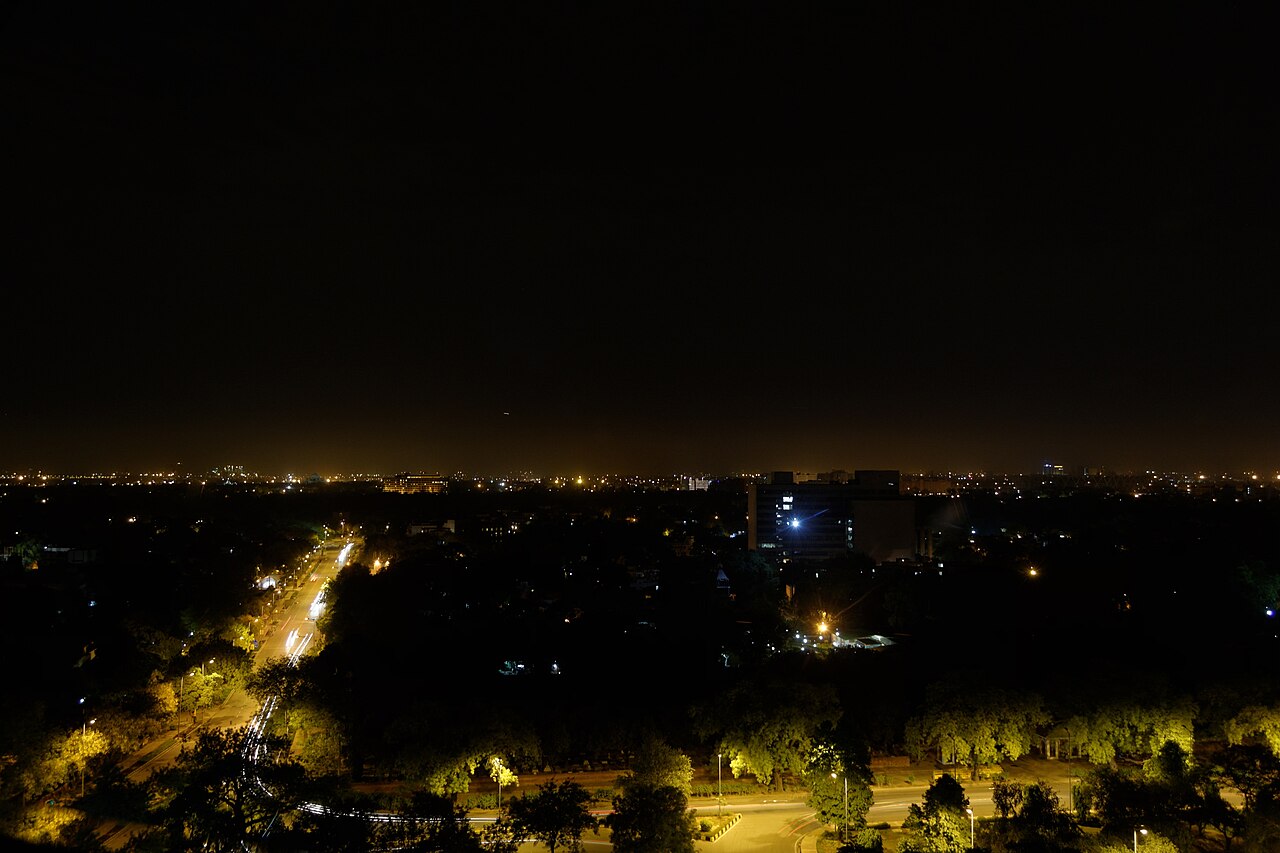 India
Delhi & Agra
Mughal monuments and Old Delhi’s bazaars.
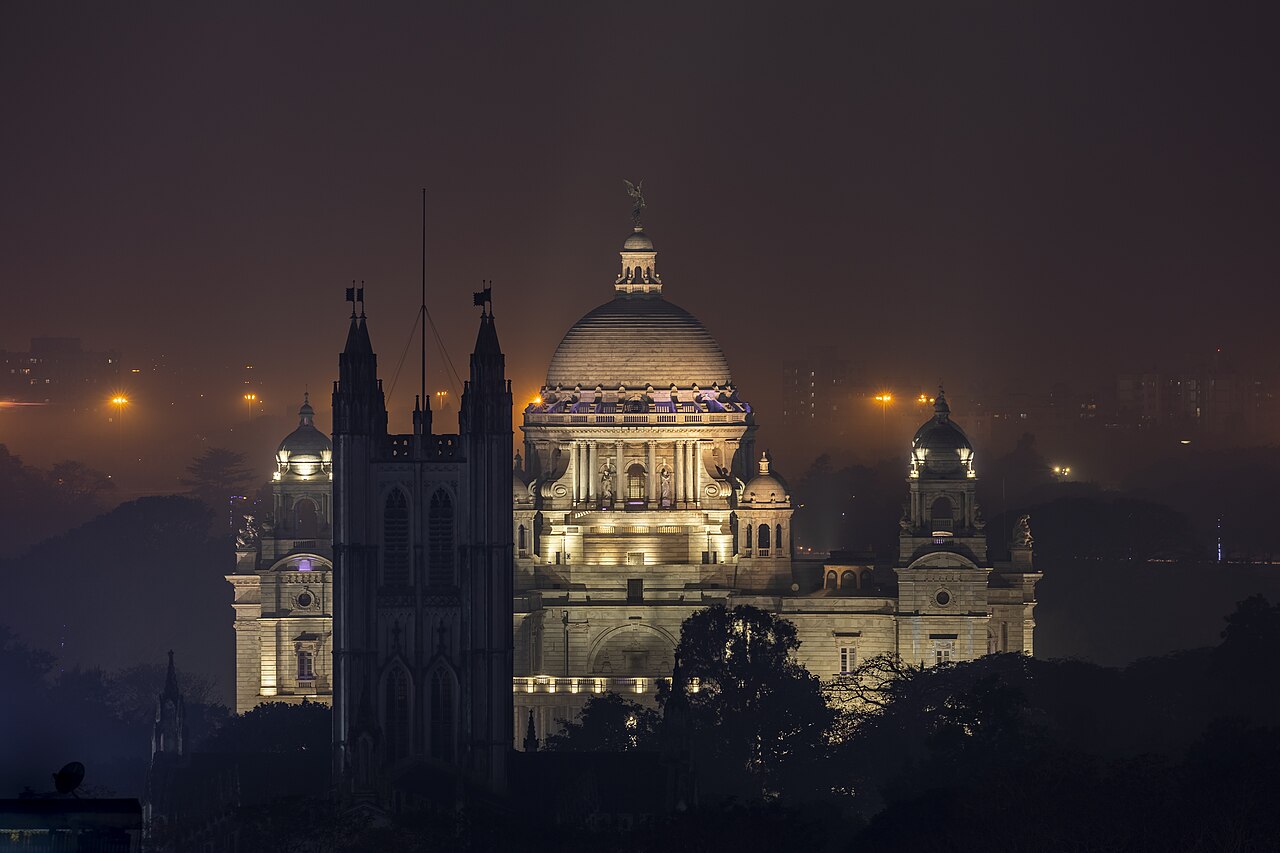 India
Kolkata
Colonial architecture and India’s food and book culture.
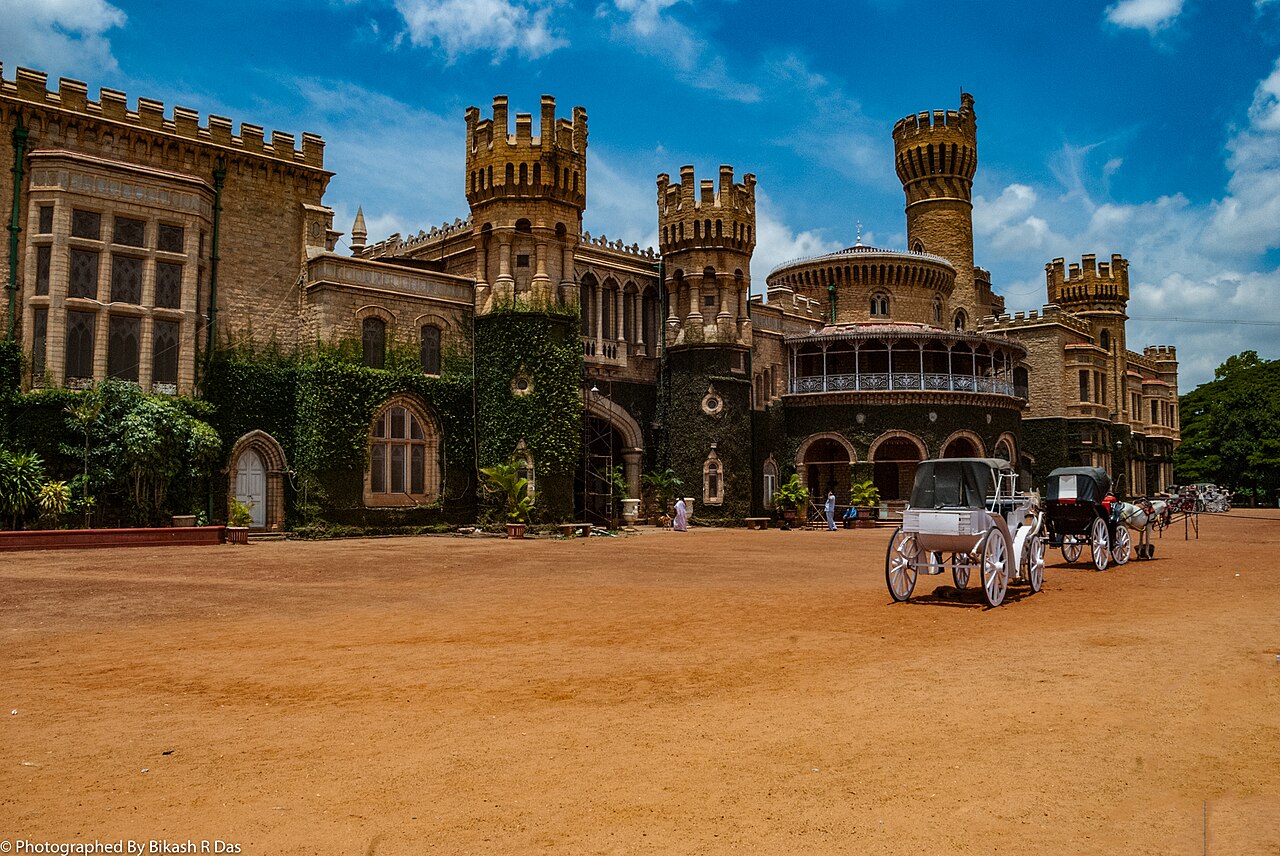 India
Bengaluru & Mysore
Gardens, breweries and South Indian food.
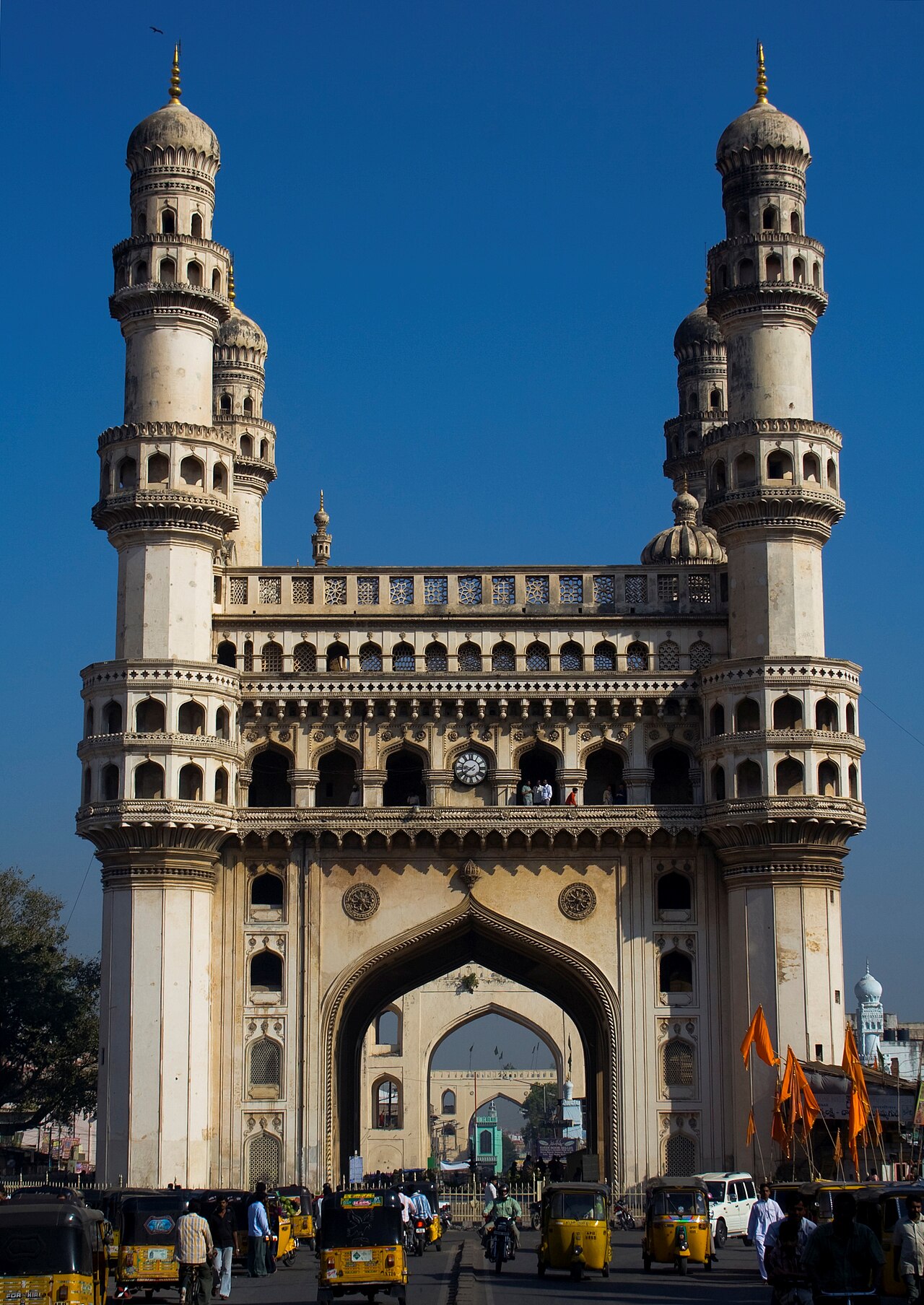 India
Hyderabad
Biryani and the Charminar.
Planning tips
Asia is so varied that choosing the right city is mostly about what you want from the trip. For classic history, Beijing and Xi'an are hard to beat, with imperial palaces, city walls and the Terracotta Warriors, while Suzhou and Nanjing offer quieter, garden-and-museum days. If you want skyline drama and polished modern city life, Shanghai and Kuala Lumpur are the best fits, and Kuala Lumpur is particularly good for travellers who care more about food than sightseeing. Fukuoka, Kobe and Nagoya suit people who have done Tokyo and Kyoto and want Japanese food and culture at a calmer scale.
For atmosphere, Mumbai, Delhi and Kolkata reward travellers who enjoy intensity, bazaars and a lot of history in every district. Phnom Penh, Vientiane and Yangon are slower and more reflective, good for people who like temples, riverside cafes and a sense of recent history. Macau is a short, easy stop for architecture and food, often combined with a mainland or Hong Kong trip.
Most of these cities deserve three nights, with Beijing, Shanghai, Delhi and Mumbai worth four if you want day trips such as the Great Wall or Agra. Weather is the big timing factor: spring and autumn are comfortable for most of China and Japan, while the monsoon shapes the best months in India and Southeast Asia, and heat can be intense before it arrives. Check seasonal air quality and rainfall for your dates rather than assuming.
Practicalities matter as much as sights. Sort visas early, since rules differ widely and some need an e-visa or advance application. In China, many visitors find that mobile payment and local apps are widely used, so bring a backup plan for cash or cards, and download any maps and translation tools before you go. Book high-speed trains and popular attractions ahead where tickets are timed, and keep your hotel address in the local language handy for taxis.
Questions
Which Asian city is best for a first city break?+
Kuala Lumpur and Shanghai are both easy starting points, with modern transport, great food and a mix of old and new. Kuala Lumpur is gentler and more relaxed, while Shanghai is more dramatic and rewards a longer stay. If you want history first, Beijing or Xi'an are the classics, but plan ahead for visas and timed entry.
How many days do I need in these Asian cities?+
Three nights suits most of them, enough for the main sights and a few meals. Beijing, Shanghai, Delhi and Mumbai deserve four if you want day trips or slower days. Smaller cities like Suzhou, Nagasaki or Vientiane can work in two nights, especially when combined with another stop nearby.
When is the best time to visit Asian cities?+
It depends on the region. Spring and autumn are generally the most comfortable for China, Japan and Taiwan. In India and much of Southeast Asia, the cooler, drier months are usually the best, while the monsoon and the build-up of heat can make sightseeing harder. Check local weather for your exact destination before booking.
Do I need a visa for an Asian city break?+
Often yes, but rules vary by passport and change over time. Some countries allow visa-free short stays or transit stops, others need an e-visa or an embassy application in advance. Check your government's travel advice and the destination's immigration site well before you book, and make sure your passport has enough validity.