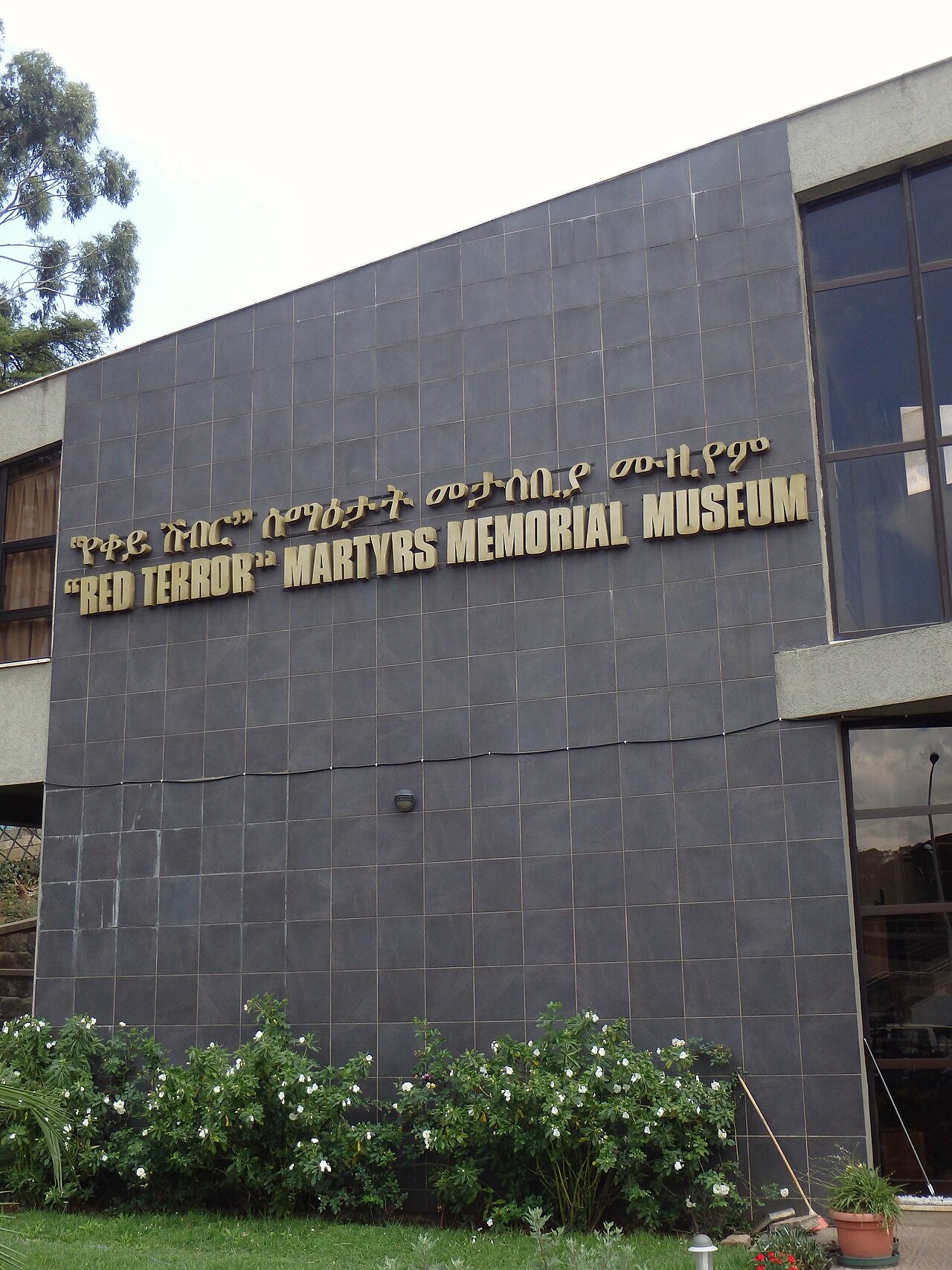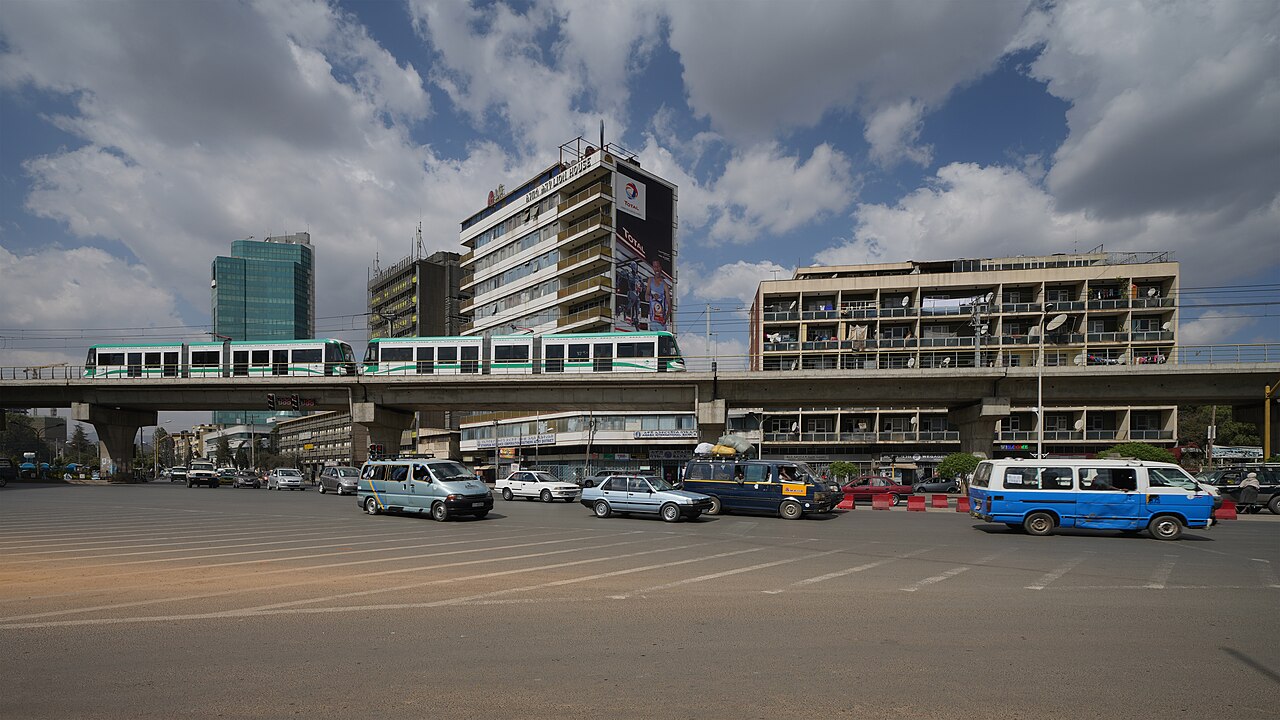
Meskel Square is the city’s main public space and the best single place to feel how Addis Ababa is laid out. It is a wide, paved expanse beside a busy junction in the centre of town, framed by hotels, government buildings and the long stage that is used for public events. The name refers to Meskel, the Ethiopian Orthodox feast of the Finding of the True Cross, which falls in late September and is the square’s most famous occasion. On the evening before the feast, communities build a tall pile of branches topped with a cross and decorated with yellow Meskel daisies, and the square fills with priests in bright robes, singers, families and crowds who watch the bonfire, known as the Demera, being lit. Outside festival days the square is calmer, though it is still used for concerts, races and national celebrations through the year. It is not a sight with a ticket desk or opening hours, which makes it an easy place to stop for ten minutes of people-watching, and it is surrounded by useful landmarks. The Hyatt Regency stands directly on it, and the Red Terror Martyrs’ Memorial Museum is a short walk away.
What to see
On an ordinary day you will find a broad plaza with a stage at one end, security staff, groups of students and a steady flow of people crossing between the surrounding streets. The scale of the space, and the traffic circling it, tell you more about the modern capital than any plaque could.
On Meskel eve the atmosphere changes completely, with processions, hymns and a huge bonfire, and the following morning has its own ceremonies. If your trip falls in late September, ask your hotel or guide where to stand and how early to arrive, because the crowds are very large.
Practicalities
The square is open to everyone and there is no entrance charge. It is busy and noisy, so keep your phone and wallet out of sight, carry only the cash you need and stay aware of your surroundings, as in any big public space. The light rail line runs close by, and taxis and ride-hail cars are easy to find nearby, so it makes a good meeting point or drop-off for a day of sightseeing.
Large events can close nearby roads and slow traffic, so allow extra time if a festival, march or concert is on, and follow any instructions from security staff. Be polite when taking photographs, and ask before photographing people at close range.
Making the most of it
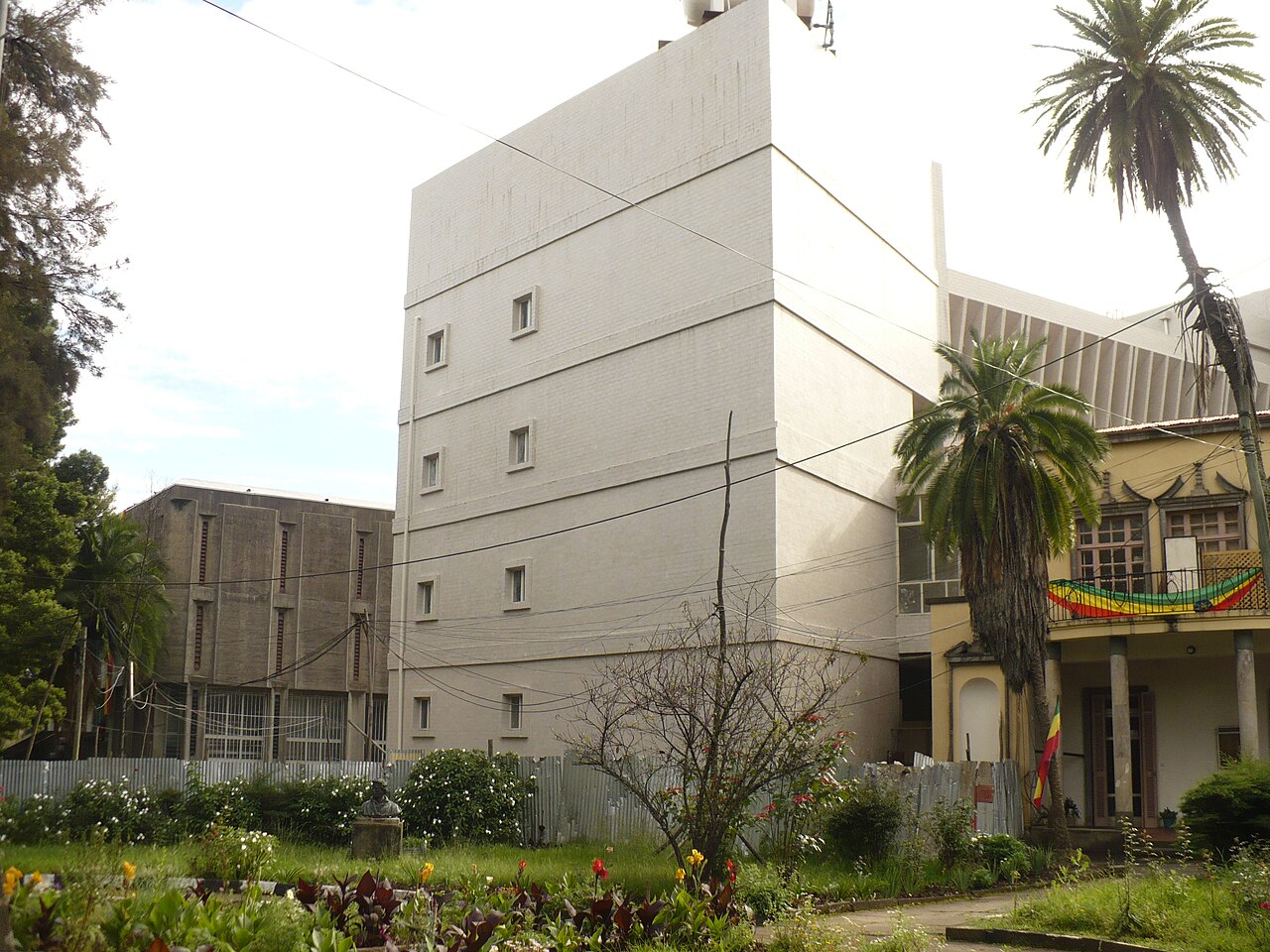
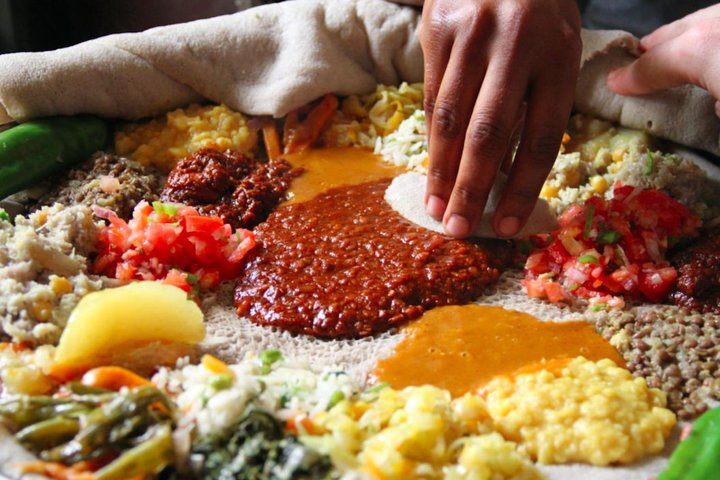
Treat the square as a short stop or a starting point rather than a half-day outing. Combine it with the Red Terror Martyrs’ Memorial Museum in the morning, which gives context to the city’s modern history, and then move on to lunch or a coffee at one of the cafes around the junction.
Late afternoon is pleasant for a stroll when the light is soft, though it is also when commuting traffic peaks. If you are staying at one of the central hotels, the square is a handy landmark to give to drivers, and a reliable way to find your bearings in a city that can feel sprawling at first.
What to expect
The experience
A free, open public square with no tickets or opening hours, best treated as a short stop or a meeting point.
Best time
Morning for a quiet look, or the evening before Meskel in late September for the bonfire and crowds.
How long
Half an hour is enough on an ordinary day; allow longer for a festival.
Tips
Keep valuables out of sight, expect heavy traffic around the junction and ask your hotel about festival timing and road closures.
Quick picks
- Best for
- Visitors who want a feel for the capital’s centre and anyone visiting during the Meskel celebrations.
- Families
- Open space and a lively atmosphere, but busy roads, so keep children close.
- Couples
- A short people-watching stop on the way to a museum or a long coffee.
- Pair with
- The Red Terror Martyrs’ Memorial Museum, which is a short walk away.
- Time needed
- Thirty minutes to an hour.
Good questions
What is Meskel Square named after?+
It is named after Meskel, the Ethiopian Orthodox feast of the Finding of the True Cross, held in late September. The square hosts the large public celebration with its bonfire.
Is there an entrance fee?+
No. It is an open public square, so there are no tickets or fixed opening hours.
What is the Demera?+
The Demera is the bonfire lit on the evening before Meskel. Communities build a tall pile of branches topped with a cross and decorated with yellow daisies.
Is it safe to visit?+
Treat it like any busy city space: keep valuables out of sight, carry little cash and stay alert. Ask your hotel about current conditions and event closures before you go.
What can I combine it with?+
The Red Terror Martyrs’ Memorial Museum is close by, and the Hyatt Regency stands on the square. A museum visit and a coffee make an easy morning.