Addis Ababa sits at around 2,400 metres above sea level, and altitude, more than latitude, shapes its weather. Days are usually mild to warm and nights are cool, with a clear difference between a dry season and a rainy one. This guide explains each season plainly, so you can choose dates that suit what you want to do.
The dry season, roughly October to February
This is the most popular time to visit. After the rains end, skies are clear, the hills are green and the days are bright and sunny, which suits the museums, Unity Park and the views from Entoto. Mornings and evenings are cool, and in December and January nights can feel properly cold, so bring a warm layer, especially for Entoto. It is also the busiest period for visitors, and hotels fill up around festivals, so book rooms and tours well ahead. If you want the most reliable weather for sightseeing, choose a date in this window.
The short rains, roughly March to May
These months bring a mixed pattern, with warm sunny spells and occasional showers, often in the afternoon or evening. Temperatures can be a little higher before the main rains arrive. It is a good shoulder season, with fewer crowds and easier bookings, and the sights are as open as ever. Carry a light rain jacket and plan outdoor activities for the morning.
The main rainy season, roughly June to September
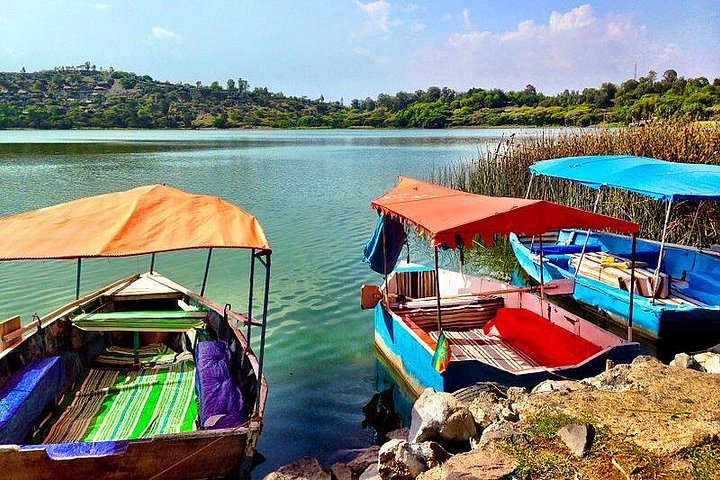
The long rains, called kiremt in Amharic, bring frequent, heavy downpours and cloudier skies, with the wettest weather usually in July and August. Traffic gets worse when roads flood, unpaved streets turn muddy and some outings, such as Entoto and Bishoftu, are less pleasant in the wet. On the plus side, the landscape is lush, prices can be lower and the museums and indoor sights are unaffected. Bring waterproofs, closed shoes and a flexible mind, and plan indoor sights for the afternoons.
Festivals worth planning around
Ethiopia follows its own calendar, so major dates differ from the Gregorian one. The Ethiopian New Year, Enkutatash, falls in the second week of September and marks the end of the rains. Meskel, the Finding of the True Cross, is in late September and is celebrated with a huge bonfire on Meskel Square the evening before. Genna, the Ethiopian Christmas, falls in early January, and Timkat, the Epiphany, comes about twelve days later, with colourful processions and the blessing of water. Adwa Victory Day in early March remembers the 1896 battle. The date of Fasika, Ethiopian Easter, varies from year to year. Festival days are wonderful but crowded, with road closures and full hotels, so book early and allow extra time to move around.
Altitude and health
At this height the air is thinner, and some visitors feel tired, short of breath or headachy on the first day. Take it easy, drink plenty of water, limit alcohol and rest on arrival. The sun is strong even when the air is cool, so use sunscreen, sunglasses and a hat. If you have a medical condition, speak to your doctor before you travel.
What to pack
For all seasons, bring layers, a warm fleece or jacket for evenings, comfortable walking shoes, a hat and sunscreen. In the rainy season add a waterproof jacket and quick-drying clothes. For churches, pack modest clothing that covers shoulders and knees. A small day bag, a reusable water bottle and some small-denomination birr notes help in every season.
Our recommendation
For first-time visitors who want clear skies and the full programme of sights, October to February is hard to beat, especially if you can avoid the busiest festival days or plan them deliberately. If you prefer fewer crowds and do not mind a shower, March to May works well. Visit in the main rainy season only if you value green landscapes and lower prices and you are happy to organise your days around the weather.
Check the advisory
Whatever season you choose, read the US State Department advisory for Ethiopia before booking. It asks travellers to reconsider travel, lists Do Not Travel areas, and describes the security situation in Addis Ababa as stable while warning that conditions can change. Keep to the city and the south-eastern day trip to Bishoftu, ask your hotel about conditions and avoid night driving.