Food is one of the best reasons to visit Addis Ababa. The capital draws on every region of Ethiopia, so a few days at the table cover an astonishing range of flavours, from slow-simmered stews and spiced raw beef to some of the best coffee you will ever drink. This guide explains how a meal works, what to order and how to eat and drink with confidence.
How an Ethiopian meal works
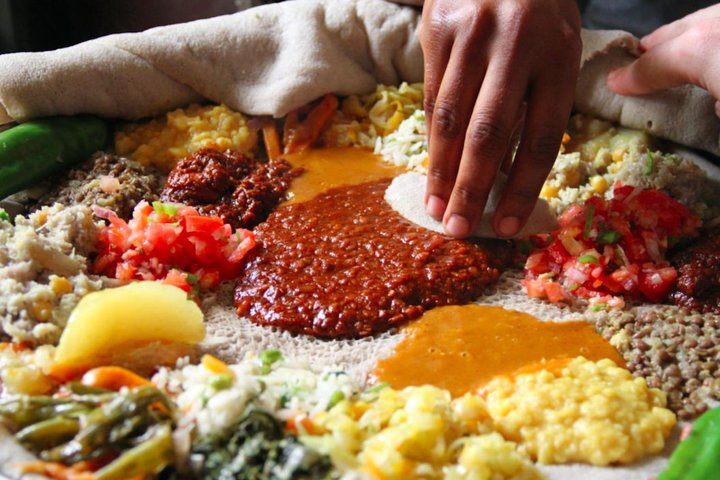
The centrepiece is injera, a soft, slightly sour flatbread made from teff, a tiny grain grown in the highlands. A large round of injera is laid on a shared platter, and the stews and dishes are placed on top. You tear off a piece with your right hand, wrap it around a mouthful and eat. There are no individual plates for the main course, and the shared platter is part of the experience. A tradition called gursha, in which someone feeds you a bite by hand, is a gesture of affection and respect, and it is polite to accept it.
What to order
Wat is the general word for a stew, and the best known is doro wat, a rich chicken stew coloured with berbere, a blend of chilli and spices, often served with a hard-boiled egg. Tibs is sautéed meat, usually beef or lamb, cooked with onions and peppers and served sizzling. Kitfo is minced beef seasoned with spiced butter and a chilli blend, traditionally served raw, lightly warmed or fully cooked, so say which you prefer. Shiro is a smooth chickpea stew that appears on almost every menu and is especially good with injera. A mixed platter is the easiest way to taste several dishes at once.
Fasting food
The Ethiopian Orthodox Church observes fasting days through the year, including most Wednesdays and Fridays and the long period of Lent, when observant Christians eat no meat or dairy. As a result, vegan food in Addis Ababa is excellent and widely available. Look for a fasting platter with lentil stews, split pea dishes, vegetables, greens and shiro. It is cheap, filling and a good way for vegetarians to eat very well, and you will find it in everyday restaurants as well as at special tables.
Coffee
Ethiopia is the birthplace of coffee, and the coffee ceremony is a ritual of hospitality that you will meet in homes, cafes and restaurants. Green beans are washed and roasted on a pan, the aroma is wafted towards guests, and the beans are ground and brewed in a clay pot called a jebena. Coffee is poured in three rounds, traditionally called abol, tona and baraka, and it is polite to stay for all three. Incense and a plate of popcorn or snacks often accompany it. Away from the ceremony, the city has a strong cafe culture shaped by the Italian period, so espresso and macchiato are served everywhere, often at a counter, along with pastries. Plan at least one unhurried coffee a day.
Drinks
Tej is a honey wine, often sweet and potent, served in a round-bottomed flask, and many visitors enjoy it with a meal. Tella is a home-brewed local beer, and local lagers are easy to find. Fresh fruit juices, often layered in tall glasses, are a pleasure and a healthy way to cool down. Drink bottled or properly treated water, and ask for drinks without ice if you are unsure.
Eating safely
Choose busy restaurants with a good turnover, eat food that is served hot, and peel fruit yourself. If you are sensitive to spice, ask for dishes mild, and remember that berbere and other chilli blends can be fierce. Carry hand sanitiser, since eating with your hands is part of the pleasure, and wash your hands before you start. A food tour on your first full day is a good way to learn what to order while eating safely with a guide.
Etiquette
Use your right hand for eating, wash your hands before the meal, and do not pass food with your left hand. Share the platter and try not to take more than your side. Say that you have finished by leaving some injera on the platter rather than clearing it. In restaurants, service is often relaxed, so be patient, and a small tip is appreciated. If you are invited into a home, bring a small gift and accept the coffee ceremony.
Where to learn more
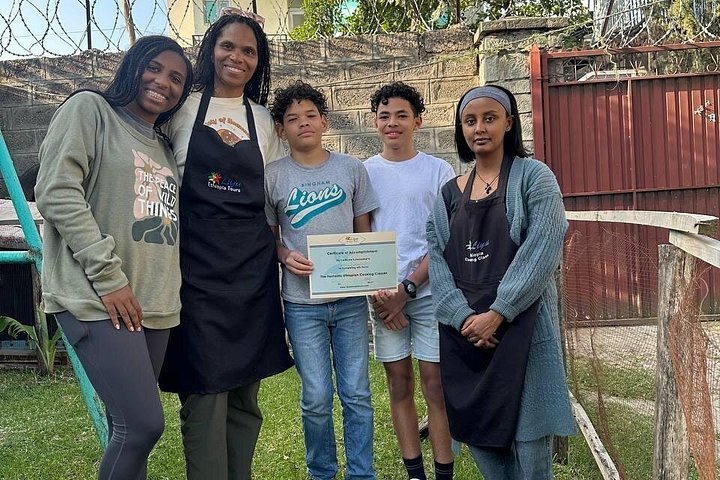
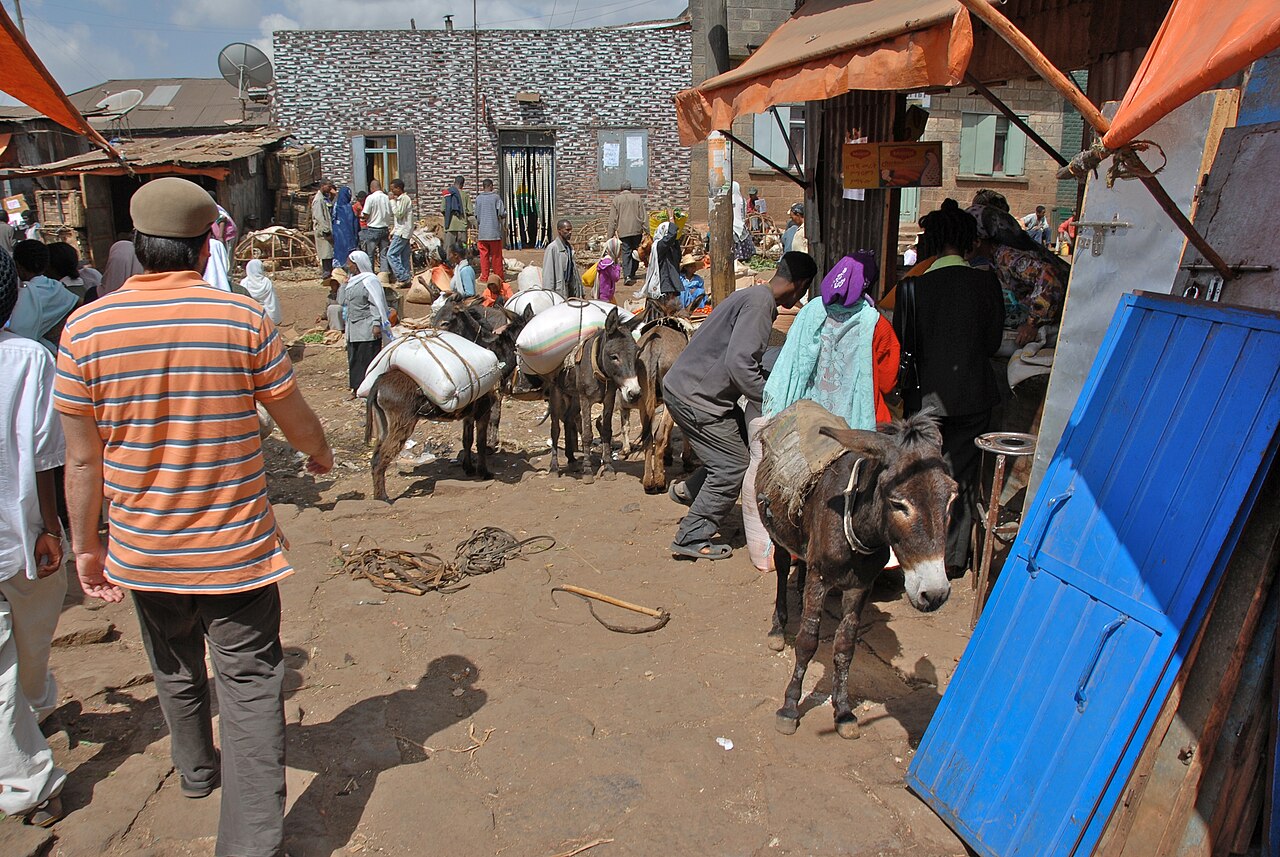
Our food tour introduces the main dishes on a guided walk, and the injera cooking class lets you make the bread and a few stews yourself, so you can recreate them at home. Merkato and Piassa are good places to see ingredients and old coffee houses, and the local spice stalls make useful souvenirs. Ask your hotel for a trusted recommendation for a traditional dinner, and arrive hungry.