Addis Ababa rewards a slow, well-grouped plan. The city is high, hilly and spread out, and traffic is heavy at peak hours, so the best itineraries cluster sights by district and leave room for long coffee breaks. Three days is enough to see the headline sights without rushing, and the plan below follows that logic: the museum and church district first, then modern history and the palace, then the hills, the market and the food.
Before you start
The city sits well above 2,300 metres, so the first day can feel tiring if you have just flown in. Drink water, go easy on the first morning and keep your day light. Dress in layers, because mornings are cool and the midday sun is strong, and carry small birr notes for entrance fees, tips and coffee. Ask your hotel for a trusted driver or arrange a private guide for the first day, which saves a great deal of time in traffic. Entrance hours and closing days change, so confirm them the evening before.
Day one: human origins, emperors and the old quarter
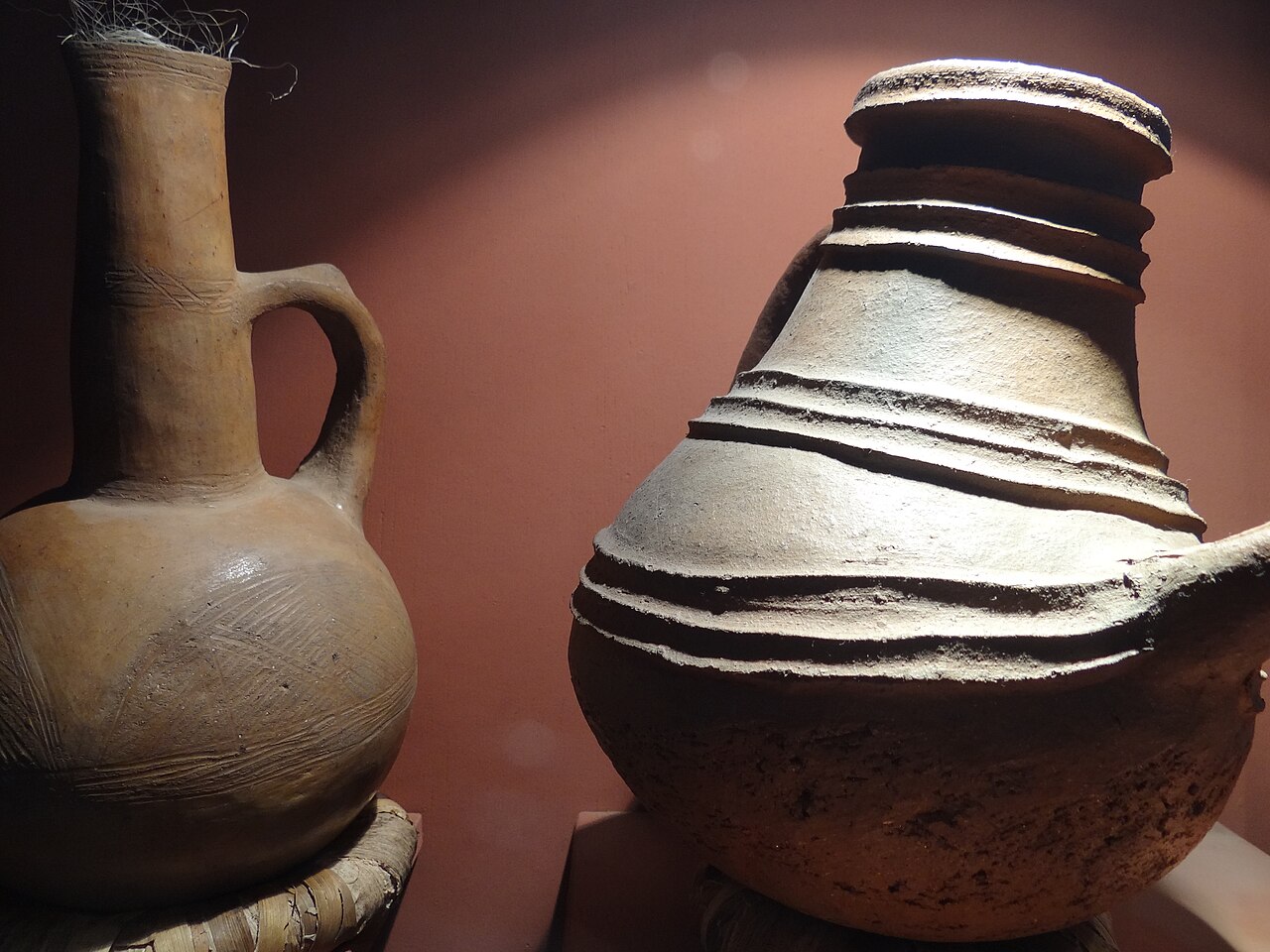
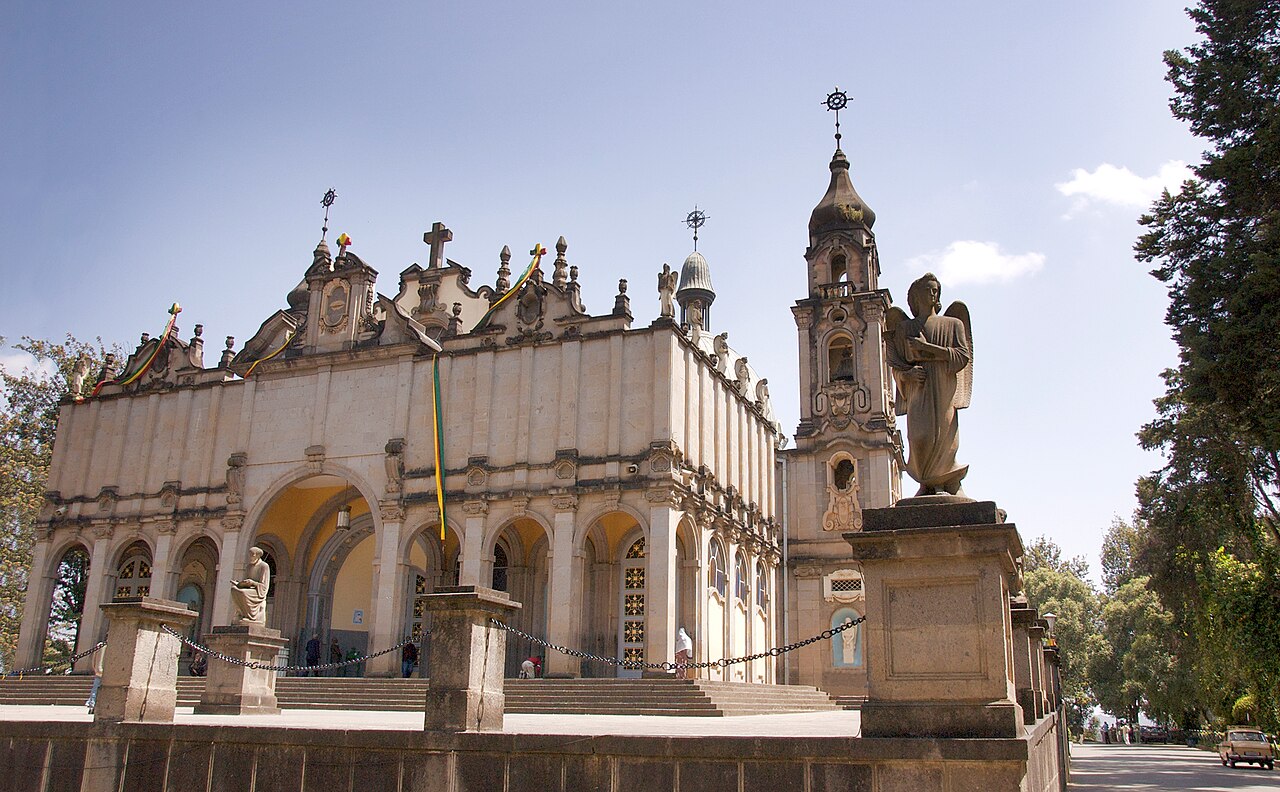
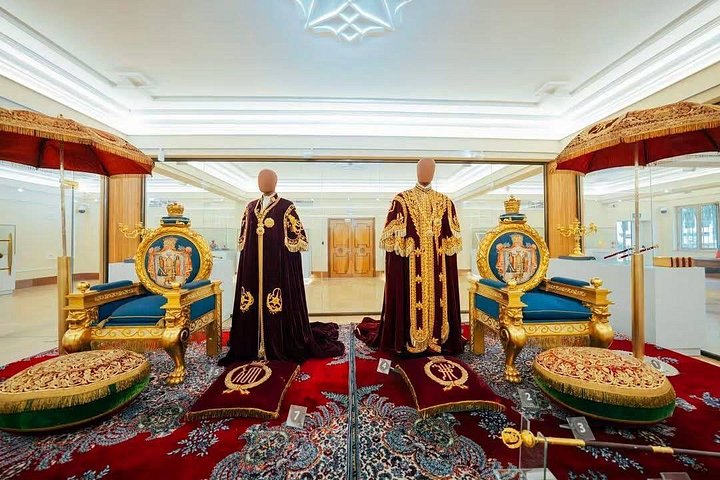
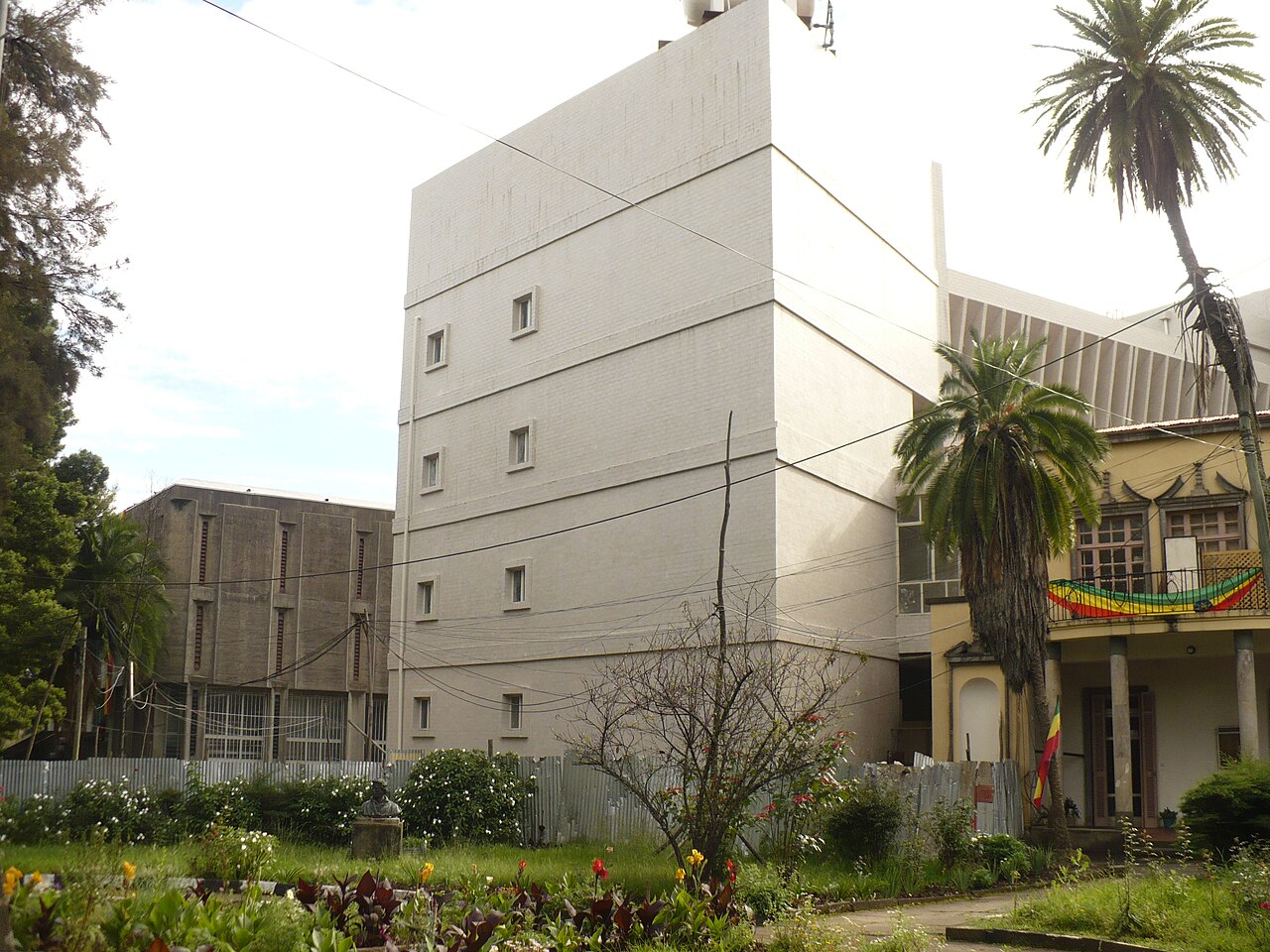
Begin at the National Museum of Ethiopia in the morning, when the galleries are quiet, and spend an hour or two with Lucy and the human-origins floor. The Ethnological Museum, in the former palace of Haile Selassie on the university campus, is close by and explains the country’s peoples and traditions through everyday objects. Holy Trinity Cathedral, with its stained glass and the tombs of the last emperor and empress, makes a fitting third stop. Break for lunch and a long coffee, then spend the afternoon in Piassa, the old commercial quarter. Walk to the Adwa Victory Memorial, visit St. George Cathedral and its museum of crowns and robes and wander along Churchill Avenue. Return to your hotel before dark.
Day two: modern history and the palace
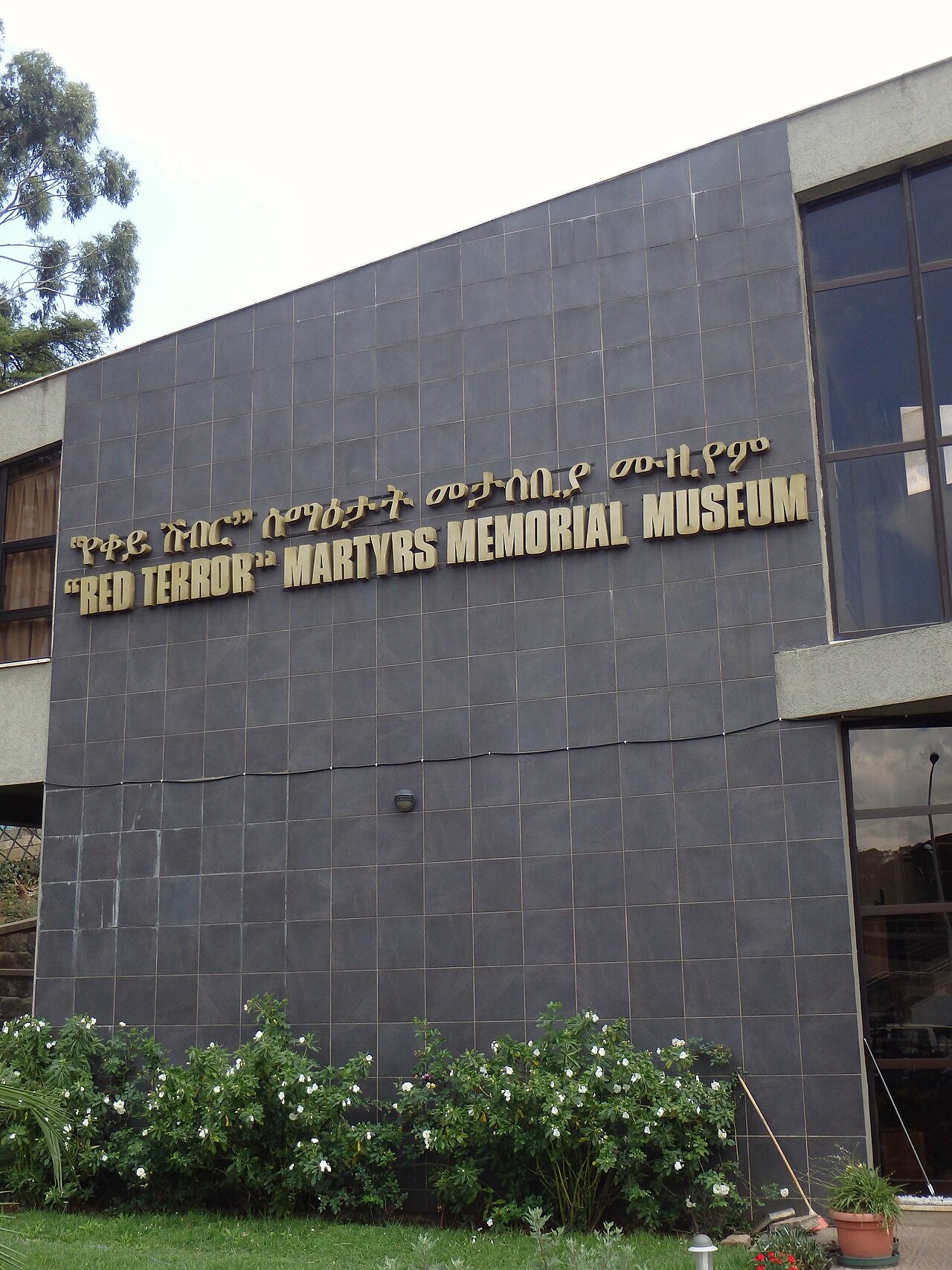
Start at the Red Terror Martyrs’ Memorial Museum near Meskel Square, which tells the story of the 1970s with documents, photographs and personal belongings. It is sobering, so give yourself time afterwards. Step out onto Meskel Square for a few minutes to see the city’s great public space, then move to Unity Park and the National Palace. Unity Park is closed on Mondays, so if your trip begins on a Monday, swap the days around. Choose the special ticket if you want the palace rooms with a guide, and arrive well before the afternoon cut-off for those tickets. Spend two to three hours in the grounds, have lunch there and, if you have energy left, finish with a visit to Africa Hall if you have arranged it in advance.
Day three: the hills, the market and the table
Drive up to Entoto Park and Mount Entoto early in the morning for forest air, long views over the city and the old churches near the summit. The air is cooler and thinner, so take a warm layer and walk slowly. Come back down for lunch, then spend the afternoon at Merkato with a local guide, one of the largest open-air markets in Africa. Go with a guide, carry little, keep valuables at the hotel and expect crowds, noise and a good deal of colour. Finish the evening with the injera cooking class or a food tour, which turns what you have seen into something you can taste and repeat at home.
An optional fourth day
If you have more time, the Bishoftu crater lakes are the easiest day trip, southeast of the capital, with quiet lakes, birdlife and a restful pace that is welcome after three busy days. Leave in the morning and return before dark. We keep day trips to the south-east and within the city for a reason: the US State Department advisory for Ethiopia asks travellers to reconsider travel and lists Do Not Travel areas, including areas immediately north and west of Addis Ababa. The same page describes the security situation in Addis Ababa itself as stable. Read the latest advisory before you book, ask your hotel or operator about conditions and avoid night driving.
Pacing and practicalities
Do not try to fit more than two main sights into a morning. Museums take longer than you expect, traffic takes longer still, and the best moments are often the unplanned ones, such as a coffee ceremony in a small cafe. Book the food tour and the cooking class before you arrive, because places are limited. Use ride-hail apps, taxis agreed on price in advance, or a driver arranged by your hotel, and keep your phone charged for maps. Dress modestly at churches, ask before photographing people and keep your belongings close in crowded places.
Where to base yourself
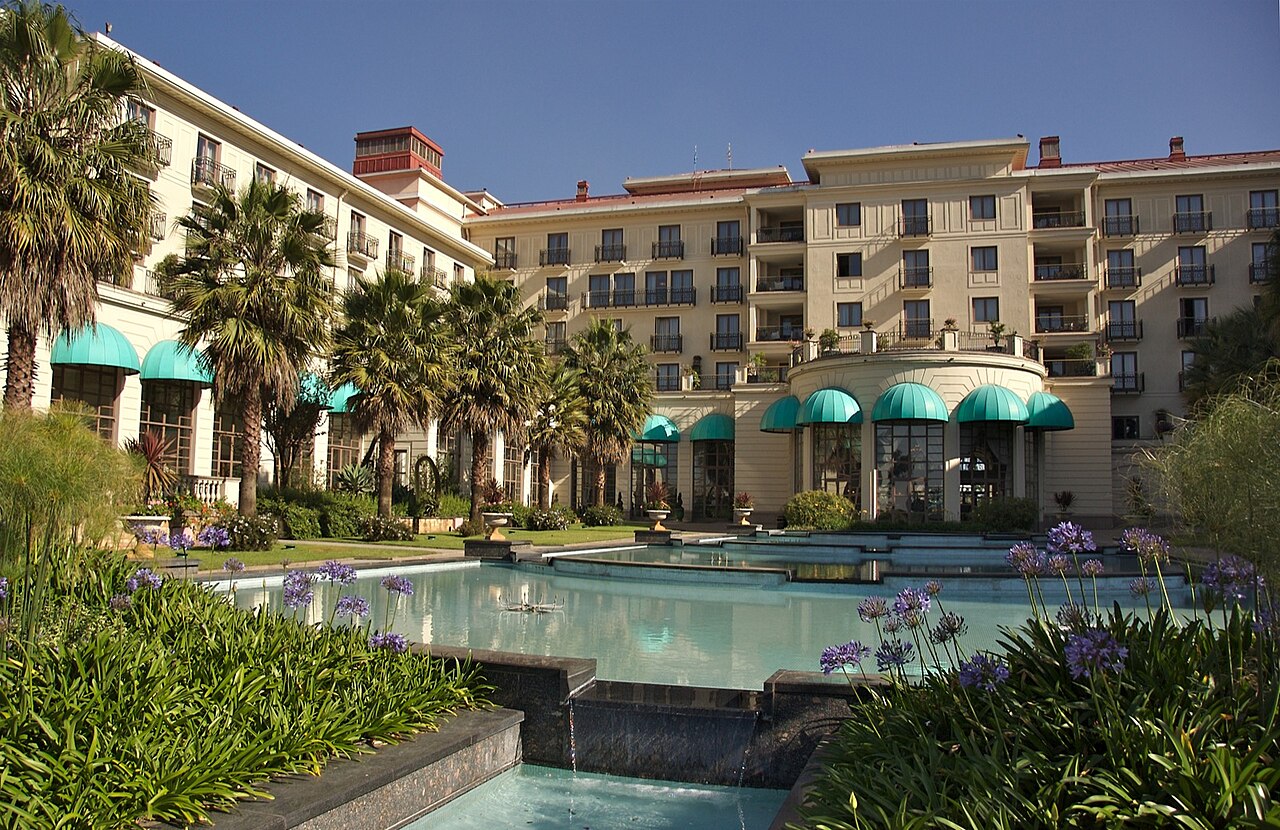
For this itinerary, a central hotel makes the days easier. Sheraton Addis and Hyatt Regency Addis Ababa are both close to the main sights, and the Ghion Hotel is a value choice in the same part of town. If you will be flying in late or out early, add a night at Ethiopian Skylight Hotel by the airport. Our where-to-stay guide compares the areas in detail.