Addis Ababa can be an affordable city, and many of its best experiences cost little or nothing. A thoughtful plan lets you see the highlights, eat very well and travel comfortably without overspending. This guide collects the free sights, the low-cost museums and the practical habits that stretch a budget.
Free and nearly free sights
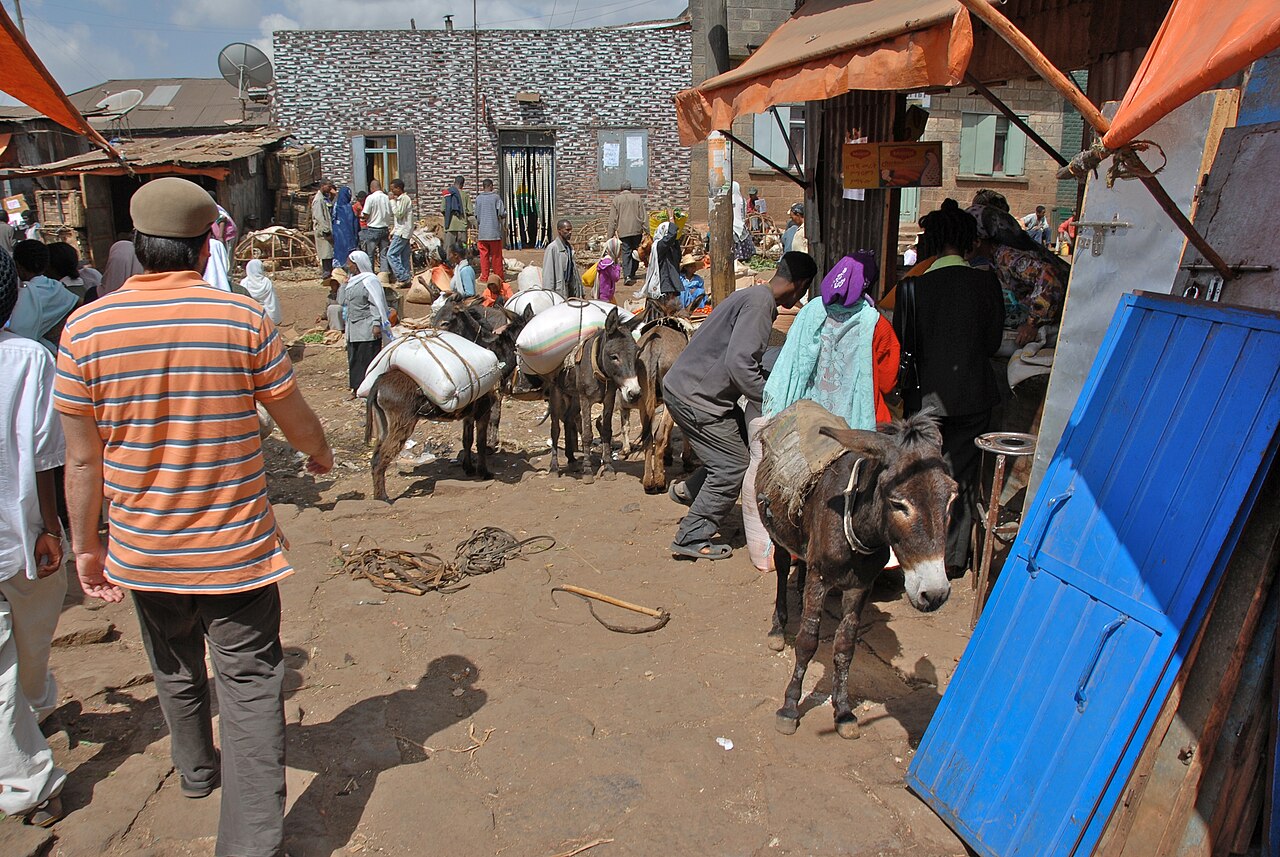
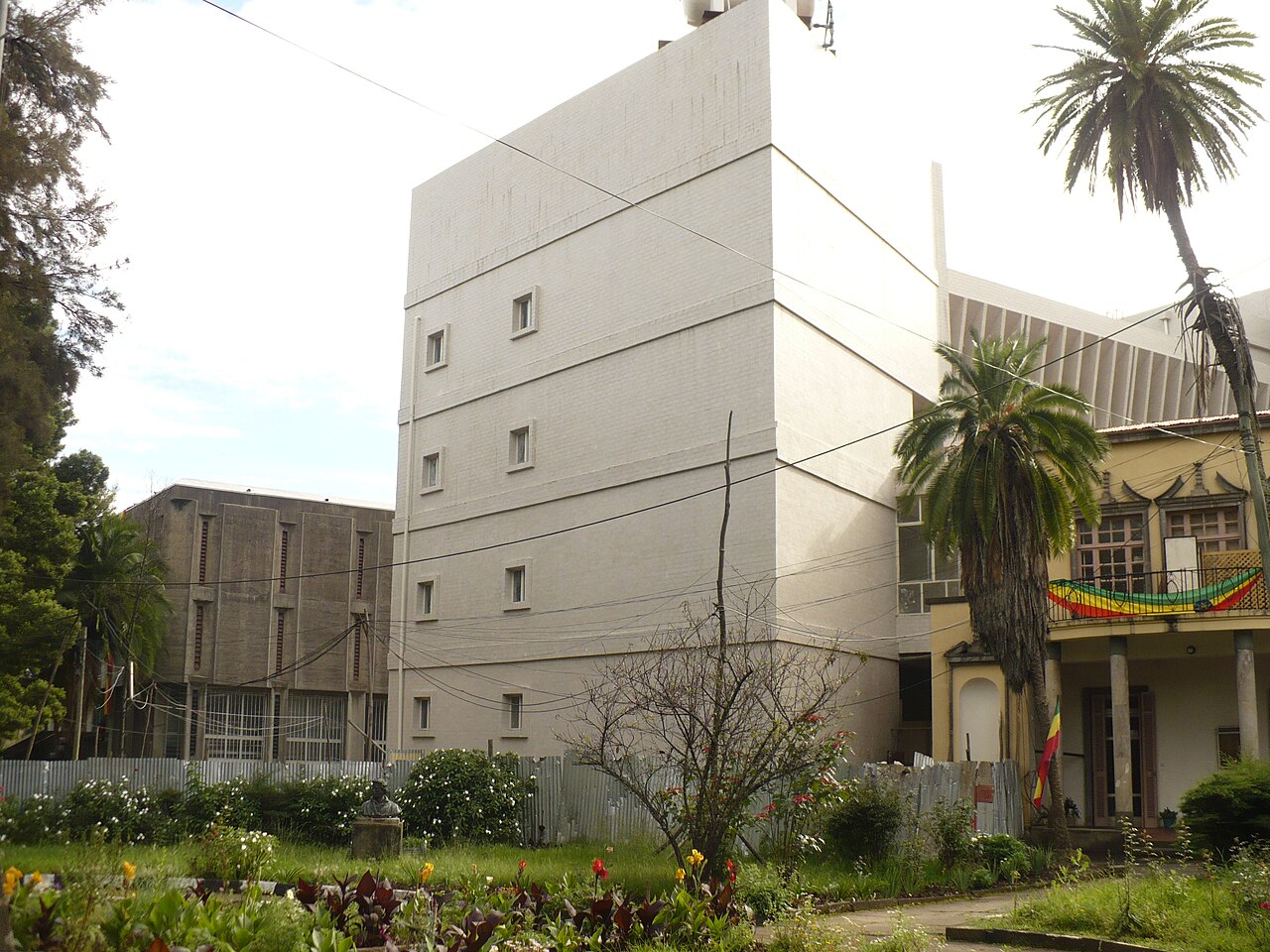
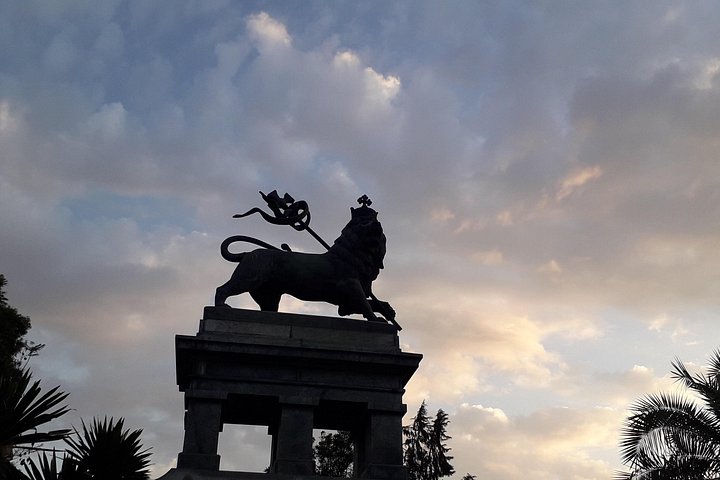
Meskel Square, the city’s great public space, is free, as is a walk through Piassa and along Churchill Avenue, where Italian-era buildings, old coffee houses and the Adwa Victory Memorial cluster together. Wandering Merkato costs nothing to enter, and a morning there is an education in itself, though you should go with a guide and carry very little. Entoto Park and Mount Entoto offer views, forest air and old churches, with entrance arrangements that vary by area. Even the paid museums, including the National Museum and the Ethnological Museum, normally charge modest fees in birr, so a day of culture can be remarkably cheap.
Where it pays to spend
Unity Park charges foreign visitors a higher fee, priced in US dollars, and the special ticket with the palace rooms and a guide costs more than the regular one. It is worth paying for if you want the interiors, and it is the single biggest entrance cost on most itineraries. Cooking classes and food tours are the other main splurges, and both give very good value because they combine a meal, a skill and a guide. Decide which of these matter most and save on the rest.
Getting around cheaply
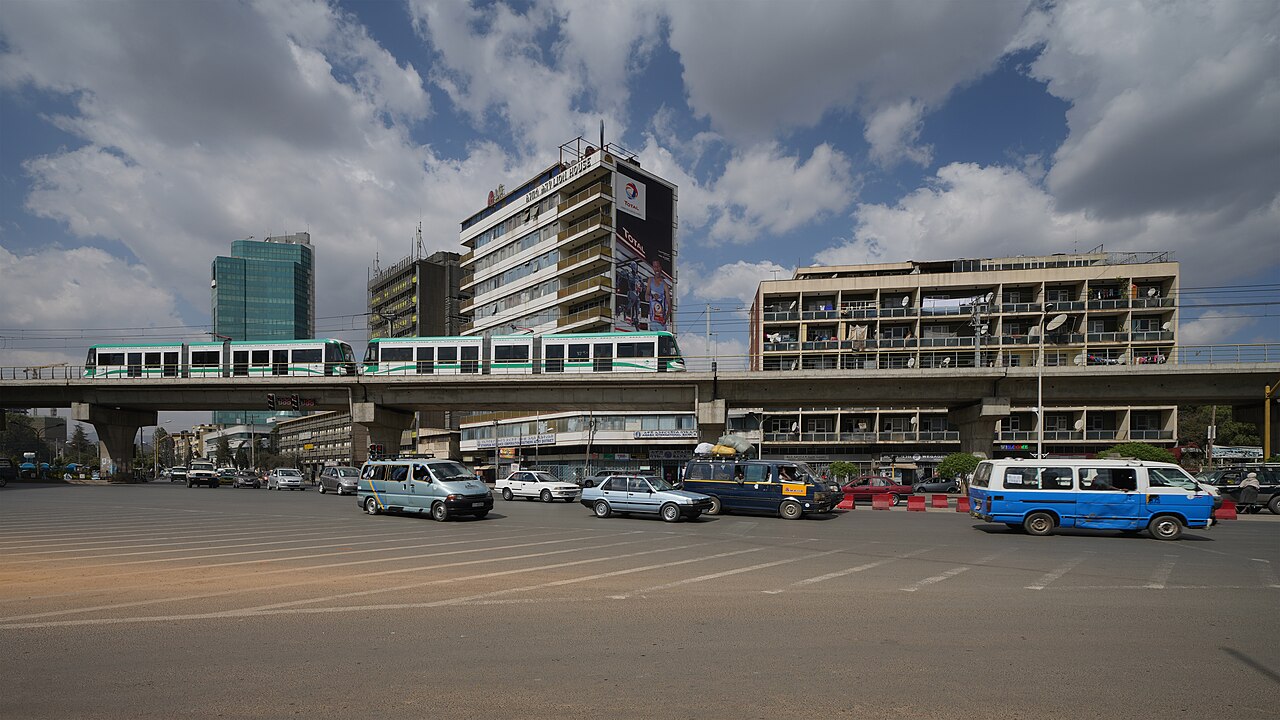
Traffic is heavy and distances are long, so the cheapest transport is not always the best use of your time. Ride-hail apps and metered or pre-agreed taxis are usually inexpensive by international standards. Always agree a price before you set off if there is no meter, and carry small notes for the fare. Shared minibuses and the light rail are the cheapest of all, but they are crowded and can be confusing for newcomers, so try them only in daylight and keep valuables close. Grouping sights by district, as in our three-day plan, cuts the number of rides.
Eating well for less
Local restaurants serve generous platters of injera with stews at modest prices, and a fasting platter of lentils, greens and shiro is among the cheapest and tastiest meals in the city. Coffee at a local cafe costs a fraction of what you would pay at a hotel, and the coffee ceremony is a bargain. Street food and juice bars are cheap, but choose busy stalls and food that is served hot. Drink bottled water, and avoid hotel restaurants for everyday meals.
Cheaper places to sleep
Mid-range hotels with breakfast included make the most of a budget. The Ghion Hotel and Haile Grand Addis Ababa both include a breakfast buffet, free parking and a free airport shuttle, which saves money on the first and last day. Compare the price with and without breakfast, because on some rates it is an extra charge. Staying a little way from the centre can be cheaper, but remember that traffic adds time and taxi fares.
Paying in birr
The currency is the birr, and cash is useful for entrance fees, tips, markets and small purchases. Larger hotels and some venues take cards, but do not rely on them everywhere. Exchange only what you need, use authorised exchange points and hotels rather than street dealers, and keep small notes for change. Carry a mix of notes and keep most of your cash in a safe place at the hotel.
Free ways to learn about the city
Walk the Piassa and Meskel Square areas in the morning, read the plaques and ask your hotel staff about local cafes. Sit in a coffee house and watch the street. Ask a guide about the Adwa memorial and the stories of the old quarter, and take notes. A good one is worth paying for, but you can learn a great deal for nothing by looking, listening and asking.
Staying safe on a budget
Saving money does not mean taking risks. Avoid walking at night, keep valuables out of sight, use trusted transport and ask your hotel about current conditions. Read the US State Department advisory before you travel, and stay within the city and the south-eastern Bishoftu trip.