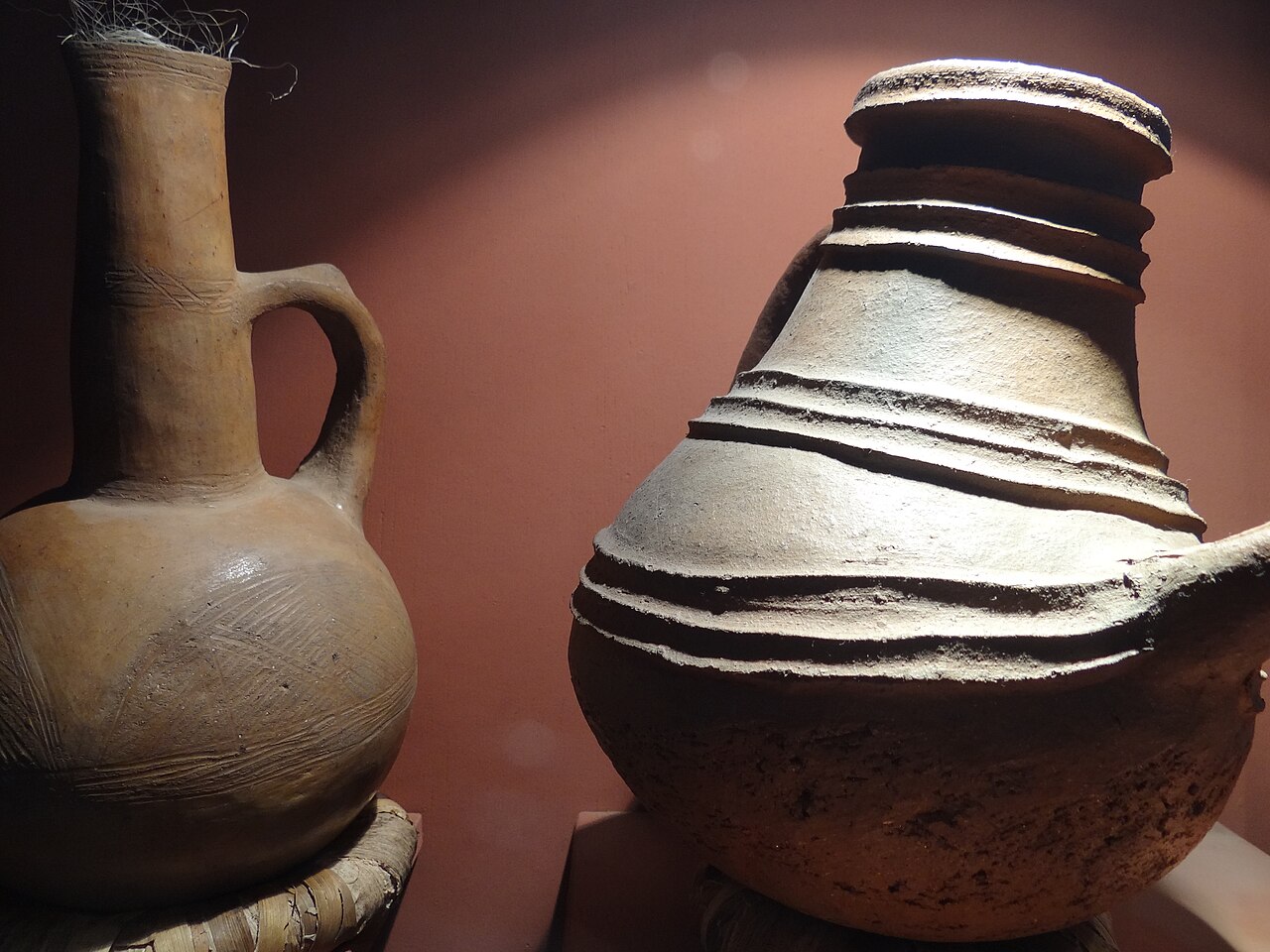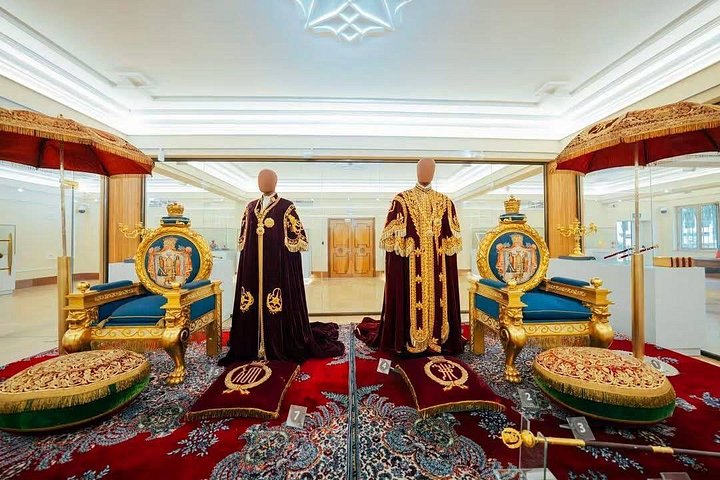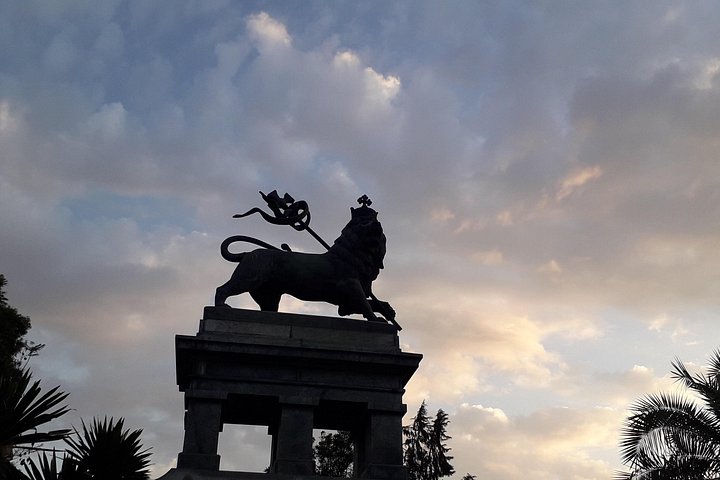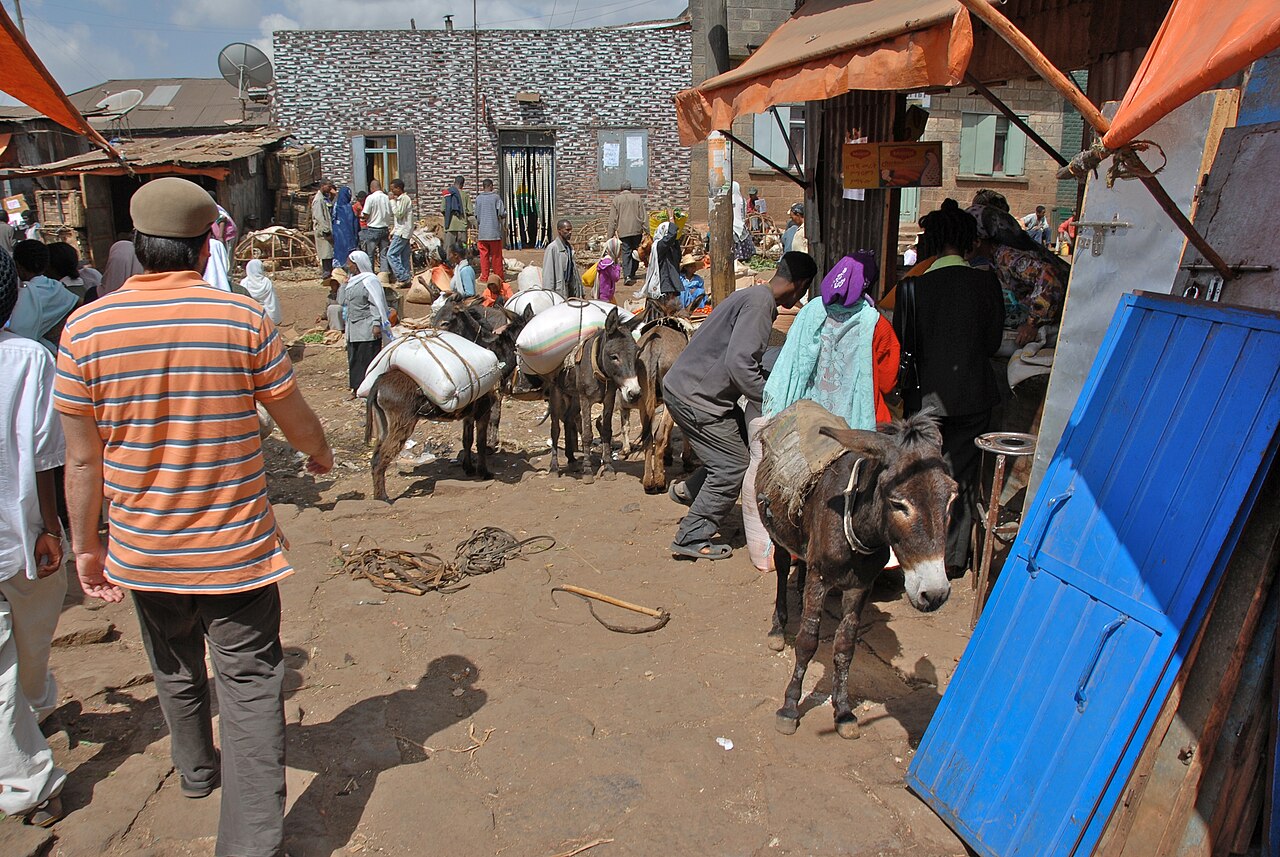
Addis Ababa is a high, busy and surprising capital. It sits above 2,300 metres, so the mornings are cool and the sun is strong, and it rewards visitors who go slowly and plan around traffic. The best sights tell a layered story, from Lucy and human origins through the imperial era and the victory at Adwa to the Red Terror, and the food and coffee are reason enough to come.
The US State Department advisory for Ethiopia asks travellers to reconsider travel. It lists Do Not Travel areas that include the Tigray, Afar, Amhara, Gambella, Benishangul Gumuz, Sidama, Central Ethiopia, South Ethiopia and Southwest Ethiopia regions, specific zones of Oromia and border areas. In Oromia it also names North, West and Southwest Shewa, the area immediately north and west of Addis Ababa, as very high risk.
The same page describes the security situation in Addis Ababa as stable, and it warns that the situation may worsen without warning and that internet and phone services can be disrupted. This is why our day trip goes southeast to Bishoftu and why we do not feature the popular trips to the north and west. Read the advisory again before you book and before you travel.
How many days
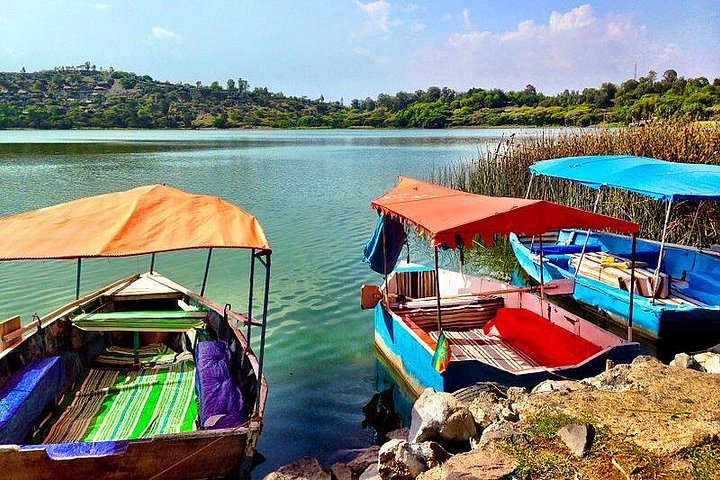
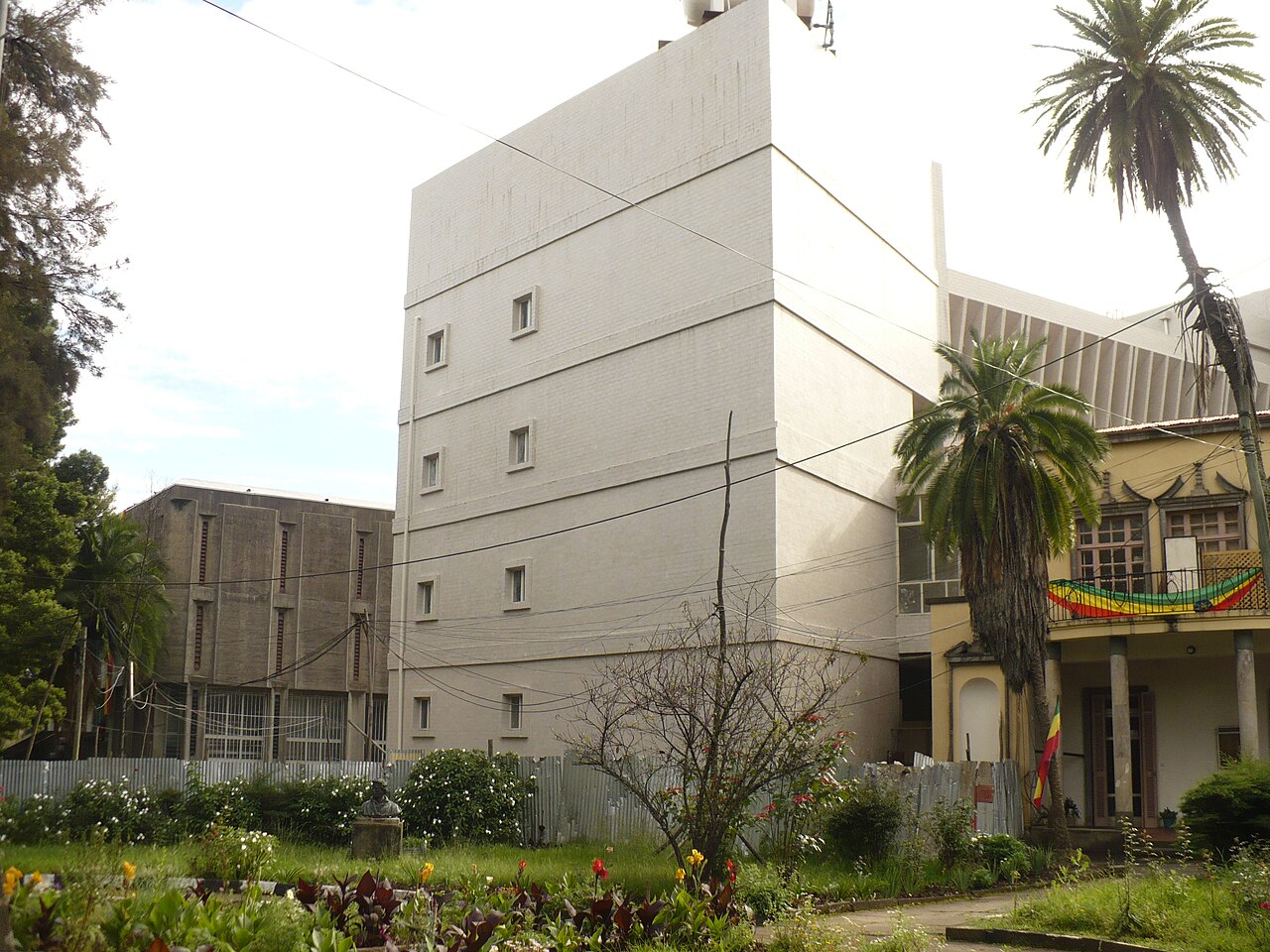
Give the city three full days and add a fourth for Bishoftu if you like. Day one is the museum morning: the National Museum for Lucy, the Ethnological Museum in the former palace of Haile Selassie, and Holy Trinity Cathedral, then a long coffee. Day two is modern history: Unity Park, which is closed on Mondays, the Adwa Victory Memorial in Piassa and the Red Terror Martyrs’ Memorial Museum near Meskel Square. Day three is the hills and the markets: Entoto Park and Mount Entoto in the morning for views and the old churches, then Merkato with a local guide, finishing with the food tour or the cooking class.
What to book ahead
The food tour and the cooking class are run by local operators and have limited places, so reserve them before you arrive. Hire a trusted guide for Merkato, and ask your hotel to recommend one. Unity Park sells special tickets, which include a guide and the Emperor Menelik palace complex, only until 3pm, so go early. Check opening days for the museums, because they can change around holidays.
Getting around
Traffic is heavy and the city is spread out, so budget extra time. Taxis, local ride-hail apps and drivers arranged by your hotel are the easiest ways to move between sights, and agreeing a price before you set off is wise when there is no meter. The central museums are close enough to combine in a morning. Avoid walking or driving at night, as the advisory advises, and keep valuables out of sight in crowded places.
Coffee and food
Ethiopia is the birthplace of coffee, and the coffee ceremony, with beans roasted and brewed in a clay jebena and served in three rounds, is a ritual of hospitality you will meet in homes, cafes and restaurants. Ask your hotel where to find a good one, and plan one long, unhurried coffee each day. Ethiopian meals are shared from a single platter with injera, and a food tour on your first full day is a good way to learn what to order for the rest of the trip.
Money and etiquette
The currency is the birr, and cash is useful for small entrances, tips and markets, although hotels and larger venues take cards. Dress modestly at churches, and ask before photographing people. Eating is often done with the right hand from a shared platter. Orthodox fasting days mean excellent vegetarian food.
Health and comfort
At this altitude some visitors feel tired or short of breath on the first day, so rest on arrival, drink plenty of water and use sunscreen. Eat hot, freshly cooked food, drink bottled water and wash your hands before meals. If you want to go deeper into the food, our eating and drinking guide explains what to order, and our budget guide lists the free sights.
When to go
November sits in the dry season, with sunny days and cool nights, which is ideal for sightseeing. Bring a warm layer for the evenings and for Entoto, and sun protection for the days. Allow a day to adjust to the altitude if you are sensitive to it.