Belgrade is one of the more affordable capitals in Europe, and the best of it costs little or nothing. The headline sights are free, the food is generous and the nightlife is cheaper than in most of Western Europe. This guide shows how to fill several days with almost no entry fees, where to spend a bit for real value and how to avoid the small traps that cost visitors money.
The big free sights
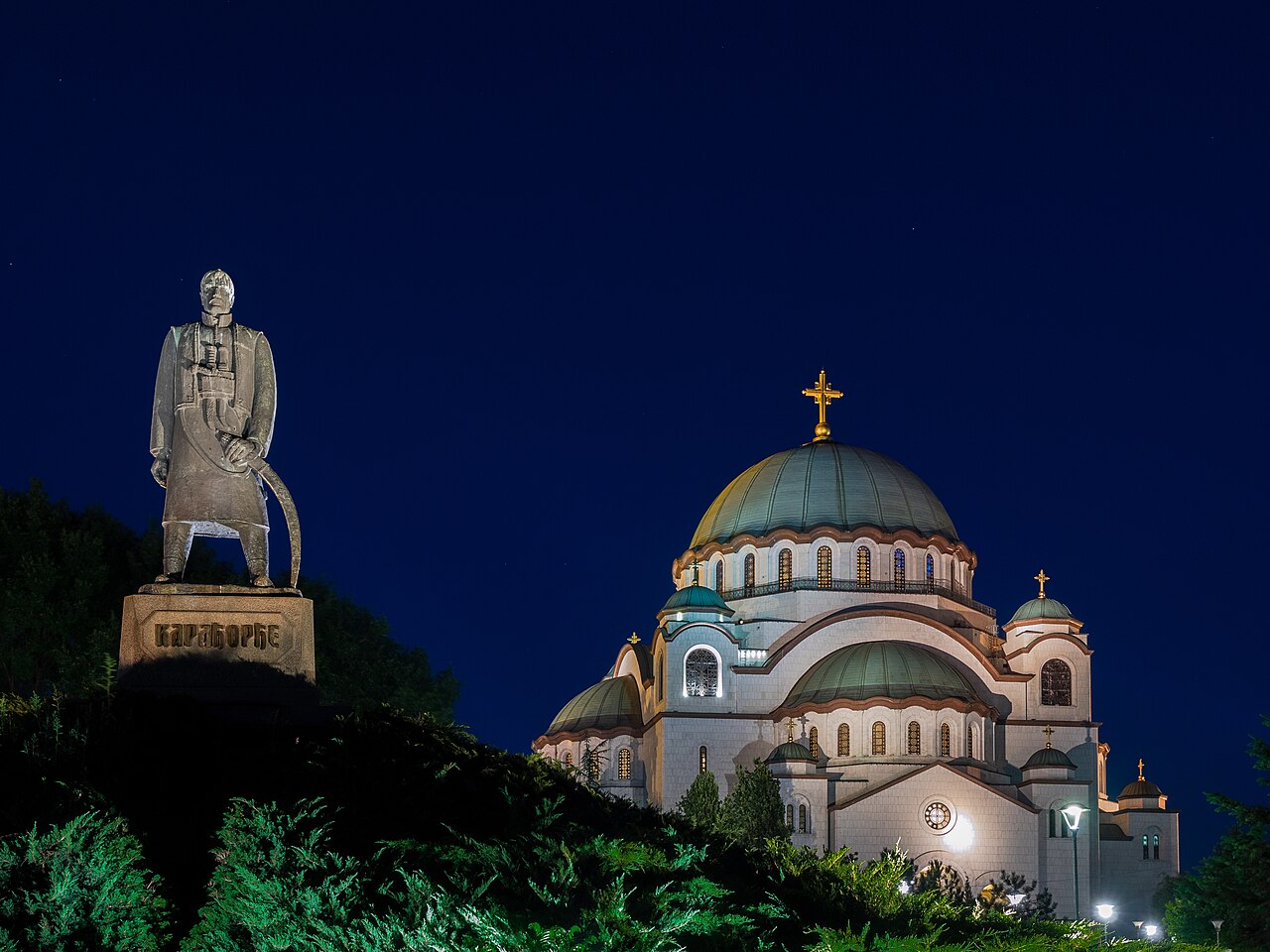
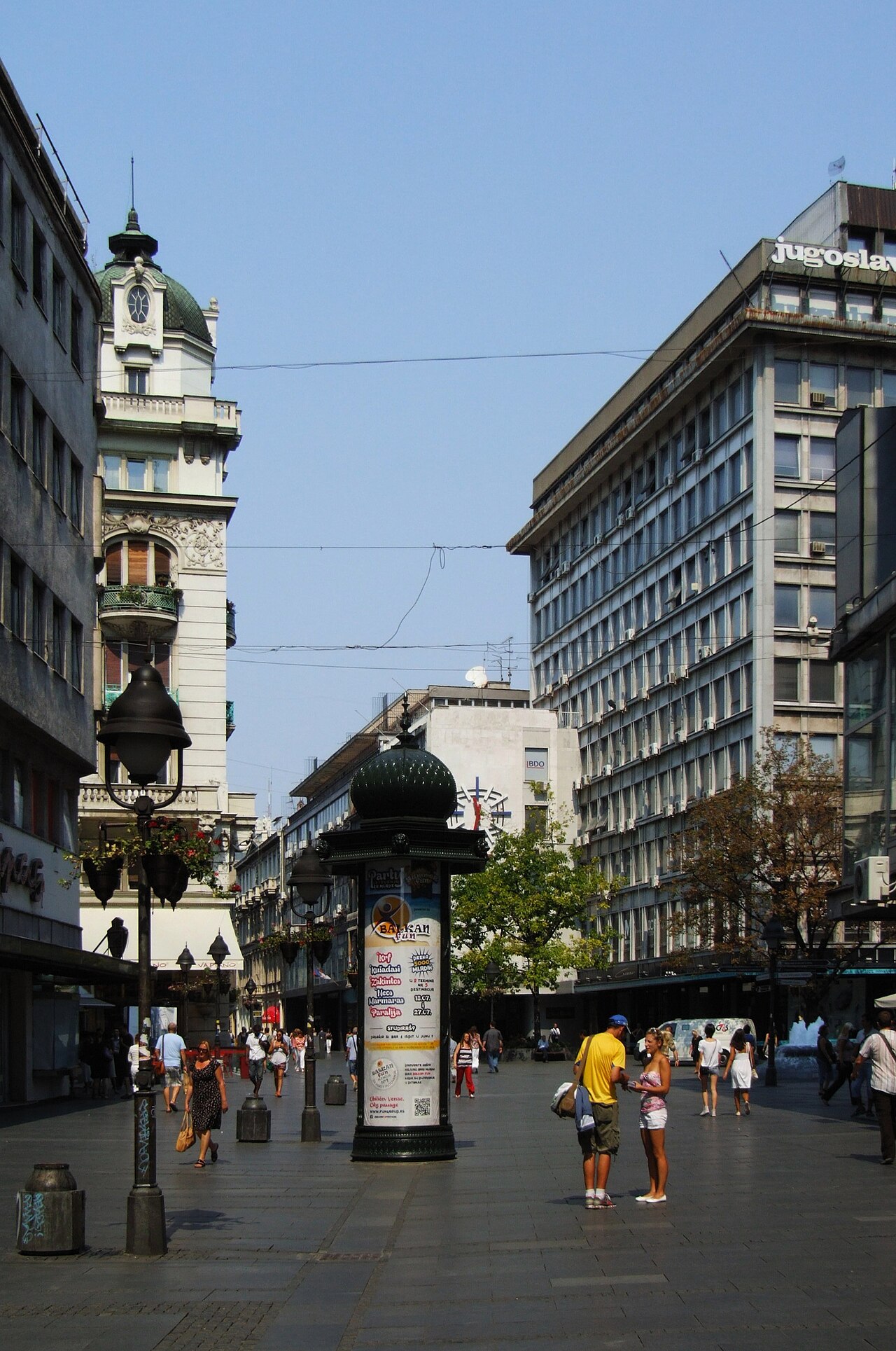
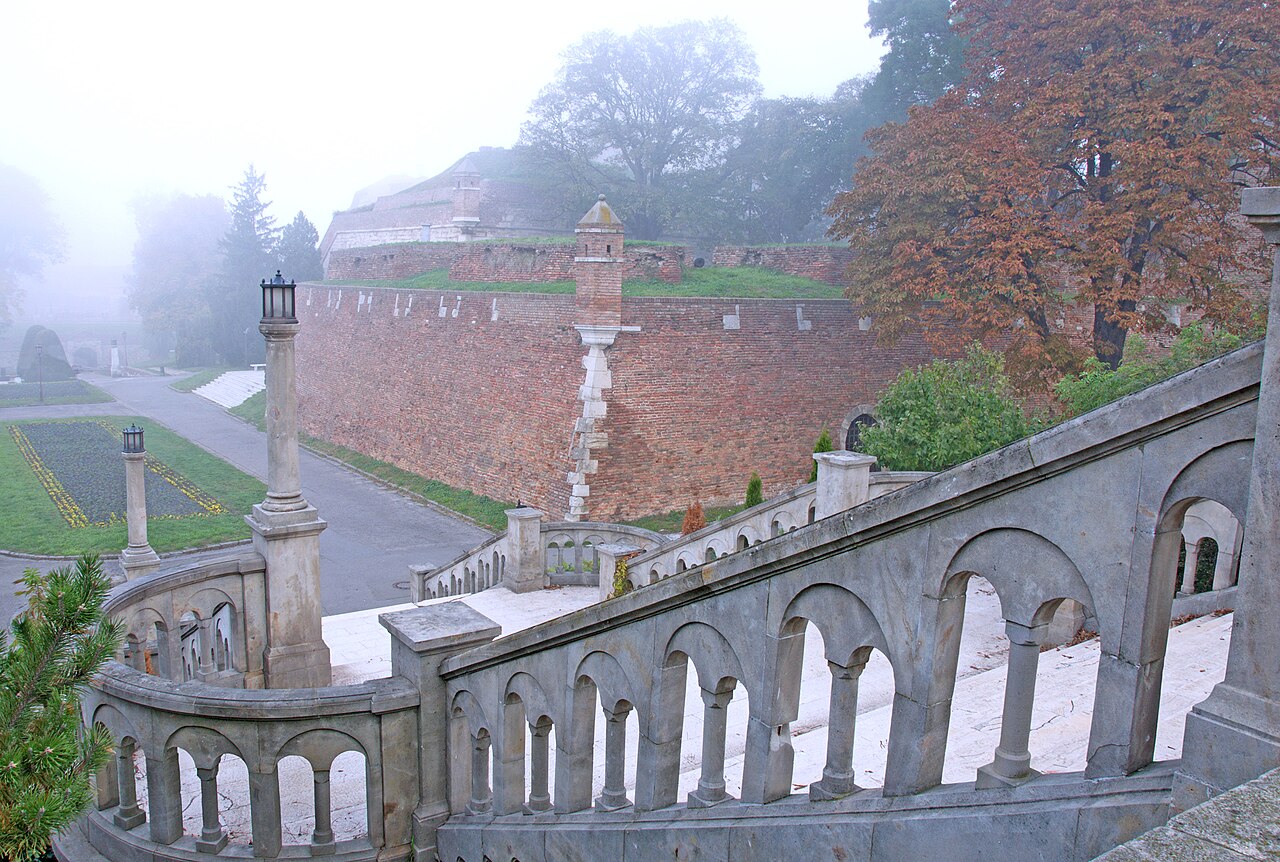
The Belgrade Fortress and Kalemegdan Park are free to enter and open around the clock. You can spend half a day on the walls, the Roman Well, the Victor monument and the viewpoints over the confluence of the Sava and Danube without paying anything for the grounds, though a few museums inside the walls charge. The Temple of Saint Sava is free to enter, and the white marble exterior and the interior are worth the time even if you are not religious. Knez Mihailova, the pedestrian promenade from Republic Square to the fortress, costs nothing to walk and is the best free people-watching in the city. Skadarlija, the cobbled bohemian street, is free to stroll, and you can eat elsewhere if the terraces are too pricey.
Free and cheap museum days
The National Museum of Serbia on Republic Square is free on Sundays and is closed on Mondays, so plan your visit for a Sunday if you want to save. On other days the entrance for the permanent exhibition is a few hundred dinars. Check each museum's website for free days and discounts for students and young people, as they vary. Remember that the Nikola Tesla Museum takes payment in dinars only, so bring cash for the guided visit.
Parks, lakes and rivers
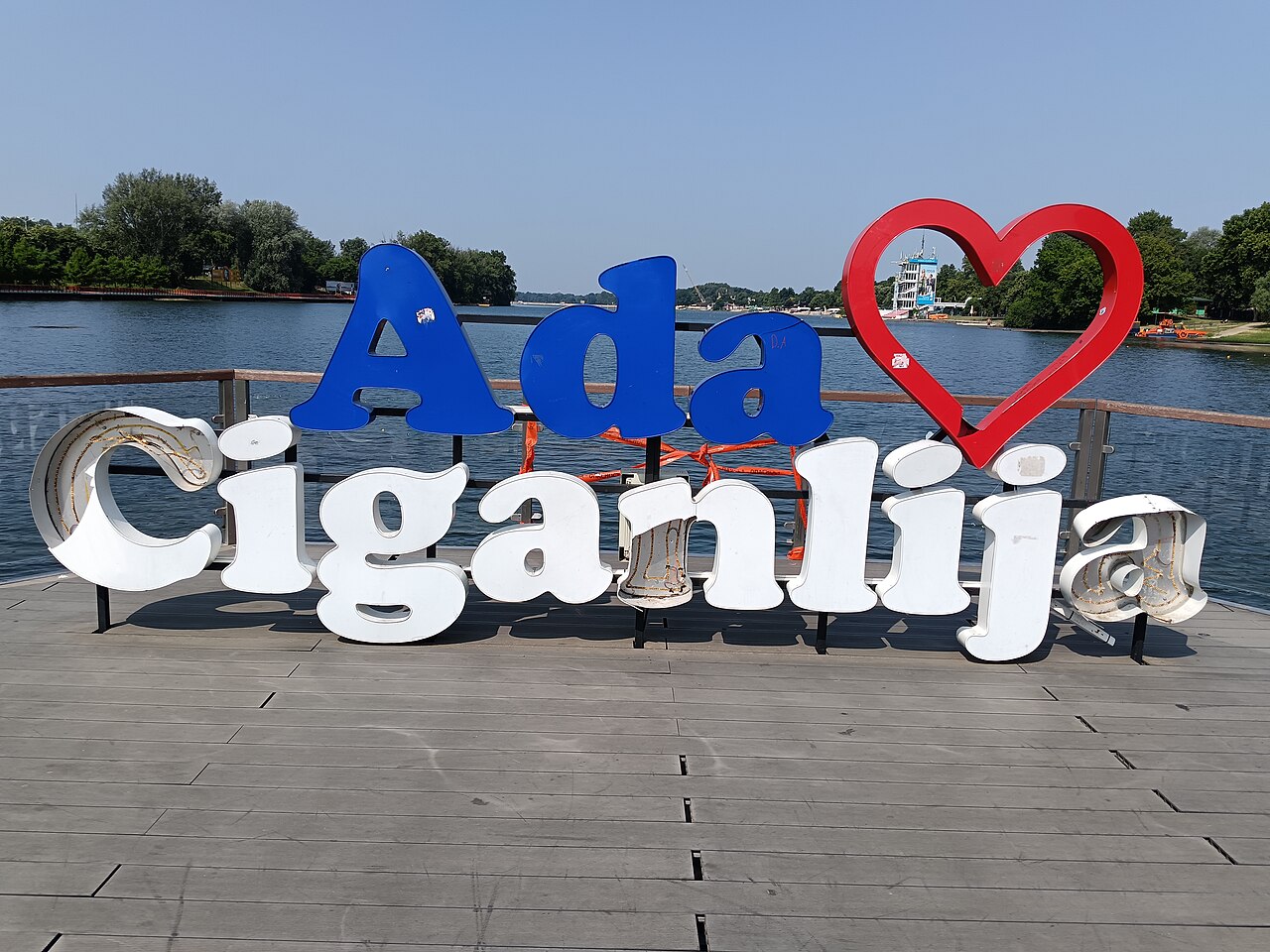
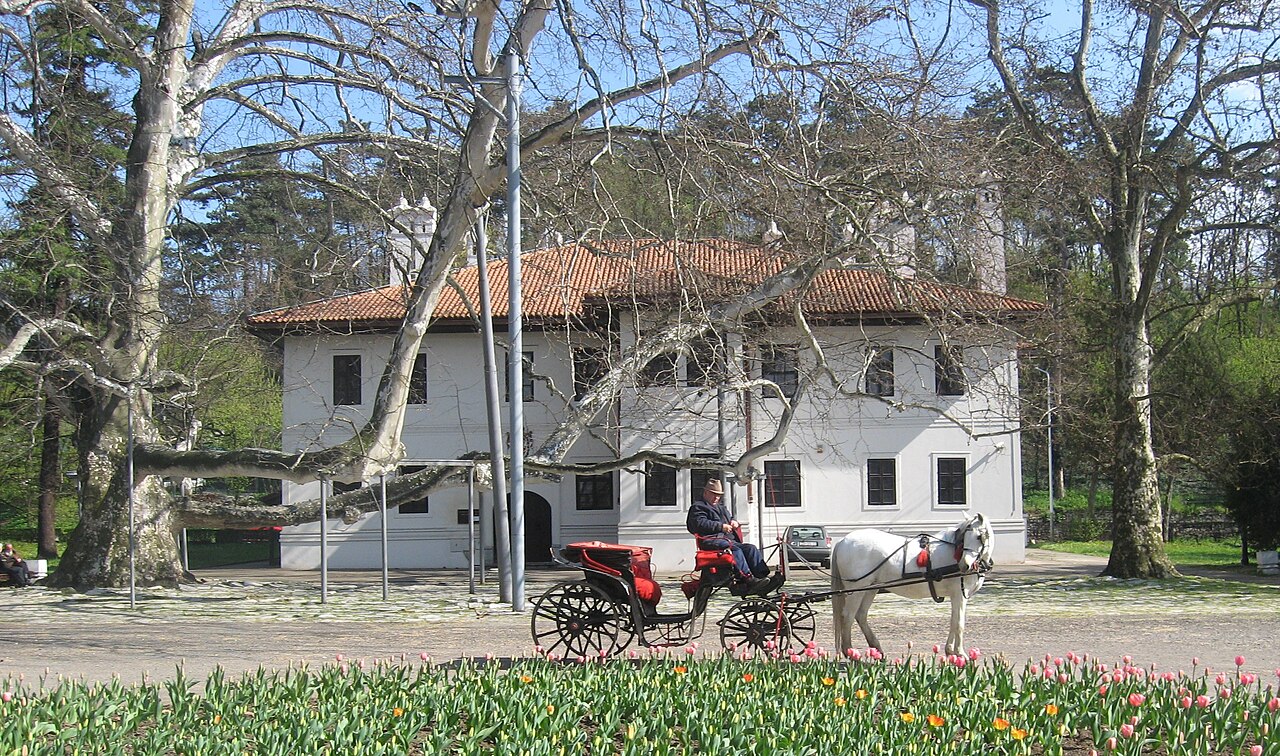
Topčider Park, the oldest park in the city, is free to enter and shaded and quiet, and the Residence of Prince Miloš inside is a small, inexpensive visit. Ada Ciganlija, the lake island on the Sava, is free to enter, with pebble beaches, cycling and walking paths, and you only pay if you hire a bike or order a drink. In summer it is where the city goes to swim. The riverside paths along the Sava and Danube are free and take you from the fortress to Zemun or New Belgrade on foot or by bike. Walking the length of the Danube quay to Zemun and climbing the Gardoš hill is a good free afternoon, with a fish dinner on the quay if the budget allows.
Eating cheaply
Belgrade rewards cheap eating. Start with burek and yoghurt from a bakery, and get lunch from a grill counter for ćevapi or a pljeskavica in flatbread. Local markets sell fruit, cheese and cured meats for picnics, and many restaurants offer a daily set lunch at a lower price than the evening menu. Share dishes, because portions are big. The tourist street Skadarlija is more expensive than the side streets of Dorćol and Vračar, where locals eat. A guided food tour is a good use of money early in the trip, because it tells you what to order for the rest of it.
Getting around for less
Walk the old town, which is compact. For longer trips, buses, trams and trolleybuses use a rechargeable card sold at newsstands and are far cheaper than taxis. From Nikola Tesla Airport the city bus 72 to Zeleni Venac is cheaper than the A1 express to Slavija or a taxi, though it is slower. If you take a taxi, use a ride-hailing app or have your hotel call one, so that the fare is clear before you set off. Rounding the fare up is enough of a tip.
Where to spend a little
A few paid experiences repay the money. A small-group walking tour on your first morning gives you the story of the city and a mental map. The underground tour beneath the fortress is something you cannot do alone. And a day trip to Novi Sad is cheaper and easier with a guide than by organising buses and tickets yourself. If you want just one, make it the walking tour.
Sleeping on a budget
The old town has hostels and simple hotels at modest prices, and the ArkaBarka floating hostel on the river at Ušće is a distinctive option with dorms and private rooms and bikes for riding the Danube path. Staying near Knez Mihailova saves transport costs because you can walk everywhere.
Money tips
Use dinars for small purchases and tips, and withdraw cash from bank ATMs rather than using exchange booths in tourist areas, which can give poor rates. Cards work in most places, but tips are usually left in cash. Using euros is not the norm and gets a poor rate. Check your bank's foreign card fees before you go, and decline any offer to be charged in your home currency, since the rate is usually worse.
Cheapest times to visit
Late autumn, winter and early spring have lower hotel prices and thinner crowds. Summer is lively but busier, and the festivals and weekends can push prices up. Whatever the season, the best things in Belgrade, the views, the walks and the long evenings, cost very little.