Belgrade eats generously, late and with opinions. This is a meat-and-bread city with a Balkan, Ottoman and Central European inheritance on the plate, and the best way to understand it is to sit down at a table with friends, order too much and stay for hours. Here is what to look for, how the day usually runs and how to eat well without a plan.
Start with breakfast on the move
Many Belgraders start the day with burek, flaky pastry baked in a round tray and cut into wedges, filled with cheese, meat or sometimes apple. It is typically eaten with plain yoghurt, and it is sold at bakeries across the city from early morning. Look for a place with a queue of locals and an oven you can see. Another morning habit is a pastry and a coffee at a corner bakery, where service is quick and prices are low.
The grill is the centre of the menu
Serbian grilled meat is a category of its own. Ćevapi are small skinless minced-meat sausages, served in a flatbread called lepinja, usually with chopped raw onion. Pljeskavica is a larger spiced patty, a Serbian cousin of the hamburger. Karađorđeva šnicla is a rolled, breaded cutlet filled with kajmak, a soft, rich, salty clotted cream that appears on many tables. Mixed grill platters, often called mešano meso, are made for sharing. Ask what the kitchen is proud of and you will usually be pointed in the right direction.
Meze, salads and the rest of the table
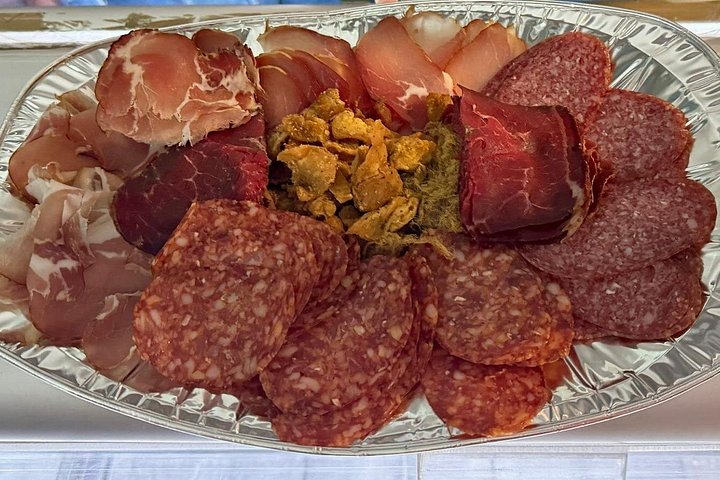
Before the meat, expect cured and smoked meats, white cheese, ajvar, the roasted red pepper and aubergine relish that every family makes in autumn, and bread. Šopska salad, with tomato, cucumber, onion and grated white cheese, is the standard side. Sarma, cabbage rolls stuffed with minced meat and rice, is a winter staple, and prebranac, baked beans in a smoky sauce, is the classic meatless dish. Fish from the Danube turns up on menus along the river in Zemun, often grilled or in a thick fish stew called riblja čorba. Save space for gibanica, a cheese pie, or a sweet such as palačinke, thin pancakes with walnuts or chocolate.
Rakija and other drinks
Rakija, a fruit brandy most often made from plum, is the national drink. It is served in small glasses, before or with a meal, and it is offered as a gesture of welcome. Sip it; it is strong. Serbia also has a growing wine scene, with white and red wines from the Fruška Gora hills and the Sremski Karlovci region, the home of the sweet fortified wine bermet, which you can taste on the Novi Sad day trip. Local beer is cheap and widely available. For a non-alcoholic option, try a glass of homemade juice or soda, or an ayran, a salted yoghurt drink that suits the grill.
Kafana culture
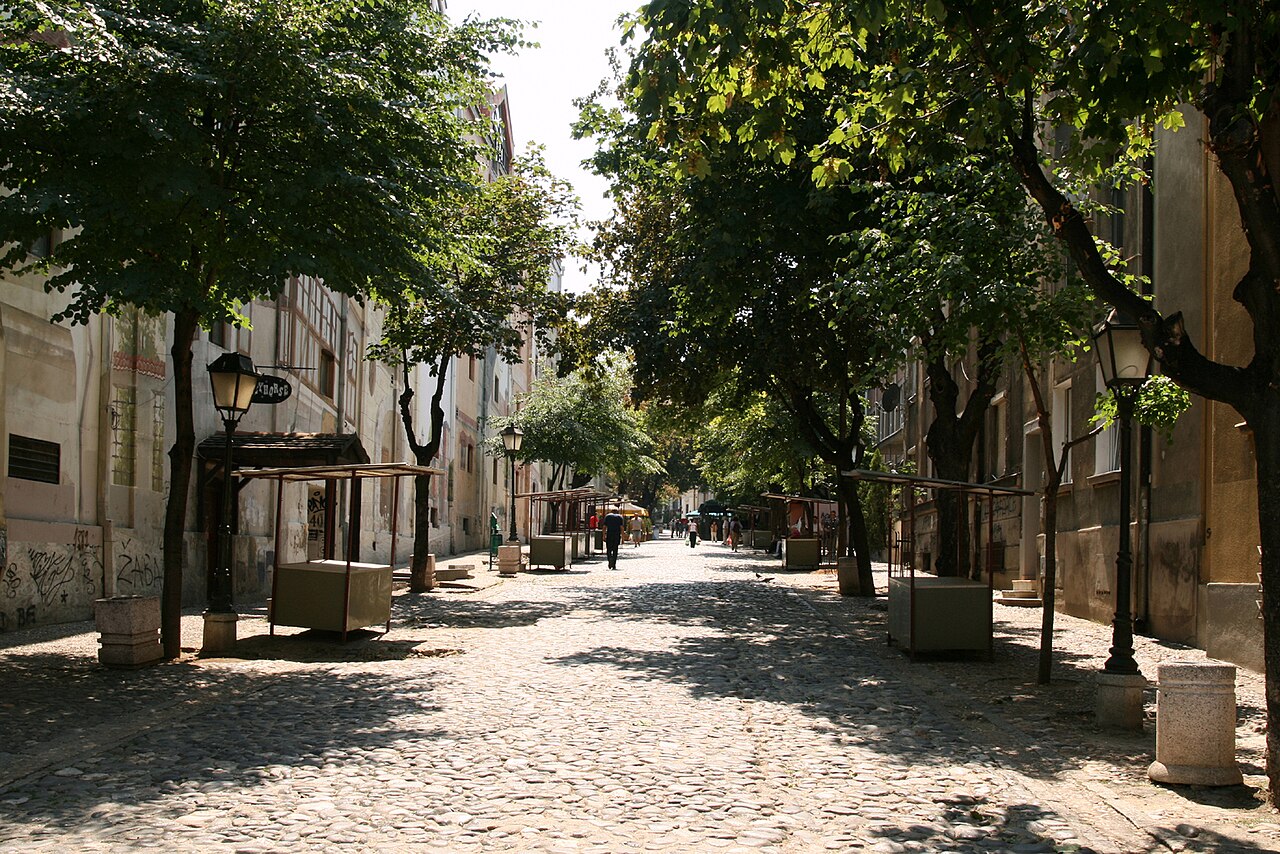
The kafana is the traditional Serbian tavern: part restaurant, part bar, part community centre. Old kafanas have wooden tables, folk music and long evenings. The cobbled street of Skadarlija is the most famous place to try one, with tamburica bands and terraces under the trees. It is touristy and priced accordingly, so also look at the side streets in Dorćol and Vračar, where the same kind of food is cheaper and quieter. Menus are usually posted outside; compare before you sit.
Coffee is a ritual
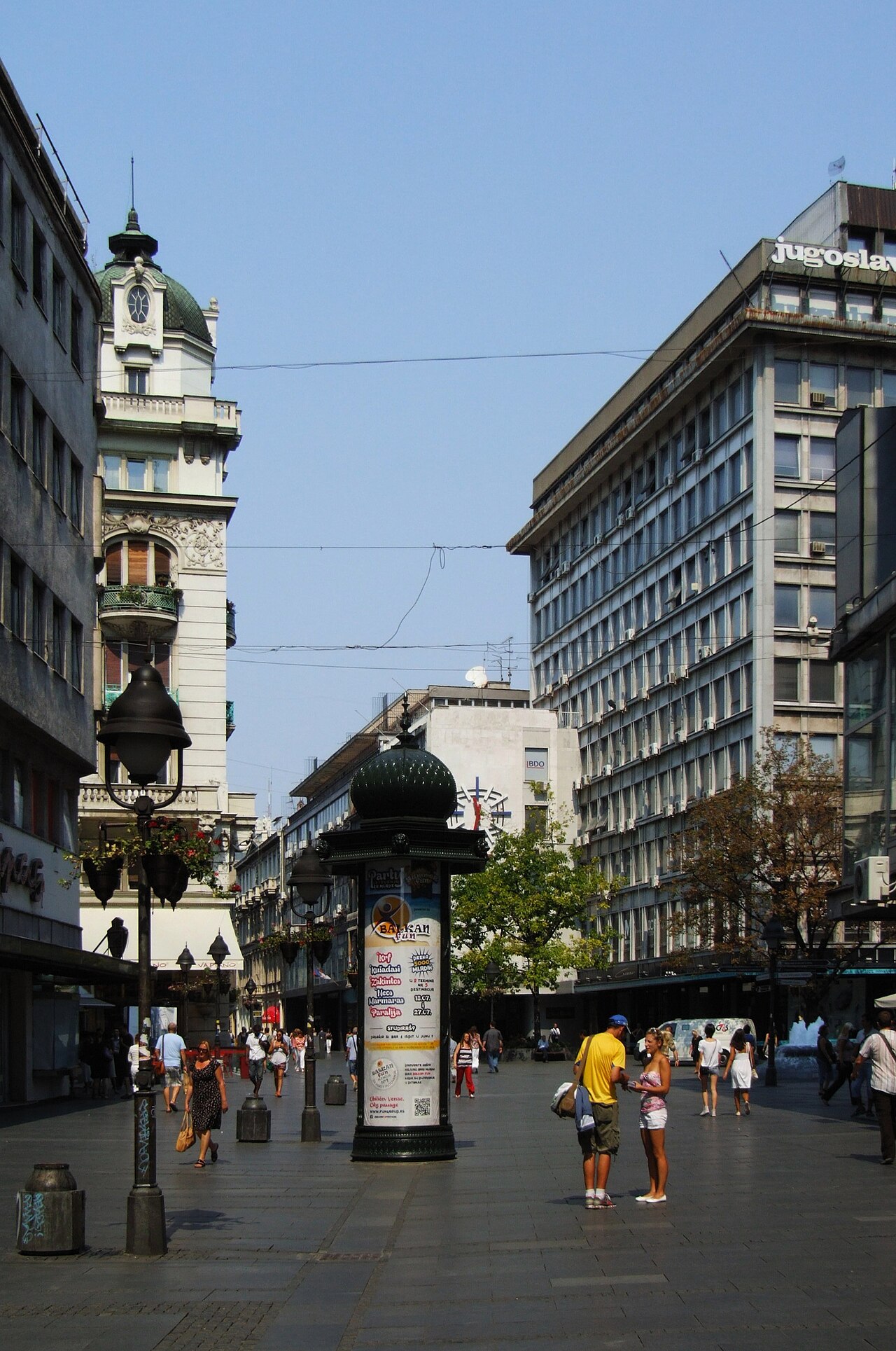
Belgrade takes coffee seriously and slowly. A cup can last an hour, and nobody will hurry you. Order a traditional Serbian coffee, brewed in a small pot, or an espresso or a macchiato. Cafes spill onto every pavement, and the stretch around Knez Mihailova and the streets of Dorćol is the place to sit and watch the city.
Splavovi and the night
The river rafts, floating bars and restaurants moored along the Sava and Danube, are the place to eat, drink and dance in summer. Some serve proper meals with a river view, others turn into clubs after dark. Winter is quieter, but the old town cafes, kafanas and basement bars stay busy. If you want a guide into the nightlife, a guided bar crawl is an easy way to start.
Taste it with a guide
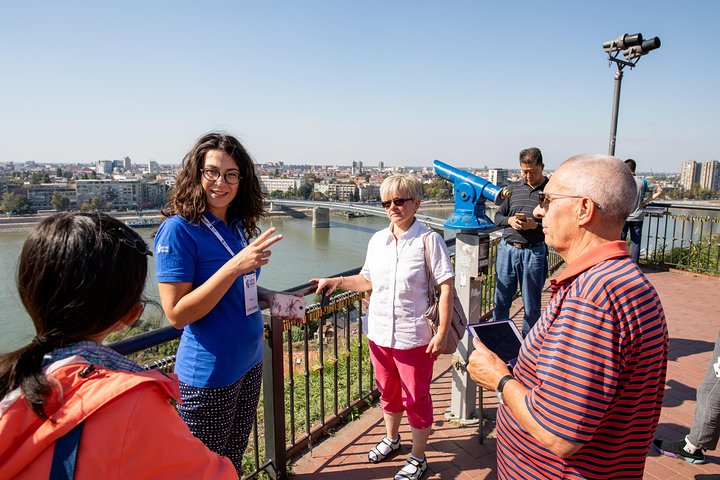
A guided food tour is the quickest education, with stops for burek, cured meats, cheese, kajmak and rakija and the stories behind each. It works well on your first or second day and tells you what to order for the rest of the trip. Go with an empty stomach; the tour is a full meal.
Practical tips
Portions are big, so share. Tipping is a matter of rounding up or leaving around ten percent for good service, and it is best done in cash, since the card machine rarely adds a tip. Service charges are not usually added to the bill. Tables fill at weekends in the busiest places, so book if you are a group. Vegetarians will find salads, cheese, beans and peppers, but check that dishes like soup and beans do not include meat, and ask the staff.