Three days is enough to get a real feel for Belgrade without rushing, and the city lends itself to a simple shape: one day for the old town and the fortress, one for the hill of Vračar and the rivers, and one for a day out of town. Almost everything central is within walking distance of everything else, but the city is hilly and the summer heat is real, so the plan below keeps the big walks for the cooler ends of the day and puts the museums and tours in the middle.
Before you start
Serbia uses the dinar, not the euro. Cards are accepted in most hotels, restaurants and shops, but carry some cash for small cafes, markets and the Nikola Tesla Museum, which takes dinars only. Check that your phone has a data plan or an eSIM, and download a ride-hailing app before you land. Wear shoes you can walk in: the old town is cobbled in places and steep in others.
Day one, morning: the old town on foot
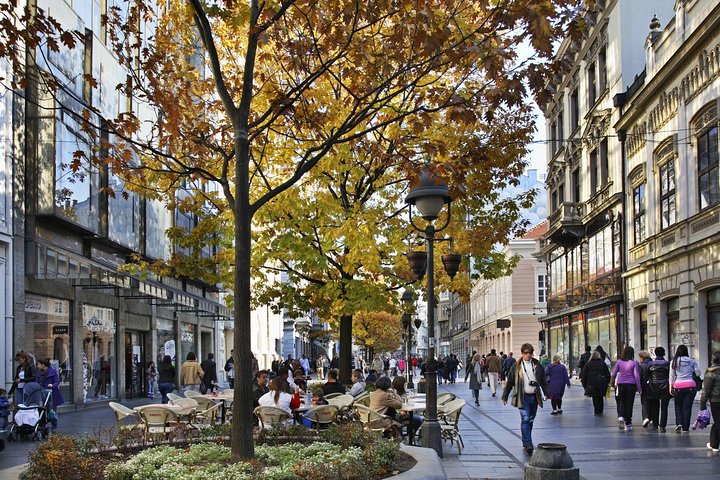
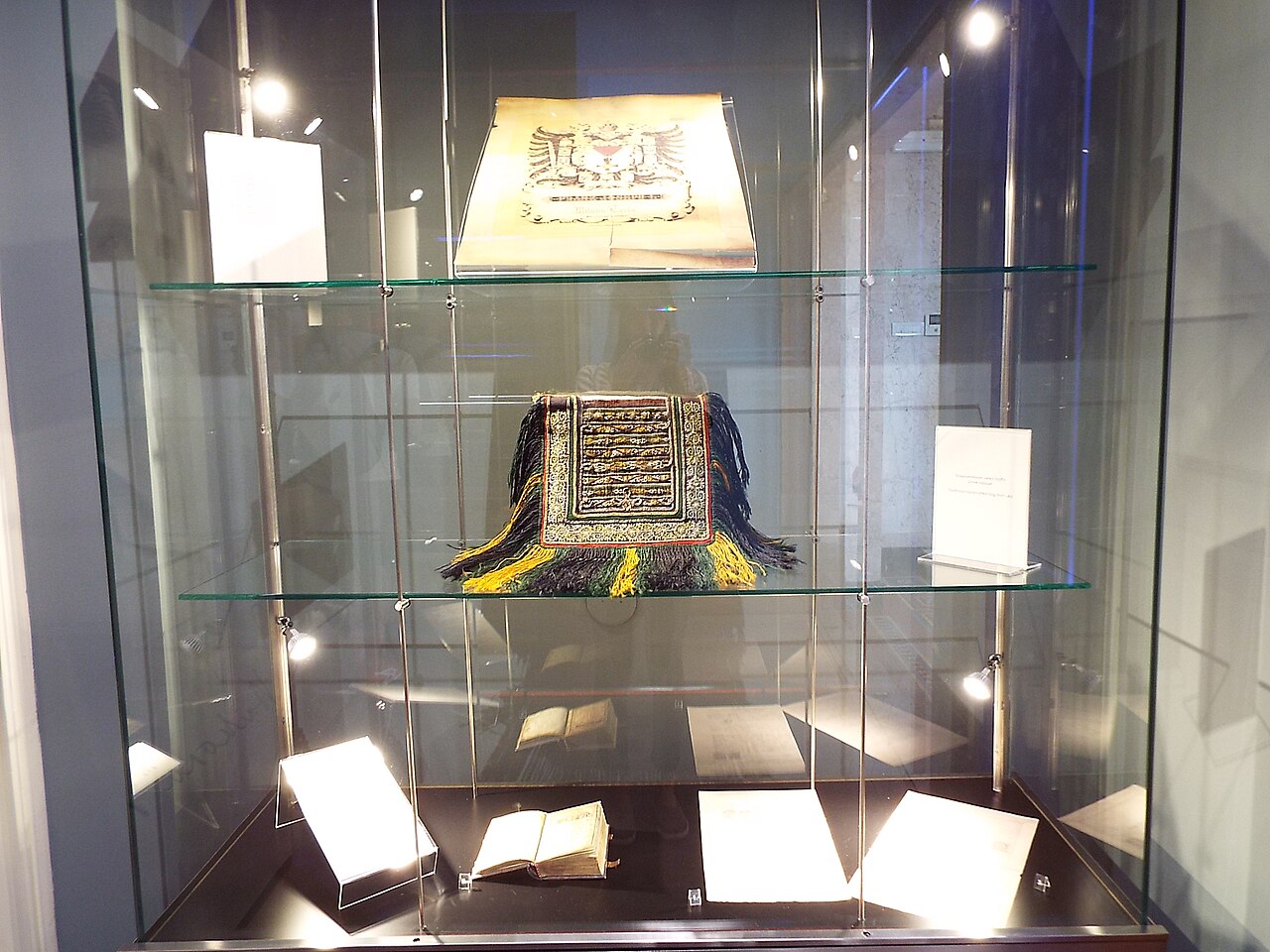
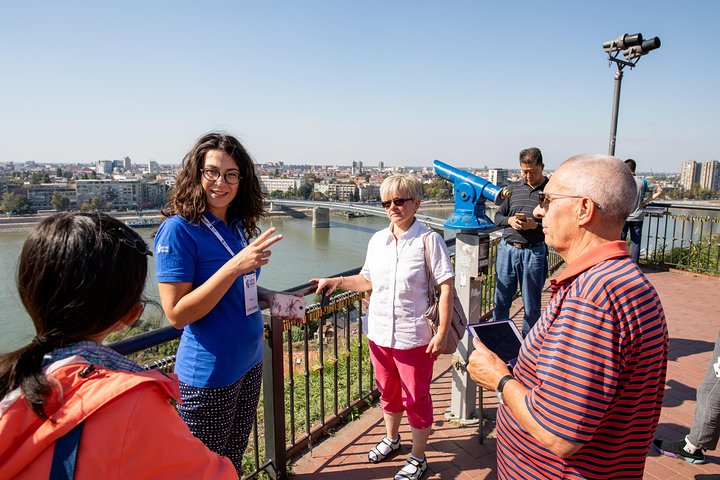
Start at Republic Square, the traditional meeting point, with the National Theatre and the National Museum of Serbia on its edges. If you like museums, go in now while it is quiet; the museum is closed on Mondays and free on Sundays, so check the day before you plan around it. Otherwise begin the stroll down Knez Mihailova, the pedestrian spine of the city, lined with nineteenth-century buildings, bookshops, galleries and cafes. A small-group walking tour on your first morning is the best way to connect the layers of history, from Roman Singidunum to the Ottomans and the Habsburgs, and it leaves you with a mental map for the rest of the trip.
Day one, afternoon: the fortress
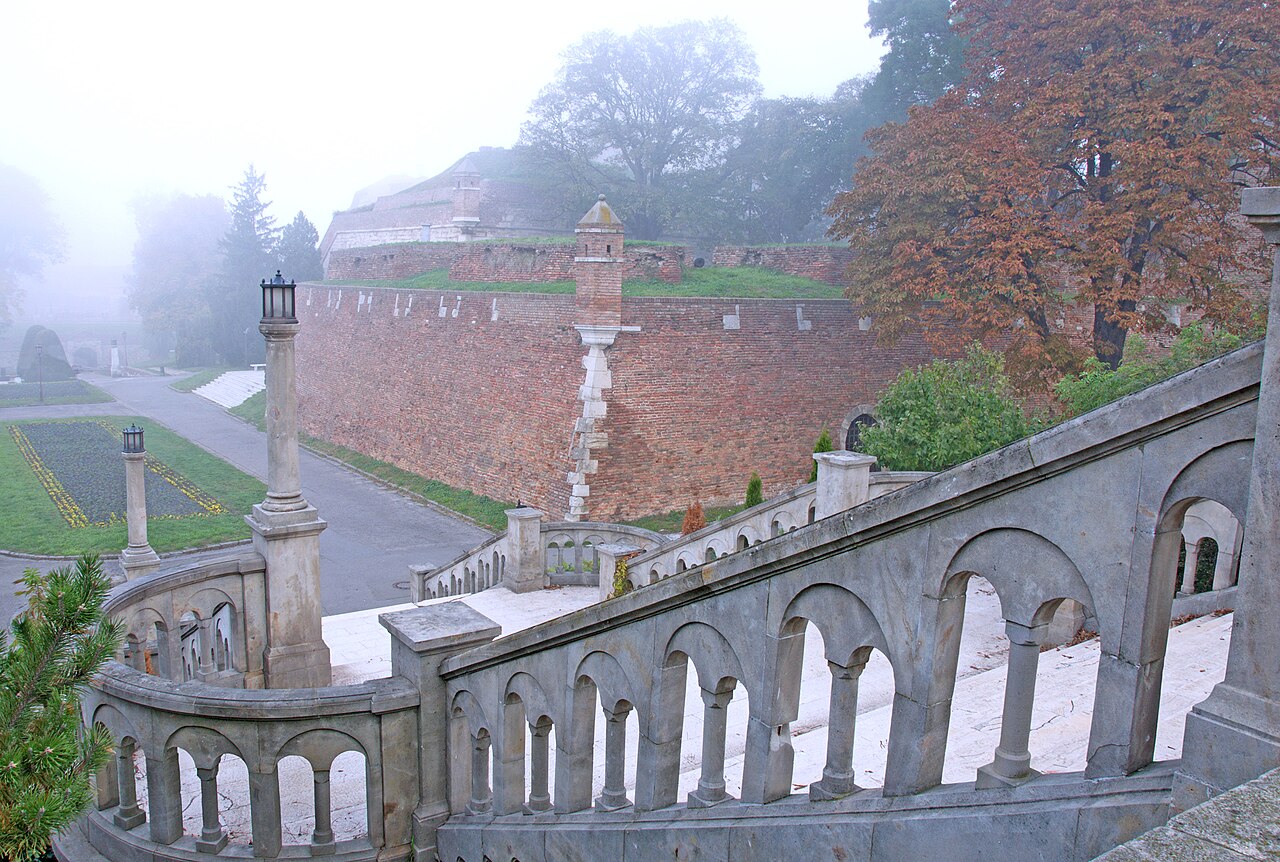
Knez Mihailova ends at Kalemegdan Park and the Belgrade Fortress. Give the fortress at least two hours: walk the walls of the Upper Town, find the Roman Well and the Clock Tower, and stand at the Victor monument looking over the meeting of the Sava and the Danube. If you want to see what lies beneath, the underground tour takes you into the Roman and Austrian-era spaces under the walls and is a good choice if the weather turns. Stay for sunset; the light on the rivers is the reason people fall for this city. For dinner, walk back up to Skadarlija, the cobbled bohemian street of taverns, where live folk music and grilled meat make for a classic first evening. It is touristy, but it is a classic for a reason.
Day two, morning: Tesla and Vračar
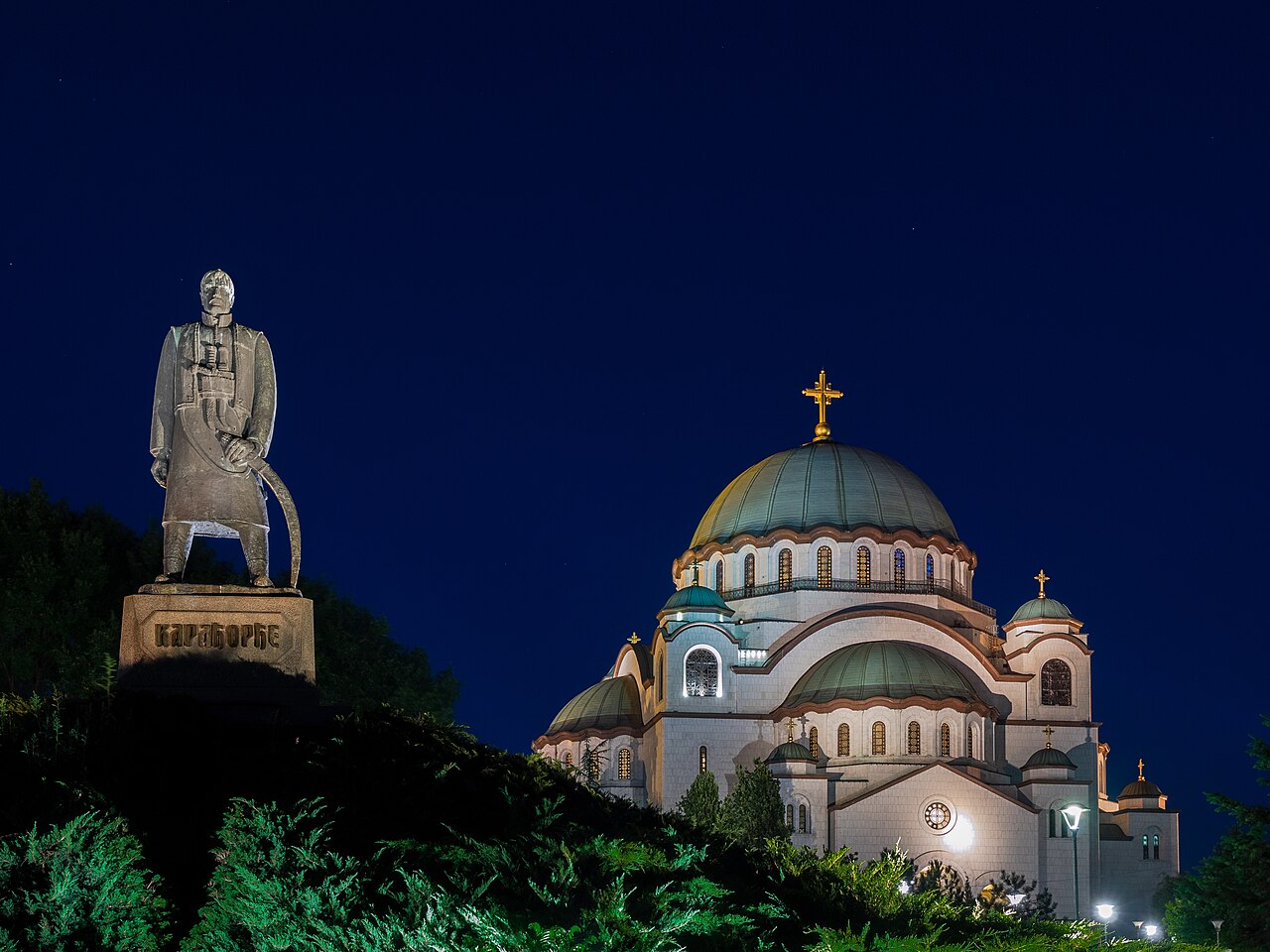
Head south of the centre to the Nikola Tesla Museum. Visits are by guided tour only, with tours starting on the hour, so aim for the first slots of the day when groups are smaller, and bring dinars for the entrance. From there it is a pleasant walk through the leafy streets of Vračar to the Temple of Saint Sava, one of the largest Orthodox churches in the world. Its white marble exterior dominates the skyline, and the crypt and the gilded mosaics inside are worth the time. Remember to cover shoulders and knees.
Day two, afternoon: food and the rivers
Spend the afternoon eating. A guided Serbian food tour is an efficient way to taste the classics, from burek and cured meats to kajmak and rakija, with the stories behind them. If you would rather be on the water, the Great War Island kayak tour gives you the confluence from river level, and the sunset cruise on the Danube and Sava is the gentle alternative for tired legs. Cruise and kayak schedules follow the season, so check that your date is bookable before you commit, especially outside the warm months. Finish with a drink at one of the river rafts, the floating bars along the Sava and Danube, which run at full volume in summer.
Day three: choose your day out
The classic is Novi Sad, with Petrovaradin Fortress, the baroque town of Sremski Karlovci and a tasting of local wine on the way; it takes a full day and a small-group tour with pickup makes it painless. If you prefer monasteries and forest, the Fruška Gora tour is quieter. If fortresses on the Danube are your thing, the Golubac and Iron Gate day or the Smederevo, Ram and Golubac day take you east along the river to scenery that feels like the edge of the country. All of these are long days, so book ahead and treat the evening as a rest.
If you only have two days
Do day one as written and merge day two into a single morning: Tesla and Saint Sava before lunch, then a river cruise or a long lunch in Dorćol. Skip the day trip and promise yourself a return.
If you have a fourth day
Take the slow option: a few hours in Zemun, the old Habsburg town on the Danube, with its tower on Gardoš hill and fish restaurants on the quay, or a half day at Ada Ciganlija, the lake island where Belgraders swim, cycle and eat in summer.
Getting around
Buses, trams and trolleybuses cover the city and use a rechargeable card sold at newsstands. From Nikola Tesla Airport, the A1 express bus runs to Slavija Square, the city bus 72 runs to Zeleni Venac, and taxis are widely available; ask your hotel to call a car or use a ride-hailing app instead of hailing one on the street. Check current fares and timetables on the day you travel, since they change.
Where to base yourself
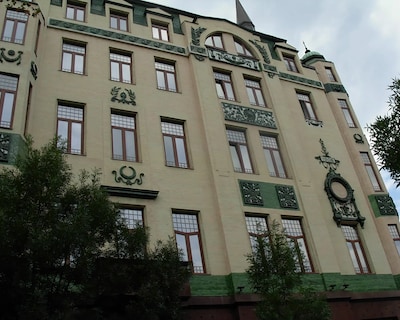
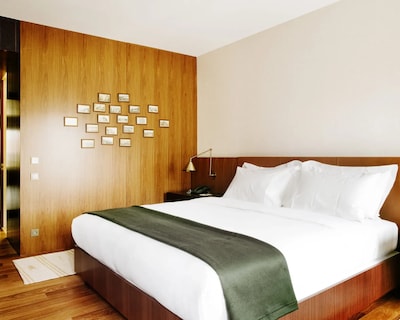
Stay in the old town, around Knez Mihailova, Terazije or Kalemegdan, and you can walk to most of this plan. Everything in the itinerary is easy to reach from there, and most tours collect from central hotels.