Cairo can be visited all year, but the season changes the experience more than almost anything else, from the colour of the light on the pyramids to how long you can comfortably stand in the sun. The city has a desert climate, with hot, dry summers, mild winters and very little rain, so the question is less whether the weather will cooperate than how much heat and how many crowds you are prepared to accept.
October to April: the best weather, and the crowds
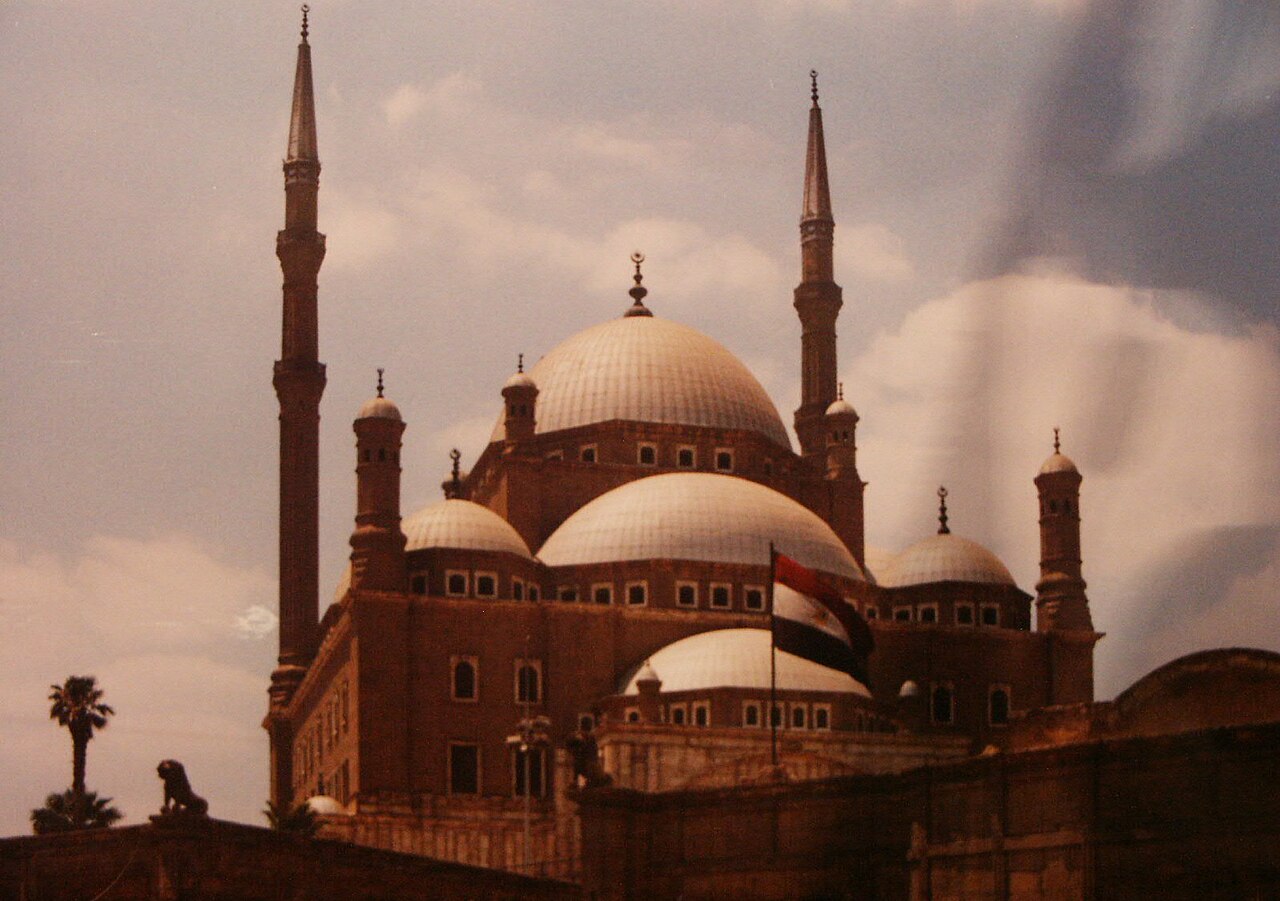
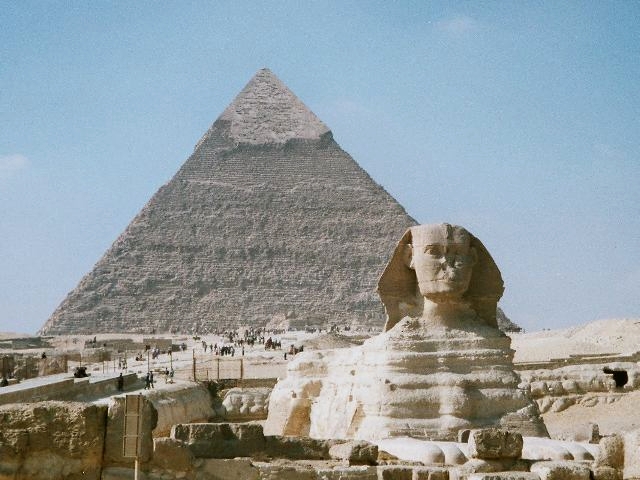
This is the main season, with warm, sunny days and cooler evenings, ideal for walking the pyramids, the Citadel and the lanes of Islamic Cairo. From late autumn into winter the days are the most comfortable of the year and the evenings can turn cool, so bring a jacket for the Nile, the desert and the early morning. It is also the busiest and most expensive time, especially around Christmas and New Year, so book hotels, the Grand Egyptian Museum and Great Pyramid tickets well ahead. Winter days are short, so start early and check closing times when you plan outdoor sights.
December to February: cool and clear
Midwinter is the coolest period. Daytime is pleasant for sightseeing, nights are chilly, and a little rain is possible, though it is rarely more than a shower. This is a very good time for Saqqara, Dahshur, the Fayoum and a day in Alexandria, although Alexandria can be damp and windy on the coast. Felucca sails and dinner cruises are best with a warm layer. Pools at the hotels are for the brave.
March and April: lovely, with a dust risk
Spring is warm and bright, and it is a fine time to visit, but it is also the season when hot, dusty winds can blow in from the desert, turning the sky hazy and sometimes disrupting views, flights and boat trips for a day or two. Pack sunglasses and a light scarf for your nose and mouth, and keep your schedule flexible so you can swap an outdoor day for a museum day. Spring is also when Egyptians celebrate Sham el-Nessim, a holiday of picnics and family outings in parks and along the Nile, so expect busy green spaces and fesikh, the traditional salted fish, on the menu.
May to September: hot, quiet and cheaper
Summer is very hot. Temperatures commonly reach the thirties and can climb higher, and the midday sun on the plateau is punishing. Many visitors head for the Red Sea instead, which means fewer crowds, easier bookings and lower prices in Cairo. If you come in summer, plan like a local: be at the pyramids or Saqqara for opening, spend the middle of the day in air-conditioned museums such as the Grand Egyptian Museum, the Egyptian Museum and the National Museum of Egyptian Civilization, and come out again in the evening for the Citadel terrace, a Nile cruise or the bazaar. Wear light, long, loose clothing, a hat and sunscreen, and drink more water than seems necessary. Wednesdays and Saturdays are good days at the Grand Egyptian Museum, because it stays open to 21:00.
Ramadan
The Islamic fasting month moves about eleven days earlier each year, so it falls in a different season from one year to the next. During Ramadan, restaurants, shops and some businesses change their hours, with many small places closing in the daytime and the city coming alive after sunset, when families break the fast with iftar. Sights usually keep running, often with shorter hours, so check the schedule before you go. Visitors should avoid eating, drinking or smoking openly in the street during the day, and should dress and behave a little more conservatively. In return you get lanterns, long communal tables, evening markets and a special warmth, and many travellers consider it one of the most atmospheric times to be in Cairo. Eid al-Fitr, which follows, is a public holiday when families travel and popular sites are crowded.
Choosing your month
If comfort comes first, go in October, November, February or March. If you want the quietest sights and the best prices and can handle the heat, go in the summer with a morning-and-evening plan. If you love festivals and atmosphere, consider Ramadan or Sham el-Nessim, and plan around opening hours. Peak times such as Christmas and New Year reward early booking, and any time of year benefits from a flexible plan that puts outdoor sights early in the day.
Packing and planning
Whatever the month, bring a hat, sunglasses, sunscreen, comfortable closed shoes and a scarf or light shawl for mosques and churches, where shoulders and knees should be covered. Add a warm layer from November to March, and a light waterproof for the occasional shower. Book your Grand Egyptian Museum ticket in advance in every season, and leave a buffer day if you want to see the pyramids on a clear morning rather than on a hazy one. Check your government’s travel advice before you book, as with any trip.