Three days is enough to see the great sights of Cairo without rushing, provided you plan around geography rather than around a checklist. The city is huge and the traffic is slow, so the secret is to group sights by area, start early while the air is cool and the roads are quiet, and keep the evenings for the Nile and the old bazaar. This itinerary follows that logic, and it works in any season, though in summer you will want to finish the outdoor sights before the middle of the day.
Before you start
Book your Grand Egyptian Museum entry online in advance, because foreign visitors buy timed tickets and cannot count on buying at the door. If you want to go inside the Great Pyramid, that is a separate ticket with limited capacity, so reserve it ahead in the busy months from October to April. Choose a hotel to suit the plan: Giza for the first night if you want a dawn start at the pyramids, or somewhere central such as Zamalek or downtown if you would rather spend your time in the old city. A driver for day one and day three, and a ride-hailing app for the rest, keeps things simple.
Day one, morning: the Pyramids of Giza
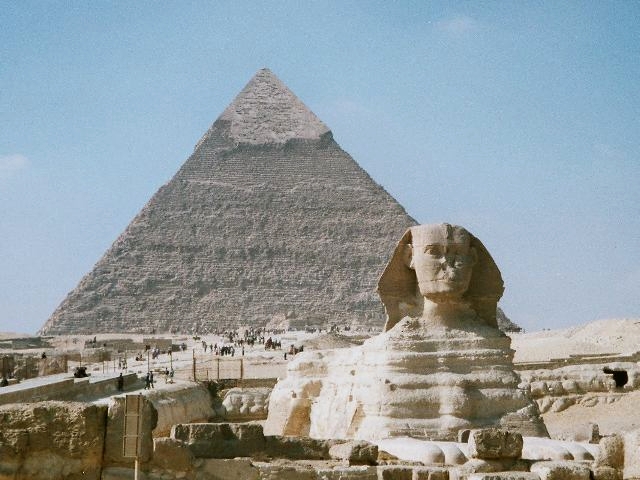
Be at the plateau when it opens. The main entrance is now a visitor centre, and free electric shuttle buses carry you around the site, so you do not have to walk the desert. Ride out to the panorama point first for the classic three-pyramid view, then continue to the Sphinx and the valley temple area. Decline offers of camel rides or souvenirs from people who approach you on the plateau, since a polite and firm no is the easiest way to keep moving. Allow three to five hours, and tuck in the Great Pyramid interior only if you are comfortable with a steep, narrow, warm passage.
Day one, afternoon: the Grand Egyptian Museum
The museum is about ten minutes by car from the plateau, so have lunch near Giza and arrive at your timed slot. The galleries are open from 9:00 to 18:00, and to 21:00 on Wednesdays and Saturdays, which makes those two days ideal for a relaxed late visit. Start at the atrium with its colossal Ramesses II, climb the Grand Staircase, and save your strongest energy for the Tutankhamun galleries, where the full tomb collection, more than 5,000 objects including the famous gold mask, is shown together. Plan on at least three hours; many people stay four or five. Return to your hotel for dinner, or add an evening at the Sound and Light Show if you are staying in Giza.
Day two, morning: mummies and Coptic Cairo
Head south to the National Museum of Egyptian Civilization in Fustat, where the royal mummies, including Ramesses II and Hatshepsut, rest in a dimly lit hall that feels like a tomb. Allow two to three hours, taking in the main gallery first as a primer. Then walk or take a short ride to Coptic Cairo, beside the Mar Girgis metro station, for the Coptic Museum, the Hanging Church, Abu Serga and the Ben Ezra Synagogue. Dress modestly, since these are working places of worship, and expect security checks at the doors.
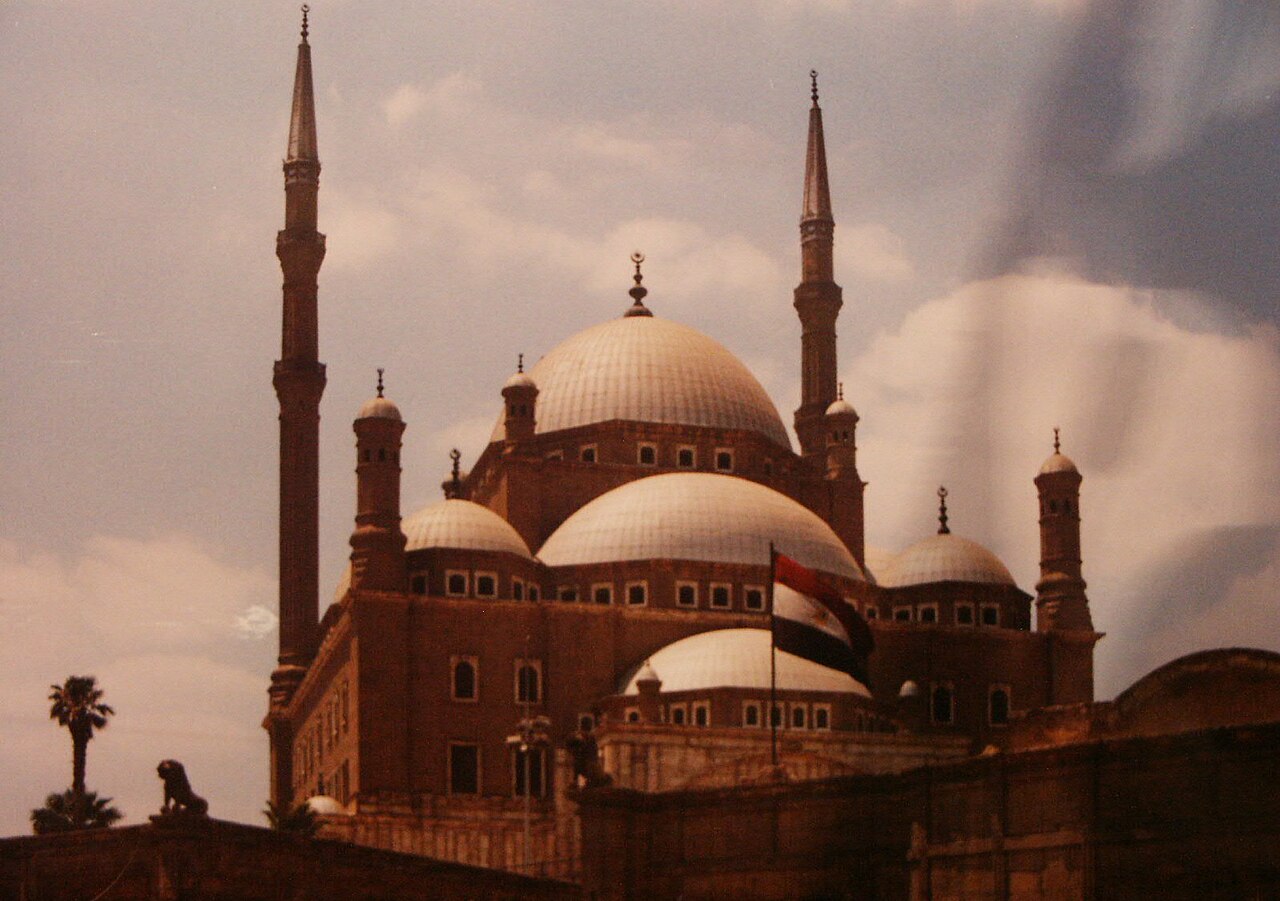
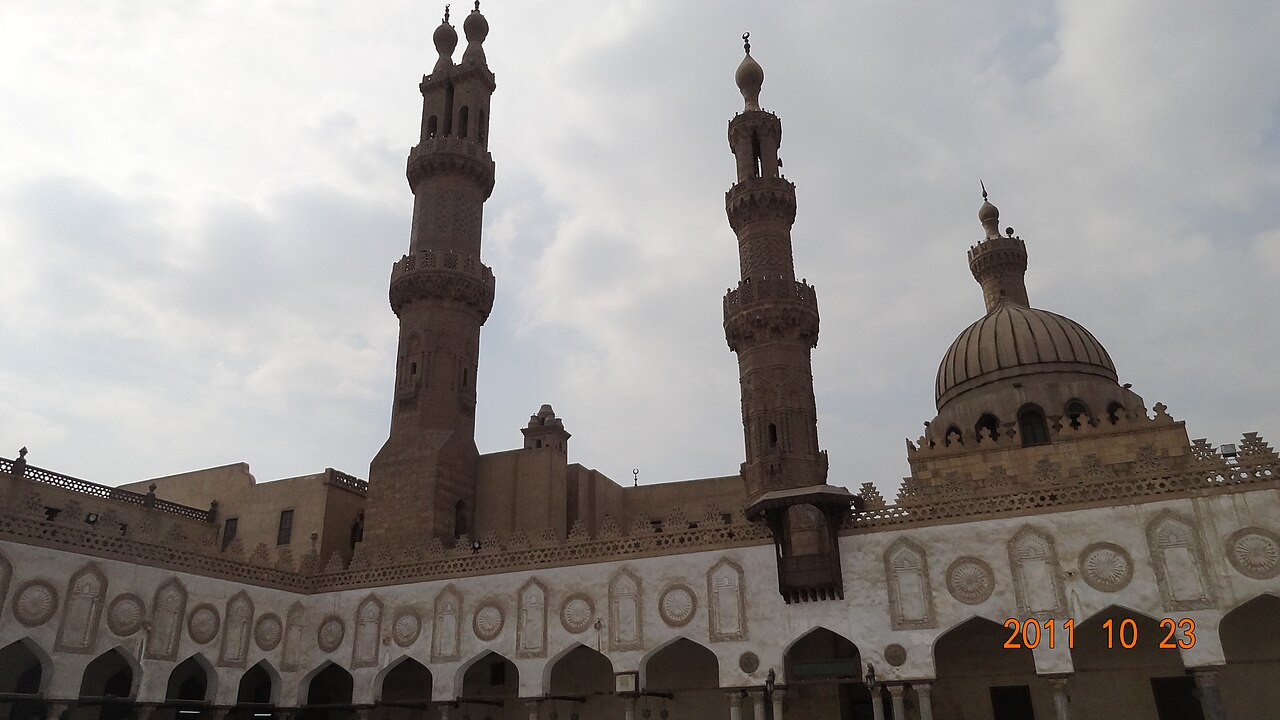
Day two, afternoon and evening: the Citadel and the medieval city. Take a taxi or ride-hailing car up to Saladin’s Citadel for the Mosque of Muhammad Ali and the terrace views, which are best before the late-afternoon haze thickens. Come down past the great mosques at the foot of the hill, then enter old Cairo at its northern or southern end and walk Al-Muizz Street through its Fatimid and Mamluk monuments. Climb the twin minarets of Bab Zuweila if they are open, visit Al-Azhar Mosque outside prayer times, and finish in Khan el-Khalili as the lamps come on. Tea at El Fishawy, or dinner at a local restaurant nearby, is the natural end to the day.
Day three: choose your mood
You have two good options. The first is to go south to Saqqara, Memphis and Dahshur, where the Step Pyramid of Djoser, the painted tombs and the Red and Bent pyramids show how the pyramid age began, with far fewer people than Giza. Hire a driver or join a small-group tour, start early and bring water, a hat and small cash for separate tickets. The second is to stay in town: spend the morning at the Egyptian Museum on Tahrir Square, which is best after the GEM because it fills in the Old Kingdom and Amarna story, then walk along the Corniche, have a late lunch downtown or in Zamalek, and take a Nile dinner cruise or a felucca at sunset.
If you only have two days
Do day one as described, then combine the museum, the Citadel and Al-Muizz Street on day two, skipping Saqqara. If you have a fourth day, add Alexandria or the Fayoum, or a slower day with a cooking class, the royal palaces or Cairo’s food scene.
Pacing and practicalities
Do not underestimate the heat and the walking. Wear comfortable closed shoes, carry water, and use sunscreen and a hat. Plan a rest at the hotel between the morning and the evening in the warmer months, when the middle of the day is best spent indoors. Friday is the weekend, with lighter morning traffic but mosques busy with midday prayers, so schedule mosque visits for other times. Keep small notes for tips and monument extras, and agree prices before any unmetered ride.