Cairo eats generously, cheaply and mostly with its hands. The cuisine is built on bread, beans, rice, lentils and vegetables, with grilled meat and fish for feasts, and much of the best food is served from counters, carts and family kitchens rather than from grand dining rooms. For a visitor the pleasure lies in knowing a handful of dishes, a few habits and a couple of neighbourhoods, and then following your nose.
Breakfast
The national breakfast is ful medames, slow-cooked fava beans seasoned with cumin, garlic, lemon and oil and scooped up with bread. It comes with ta’ameya, the Egyptian version of falafel made with fava beans rather than chickpeas, often tucked into a sandwich with salad and tahini. Eggs with basterma, an air-dried cured beef, are a richer alternative. Many hotels serve a version of all this, but a local counter or small café gives you the real thing for a fraction of the price.
Koshari, the everyday classic
If you eat only one local dish, make it koshari: rice, lentils, pasta and chickpeas topped with tomato sauce, crisp fried onions and a splash of vinegary or spicy dressing. It is filling, vegetarian-friendly and sold from small restaurants specialising in nothing else. Order a size, stir it up and add the sauces at the table to taste.
Home-style dishes
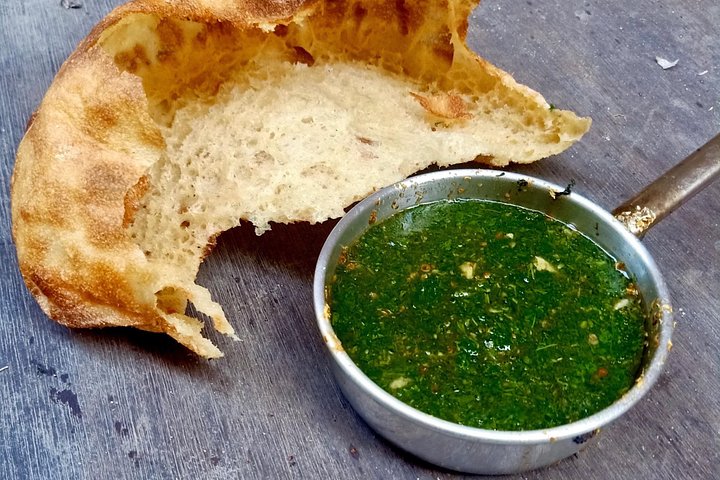
At traditional restaurants and in family kitchens look for molokhia, a garlicky soup of finely chopped jute leaves served with rice or bread, and mahshi, vegetables such as vine leaves, peppers and courgettes stuffed with herbed rice. Grilled kofta and kebab, stuffed pigeon, slow-cooked stews and grilled fish round out the table, with torshi pickles, tahini and baba ghanoush alongside. Fiteer, a layered flaky pastry, can be savoury or sweet and is a good snack to share.
Sweets, tea and coffee
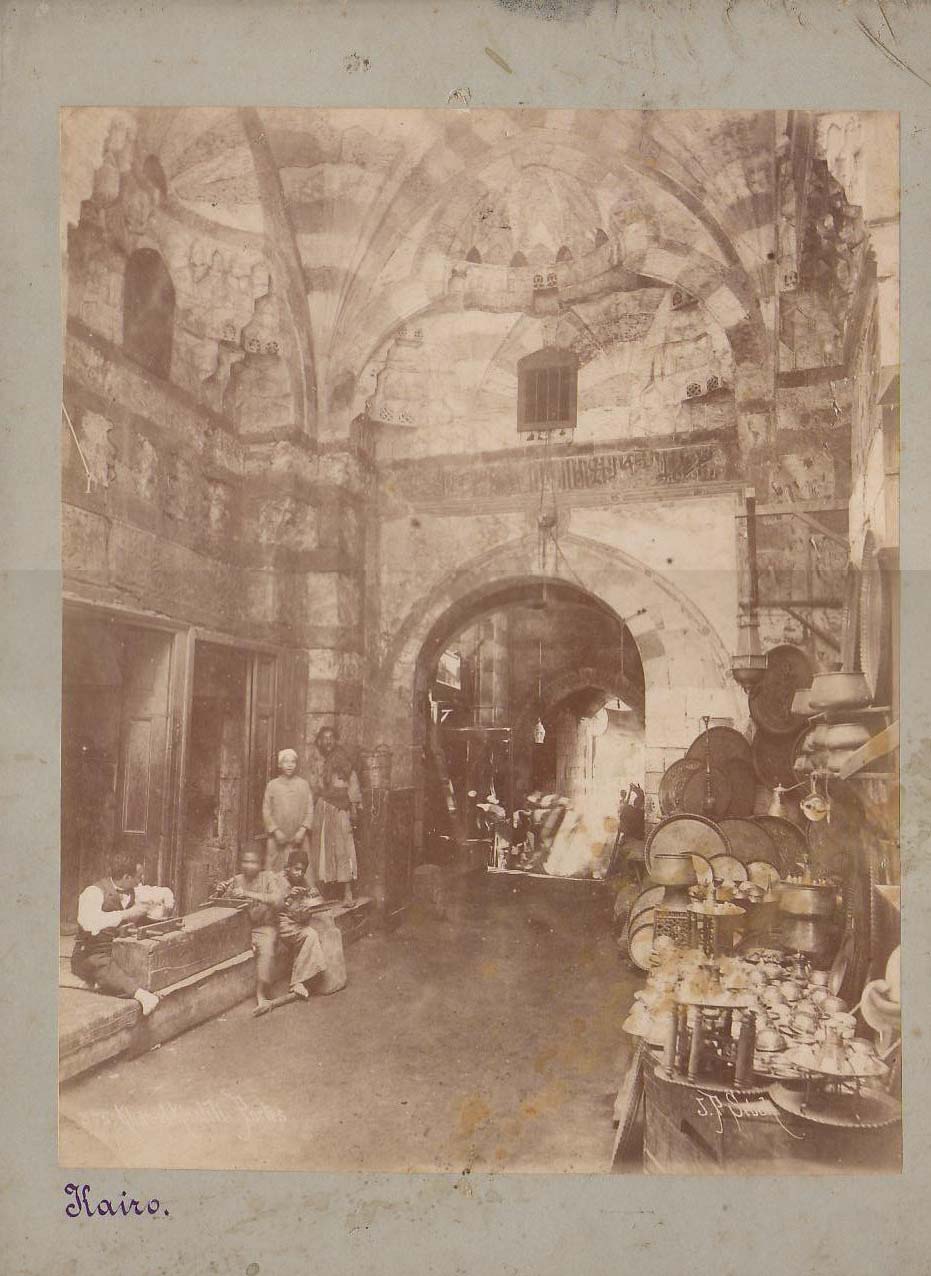
Egyptian desserts include om ali, a warm bread-and-milk pudding with nuts, mahalabeya, a milk pudding scented with rose or orange blossom, and konafa and baklava soaked in syrup. Tea, often strong and sweet, and Turkish coffee are served at ahwas, the coffeehouses where people sit for hours over a game of backgammon; say how much sugar you want when you order. Fresh juices, especially sugarcane, are sold at street stands, and sahlab, a hot, creamy winter drink, appears when the weather cools. The mirrored café of El Fishawy in Khan el-Khalili is the best-known place for mint tea and an hour of people-watching.
Where to eat
Downtown has long-running restaurants and koshari counters within a short walk of the Egyptian Museum. Khan el-Khalili and the streets around Al-Hussein are busy with cafés and grills, best in the evening. Zamalek, on the island in the Nile, is the most polished area, with Nile-view dining, bakeries and bars. Grilled-fish restaurants cluster in areas such as Sayeda Zeinab and Agouza, while Maadi and Heliopolis lean towards international menus. In Giza, most visitors eat at their hotel or at restaurants on the roads around the plateau, which suit lunch breaks between sights.
Learning from locals
If you want a guide, a food tour gives you dozens of small tastings in a single outing and teaches you what to order next, while a home cooking class shows you how koshari, stuffed vegetables and stews are made and ends with a shared meal. Both are good on your first or second day, so you can use what you learn for the rest of the trip. A Nile dinner cruise is more of an evening out than a food experience, with a buffet, live music and a tanoura show.
Eating safely
Choose busy places with a quick turnover, where food comes straight off the heat, and be cautious with salads or raw items if your stomach is sensitive. Drink bottled or filtered water, and check that bottles are sealed. A queue of locals is the best recommendation. Carry hand sanitiser and tissues, since not every restaurant has them. Vegetarians eat well in Egypt, because beans, lentils, vegetables and cheeses are staples, but mention that you eat no meat, as broths and fats are sometimes used in cooking.
Tipping, bills and alcohol
Many sit-down restaurants add a service charge, and an extra tip of around ten per cent for good service is normal; small tips for counter staff are appreciated. Alcohol is available in hotels and licensed restaurants and bars, and local beer is easy to find in those places, but many ordinary restaurants and coffeehouses do not serve it, so ask before you assume. Pork is rare outside hotels.
Ramadan
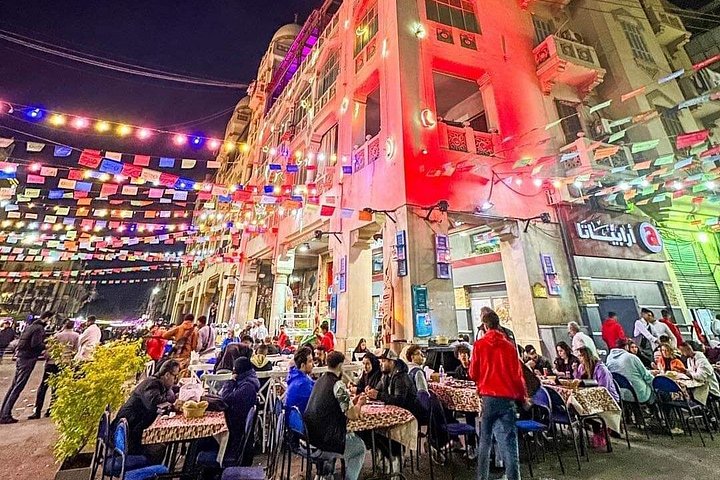
During the fasting month the rhythm of the city changes. Many small restaurants close in the daytime and reopen close to sunset for iftar, the meal that breaks the fast, when the streets fill with long communal tables, lanterns and sweets. Hotels offer iftar and the late-night suhoor meal, and visitors should avoid eating, drinking or smoking openly in the street during daylight. It is a wonderful time to eat in Cairo if you plan around opening hours.