Chengdu sits in a basin on the western edge of the Sichuan plain, and its weather is a defining feature of the city. The air is often humid and the sky frequently overcast, locals joke that the sun is a rare sight, and the seasons differ more in comfort than in drama. The good news is that the city is a year-round destination, with indoor teahouses, restaurants and museums to fall back on. This guide explains what each season offers so you can match your dates to your priorities.
Spring: the best all-round choice
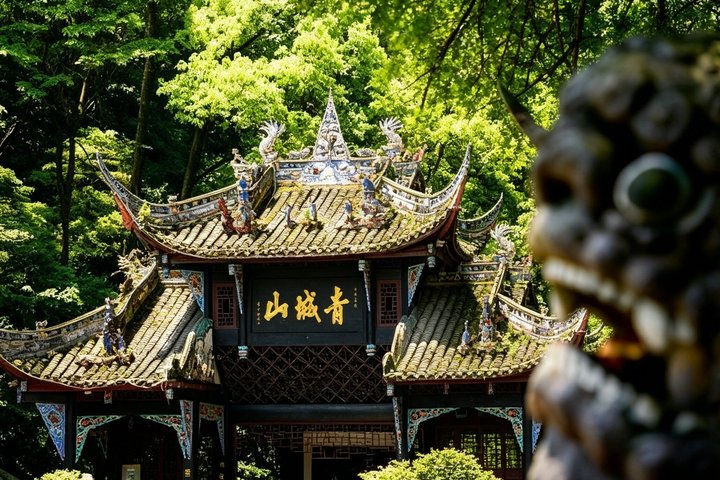
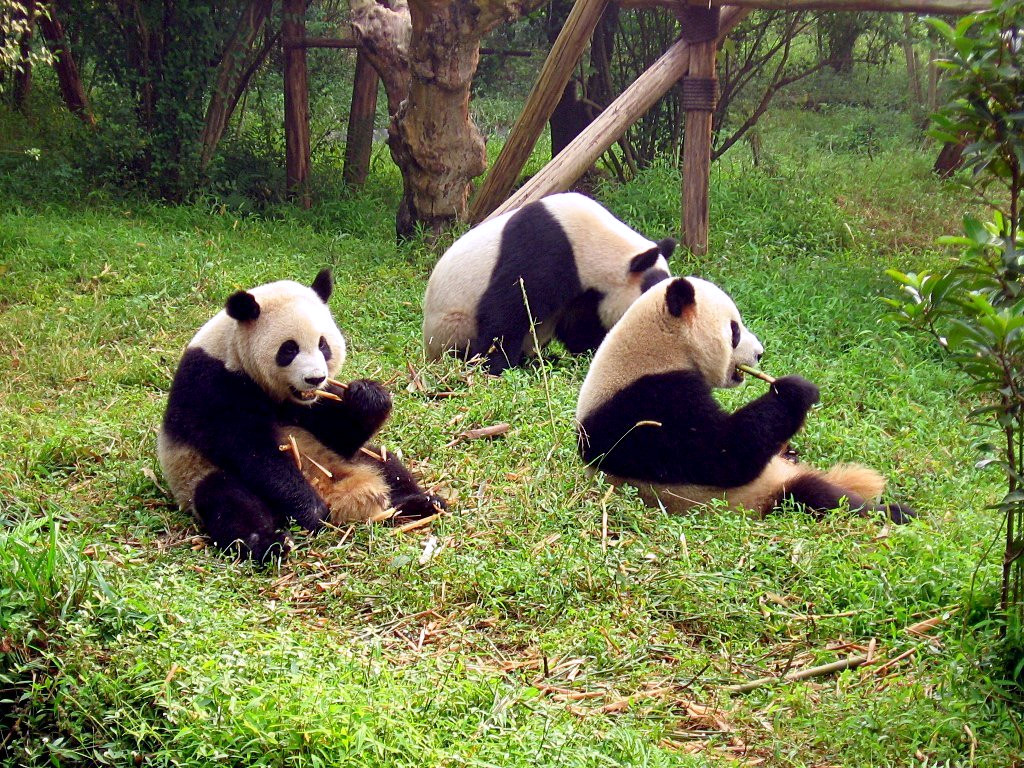
Spring brings mild temperatures, blossom in the parks and comfortable walking weather for the old lanes and the day trips. It is a good time for Mount Qingcheng, Dujiangyan and the lower slopes of Mount Emei, when the forests are green and the air is fresher. Light rain is common, so carry a thin waterproof jacket. Pandas are lively in the cool of the morning, and the panda base is pleasant to walk. Expect more visitors than in winter, particularly around public holidays.
Summer: hot, humid and wet
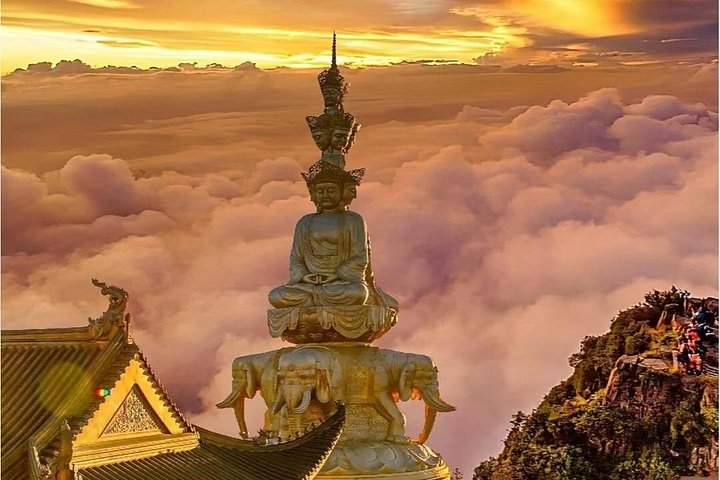
Summer is long, sticky and often rainy, and the heat can make walking around the city tiring. The pandas feel it too: they tend to retreat to shade or cooled rooms during the warmest hours, so the early-morning feeding slot matters even more. Go to the panda base at opening and plan your afternoons indoors, at a teahouse, museum or restaurant. Mountain destinations such as Mount Qingcheng and Mount Emei are cooler than the city, which makes them a good summer escape, but rain brings slippery steps and some flood risk on back-country paths, so check conditions before you go. Hot pot in summer is a local tradition, and the sweat is part of the point.
Autumn: clear days and comfortable walking
Autumn is the other best season, with cooler air, more settled weather and good light for the great sites. It suits Leshan, Dujiangyan and Sanxingdui particularly well, and the mountains have clearer views on better days. Early autumn can still be warm, while late autumn is cooler, damp and sometimes grey, with thinner crowds and lower hotel rates. The first week of October is a major national holiday, which fills every sight and train, so avoid it if you can or book months ahead.
Winter: cool, grey and quiet
Winter in Chengdu is cold and damp rather than frozen, and indoor spaces are not always well heated, so dress in layers and expect to wear a coat all day. Sights are far less crowded, hotel prices are lower, and the panda base is calm, with pandas often active in the cool air. It is a good time for hot pot, teahouses and museums, and less ideal for hiking: stone steps on Mount Emei and Mount Qingcheng can be icy, and the summit of Emei can be very cold. High mountain trips such as Jiuzhaigou are affected by snow and road conditions, so check before you commit.
Holidays and crowds
The busiest times are China’s national holidays: the Spring Festival (Chinese New Year) period in late winter, the early-May holiday and the first week of October. At these times the panda base, Leshan, Jinli Ancient Street and the railway stations are packed, tickets sell out and hotel rates rise. If your dates are flexible, travel in the weeks either side. Weekends are also busier than weekdays at the main sights, so put the pandas and Leshan on a weekday where you can.
What to pack
Whatever the season, bring comfortable walking shoes, a light rain layer and a power bank. In summer add a hat, sun protection and a change of shirt; in winter add a warm coat, scarf and gloves. Mobile payment is widely used, so set up a payment app that accepts foreign cards, and keep some cash as a back-up.
Our recommendation
If you can choose, go in spring or autumn, outside the national holidays. If you must travel in summer, plan for early starts and long indoor afternoons. If you are visiting in winter, focus on the city, food, teahouses and the pandas, and keep mountain trips short. In every season, book the panda base ahead, and check current entry requirements for your nationality before you book flights.